The Vibrant Secret to Culinary Brilliance: Mastering the Art of Pickled Red Onions

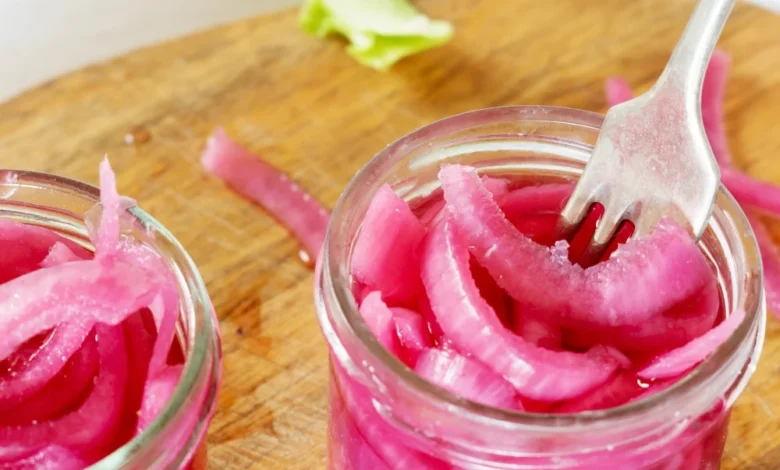
The culinary world is abuzz with a simple yet transformative ingredient that elevates everything from humble tacos to sophisticated grain bowls: pickled red onions. This visually striking condiment, characterized by its intense fuchsia hue and invigorating tang, has become a pantry staple for home cooks and professional chefs alike. Its rapid ascent in popularity is not merely a fleeting trend; it’s a testament to its remarkable versatility and the growing appreciation for flavorful, homemade additions that align with healthier eating principles. This comprehensive guide delves into the effortless creation, diverse applications, and surprising health benefits of pickled red onions, revealing why they are an indispensable element in modern gastronomy.
The Genesis of a Culinary Darling: Understanding the Appeal
The magic of pickled red onions lies in their ability to deliver a complex flavor profile with minimal effort. At their core, they are thinly sliced red onions transformed through a simple pickling process. The vibrant color is not just for show; it signals the presence of anthocyanins, powerful antioxidants found naturally in red onions. When submerged in a brine, typically composed of vinegar, a touch of sweetener, and salt, these onions undergo a remarkable transformation. Their sharp, pungent bite mellows, giving way to a delightful crispness, a subtle sweetness, and a pronounced, yet balanced, tang.
This delicate interplay of flavors makes pickled red onions exceptionally adaptable. They are the unsung heroes that cut through the richness of fatty meats, add a zesty counterpoint to creamy dressings, and introduce a welcome textural contrast to softer ingredients. Their visual appeal is equally significant. In an era where presentation is paramount, the vivid magenta of pickled red onions instantly elevates the aesthetic of any dish, making even the simplest meals appear more artful and inviting. This dual capacity to enhance both taste and visual appeal has cemented their status as a go-to ingredient for those seeking to add a professional polish to their culinary creations.
A Nod to Health and Tradition: The Mediterranean Connection
The rise of pickled red onions also aligns seamlessly with the burgeoning popularity of the Mediterranean diet. This dietary pattern, celebrated for its emphasis on fresh vegetables, healthy fats, legumes, whole grains, and flavor-rich homemade condiments, finds a perfect embodiment in this vibrant pickle. Instead of relying on processed toppings or sugar-laden sauces, pickled vegetables offer a wholesome and accessible method to amplify the taste of meals. They represent a return to foundational cooking techniques, where simple, high-quality ingredients are transformed into culinary delights.
The Mediterranean lifestyle champions the use of natural flavor enhancers, and pickled red onions fit this ethos precisely. They provide acidity and zest without introducing unhealthy fats or excessive sodium, making them an ideal complement to a diet focused on nutrient-dense foods. Whether adorning grilled chicken, lending their character to a vibrant salad, or serving as a zesty accompaniment to a dollop of hummus, these onions are poised to become a refrigerator staple, a testament to the enduring appeal of simple, healthful, and delicious food.
The Art of Simplicity: Crafting Your Own Pickled Red Onions
The beauty of pickled red onions lies in their astonishing simplicity. The process requires no specialized equipment, making it an accessible endeavor for cooks of all skill levels. The essential components are readily available in most pantries, and the active preparation time is remarkably short, typically around 15 minutes.
Step-by-Step Guide to Pickling Red Onions:
-
Preparation of the Onions: Begin by selecting one to two medium-sized red onions. Peel them and then slice them thinly. The thinness of the slices is crucial, as it allows the onions to absorb the pickling brine efficiently while retaining a satisfying crunch. A mandoline slicer is an invaluable tool for achieving uniform, paper-thin slices, but a sharp knife can also yield excellent results with careful attention.
-
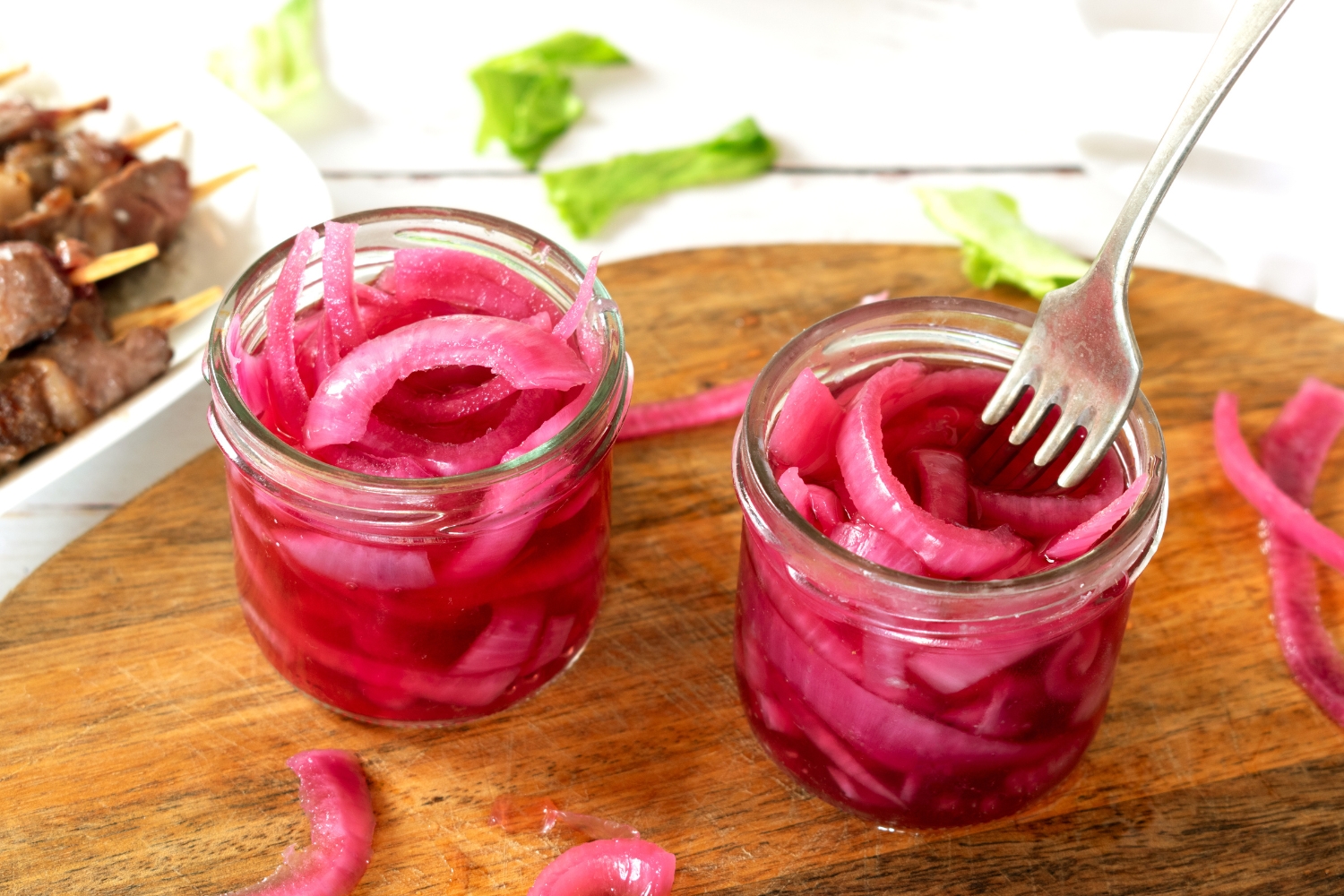
Packing the Jar: Once sliced, tightly pack the red onion rings into a clean pint-sized mason jar. It is natural for the jar to appear quite full, as the onions will soften slightly during the pickling process. Ensure the jar is clean to maintain freshness and prevent spoilage.
-
Crafting the Brine: In a small saucepan, combine the liquid components of the brine. A common ratio involves equal parts water and apple cider vinegar, with a touch of natural sweetener like maple syrup or honey, and a measured amount of salt. For a pint-sized jar, approximately 1/2 cup of water and 1/2 cup of apple cider vinegar are standard, with 1 to 2 tablespoons of maple syrup and 1/2 teaspoon of salt. Heat this mixture over medium heat until it just begins to boil. The primary objective is to dissolve the salt and sweetener completely and to warm the liquid sufficiently to initiate the pickling process. A brief warming is all that is required; a prolonged simmer is unnecessary.
-
Combining and Resting: Remove the saucepan from the heat and allow the brine to cool slightly for a couple of minutes. This brief resting period prevents the hot liquid from cracking the glass jar. Carefully pour the warm brine over the packed onions in the mason jar, ensuring they are entirely submerged. If some onion slices float to the surface, gently press them down with a clean spoon or butter knife to ensure they are fully immersed in the brine.
-
Cooling and Refrigeration: Allow the sealed jar to cool to room temperature. Once at room temperature, transfer the jar to the refrigerator. While the pickled red onions will develop a pleasant flavor after just a few hours, their taste and texture reach their peak after resting overnight. This period allows the onions to lose much of their initial sharpness while fully absorbing the sweet and tangy notes of the brine, resulting in a condiment that is both bright and deeply flavorful.
Optimizing Your Pickling Process: Tips for Perfection
While the basic recipe is foolproof, a few expert tips can elevate your pickled red onions to exceptional levels:
- Uniform Slicing is Key: The more consistent your onion slices, the more evenly they will pickle. A mandoline is highly recommended for achieving this uniformity, but patience and a sharp knife are also effective.
- Freshness Matters: Select firm, fresh red onions with smooth, unblemished skins. Fresher onions will retain a superior crunch after pickling.
- Submersion is Non-Negotiable: Ensure all onion slices remain submerged in the brine. Exposure to air can lead to uneven pickling and a less desirable texture. A gentle press after pouring the brine can resolve this.
- Patience Yields Rewards: Resist the urge to consume them immediately. While edible after a few hours, the overnight rest is essential for developing the nuanced flavor profile that defines truly excellent pickled red onions.
- Embrace Customization: For those who enjoy experimenting, the brine offers a canvas for flavor. Consider adding whole peppercorns, mustard seeds, coriander seeds, a clove or two of garlic, a bay leaf, or fresh herbs like thyme or oregano. These additions can impart subtle, nuanced flavors that align with various culinary traditions, particularly those inspired by Mediterranean cooking.
- Maintain Hygiene: Always use clean utensils when removing pickled onions from the jar. This simple practice helps to extend their shelf life and prevent the introduction of contaminants.
A Universe of Applications: Where Pickled Red Onions Shine
The true brilliance of pickled red onions lies in their unparalleled versatility. They are not confined to a single culinary niche but rather act as a universal enhancer, capable of transforming a wide array of dishes.
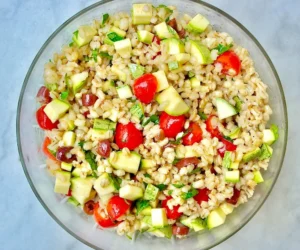
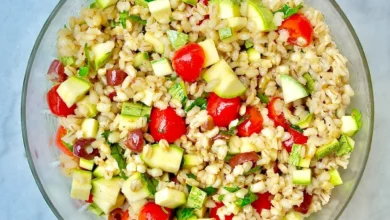
- Grain Bowls and Salads: Scatter them generously over grain bowls featuring farro, quinoa, or brown rice. Their acidity beautifully balances rich ingredients such as feta cheese, creamy avocado, roasted vegetables, and hearty legumes. In fresh salads, they add a delightful tang that complements ingredients like cucumbers, tomatoes, chickpeas, olives, and peppery greens like arugula.
- Sandwiches and Wraps: Elevate your sandwiches and wraps with a layer of pickled red onions. They are a perfect addition to grilled chicken sandwiches, falafel pitas, turkey wraps, gourmet burgers, and roasted vegetable paninis, providing an essential crunch and a burst of brightness.
- Mediterranean Mezze Platters: As an integral component of a Mediterranean mezze spread, pickled red onions offer a vibrant contrast to creamy dips like hummus, baba ganoush, and tzatziki. They also pair wonderfully with olives, stuffed grape leaves, pita bread, roasted peppers, and an assortment of fresh vegetables.
- Proteins and Sides: Their application extends to proteins as well. They make an excellent topping for grilled fish, roasted chicken, lamb, and even tacos. Baked potatoes, avocado toast, and scrambled eggs all benefit from a zesty addition. Even hearty soups and grain salads can be significantly enhanced with a spoonful of these tangy morsels just before serving.
Storage and Longevity: A Kitchen Staple
One of the most practical advantages of homemade pickled red onions is their impressive shelf life. When stored properly in their sealed mason jar in the refrigerator, and provided the onions remain submerged in the brine, they will maintain their freshness for up to three weeks.
Interestingly, the flavor profile of pickled red onions continues to evolve and deepen during the first few days of refrigeration. The onions become less pungent and more infused with the sweet and tangy pickling liquid, creating a more harmonious taste. Even if the onions begin to soften after several weeks, they often remain perfectly safe and enjoyable to eat, though the texture may be less crisp.
Furthermore, the leftover pickling liquid is not to be discarded. It can be ingeniously repurposed. Whisk it into homemade vinaigrettes to add a unique acidic kick, stir it into marinades for an extra layer of flavor, or incorporate it into grain salads for an immediate burst of zest. The presence of a jar of pickled red onions in your refrigerator means you always have a convenient and delicious way to elevate your meals throughout the week.
Nutritional Insights: Beyond the Flavor
Beyond their culinary contributions, pickled red onions offer several nutritional benefits that align with a healthy lifestyle. Red onions are naturally rich in antioxidants, particularly anthocyanins, the pigments responsible for their vibrant color. These compounds are known for their ability to combat oxidative stress in the body.
Onions also serve as a source of vitamin C, dietary fiber, and various beneficial plant compounds that contribute to overall well-being. While the pickling process may not preserve every nutrient perfectly, it allows for the enjoyment of onions in a palatable and health-conscious form, encouraging greater vegetable consumption.
The pickling brine itself, composed of apple cider vinegar and a touch of natural sweetener, provides acidity without adding fat. This contributes to the lightness of the condiment. The absence of artificial preservatives or highly processed ingredients further underscores the recipe’s alignment with whole-food principles. By opting for homemade pickled red onions over heavier, often processed condiments, individuals can enhance flavor while maintaining lighter, more vegetable-centric meals.
Frequently Asked Questions:
- How long do pickled red onions need to sit before they are ready to eat? While they are palatable after a few hours, allowing them to rest overnight yields the optimal flavor and texture.
- What is the typical shelf life of pickled red onions? When stored correctly in the refrigerator, they typically remain fresh for up to three weeks.
- Can I use different types of vinegar? Absolutely. White wine vinegar, red wine vinegar, or rice vinegar are all suitable alternatives. However, apple cider vinegar is often favored for its particularly balanced flavor profile.
- Is it possible to make them without maple syrup? Yes. Honey or granulated sugar can be used as substitutes. Maple syrup, however, imparts a subtle richness that complements the onions exceptionally well.
- Is it necessary to sterilize the jar? For refrigerator pickles, sterilization is not a strict requirement. A thoroughly cleaned jar is sufficient, provided the pickles are refrigerated promptly after cooling.
In conclusion, homemade pickled red onions represent a simple yet profoundly impactful culinary enhancement. With a minimal investment of time and common pantry ingredients, one can create a versatile condiment that infuses everyday meals with bold flavor, vibrant color, and satisfying crunch. Rooted in the fresh, wholesome philosophy of the Mediterranean diet, these pickles demonstrate that the most impactful culinary additions often come from straightforward, homemade preparations. Keeping a jar readily available in the refrigerator ensures that a delicious finishing touch is always at hand, ready to elevate any meal.