Beyond the Plate: How the Authentic Mediterranean Lifestyle Unlocks Longevity and Vitality

The pursuit of longevity has driven scientific inquiry for decades, yet few cultural frameworks have garnered as much empirical validation as the traditional Mediterranean lifestyle. Long celebrated for its culinary richness, the authentic Mediterranean model extends far beyond individual dietary components. Emerging nutritional science, epidemiological studies, and anthropological research collectively indicate that a longer, healthier life is the product of an interconnected matrix: nutrient-dense foods, consistent low-intensity physical movement, robust social networks, and restorative rest. As global rates of chronic illnesses continue to rise, public health researchers are increasingly looking to Mediterranean blue zones and traditional practices to understand how systemic lifestyle modifications can dramatically reduce morbidity and enhance healthspan.
The Scientific Foundation of the Mediterranean Diet
The Mediterranean diet consistently ranks among the most thoroughly researched nutritional frameworks globally. Extensive clinical trials and long-term epidemiological studies—such as the landmark PREDIMED study—have demonstrated its profound capacity to mitigate chronic disease risks. Unlike modern Western dietary patterns characterized by ultra-processed foods and refined sugars, the traditional Mediterranean diet is fundamentally plant-forward.
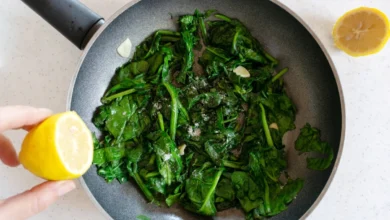
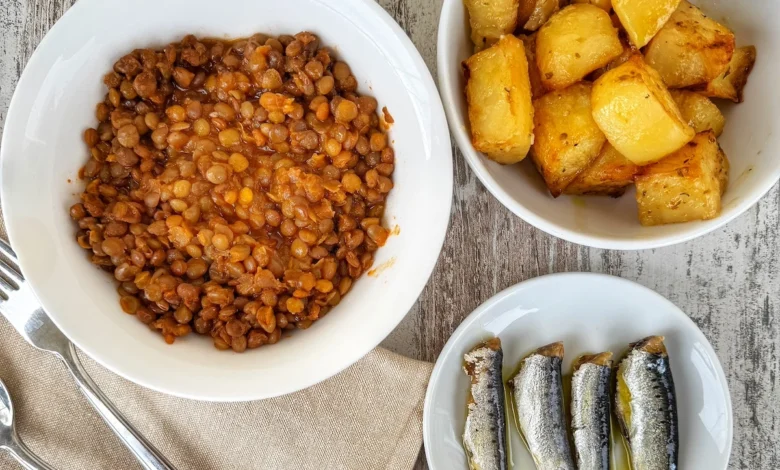
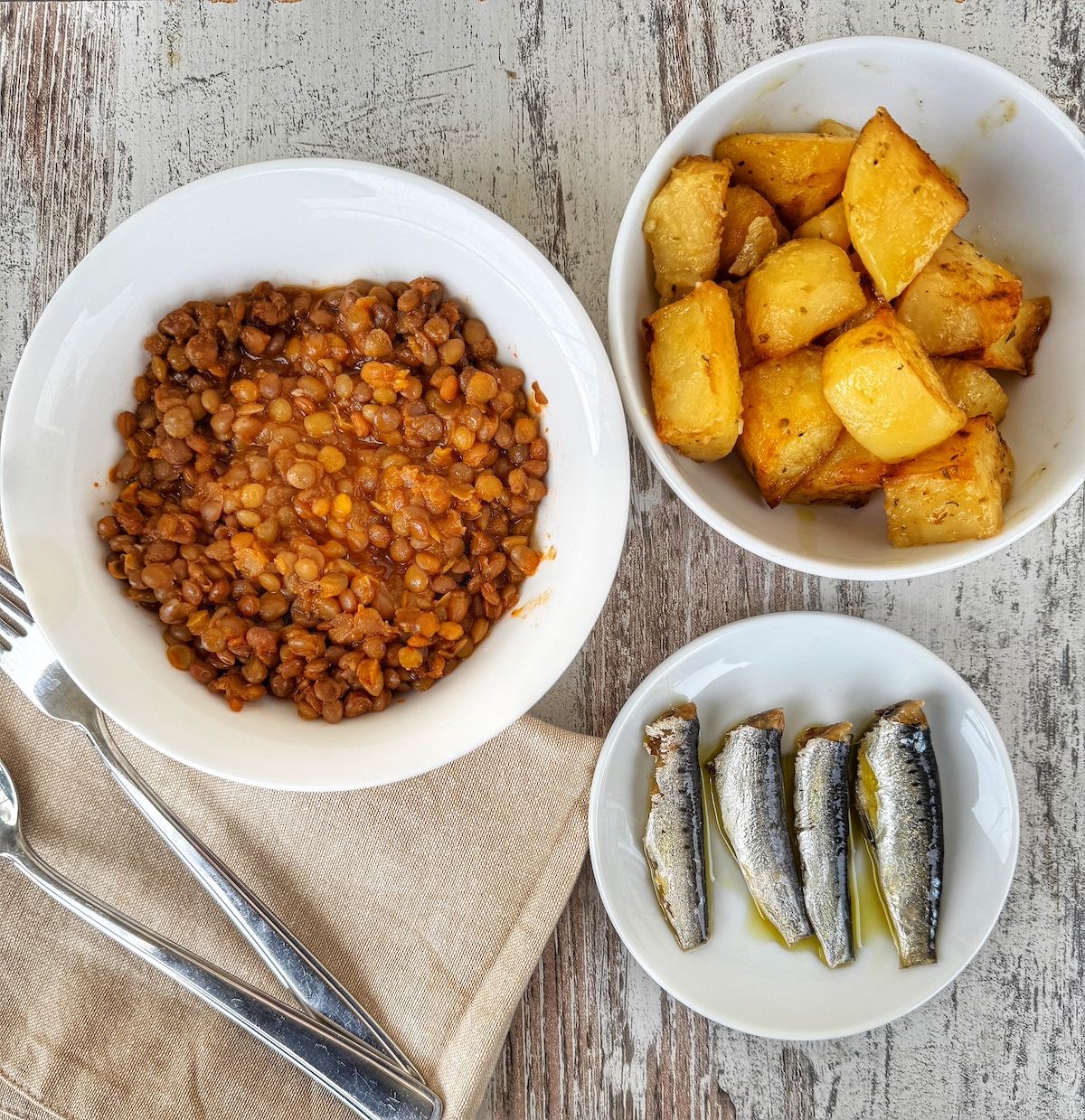
In authentic Mediterranean households, vegetable-centric dishes frequently serve as the primary course rather than a mere side dish. Ingredients are selected not only for their macronutrient profiles but also for their exceptionally high concentrations of bioactive compounds, polyphenols, and antioxidants. Staple components include dark leafy greens, aromatic herbs, seasonal fruits, legumes, whole grains, fatty fish rich in omega-3 fatty acids, and, most notably, extra virgin olive oil.
These antioxidant-rich foods protect cellular structures from oxidative stress, a primary driver of systemic inflammation and chronic conditions such as cardiovascular disease, type 2 diabetes, and metabolic syndrome. Furthermore, neuroepidemiological research highlights the diet’s neuroprotective benefits. Adherence to a Mediterranean dietary pattern has been inversely associated with cognitive decline, the onset of Alzheimer’s disease, and various forms of dementia. Beyond preventing disease, longitudinal data indicates that this dietary paradigm reduces age-related frailty, preserving physical independence, muscle mass, and metabolic resilience well into advanced age.
The Evolution and Global Recognition of Mediterranean Nutrition
The historical roots of the Mediterranean diet trace back thousands of years to the agricultural practices and culinary traditions of the Mediterranean basin, particularly Greece, southern Italy, and Spain. However, the global scientific community’s formal recognition of this lifestyle began in the mid-20th century, catalyzed by the visionary work of epidemiologist Ancel Keys.
In the wake of the Seven Countries Study, initiated in the 1950s, Keys and his research team observed that populations residing in Crete and rural southern Italy experienced remarkably low rates of coronary heart disease compared to their counterparts in the United States and northern Europe. Despite having diets relatively high in total dietary fat—primarily derived from olive oil—these populations enjoyed exceptional cardiovascular health and longevity.
Over the subsequent decades, researchers unpicked the specific variables contributing to these outcomes. By the late 1990s, public health organizations and the World Health Organization began formally promoting the Mediterranean diet as a gold standard for chronic disease prevention. In 2010, UNESCO recognized the Mediterranean diet as an Intangible Cultural Heritage of Humanity, cementing its status not merely as a medical prescription, but as a sophisticated cultural system encompassing agricultural traditions, harvesting rituals, culinary preparation, and communal dining.
The Power of Social Architecture and Community Connection
While nutritional composition forms a critical pillar of Mediterranean longevity, public health experts emphasize that food alone cannot account for the extraordinary health spans observed in these regions. Social architecture and community integration play an equally vital role in mitigating the physiological toll of chronic stress.
In traditional Mediterranean societies, individuals are embedded within tight-knit familial and communal structures. Intergenerational living arrangements remain common, providing continuous social support, a sense of purpose, and emotional resilience for older adults. Beyond the nuclear family, community cohesion is actively maintained through regular participation in civic, cultural, and religious institutions.
Sociologists frequently point to the concept of "third places"—neutral social environments distinct from home and the workplace where individuals gather regularly to converse, share meals, and build solidarity. In many Mediterranean towns and villages, these third places manifest as local coffee shops, central markets, neighborhood squares, or places of worship. Epidemiological data confirms that robust social integration is directly correlated with lower levels of systemic inflammation, enhanced immune function, and reduced mortality rates. Conversely, social isolation has been shown by the U.S. Surgeon General to carry health risks equivalent to smoking 15 cigarettes a day, underscoring the vital protective function of these communal spaces.
Everyday Movement: Informal Physical Activity vs. Structured Exercise
Modern fitness culture often equates health with high-intensity gym workouts, marathon training, or rigorous athletic conditioning. However, the longevity observed in Mediterranean communities is largely sustained through incidental, low-intensity physical activity woven into the fabric of daily life.
In these regions, movement is not a compartmentalized chore to be checked off a daily list; it is an organic consequence of the environment. Residents routinely walk to local markets, visit neighbors, or navigate hilly terrain on foot. Household chores, gardening, manual food preparation, and agricultural maintenance constitute a steady baseline of physical exertion throughout the day.
Biomechanical and physiological studies validate the efficacy of this lifestyle pattern. Continuous, low-intensity movement helps regulate blood glucose levels, improves lipid profiles, supports joint mobility, and maintains lean muscle mass without triggering the excessive physical stress associated with overtraining. Furthermore, maintaining functional mobility is a primary determinant of self-efficacy in older adults. When individuals can independently manage their daily errands, tend gardens, and participate actively in community life, they experience higher psychological well-being, lower rates of clinical depression, and a stronger sense of purpose.
Implementing Mediterranean Principles: Four Actionable Changes
Adopting the benefits of the Mediterranean lifestyle does not require relocating to a coastal Greek village or a sun-drenched Italian island. Public health nutritionists emphasize that individuals anywhere can integrate core elements of this longevity framework into their daily routines through sustainable, incremental adjustments.
-
Shift Plant Foods to the Center of the Plate: Transform vegetables, legumes, whole grains, and seasonal fruits from minor side dishes into the primary components of meals. Aim to incorporate extra virgin olive oil as the principal culinary fat, replacing highly processed vegetable oils and saturated fats.
-
Cultivate Intentional Social Rituals: Combat social isolation by establishing regular touchpoints with family, friends, or community groups. Whether joining a local club, participating in volunteer work, or scheduling weekly communal dinners without digital distractions, fostering meaningful human connection is essential for long-term psychological and physical health.
-
Increase Incidental Daily Movement: Reframe physical activity beyond structured gym sessions. Look for opportunities to walk during daily errands, take the stairs, engage in gardening, or incorporate active movement into routine tasks. Consistent, low-intensity movement throughout the day promotes metabolic health and preserves functional mobility.
-
Embrace the Rhythm of Rest and Mindful Eating: Adopt a holistic approach to recovery by prioritizing adequate sleep, taking time for mid-day respite where possible, and approaching meals mindfully. In traditional Mediterranean cultures, eating is treated as a social and sensory experience rather than a rushed transaction, supporting better digestion and psychological decompression.
Broader Implications and Public Health Outlook
As global healthcare systems grapple with the escalating economic and human costs of chronic, lifestyle-related diseases, the lessons of the Mediterranean model offer a vital blueprint for public health policy. Modern medical interventions have successfully extended average human life expectancy, yet gains in life span have frequently outpaced gains in health span—the number of years lived in good health free from chronic debility.
The integrated approach of the Mediterranean lifestyle addresses this disparity by targeting the root environmental and behavioral determinants of disease rather than merely managing symptoms post-diagnosis. Public health analysts suggest that healthcare paradigms must increasingly incorporate lifestyle medicine—emphasizing nutrition education, community-building urban design, and accessible physical activity infrastructure—to replicate these protective factors on a population level.
By re-evaluating how we eat, move, and connect with one another, modern societies can draw upon centuries of Mediterranean wisdom to foster not only longer lives, but lives characterized by enduring vitality, resilience, and well-being.