Caesar Chicken Thighs: A Mediterranean-Inspired Recipe for Flavorful and Healthy Eating


This Caesar chicken recipe offers a compelling fusion of bold flavors and straightforward cooking techniques, positioning it as a potential staple in home kitchens. Drawing inspiration from the universally loved creamy and tangy profile of traditional Caesar dressing, this dish elevates humble chicken thighs into a rich, savory, and deeply satisfying meal. While the classic Caesar salad is often perceived as an indulgence, this culinary interpretation thoughtfully incorporates principles of the Mediterranean diet, emphasizing high-quality ingredients such as extra virgin olive oil, fresh lemon juice, and anchovies to impart a natural umami depth.
The inherent versatility of Caesar chicken is a significant factor in its appeal. It seamlessly transitions from a weeknight dinner centerpiece to a delightful addition to salads, a convenient filling for wraps, or a protein component alongside roasted vegetables for a complete and balanced meal. The success of the dish largely hinges on the marinade, which assumes the primary role of infusing the chicken with profound flavor while ensuring its tenderness and succulence. A swift broiling process then achieves beautifully caramelized edges with minimal culinary effort, a testament to the recipe’s efficiency.
Furthermore, this Caesar chicken dish serves as an accessible demonstration of how Mediterranean-inspired cooking does not necessitate complex culinary endeavors. By utilizing a modest collection of pantry staples and fresh produce, home cooks can achieve a restaurant-quality meal that is both comforting and inherently nourishing. The recipe’s alignment with Mediterranean dietary patterns, which have been extensively studied for their health benefits, adds another layer of value. The Mediterranean diet, characterized by its emphasis on fruits, vegetables, whole grains, legumes, nuts, seeds, and healthy fats like olive oil, has been linked to reduced risks of heart disease, stroke, and certain types of cancer. This recipe, by incorporating these elements, provides a delicious pathway to embracing such a lifestyle.
Crafting the Perfect Caesar Chicken Thighs
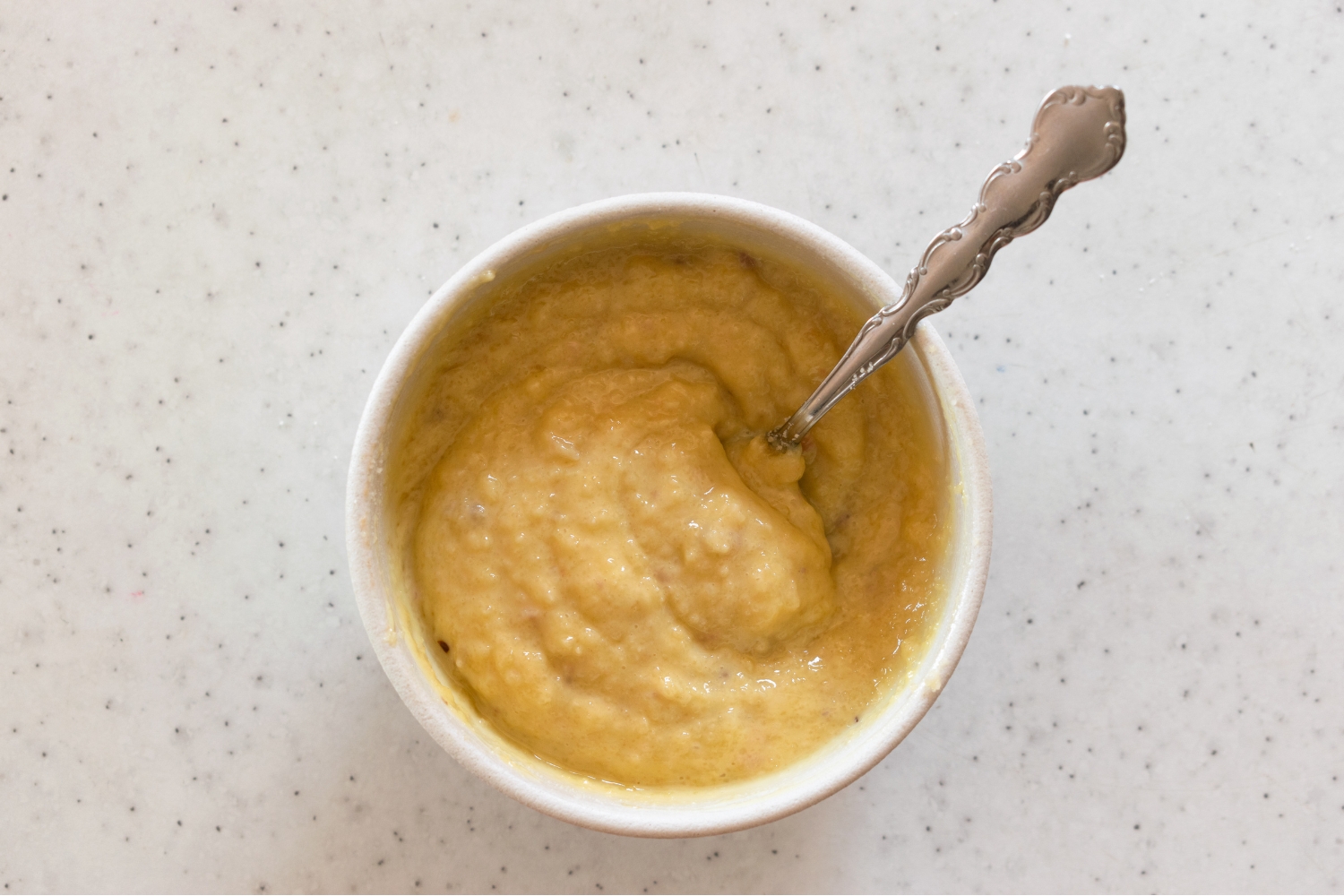
The preparation of Caesar chicken thighs is remarkably uncomplicated, yet the resulting dish is a powerhouse of flavor. The foundational step involves creating a robust and creamy Caesar dressing from scratch. This process begins with mashing garlic, anchovies, and salt into a smooth paste, establishing the savory cornerstone of the entire dish. These specific ingredients are crucial; they are responsible for the signature depth of flavor that renders Caesar chicken so undeniably irresistible. The inclusion of anchovies, often a point of apprehension for some, is fundamental to achieving the authentic umami notes that define this classic flavor profile. Research from institutions like the Harvard T.H. Chan School of Public Health consistently highlights the benefits of ingredients rich in omega-3 fatty acids, such as those found in anchovies, for cardiovascular health.
Once the savory paste is meticulously prepared, it is artfully combined with mayonnaise, Dijon mustard, freshly squeezed lemon juice, cracked black pepper, high-quality olive oil, and grated Parmesan cheese. This harmonious blend serves a dual purpose: it acts as both a potent marinade for the chicken and a flavorful finishing touch. The carefully calibrated balance of acidity from the lemon, the essential saltiness derived from the anchovies, and the luxurious richness imparted by the olive oil culminates in a perfectly rounded and exceptionally flavorful dressing. This thoughtful combination of ingredients also reflects the principles of healthy fat consumption central to the Mediterranean diet.
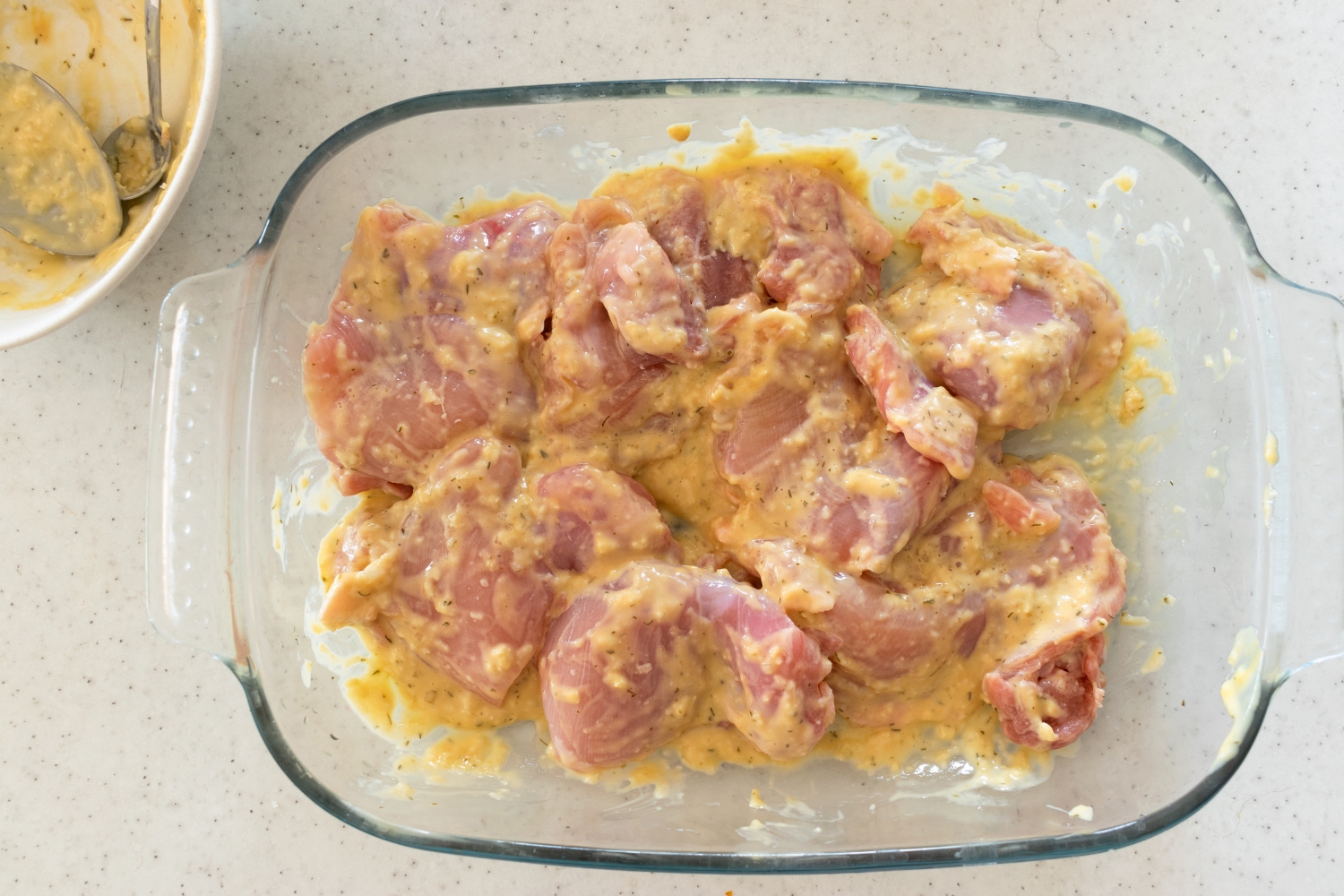
The chicken thighs are then lightly seasoned and thoroughly coated in this prepared Caesar dressing. This step is paramount for flavor infusion and ensuring the chicken remains moist during the cooking process. The recipe emphasizes allowing the chicken to marinate for a minimum of one hour. This crucial marination period is essential for allowing the robust flavors of the dressing to deeply penetrate the meat, ultimately resulting in exceptionally juicy and flavorful Caesar chicken with every preparation. Studies in food science have demonstrated that marinades, particularly those containing acidic components like lemon juice, can tenderize meat by breaking down protein structures, thus enhancing both texture and flavor absorption.
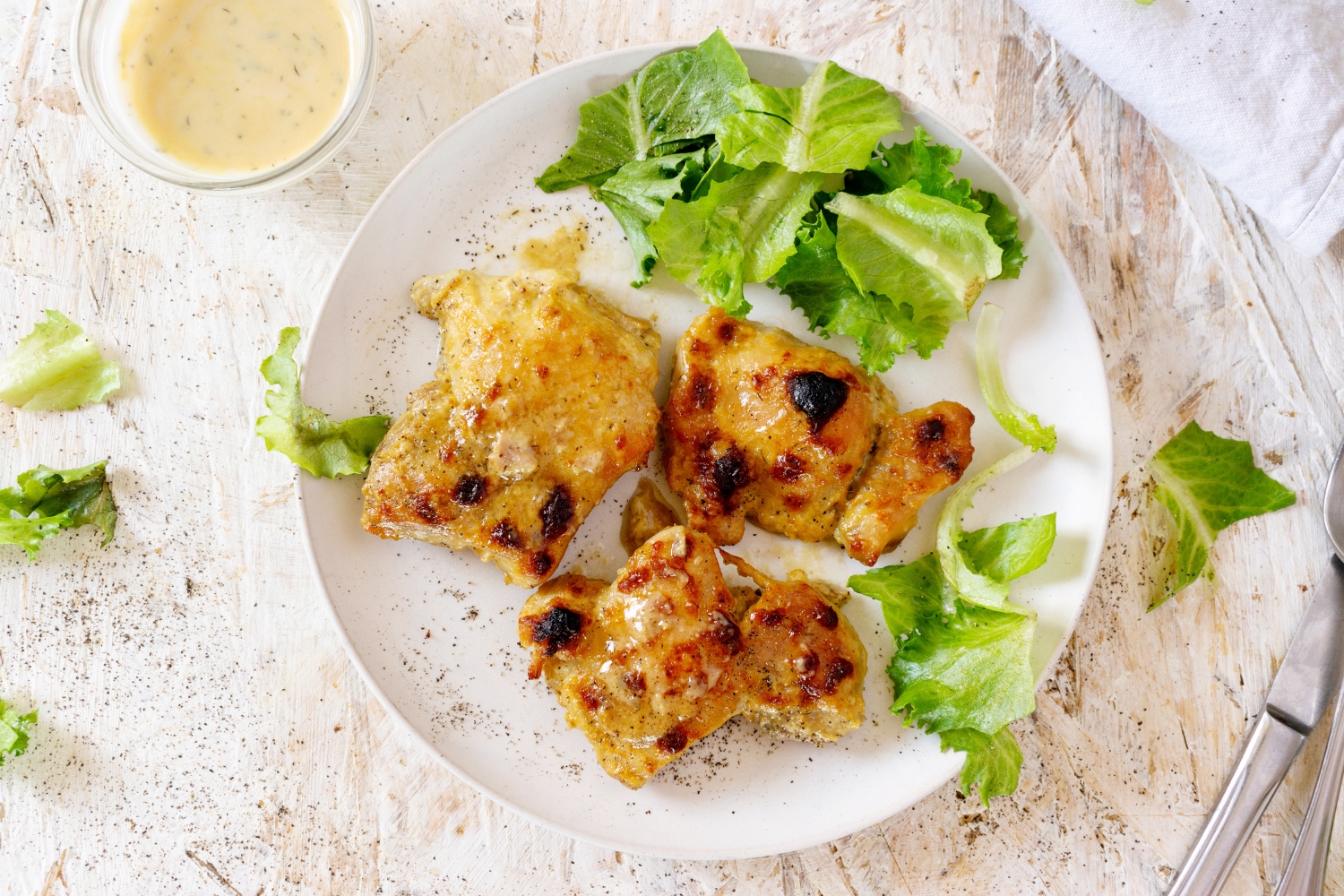
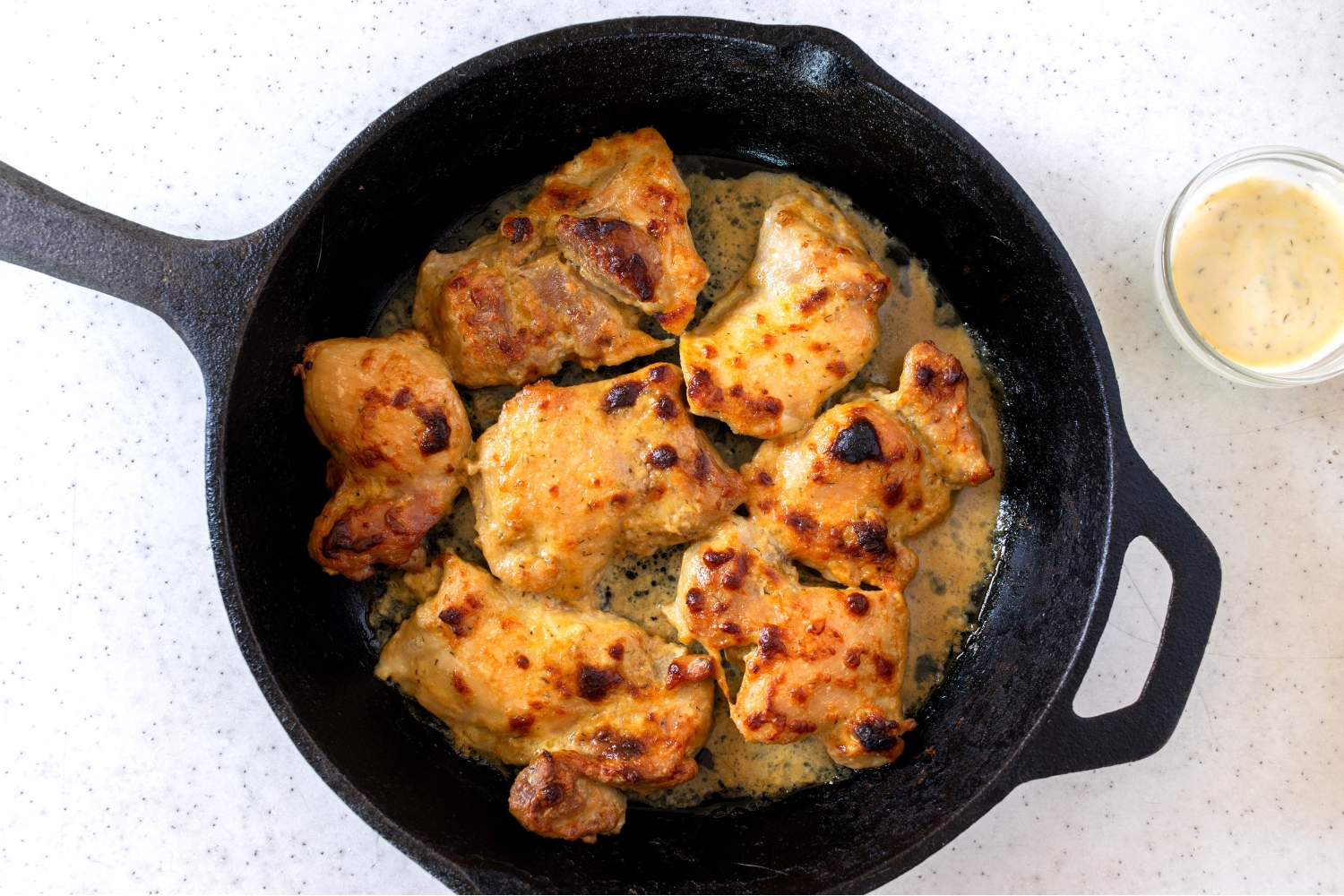
Following the marination phase, the chicken is subjected to the intense heat of a broiler. This specific cooking method is particularly well-suited for this dish because it effectively creates a subtly crisp exterior while preserving the succulent tenderness of the interior. In a remarkably brief span of 10 to 14 minutes, the Caesar chicken thighs are cooked to perfection, exhibiting a beautifully golden-brown hue. A brief resting period for the chicken after cooking is recommended; this allows the juices to redistribute throughout the meat, further enhancing its overall texture and moistness, a practice commonly observed in professional culinary settings to maximize flavor and mouthfeel.
Culinary Insights and Expert Advice
To achieve the most outstanding results with this Caesar chicken recipe, a few practical tips can significantly elevate the final dish. Foremost among these is the consistent use of high-quality extra virgin olive oil. Given its integral role within the Caesar dressing, the inherent quality and flavor of the olive oil will invariably shine through, contributing substantially to the dish’s overall taste profile. The Mediterranean diet champions the use of extra virgin olive oil as a primary source of fat, recognizing its rich content of polyphenols and monounsaturated fatty acids, which are associated with anti-inflammatory and cardioprotective effects.
Secondly, it is strongly advised not to omit the anchovies. While some home cooks may harbor reservations due to a potential perception of fishiness, the role of anchovies in this recipe is nuanced. When used in the quantities specified, they do not impart a overtly fishy taste. Instead, they contribute a profound, savory depth of flavor – a foundational element that is indispensable for authentic Caesar chicken. This umami enhancement is a well-documented characteristic of cuisines that effectively utilize fermented ingredients.
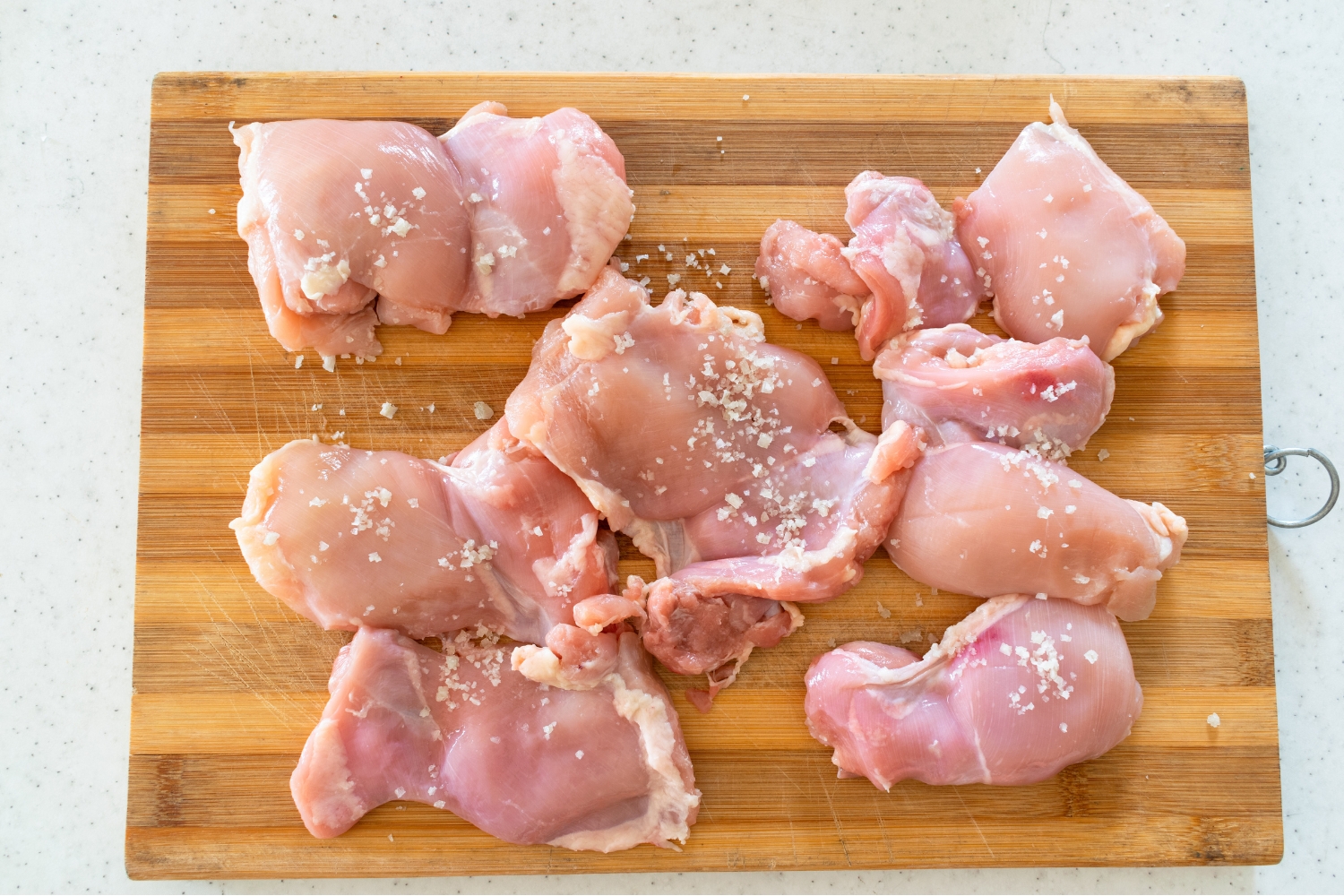
An additional beneficial technique involves patting the chicken dry with paper towels before seasoning and marinating. This preparatory step aids in better adhesion of the marinade to the chicken surface, promoting more even flavor penetration and ensuring a more consistent cooking process. During the broiling stage, it is imperative to maintain a vigilant watch over the chicken. Broilers can vary considerably in their heat intensity and cooking speed, and close monitoring will prevent overcooking and ensure the desired caramelized finish.
For those seeking to further amplify the Mediterranean diet aspects of this dish, incorporating fresh herbs such as parsley or oregano as a garnish is an excellent suggestion. These additions not only provide visual appeal but also introduce a layer of brightness and herbaceous freshness that complements the richness of the chicken. The inclusion of fresh herbs is a hallmark of Mediterranean cooking, contributing antioxidants and vital nutrients.
Harmonizing Flavors: Serving Suggestions for Caesar Chicken Thighs
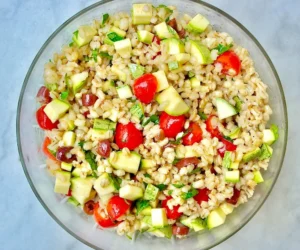
The culinary possibilities for serving Caesar chicken thighs are extensive, offering flexibility for various dining occasions. A natural and highly recommended pairing involves roasted seasonal vegetables, such as zucchini, eggplant, or bell peppers. These vegetables, when roasted, develop a sweetness and tender texture that beautifully complements the savory chicken. Alternatively, a simple quinoa or farro salad, lightly dressed with lemon and herbs, provides a satisfying textural contrast and a significant boost of whole grains and fiber, aligning perfectly with Mediterranean dietary principles. Such grain salads offer a complete protein source and complex carbohydrates, contributing to sustained energy release.
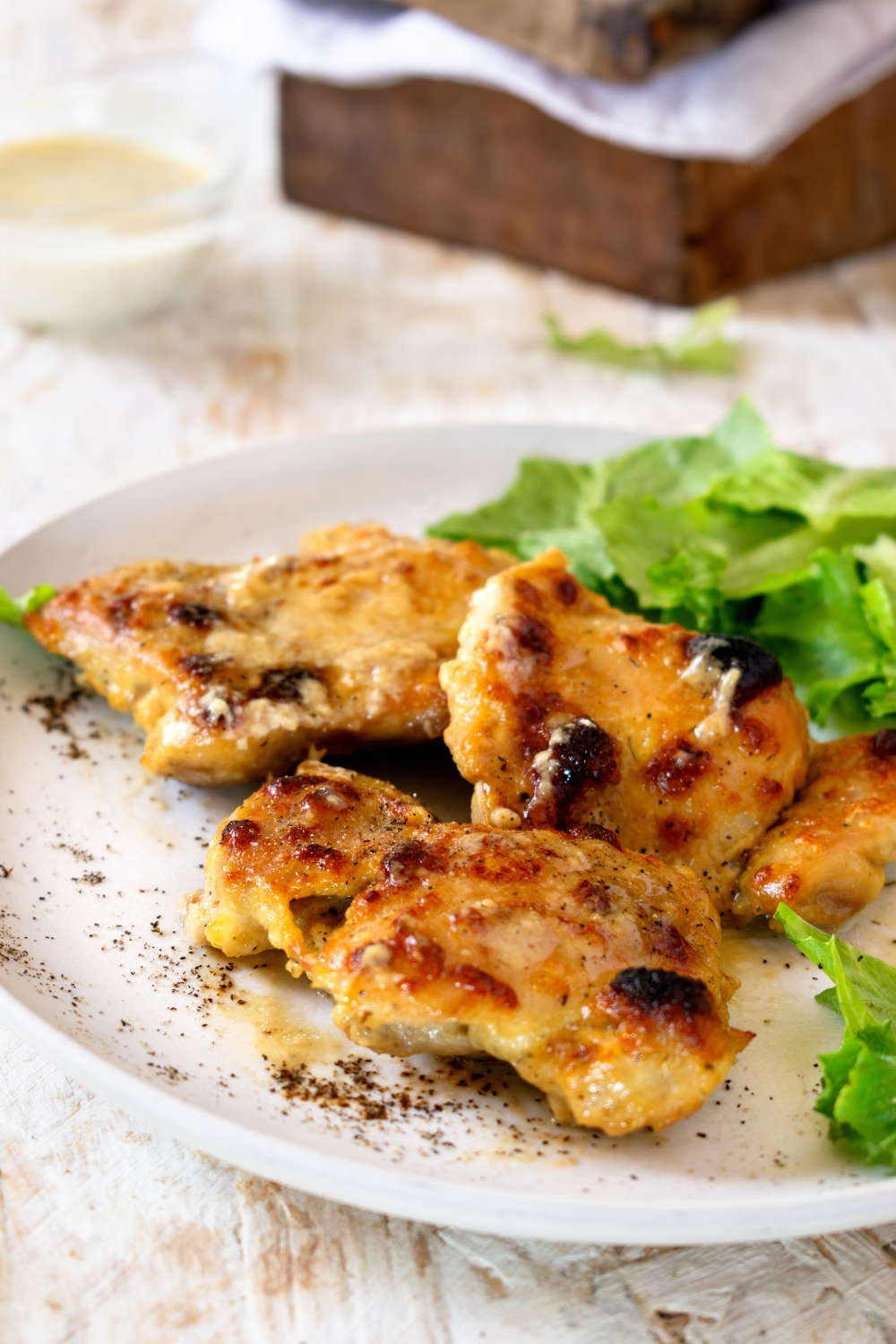
For individuals seeking a lighter meal, serving the Caesar chicken over a bed of peppery arugula or a vibrant mix of salad greens is an excellent choice. The sharp, slightly bitter notes of the greens offer a refreshing counterpoint to the creamy richness of the Caesar chicken. Another appealing option involves slicing the chicken and tucking it into warm pita bread, alongside fresh, crisp vegetables and a delicate drizzle of extra Caesar dressing, creating a portable and flavorful wrap.
A further culinary suggestion involves pairing the Caesar chicken with crusty whole grain bread, accompanied by a selection of olives or a dollop of hummus. This approach not only remains steadfastly aligned with the tenets of the Mediterranean diet but also constructs a meal that is both deeply satisfying and nutritionally well-rounded, offering a variety of healthy fats, complex carbohydrates, and micronutrients.
Culinary Longevity: Storage and Leftovers
One of the significant advantages of Caesar chicken is its remarkable capacity for storage, making it an ideal candidate for meal preparation and efficient utilization of food. Any prepared leftovers should be stored promptly in an airtight container within the refrigerator, where they will remain fresh for up to three days. It is noteworthy that the complex flavors of Caesar chicken often deepen and meld further over time, rendering leftover portions just as, if not more, delectable than when they were initially prepared. This characteristic makes it a practical choice for busy individuals and families.
When reheating, it is advisable to warm the chicken gently. This can be achieved effectively in a low-temperature oven or a skillet over low heat, techniques that are designed to prevent the chicken from drying out and preserve its tender texture. While microwaving is a convenient option, it can sometimes compromise the texture of the chicken, leading to a less desirable outcome.
The versatility of leftover Caesar chicken extends beyond simple reheating. It can be thinly sliced and incorporated into a myriad of dishes, including salads, grain bowls, or wraps, providing an effortless and flavorful component for subsequent meals. Furthermore, the chicken can be finely chopped and integrated into pasta dishes, transforming them into quick, protein-rich, and exceptionally flavorful meals, showcasing its adaptability in the kitchen.
Nutritional Framework and Health Advantages
This Caesar chicken recipe is a testament to the health-promoting aspects of the Mediterranean diet. The deliberate use of extra virgin olive oil as a primary fat source ensures a substantial intake of heart-healthy monounsaturated fats, alongside potent anti-inflammatory and antioxidant compounds. Ingredients like garlic and fresh lemon juice further contribute to this nutritional profile, offering their own well-documented health benefits.
Chicken thighs, a staple in this recipe, are an excellent source of high-quality protein, which is crucial for muscle maintenance and repair, and plays a vital role in promoting satiety, helping individuals feel fuller for longer. While used in relatively small quantities, anchovies provide a valuable contribution of omega-3 fatty acids, known for their anti-inflammatory properties, and essential minerals such as calcium and iron.
When contrasted with many traditional creamy dishes that often rely on excessive amounts of saturated fat and refined ingredients, this Caesar chicken presents a demonstrably more balanced nutritional profile. By prioritizing whole, minimally processed ingredients, the recipe successfully delivers intense flavor without recourse to unnecessary additives or excessive unhealthy fats.
The integration of dishes like this into one’s regular dietary repertoire offers a tangible means of harnessing the extensive health benefits associated with the Mediterranean diet, all while continuing to savor bold and satisfying culinary experiences. The long-term adherence to such dietary patterns has been correlated with significant reductions in chronic disease prevalence, including cardiovascular disease and type 2 diabetes, as indicated by numerous epidemiological studies and clinical trials.
Frequently Asked Questions
Can I substitute chicken breasts for thighs?
While chicken thighs are recommended for their inherent juiciness and richer flavor, chicken breasts can be used as a substitute. However, it may be necessary to adjust cooking times to prevent overcooking, as breasts are leaner and can dry out more quickly. Marinating time remains critical for flavor development in either case.
Is it possible to prepare the dressing in advance?
Absolutely. The Caesar dressing can be made up to two days ahead of time and stored in an airtight container in the refrigerator. This proactive step can significantly streamline the preparation process when you are ready to cook the chicken.
Is Caesar chicken suitable for meal preparation?
Indeed, Caesar chicken is an excellent choice for meal prep. Its ability to store and reheat well, combined with its versatility in various dishes, makes it an ideal component for preparing meals in advance for the week.
Can the chicken be grilled instead of broiled?
Grilling presents a delicious alternative to broiling. The high heat of the grill can impart a desirable smoky flavor that harmonizes exceptionally well with the tangy notes of the Caesar marinade, offering another dimension to the dish.
What are the alternatives if I dislike anchovies?
While anchovies are integral to the authentic flavor of Caesar chicken, their intensity can be modulated. Reducing the quantity or substituting with a small amount of Worcestershire sauce can provide a similar umami depth, though the flavor profile will naturally differ slightly.
In conclusion, this Caesar chicken thighs recipe stands as a prime illustration of how uncomplicated ingredients can converge to create a dish of exceptional quality and flavor. Its signature creamy, tangy marinade, coupled with an efficient cooking method, delivers bold taste with minimal effort. Rooted in the foundational principles of the Mediterranean diet, it offers a balanced and wholesome approach to a beloved classic. Whether enjoyed immediately after preparation or savored as leftovers the following day, this Caesar chicken is a remarkably versatile and deeply satisfying dish that warrants a consistent presence in any culinary repertoire, embodying both taste and well-being.