Top 5 Emerging Nutrition Trends for 2027 Revealed at the World’s Largest Food and Nutrition Conference

The evolving intersection of clinical healthcare, consumer lifestyle adjustments, and food science has once again taken center stage as nutrition experts from around the globe converge to map out the future of dietary health. Drawing insights from the annual Food and Nutrition Conference & Expo (FNCE)—organized by the Academy of Nutrition and Dietetics, the largest professional organization representing registered dietitian nutritionists in the United States—industry observers have identified five primary nutritional trends projected to dominate the landscape by 2027. With a history spanning more than two decades of observation at this premier event, industry analysts note that the modern dietary dialogue has shifted significantly away from fad aesthetics and toward holistic wellness, metabolic optimization, and systemic disease prevention.
Background Context of FNCE and the Evolving Industry
The Academy of Nutrition and Dietetics hosts FNCE annually to unite thousands of registered dietitians, clinical researchers, public health advocates, and corporate food innovators. The conference serves as a dual-purpose forum featuring rigorous academic educational sessions alongside an expansive exhibition hall. While educational tracks delve into clinical guidelines, public health policies, and emergent biochemical research, the exhibition floor acts as a commercial barometer, showcasing how food and beverage manufacturers translate clinical breakthroughs into consumer-packaged goods.

Over the past twenty years, the convention has tracked major shifts in public consciousness—transitioning from the low-fat craze of the late 1990s and early 2000s, through the high-fat and exclusionary eras of the ketogenic and Paleo diets, to the contemporary focus on personalized functional nutrition. The trajectory heading into 2027 indicates that the food industry is no longer merely selling calories or convenience, but is increasingly aligning with healthcare frameworks to address chronic illness, longevity, and targeted physiological support.
- Protein Reimagined: Beyond Muscle Building to Healthy Aging and Metabolic Support
Protein remains an dominant force in the consumer marketplace, but its marketing narrative has experienced a profound transformation. Historically, high-protein formulations were targeted narrowly at athletes, bodybuilders, or adherents of restrictive low-carbohydrate regimens. By contrast, the projection for 2027 centers protein around healthy aging, preservation of lean muscle mass, weight management, appetite regulation, and targeted support for women’s health during perimenopause and menopause.
This shift has been accelerated by two distinct cultural phenomena: the rise of "protein maxing" among wellness influencers advocating for exceptionally high daily consumption, and the widespread adoption of GLP-1 receptor agonist medications for weight loss. Because individuals utilizing GLP-1 therapies often experience a sharp reduction in appetite and overall caloric intake, maintaining adequate protein consumption is vital to prevent lean muscle loss and nutrient deficiencies.
However, clinical professionals at FNCE sounded a note of caution regarding overconsumption. While basic dietary guidelines recommend moderate protein intake, commercial trends frequently push consumption to two or three times the recommended daily allowance. Addressing this tension, several conference panels—including a prominent session titled "Protein Intake in Practice: Current Evidence, Food Applications, and Risk of Overconsumption"—emphasized that while protein is undeniably crucial for metabolic health and sarcopenia prevention, excessive intake yields diminishing returns and poses potential long-term metabolic considerations.
- Gut Health Evolves into Ubiquitous Functional Integration
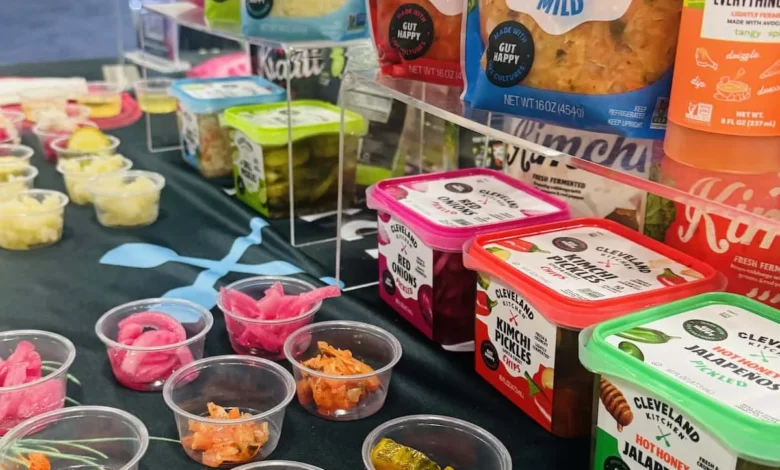
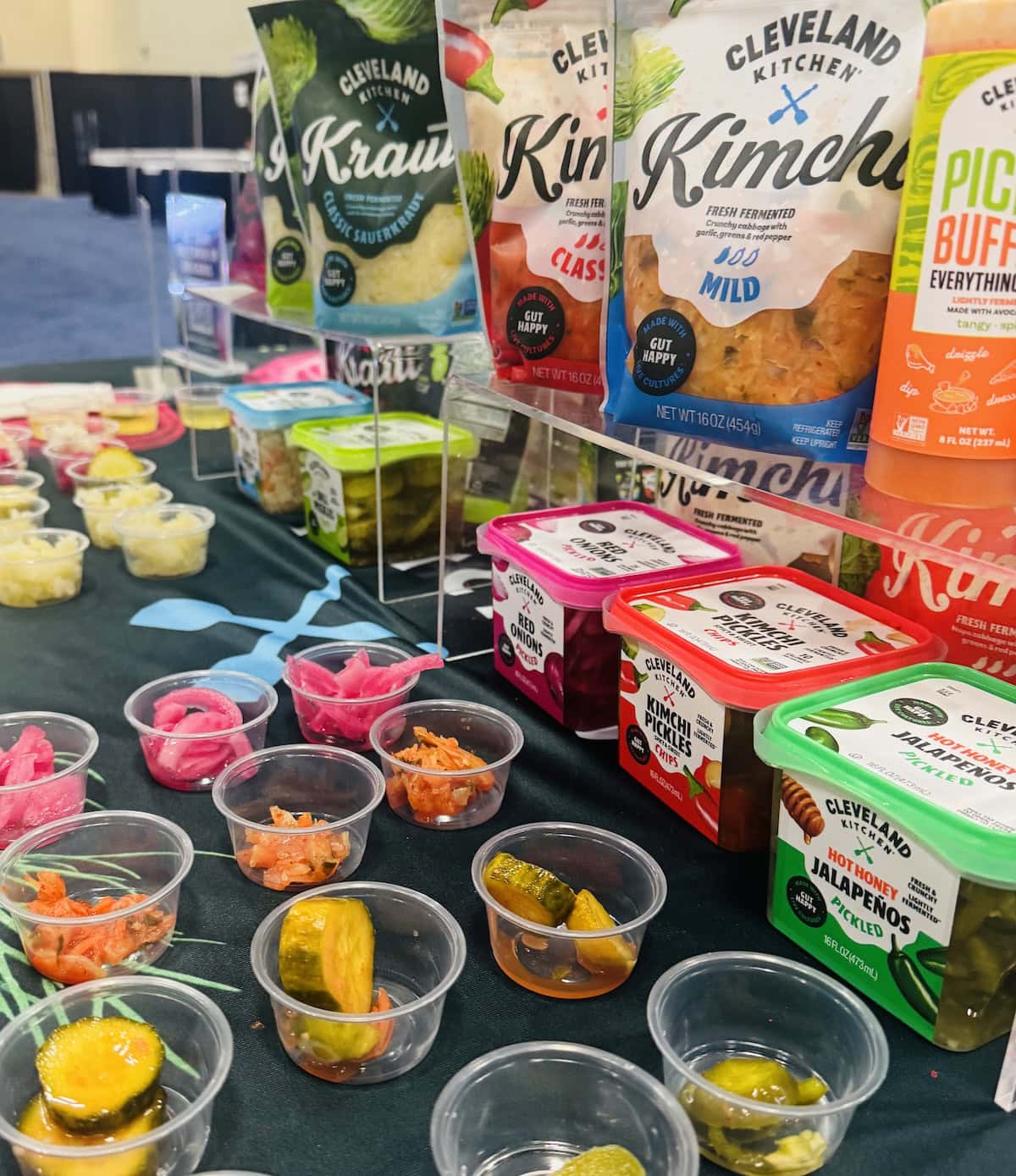
The focus on gastrointestinal microbiome health has been a fixture of nutritional science for over a decade, but its market manifestation has matured significantly. Rather than being confined to specialized probiotic supplements or niche yogurts, gut health is now being engineered into an expansive array of everyday foods, functional beverages, and convenience snacks.
At the recent exposition, product developers showcased an extensive variety of items containing prebiotics, probiotics, postbiotics, and native dietary fibers. Fermented dairy alternatives, functional sodas infused with organic acids, traditional kefir, and fiber-fortified pantry staples dominated the floor. This mainstream integration encourages a higher intake of plant diversity and dietary fiber, which epidemiological studies consistently link to enhanced immune function, reduced systemic inflammation, and improved metabolic markers.

At the same time, industry analysts point out a growing need for consumer discernment. The proliferation of marketing claims surrounding gut health means that not every processed item bearing a "probiotic" or "prebiotic" label delivers clinically meaningful concentrations of active cultures or sufficient fermentable fiber to alter the microbiome positively.
- Convenience 2.0: Hyper-Personalized Meal Delivery and Culinary Medicine
The demand for dietary convenience has graduated past basic meal-kit delivery services and ready-to-eat frozen dinners. The emerging paradigm, termed "Convenience 2.0," focuses on fully prepared meals tailored specifically to individual metabolic requirements, genetic profiles, and therapeutic medical restrictions.

Healthcare providers and food tech startups are increasingly collaborating to offer medically tailored meals (MTMs) designed to manage specific chronic pathologies such as type 2 diabetes, cardiovascular disease, and chronic kidney disease. This trend was underscored at FNCE through multiple educational sessions highlighting partnerships between registered dietitians, regional food banks, and healthcare networks.
By integrating culinary medicine—an evidence-based field that blends the art of food and cooking with the science of medicine—the industry is moving toward solutions that solve both time scarcity and chronic health burdens. Consumers no longer accept mere convenience; they demand that accessible foods actively support their unique physiological goals and medical regimens.

- Food as Medicine: Institutional Integration into Mainstream Healthcare
One of the most consequential shifts highlighted in conference discussions is the formalization of "food as medicine" within institutional healthcare systems. While clinical dietitians have long understood that whole foods are foundational to preventing and managing chronic disease, systemic healthcare models have historically treated nutrition as an ancillary consideration.
Heading toward 2027, this dynamic is changing through institutional policy changes, produce prescription programs, and clinical reimbursement models for medically tailored interventions. Healthcare systems are increasingly forging direct pathways to supply nutritious, condition-specific foods to vulnerable or chronically ill patient populations. By addressing food insecurity alongside clinical care, providers can directly impact health outcomes rather than relying solely on pharmacological interventions.

This development bridges a long-standing gap in clinical practice: instead of merely advising patients on what dietary adjustments to make, modern healthcare delivery models are increasingly equipped to provide direct access to the required nutritional resources, fundamentally altering patient care paradigms.
- Women’s Health, Hormonal Balance, and Longevity
Long neglected in mainstream clinical trials and nutritional research, women’s health has emerged as a central pillar of dietary innovation. Sessions dedicated to midlife health, reproductive biology, perimenopause, menopause, cognitive longevity, and metabolic health drew substantial attendance.

As researchers uncover how fluctuating hormonal profiles during perimenopause and menopause impact insulin sensitivity, fat distribution, bone mineral density, and muscle protein synthesis, the demand for targeted nutritional strategies has surged. This trend intersects directly with the protein and metabolic health movements, prompting brands to formulate products specifically designed to mitigate age-related muscle loss, support bone density, and stabilize metabolic fluctuations during hormonal transitions.
Commercial Innovation: Notable Products and Brands Shaping the Market

To understand how these macro-trends translate into physical goods, a survey of the FNCE exhibition floor reveals several innovative brands addressing sustainability, functional health, and nutrient density:
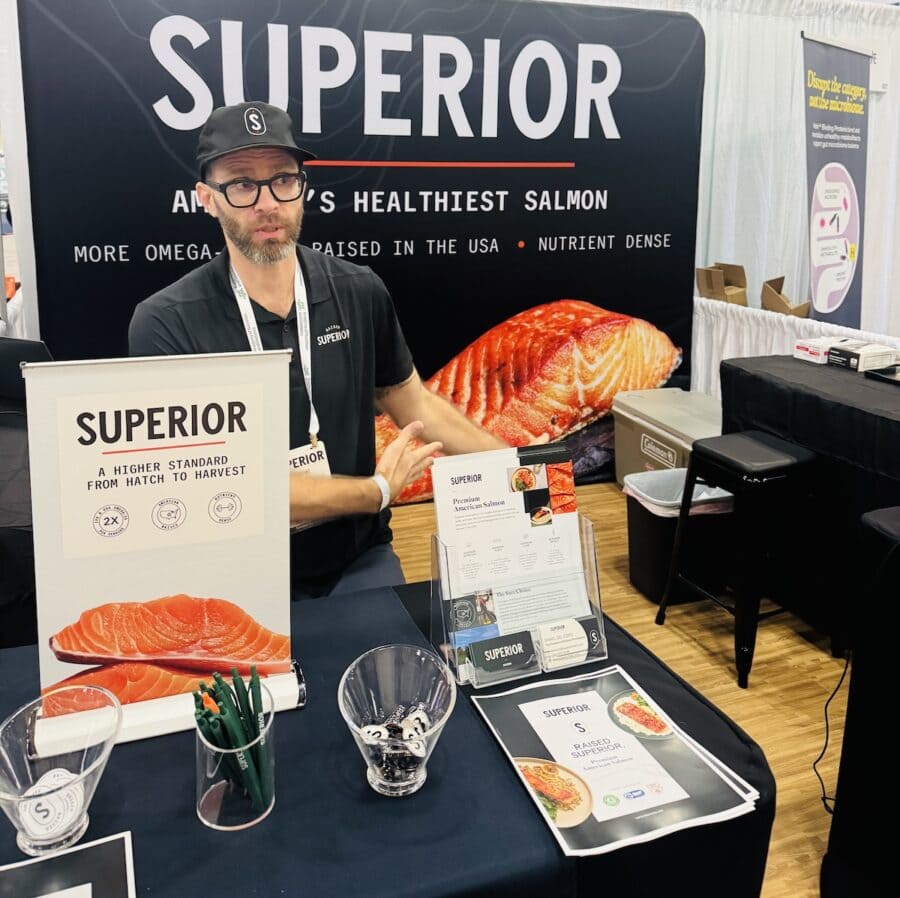
- Superior Fresh (Superior Salmon): Utilizing land-based recirculating aquaculture systems in the American Midwest, this enterprise produces Atlantic salmon with an emphasis on sustainable farming practices and high omega-3 fatty acid profiles.
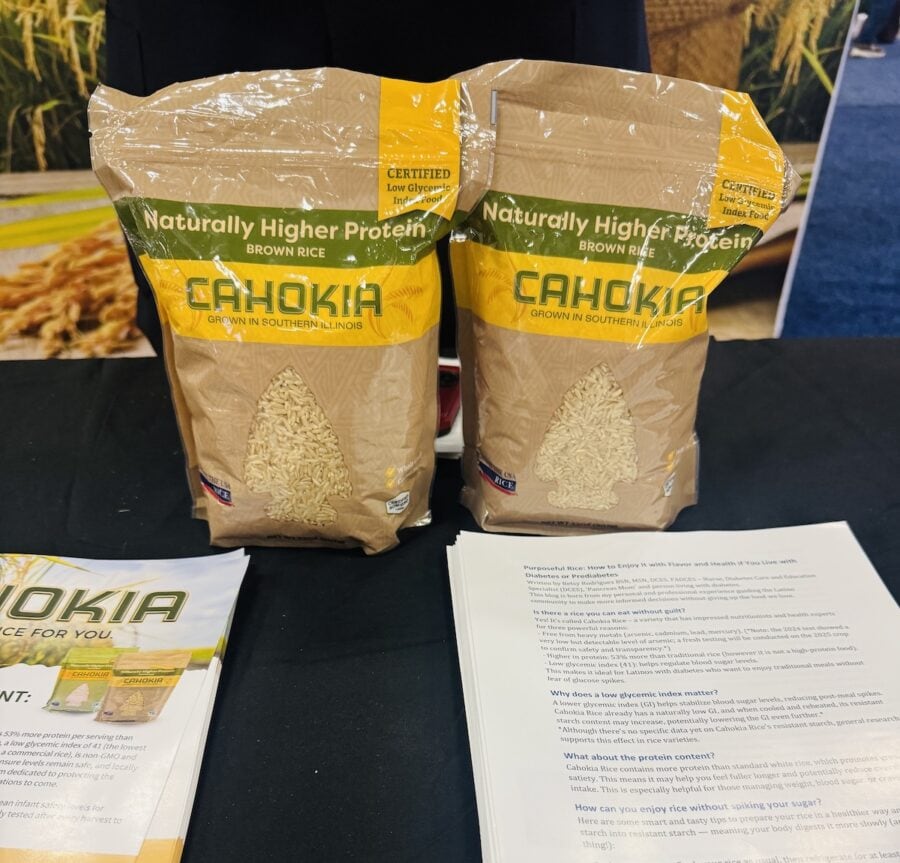
- Cahokia Rice: Cultivated on a multi-generational family farm in Illinois, this grain variant features roughly 53 percent more protein than conventional white or brown rice alongside a relatively low glycemic index.
- Redmond Real Salt: Mined from an ancient, unrefined seabed in Utah, this product provides natural trace minerals without anti-caking agents or added iodine.
- Good Idea – The Swedish Wellness Water: A functional sparkling beverage formulated with a patented blend of amino acids and chromium picolinate, clinically studied to attenuate post-prandial glycemic excursions.
- Prime Roots: A plant-based deli meat alternative utilizing mycelium (fungi-derived protein) cultivated via fermentation to produce allergen-free, nitrate-free proteins with traditional texture profiles.
- Painterland Sisters: An organic, Icelandic-style skyr dairy line featuring high protein counts per serving, whole-milk composition, live BB-12 probiotic cultures, and lactose-free varieties originating from a family-run dairy farm.
- Kalona SuperNatural: Focused on minimal processing, this brand offers organic, low-temperature vat-pasteurized, non-homogenized milk sourced from grass-fed rotational herds.
- Hero Bread: A bakery product line designed with high fiber and protein metrics paired with reduced net carbohydrates, utilizing functional ingredients like resistant wheat starch and olive oil.
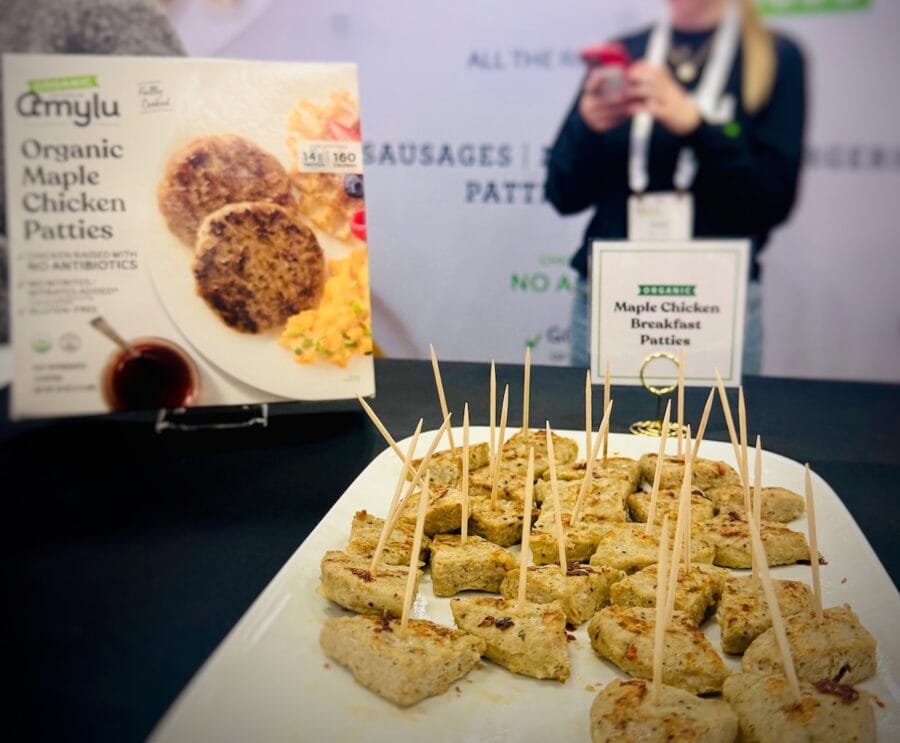
- Amylu Foods: A manufacturer providing clean-label, antibiotic-free poultry sausages and burgers free from synthetic nitrates and nitrites.
- Steak-N-Eggs (Ovation Foods): A shelf-stable, high-protein snack combining bottom-round beef strips with whole egg solids to yield substantial protein density per serving.
- Kibun Foods (Healthy Noodle): Ready-to-eat, low-calorie noodles manufactured from soybean fiber and konjac, offering a gluten-free and grain-free alternative.
- Four Sigmatic: A pioneer in functional beverages, combining conventional coffee beans with medicinal mushroom extracts such as lion’s mane, chaga, and reishi for targeted cognitive and immune support.
Implications and Future Outlook
The convergence of these five trends points toward a highly sophisticated consumer base in 2027—one that expects food products to deliver targeted physiological benefits without sacrificing culinary appeal. As the boundaries between grocery aisles and clinical clinics continue to blur, the mandate for food manufacturers, healthcare providers, and nutrition professionals will be to balance rigorous scientific validation with accessible, consumer-friendly innovations.