Kotopoulo Kokkinisto: The Cultural Heritage, Nutritional Science, and Culinary Evolution of Greece’s Classic Tomato Chicken Stew

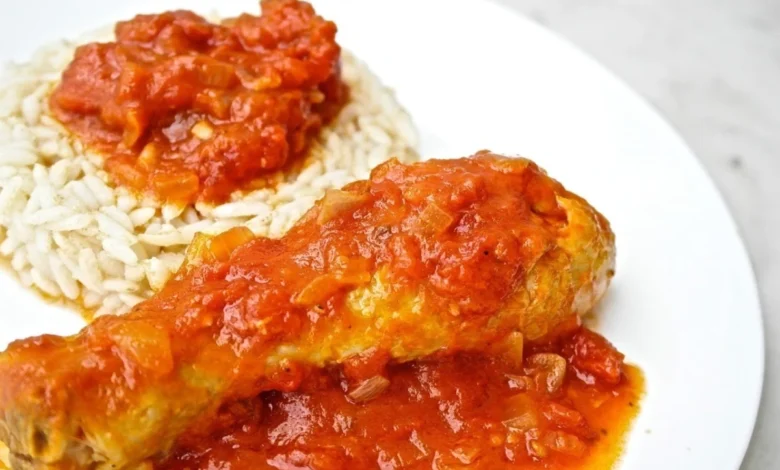
In the vast and varied landscape of Mediterranean cuisine, few dishes evoke the warmth and comforting nostalgia of Greek home cooking quite like kotopoulo kokkinisto. Translated literally as "reddened chicken," this traditional stew features tender pieces of poultry simmered slowly in a rich, aromatic tomato sauce infused with olive oil, garlic, onions, and traditional warming spices such as cinnamon and allspice. While often associated with Sunday family dinners and festive holiday gatherings across Greece, this cornerstone of Mediterranean gastronomy has increasingly captured the attention of nutritionists, culinary historians, and home cooks worldwide. Beyond its rich flavor profile and deep historical roots, modern nutritional science has begun to validate what generations of Greek grandmothers intuitively understood: that dishes like kotopoulo kokkinisto represent a near-perfect synthesis of taste, longevity-promoting ingredients, and balanced macronutrients.
The Historical and Cultural Roots of Kokkinisto Cooking
To understand kotopoulo kokkinisto, one must first examine the linguistic and culinary phenomenon of kokkinista—dishes cooked in red sauce. The term derives from the Greek word kokkino, meaning red. While tomatoes are now considered a quintessential element of Greek cuisine, their integration into the Mediterranean diet is relatively recent compared to staples like olive oil, wheat, and wine. Native to the Americas, the tomato was introduced to Europe in the 16th century and was initially grown primarily as an ornamental plant. It was not widely cultivated or embraced in Greek culinary traditions until the late 19th and early 20th centuries.
Once adopted, however, tomatoes revolutionized Greek domestic cooking. During the summer months, when gardens yielded an abundance of ripe, vine-grown tomatoes, households across rural and urban Greece utilized the cooking method known as kokkinisto to preserve and elevate seasonal produce. Almost every summer vegetable—including green beans (fasolakia), okra (bamies), eggplants (melitzanes), and zucchini—found its way into a bubbling pot of tomato sauce and olive oil, a category of dishes broadly known as ladera (oil-based dishes).
When applied to proteins, particularly meats such as chicken, beef, rabbit, and pork, the kokkinisto method transformed modest cuts into tender, deeply flavorful meals. Historically, poultry was a precious commodity in rural Greek society. Unlike modern industrial farming, traditional farming households raised free-range chickens primarily for egg production, reserving meat consumption for Sundays, name days, religious feasts, and honored guests. Preparing kotopoulo kokkinisto was therefore an act of hospitality and celebration. The chicken—often tough if it was an older bird past its laying prime—was rendered meltingly tender through a slow braising process, absorbing the concentrated sweetness of stewed tomatoes and the earthy depth of regional spices.
Nutritional Science and the Mediterranean Diet Paradigm
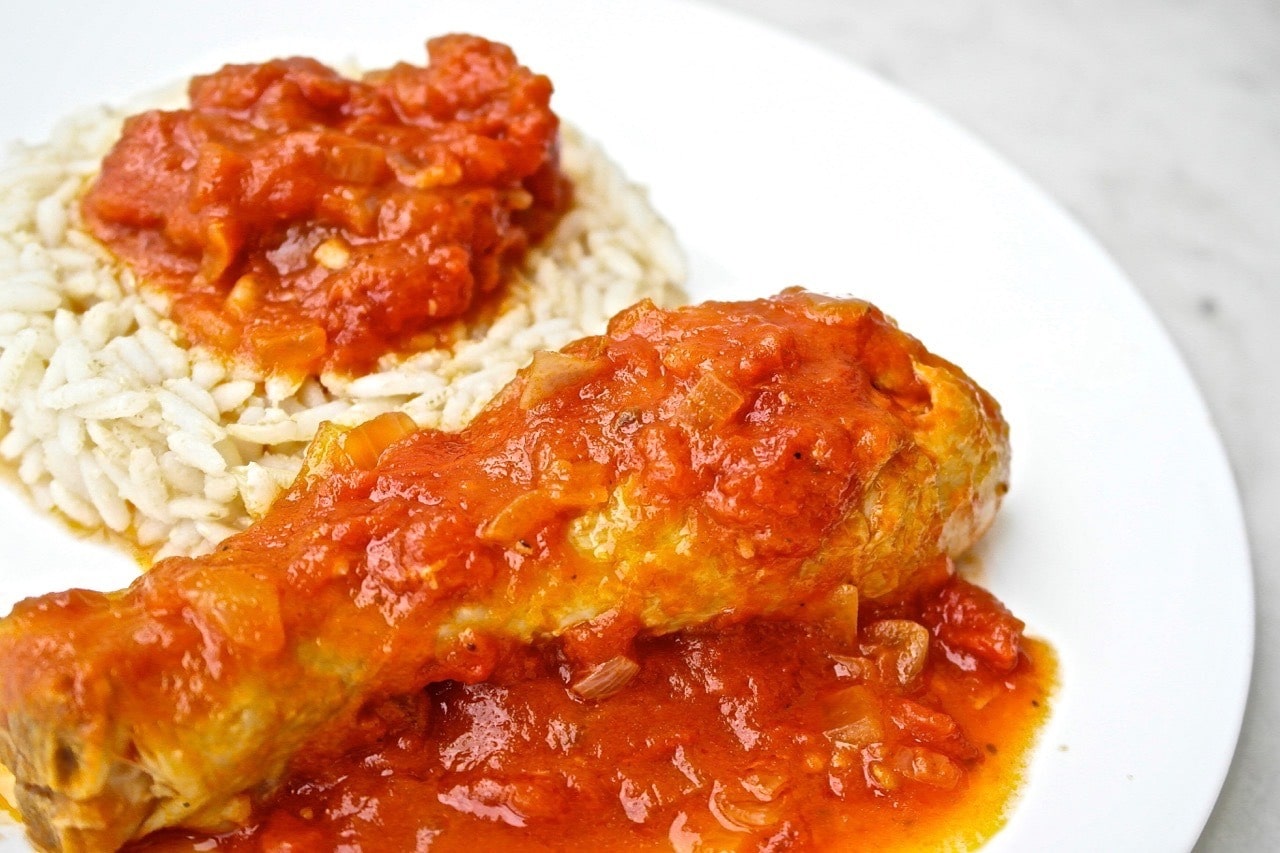
In recent decades, nutritional epidemiologists and public health researchers have intensively studied the traditional Greek diet, identifying it as a benchmark for cardiovascular health and overall longevity. Kotopoulo kokkinisto serves as a textbook example of why the Mediterranean dietary pattern is so effective, combining lean protein, heart-healthy monounsaturated fats, and potent phytochemicals.
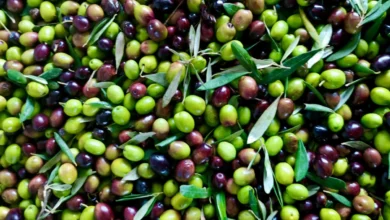
According to culinary nutrition experts, the health benefits of this classic dish extend far beyond its moderate calorie count and high protein density. A standard serving of kotopoulo kokkinisto, when paired with whole grains or starches and prepared according to traditional proportions, contains approximately 435 calories. Crucially, the lipid profile of the dish is heavily dominated by extra virgin olive oil, which supplies beneficial monounsaturated fatty acids.
Furthermore, culinary science highlights a profound synergistic effect that occurs when tomatoes are cooked in the presence of olive oil. Lycopene, a carotenoid pigment responsible for the bright red color of tomatoes, is a powerful antioxidant associated with a reduced risk of various chronic conditions, including cardiovascular disease and certain forms of cancer. Lycopene is fat-soluble, meaning that its bioavailability—the proportion of the nutrient that is absorbed into the bloodstream—is significantly enhanced when consumed alongside dietary fats. The combination of stewed tomatoes and extra virgin olive oil in kotopoulo kokkinisto maximizes the human body’s ability to absorb this vital antioxidant.
In addition to lycopene enhancement, the thermal processing of tomatoes does not entirely destroy their vitamin C content. While some water-soluble vitamins degrade under heat, the remaining vitamin C plays a critical functional role in iron absorption. Meat, particularly poultry and red meat, provides heme iron, which is readily absorbed by the human body; however, the presence of organic acids and residual vitamin C from the cooked tomatoes further facilitates the uptake of non-heme iron from accompanying plant-based ingredients, such as whole grains or legumes.
Culinary Variations and Regional Adaptations
While the foundational elements of kotopoulo kokkinisto—chicken, tomatoes, olive oil, and aromatics—remain constant, the dish features numerous regional and familial variations across Greece. These adaptations reflect local agricultural yields, historical trade connections, and personal preferences.
In the Ionian Islands, influenced by centuries of Venetian rule, cooks frequently incorporate sweet red wine, cinnamon, and cloves into the tomato sauce, imparting a rich, aromatic complexity reminiscent of pastitsio or moussaka. In contrast, rustic mountain villages in the Peloponnese and Epirus might utilize dried wild herbs such as oregano, thyme, and bay leaves gathered from local hillsides, alongside homemade tomato paste (saltsa) sun-dried on wooden racks.
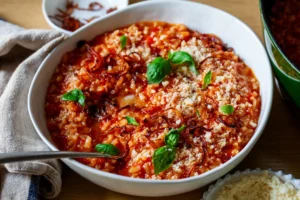
The choice of starch accompanying the chicken also varies widely. While urban households in Athens and Thessaloniki often serve the stew over long-grain rice, pasta (such as thick bucatini or hilopites, traditional square egg noodles), or fried potatoes, rural traditions frequently pair the dish with hearty sourdough bread designed to soak up the savory sauce (papara). Health-conscious modern adaptations, advocated by clinical dietitians and nutritionists, frequently substitute refined white rice or pasta with whole-grain alternatives like brown rice, farro, or bulgur, increasing dietary fiber intake without compromising the authentic flavor profile.
Preparation Methodology and Standardized Timeline
Preparing traditional kotopoulo kokkinisto requires patience rather than complex culinary techniques, relying on a deliberate timeline to build layers of flavor.
- Preparation Phase (10 Minutes): The process begins with portioning and seasoning the chicken pieces with salt, freshly cracked black pepper, and occasionally a splash of red wine vinegar. Aromatics—typically finely diced yellow onions and minced garlic—are prepared alongside fresh or canned crushed tomatoes and tomato paste.
- Searing and Building the Base (15 Minutes): In a heavy-bottomed Dutch oven or deep skillet, extra virgin olive oil is heated over medium heat. The chicken pieces are seared until golden brown on all sides, a step that develops the Maillard reaction, yielding a deeper, more savory flavor profile. The chicken is temporarily removed from the pan, and the onions and garlic are sautéed until translucent. Tomato paste is often bloomed in the oil at this stage to eliminate its raw acidity.
- Simmering and Braising (45 to 50 Minutes): The chicken is returned to the pot and thoroughly coated with the aromatics. Crushed tomatoes, a small amount of water or stock, and spices (such as a cinnamon stick, a pinch of allspice, and bay leaves) are introduced. The heat is reduced to a gentle simmer, the pot is covered, and the mixture is left undisturbed for nearly an hour. During this time, collagen within the chicken joints breaks down, yielding tender meat and a thick, glossy sauce.
- Final Assembly and Resting (10 Minutes): Before serving, the sauce is adjusted for seasoning, and whole spices like the cinnamon stick and bay leaves are removed. Allowing the stew to rest off the heat for a few minutes allows the flavors to meld completely before plating.
Socioeconomic and Public Health Implications
The enduring popularity of kotopoulo kokkinisto in contemporary Mediterranean households underscores a broader cultural shift toward home-prepared, nutrient-dense meals in an era dominated by ultra-processed convenience foods. Public health initiatives across Southern Europe frequently emphasize traditional recipes like kokkinista as practical tools for combating diet-related chronic illnesses. By utilizing inexpensive, whole ingredients—whole chickens, canned or fresh tomatoes, onions, olive oil, and pantry spices—households can produce high-yield, economically efficient meals that adhere to established dietary guidelines for cardiovascular wellness.
Furthermore, culinary historians view dishes like kotopoulo kokkinisto as cultural touchstones that preserve agricultural heritage and culinary literacy. As modern lifestyles accelerate, the deliberate, unhurried pace of braising a Sunday chicken stew serves as a reminder of the social and psychological benefits of shared meals. Whether prepared in a 19th-century village stone kitchen or a contemporary urban apartment, kotopoulo kokkinisto remains a testament to the enduring capacity of simple, honest ingredients to nourish both body and community.