The humble bean, long considered a cornerstone of Mediterranean culinary tradition, is currently experiencing a resurgence in popularity as home cooks and health experts alike seek affordable, nutrient-dense, and sustainable protein alternatives. As global food prices fluctuate and consumers pivot toward plant-forward diets, legumes—including chickpeas, cannellini beans, butter beans, and black-eyed peas—have moved from the back of the pantry to the center of the dinner table. This shift is not merely a trend; it is supported by extensive clinical research regarding the health benefits of the Mediterranean diet, which consistently emphasizes the consumption of pulses to lower cholesterol, stabilize blood glucose levels, and improve overall cardiovascular health.
The Historical and Nutritional Significance of Legumes
Legumes have been a staple of the Mediterranean diet for millennia, dating back to the Neolithic Revolution. Cultures across the Levant, North Africa, and Southern Europe have historically utilized dried beans as a primary source of sustenance during lean months due to their shelf stability and caloric density. Nutritionally, beans are a powerhouse of dietary fiber, complex carbohydrates, and plant-based protein. According to data from the American Heart Association, incorporating legumes into one’s weekly diet can significantly reduce the risk of heart disease. Furthermore, the high fiber content promotes gut health, a focal point of modern nutritional science.
The versatility of the bean is what makes it a "superfood" in the modern kitchen. Whether utilized in a cold salad for a quick lunch or slow-cooked in a robust stew, they adapt to a vast array of flavor profiles. From the creamy textures of Italian white beans to the earthy, robust nature of chickpeas favored in North African cuisine, these ingredients offer a cost-effective solution to the rising cost of animal proteins.
The Great Debate: Dried versus Canned Varieties
For the home cook, the decision between dried and canned beans often hinges on a trade-off between time and texture. Dried beans, while requiring a commitment to soaking and longer cooking times, offer superior control over flavor infusion and final texture. Culinary experts often note that dried beans maintain a firmer structural integrity, which is essential for specific applications like traditional hummus or the structured bite required in falafel.
Conversely, canned beans have become an essential convenience item for the modern, time-pressed consumer. Modern canning techniques have improved significantly, with many brands now offering organic, no-salt-added, or low-sodium options that mitigate previous concerns regarding high sodium levels in processed foods. Nutritionists suggest that rinsing canned beans thoroughly under cold water can further reduce sodium content by up to 40 percent. Regardless of the form, the conversion ratio remains a helpful standard for home meal prep: one pound of dried beans typically yields approximately six cups of cooked product, roughly equivalent to four standard 15-ounce cans.
Culinary Applications: A Shift Toward Plant-Forward Dinners
The current culinary landscape is characterized by a "bean-first" approach to meal planning. Recent recipe trends demonstrate that beans are being elevated from mere side dishes to the primary protein source in balanced, sophisticated meals.
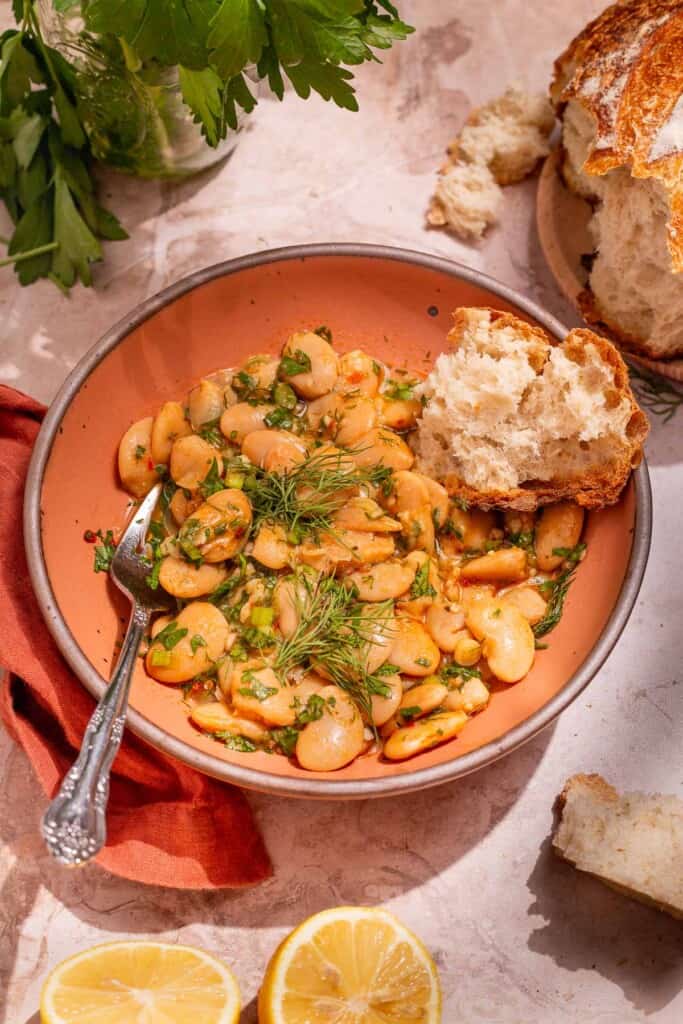
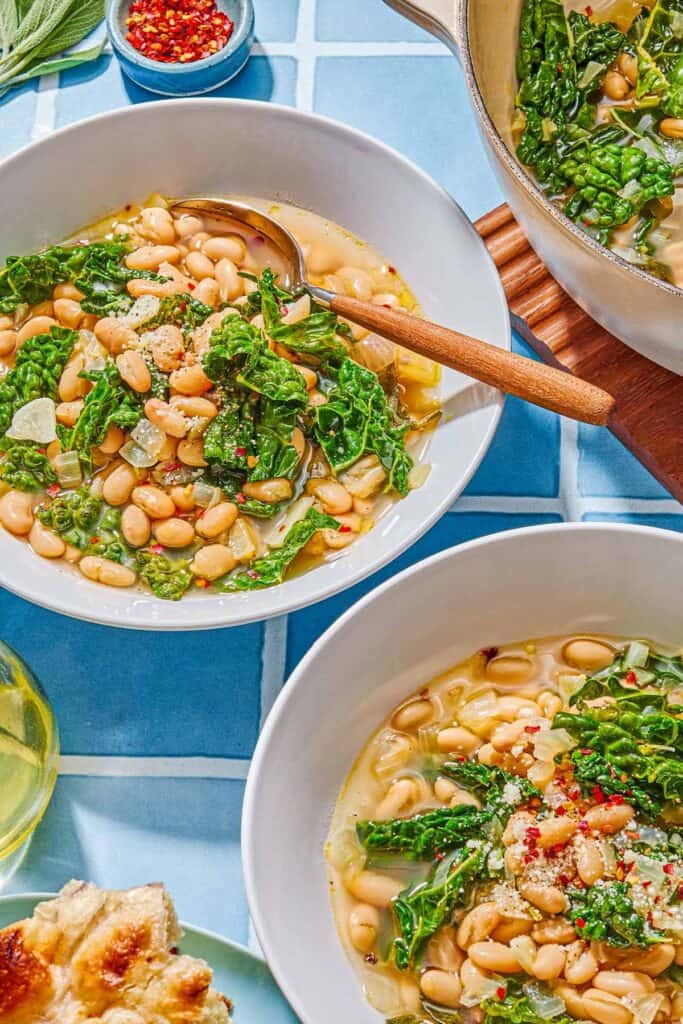
One primary example is the transformation of the butter bean. Often maligned as the "boring" lima bean, modern preparation methods involving gentle simmering in aromatic broths—infused with fresh lemon, garlic, and high-quality extra virgin olive oil—have rendered them a centerpiece for quick, 15-minute dinners. Similarly, Tuscan-style beans and greens, a rustic staple, are now frequently cited by nutritionists as a gold-standard meal for its perfect balance of dark, leafy greens and protein-rich cannellini beans.
Innovative One-Pan Solutions
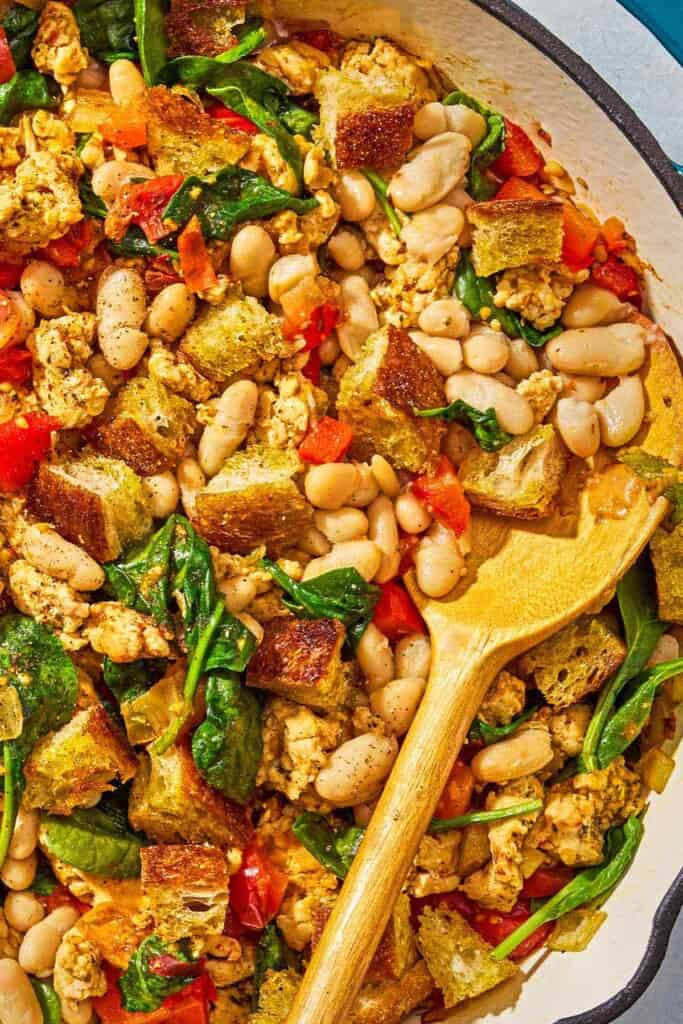
The rise of the "one-skillet" meal has further incentivized the use of beans. The Turkey and White Bean Skillet, for instance, reflects the industry trend of mixing lean ground meats with plant-based proteins. By combining ground turkey with cannellini beans, roasted peppers, and fresh herbs like thyme and oregano, home cooks can create a nutritionally complete meal that is rich in iron, zinc, and fiber. The inclusion of ingredients such as Aleppo pepper or red wine vinegar adds layers of complexity, ensuring that the dish feels gourmet despite its pantry-staple origins.
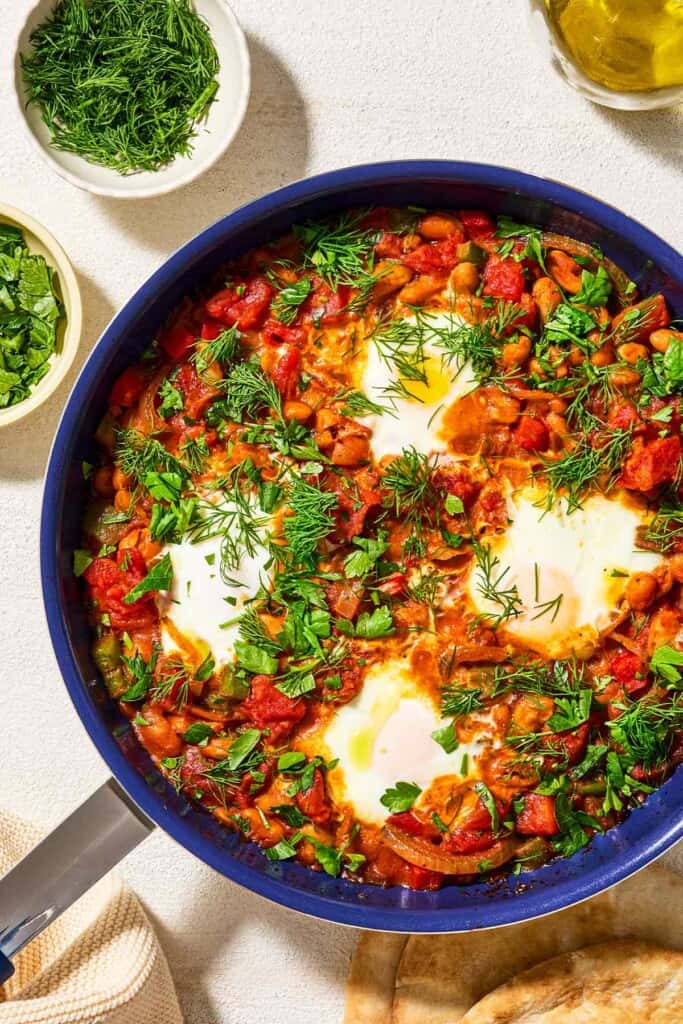
Another significant development in modern home cooking is the adaptation of classic egg-based dishes to include legumes. White Bean Shakshuka is a prime example of this evolution. By incorporating beans into the traditional spiced tomato and bell pepper base, the dish is given increased structural substance, making it a viable option for a hearty dinner rather than just a breakfast item. The protein profile of the meal is enhanced by the combination of the beans and the poached eggs, creating a dish that is both satiating and heart-healthy.
The Role of Legumes in Global Culinary Integration
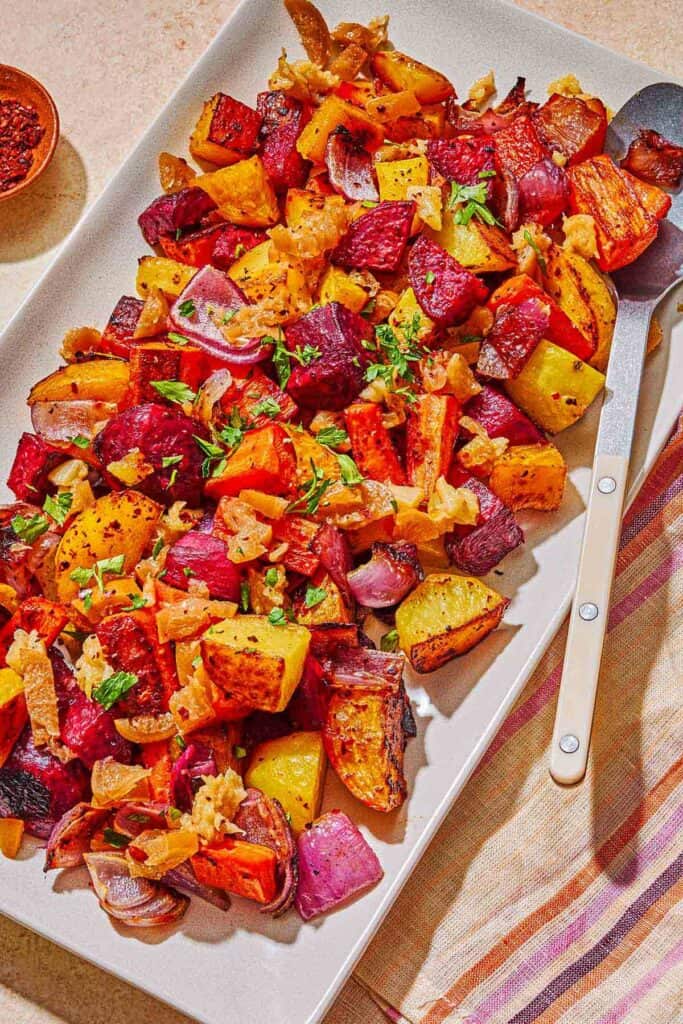
The integration of global flavors into standard home recipes is another major driver of the legume’s popularity. The Turkish Vegetable Casserole with Chickpeas illustrates how root vegetables—such as beets, carrots, and cauliflower—can be transformed through roasting to bring out natural sugars, which are then balanced by the savory, firm texture of chickpeas. This dish, which requires minimal active labor but long oven time, highlights the importance of "low-effort, high-reward" cooking that has become popular in the post-pandemic era.
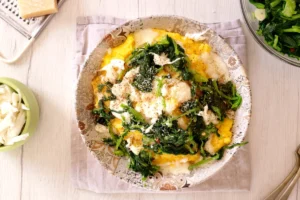
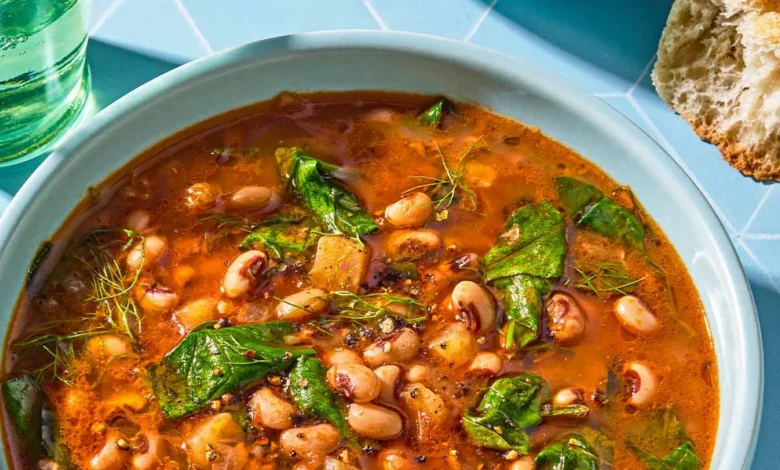
Furthermore, soup remains the most traditional way to consume beans, though modern iterations focus on brighter, fresher profiles. The Garlicky Chickpea Spinach Soup, for example, combines the smoky, warm flavors of cumin and coriander with the bright acidity of lemon and the sharpness of Pecorino Romano cheese. This layering of flavors demonstrates a move away from the heavy, cream-based soups of the past toward lighter, more vibrant, and nutritionally dense alternatives.
Implications for Future Consumption
The continued focus on bean-based recipes has broad implications for both public health and environmental sustainability. From an environmental standpoint, legumes are nitrogen-fixing crops, meaning they improve soil health and require significantly less water and land compared to livestock. As agricultural organizations and climate scientists urge a transition toward more sustainable food systems, the humble bean is uniquely positioned to lead this change.
Market analysis indicates that the demand for canned and dry pulses is expected to grow steadily over the next decade. Major food retailers are responding by expanding their inventories of heirloom bean varieties and increasing the shelf space dedicated to plant-based proteins. This shift suggests that the "bean renaissance" is not merely a passing phase but a fundamental correction in how society approaches daily nutrition.
Conclusion
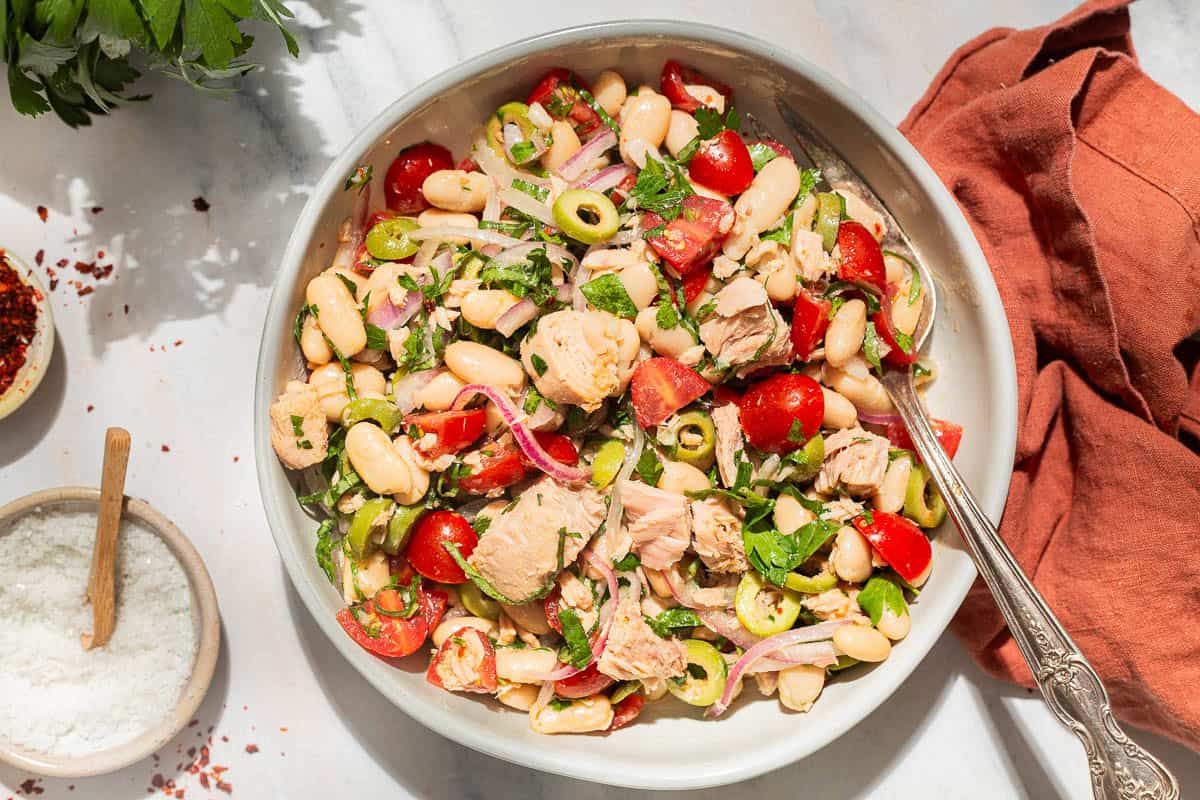
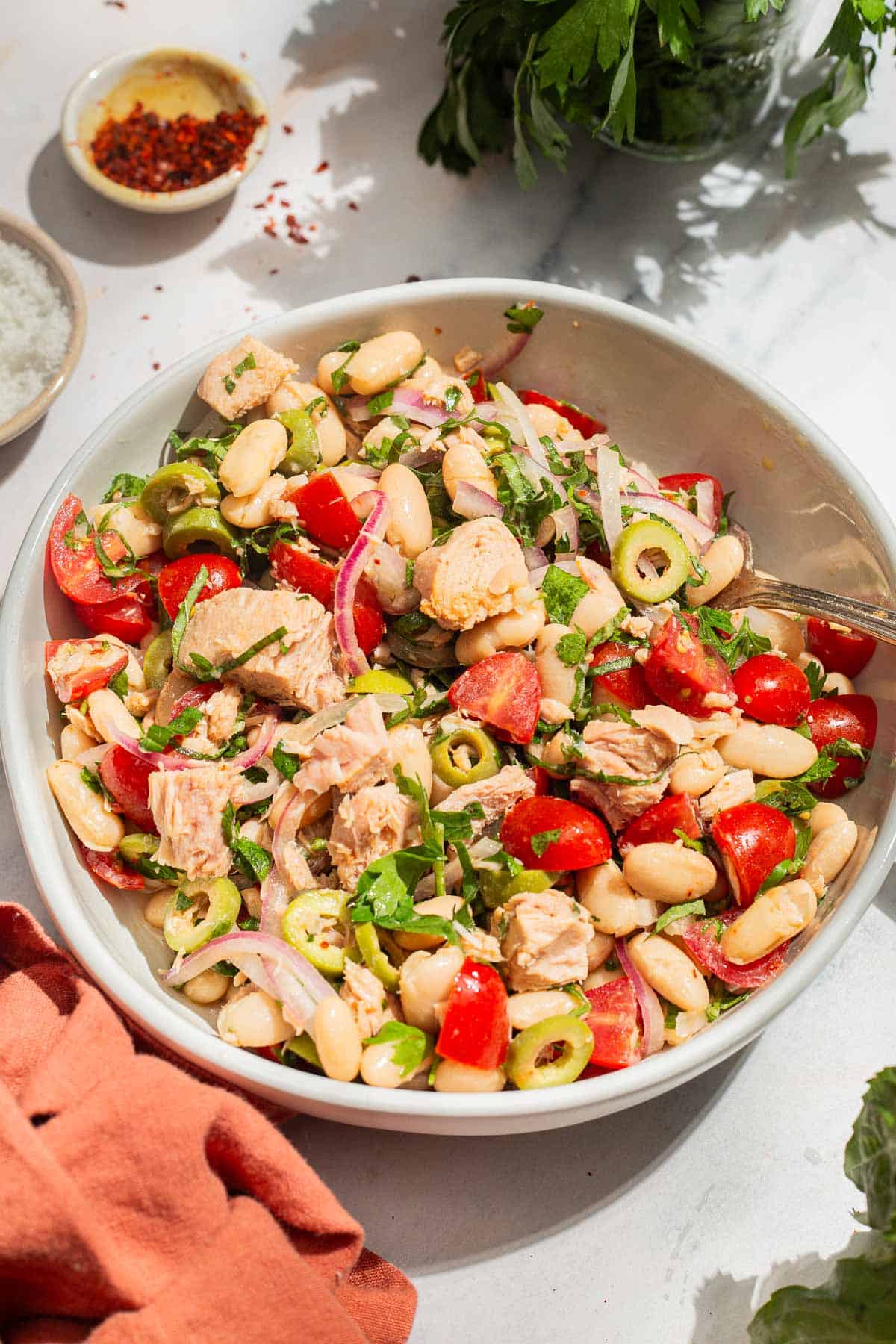
The resurgence of bean-based cooking serves as a reminder that the most effective solutions to modern dietary challenges are often those that have been practiced for generations. By embracing the versatility, nutritional density, and affordability of legumes, consumers can improve their health outcomes while reducing their environmental footprint. Whether it is a fifteen-minute tuna and white bean salad for a fast-paced work week or a slow-roasted vegetable casserole for a family gathering, these recipes provide a scalable, sustainable, and delicious framework for the future of home cooking. As the culinary world continues to prioritize wellness and efficiency, the bean will undoubtedly remain at the forefront of the modern, health-conscious pantry.