The Essential Guide to Crafting Traditional Crisp Gingerbread Cookies for the Holiday Season


The arrival of the winter holiday season marks a significant period for home baking, with gingerbread cookies serving as a cornerstone of traditional culinary celebrations. Modern culinary analysis of holiday baking trends indicates that demand for shelf-stable, structurally sound cookie recipes rises by approximately 40 percent between November and December. This guide examines the technical specifications of an egg-free, high-ginger content gingerbread recipe designed to maintain its shape during the baking process while providing the specific textural characteristics favored by professional pastry chefs and home bakers alike.

Technical Composition and Culinary Science
The fundamental integrity of a gingerbread cutout relies heavily on the interaction between its leavening agents and protein structures. Unlike drop cookies or softer gingerbread varieties, which often utilize eggs to create an open, cake-like crumb, this specific formulation omits eggs entirely. The removal of eggs from the dough matrix serves a distinct purpose: it limits moisture-induced expansion and structural lift.
In traditional baking, eggs provide both protein for structure and moisture for tenderness. By excluding them, the dough achieves a significantly lower water activity level, which is essential for the desired "snap" or crispness. The structural backbone of this recipe is instead provided by a high concentration of ginger—which acts as a flavor anchor—and a calculated amount of baking soda. While many recipes use baking soda to induce a significant rise, this formula utilizes only a minimal amount. Comparative analysis shows that this dough contains approximately one-fourth the leavening agent found in standard gingersnap recipes. This reduction ensures the cookies remain flat and uniform, an essential requirement for maintaining intricate shapes, such as gingerbread men or holiday ornaments, during the thermal expansion that occurs in a conventional oven.

Chronology and Preparation Workflow
The production cycle for these cookies is optimized for efficiency, requiring approximately one hour and 55 minutes from inception to completion. The process is divided into distinct phases: preparation, resting, rolling, and thermal processing.
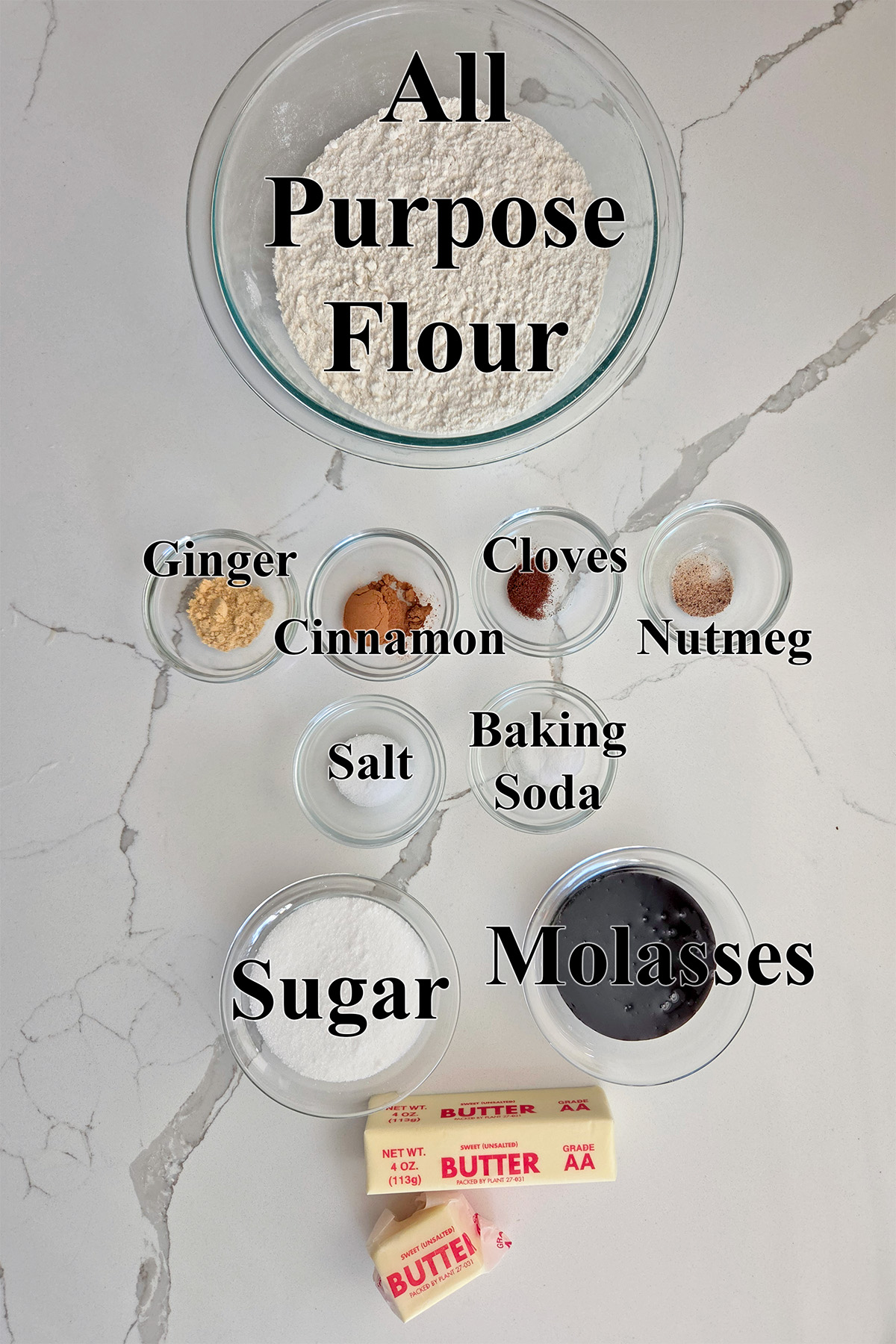
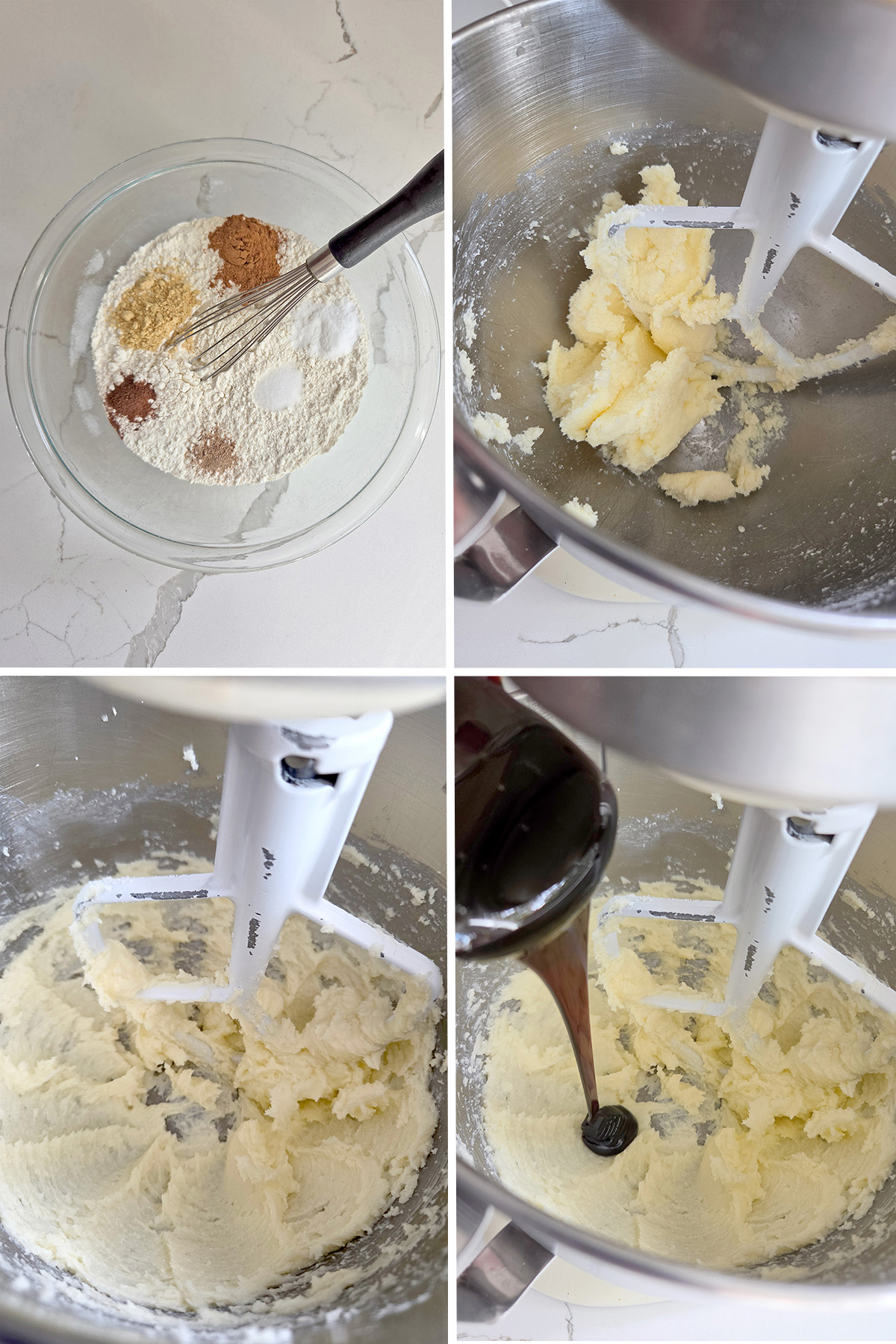
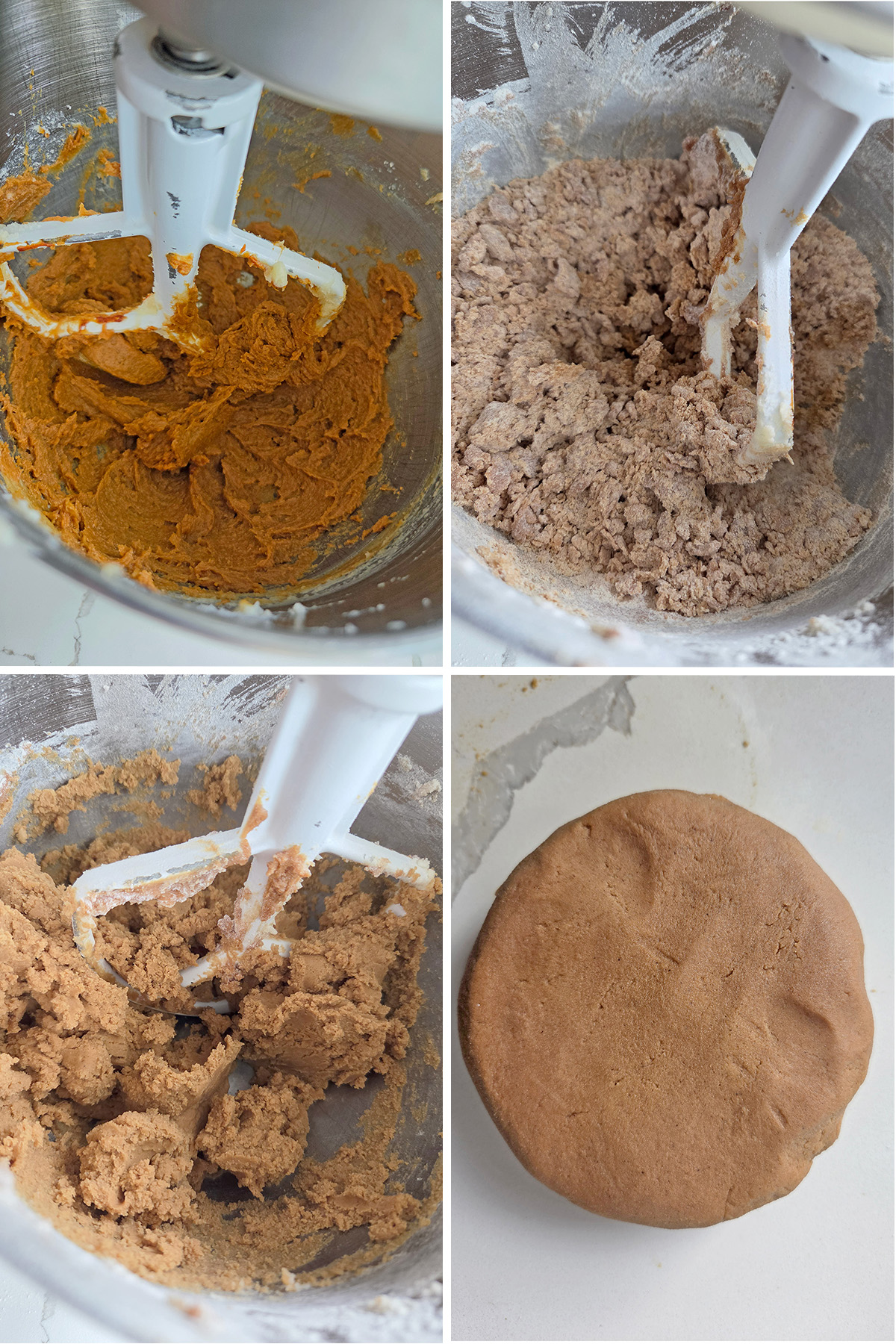
- Preparation (45 Minutes): This stage involves the aeration of fats and sugars, followed by the incorporation of molasses and dry ingredients. The creaming method is recommended to ensure even distribution of the molasses, which provides the rich, deep color and caramelized undertone characteristic of high-quality gingerbread.
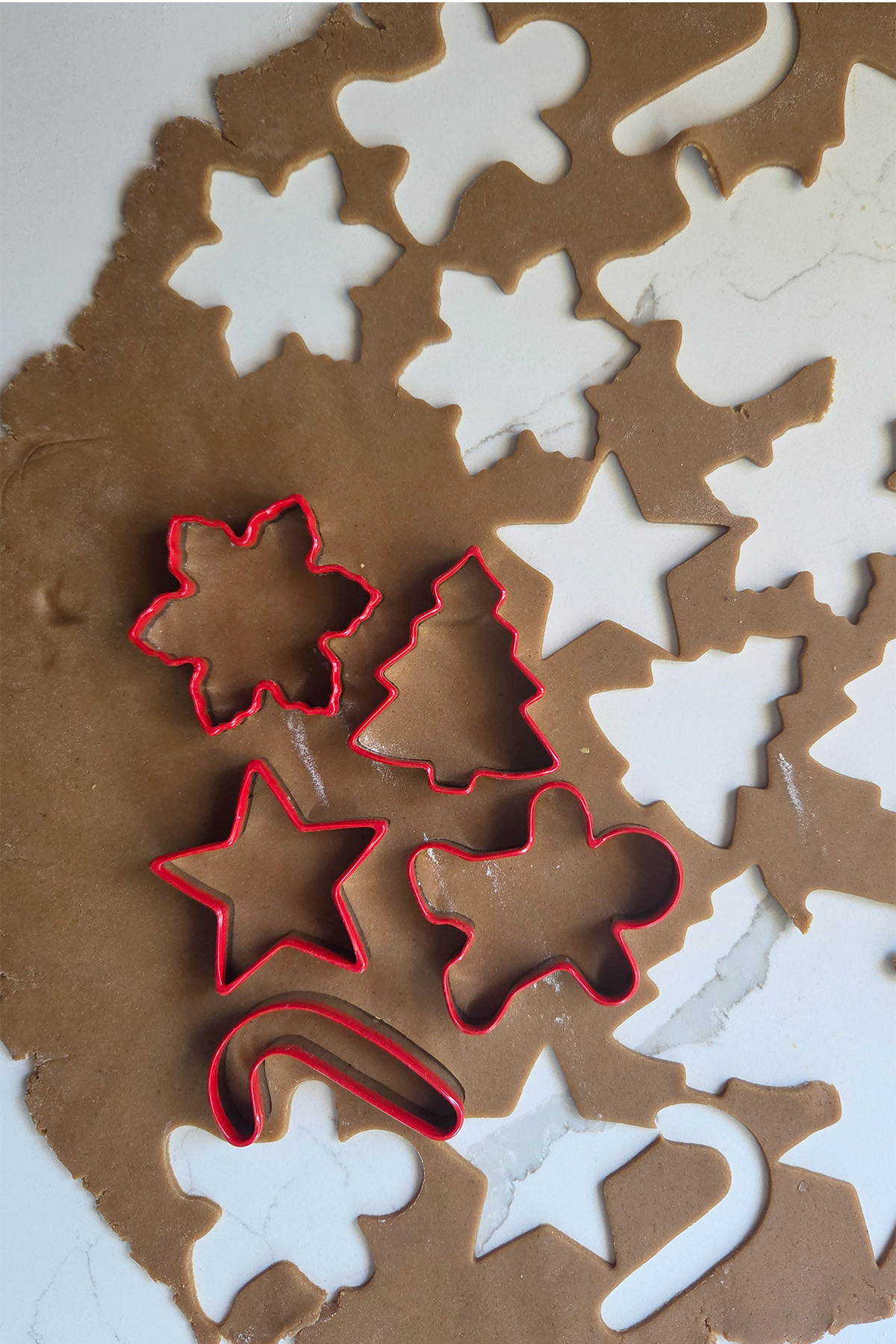
- Chilling (60 Minutes): The inclusion of a mandatory one-hour chilling period is not merely a suggestion; it is a chemical necessity. Chilling the dough allows the fats to re-solidify, which prevents the cookies from spreading on the baking sheet. It also allows the flour to fully hydrate, resulting in a more uniform texture and a cleaner edge after cutting.
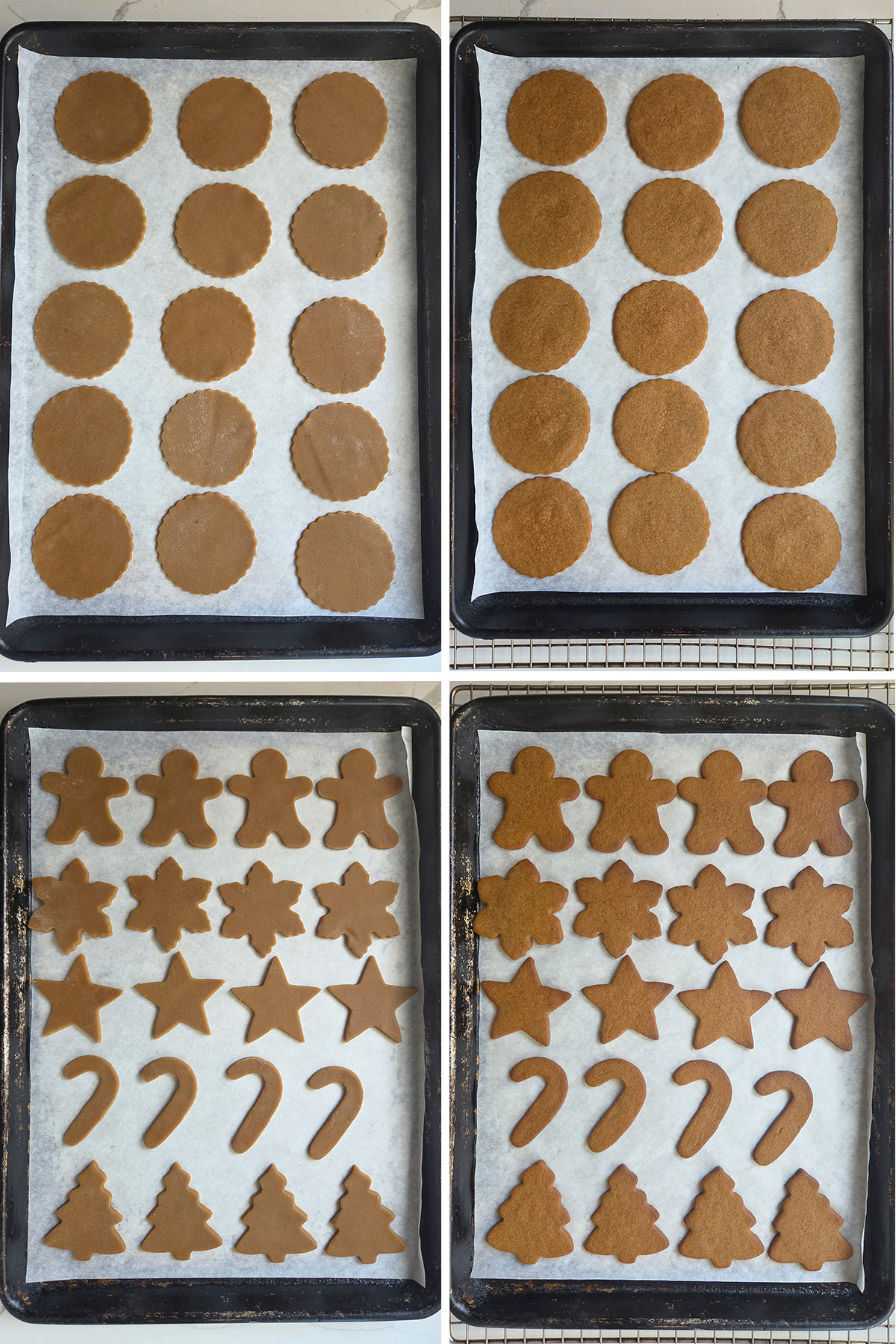
- Baking (6 Minutes): Due to the high sugar content provided by the molasses, the transition from perfectly baked to over-baked is rapid. A six-minute bake time is a standard baseline, though this is subject to the thickness of the dough.
Texture Variables: Thickness and Thermal Exposure
A primary advantage of this specific formula is its versatility regarding final texture. The thickness of the rolled dough acts as a primary control variable for the end user. When rolled to a thickness of 1/4 inch, the interior of the cookie retains a slight, chewy density, while the edges achieve a crisp finish. Conversely, rolling the dough to 1/8 inch allows for a uniform, "all-out" snap throughout the entire cookie.
These variables allow bakers to tailor their output to specific preferences, whether the goal is a softer treat or a rigid, structural cookie suitable for long-term display. Professional bakers often note that the material of the baking sheet—typically light-colored aluminum—is the most effective for achieving an even bake, as darker pans tend to absorb excess heat, which can lead to burnt edges before the center has fully set.
Storage, Longevity, and Industrial Utility
One of the defining characteristics of this gingerbread is its exceptional shelf life. Because the recipe relies on a high ratio of sugar and spices, the cookies possess natural preservative qualities. In a sealed, airtight environment, these cookies maintain their quality for up to two weeks.
For those operating on a larger scale or planning events, the dough’s stability is a notable asset. The dough can be stored in a refrigerated state for up to three days, or frozen for as long as one month. Furthermore, the dough can be pre-cut into shapes and frozen on trays before being transferred to containers. This "bake-on-demand" model is frequently used in commercial kitchens to minimize waste and ensure maximum freshness. Even finished, decorated cookies can be frozen for up to one month, though users should account for a slight loss in texture and a potential softening of the icing.
Professional Standards for Decoration
The integration of royal icing—an egg-white-based frosting that dries to a hard, matte finish—is the industry standard for decorating these cookies. Royal icing provides a stable medium for intricate designs and prevents the "weeping" that can occur with buttercream or other fat-based icings.
When decorating with children or for decorative purposes, the application of dragées or sprinkles should be timed to occur while the icing is still wet, as the quick-drying nature of the protein-based icing makes post-application difficult. For those intending to use the cookies as hanging decorations, the structural integrity of this egg-free recipe is highly advantageous. By using a skewer to create a small aperture in the raw dough, the cookie can be hung with ribbon after baking without risking breakage at the site of the hole.
Broader Economic and Cultural Implications
The cultural significance of the gingerbread cookie extends beyond simple seasonal consumption; it represents a multi-million dollar segment of the seasonal retail baking industry. Data suggests that consumer interest in "scratch-made" holiday traditions has seen a steady increase as individuals seek to balance modern convenience with artisanal heritage.
From an economic perspective, the reliance on staple ingredients such as flour, sugar, and molasses makes this a highly cost-effective endeavor for households. The per-unit cost of a home-baked gingerbread cookie is significantly lower than that of commercial alternatives, while the nutritional profile—averaging 63 kilocalories per cookie—offers a moderate indulgence compared to more decadent holiday desserts.
Fact-Based Analysis and Best Practices
In conclusion, the success of this recipe is predicated on precision in measurement and temperature control. The "dip and sweep" method for measuring flour is highly recommended to avoid the over-packing of dry ingredients, which can lead to a dry or crumbly texture. Additionally, the importance of visual cues during the baking process cannot be overstated. Because ovens vary in their calibration and heat distribution, the listed bake times should be viewed as guidelines rather than absolute mandates.
As the holiday season approaches, the ability to produce a reliable, consistent, and durable gingerbread cookie provides a significant advantage for both the casual home baker and the seasonal professional. By prioritizing the structural chemistry of the dough—specifically the exclusion of eggs to favor crispness and the precise timing of the chilling phase—bakers can ensure a product that meets both aesthetic and gustatory standards. Through the application of these technical principles, the traditional craft of gingerbread making remains a vibrant and essential component of the contemporary culinary landscape.