The Ultimate Guide to Transforming Thanksgiving Leftovers into Culinary Masterpieces

The conclusion of Thanksgiving Day marks the beginning of a significant culinary period in American households, characterized by the systematic repurposing of holiday remains. While the main event focuses on the traditional roast turkey and sides, the subsequent days—frequently referred to as "Black Friday weekend"—are defined by the strategic utilization of stored food. Data from the National Resources Defense Council suggests that approximately 200 million pounds of turkey are discarded annually during the holiday season, a figure that industry experts argue can be significantly reduced through systematic culinary repurposing. By transitioning from the feast to a series of secondary dishes, home cooks can mitigate food waste while extending the utility of their grocery investments.

The Economics of Post-Holiday Food Management
From a logistical standpoint, the management of Thanksgiving leftovers is a multi-day operation. Food safety guidelines from the U.S. Department of Agriculture (USDA) dictate that cooked poultry and side dishes must be refrigerated at or below 40°F within two hours of preparation to prevent bacterial proliferation. Once properly chilled, these items serve as the raw material for a variety of secondary recipes that prioritize efficiency and flavor retention.
Historically, the practice of creating "leftover" meals—such as pot pies, sandwiches, and soups—dates back to the mid-20th century, coinciding with the rise of modern refrigeration. These methods are no longer merely domestic traditions but have become part of a broader sustainability effort to manage the surplus generated by a meal that, on average, serves 10 to 12 people.

Chronological Utilization of Thanksgiving Remains
The standard post-Thanksgiving cycle typically follows a 72-hour window of peak freshness.
- Friday (The Primary Window): Focus is directed toward the most perishable items. The turkey, often the largest volume of leftover food, is prioritized. Culinary applications such as the "Mega" turkey sandwich—utilizing specialized spreads like soy-infused gravy mayo—allow for the consumption of the bird in a non-traditional format.
- Saturday (Re-purposing Phase): Items with higher moisture content, such as mashed potatoes or remaining rolls, are integrated into doughs or batters. Aunt Cordellia’s potato dinner rolls serve as an example of how starch-heavy leftovers can be recycled into a base for new breads.
- Sunday (Final Consumption): The final stage involves pantry-stable items like bread or cornbread, which are often utilized in puddings or salads, signaling the end of the holiday food cycle.
Technical Applications for Surplus Ingredients
The transformation of leftovers requires an understanding of texture and flavor profiles. Culinary experts often highlight the necessity of combining textures to overcome the monotony of reheated food.

- Turkey and Poultry Derivatives: Beyond the standard cold-cut sandwich, the Thanksgiving Turkey Pot Pie serves as a high-volume solution. By utilizing a crust—often enhanced by leftover cranberry-stuffing mixtures—the turkey is re-moistened through a gravy-based binding agent. This method adheres to the industry standard of minimizing the drying effect caused by repeated reheating.
- Starch and Grain Integration: Leftover mashed potatoes possess a high starch content that, when incorporated into yeast doughs, produces a softer crumb structure. This application is economically efficient, as it negates the need for store-bought additives.
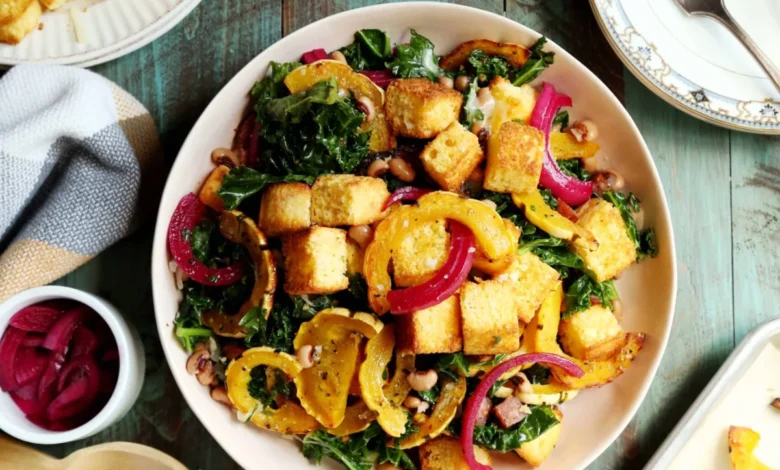
- Bread and Cornbread Repurposing: The "panzanella" approach—which involves cubing and toasting stale bread—transforms excess carbohydrates into a textural element for salads. When paired with protein-rich additions like andouille sausage or kale, the dish shifts from a traditional side to a nutritionally balanced main course.
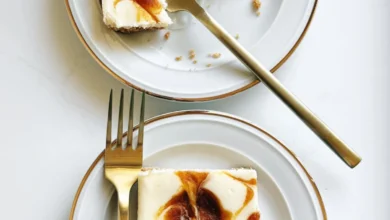
- Dessert Innovation: The use of surplus cranberry sauce in refrigerated desserts, such as cranberry cream pies with chocolate crusts, illustrates the versatility of fruit preserves. By folding the tart, acidic cranberry base into a neutral, fatty cream filling, cooks can achieve a flavor balance that differs significantly from the original Thanksgiving dessert menu.
Environmental and Waste Mitigation Implications
The broader impact of these practices reaches beyond individual convenience. According to the Environmental Protection Agency (EPA), food waste is the single largest category of material placed in municipal landfills. During the Thanksgiving period, food waste increases by approximately 25% compared to the rest of the year.
Food industry analysts note that the trend toward "zero-waste" kitchens is gaining traction among consumers who are increasingly conscious of their carbon footprint. By treating the Thanksgiving meal as a "base" for a multi-day menu, households effectively extend the life-cycle of the ingredients purchased. This practice is supported by consumer advocacy groups as a viable method for curbing the environmental impact associated with the production, transportation, and eventual disposal of surplus food.

Official Perspectives on Food Safety and Quality
Public health agencies and culinary institutions emphasize that the "leftover" window is not indefinite. The USDA maintains that even if food is stored correctly, its quality begins to degrade after three to four days. Therefore, the strategic use of leftovers must be completed within this timeframe to ensure both taste and safety.
Chefs and nutritionists often advocate for the "cold-to-hot" transition. Cold leftovers, such as turkey or cranberry sauce, serve as the foundation for the "Friday sandwich," while thermal processing (baking, boiling, or sautéing) is reserved for the subsequent days to ensure the destruction of any surface bacteria that may have accumulated during the cooling process.

Economic Benefits for the Household
Beyond environmental considerations, the financial implications are significant. Given that the cost of a traditional Thanksgiving dinner has fluctuated with inflation over the past decade, maximizing the utility of every pound of turkey and every cup of stuffing is a matter of household fiscal responsibility.
"The economic benefit is clear," notes a spokesperson for a national culinary education group. "When a family invests in premium ingredients for a holiday meal, the ability to derive three or four additional meals from those same ingredients represents a high return on investment. It is an exercise in resource management that aligns with modern budget-conscious living."

Future Outlook and Culinary Trends
The shift toward inventive, multi-use leftovers is likely to continue as kitchen technology improves. Vacuum sealing, rapid-chill blast freezers, and sophisticated recipe-tracking applications are making it easier for home cooks to preserve the integrity of their leftovers for longer periods.
As food trends lean toward artisanal and homemade solutions, the "leftover" meal is being rebranded from a chore to a creative challenge. The emergence of recipes like "Southern Panzanella" or "French Onion Cornbread Dressing" demonstrates that consumers are moving away from simple reheating in favor of culinary innovation. By viewing the post-Thanksgiving refrigerator not as a bin for scraps, but as a larder of pre-prepared components, consumers can ensure that the holiday season concludes with both culinary satisfaction and minimal waste.

In summary, the transition from the Thanksgiving feast to the subsequent weekend meals is a vital component of the holiday experience. By applying consistent techniques—incorporating starches into doughs, using gravies as emulsifiers, and refreshing stale bread through toasting—home cooks can effectively manage their holiday surplus while contributing to a broader culture of sustainability and resourcefulness. The success of this process remains dependent on strict adherence to safety guidelines, allowing the holiday to extend its value well beyond the initial Thursday evening gathering.