As the autumn season reaches its peak, the culinary focus of many households shifts toward the preparation of traditional holiday desserts, with the classic pumpkin custard pie standing as the centerpiece of the Thanksgiving table. Achieving a balance between a silky, refined custard and a structurally sound, crisp crust has long been the primary challenge for home bakers. Recent developments in pastry technique, characterized by a transition from evaporated milk-based recipes to richer dairy compositions and the adoption of precision processing, have set a new standard for this holiday staple.
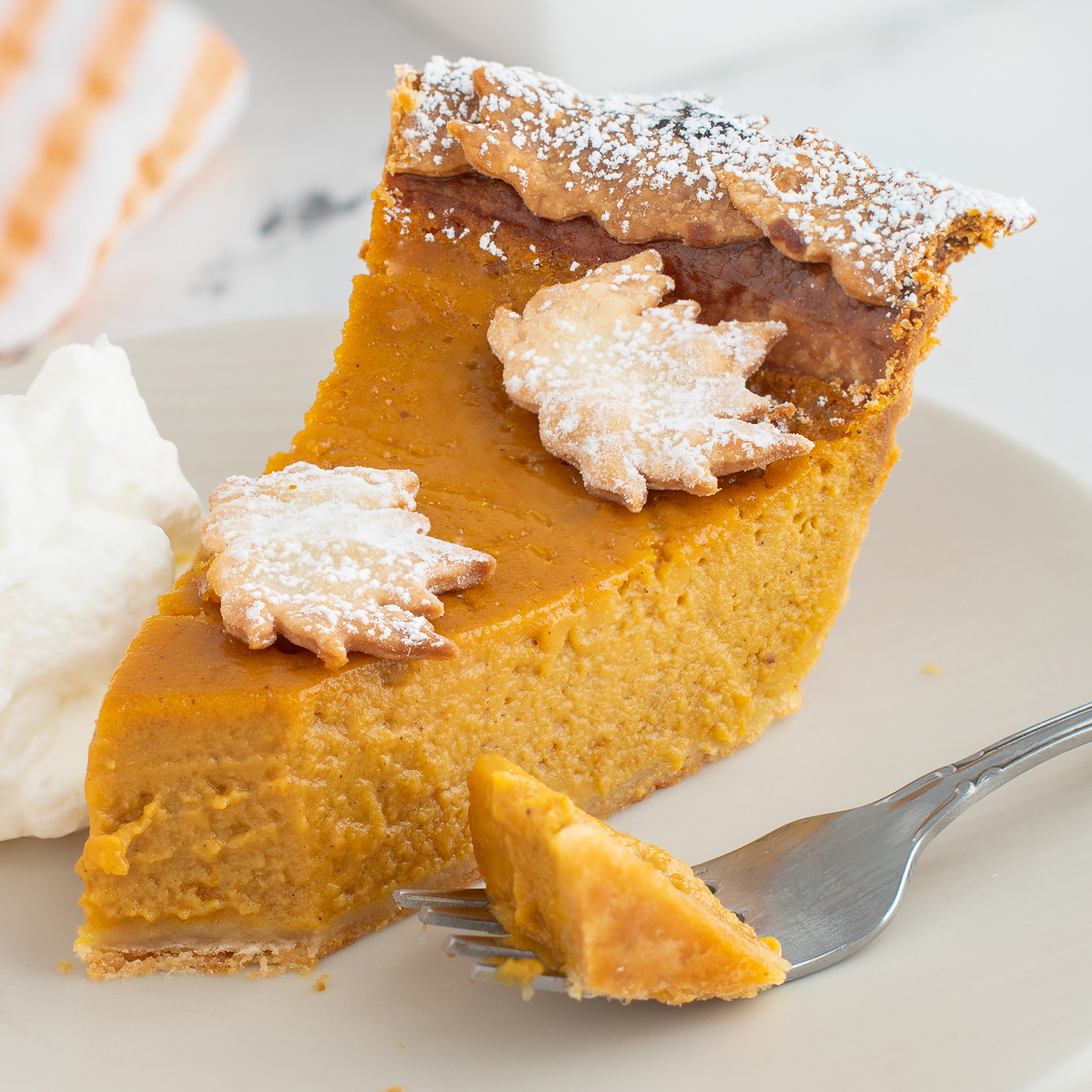
The Evolution of Custard Composition
Historical iterations of pumpkin pie, particularly those popularized in mid-20th-century American cookbooks, relied heavily on canned evaporated milk. This ingredient was favored for its shelf stability and high protein content, which aided in the coagulation of the custard. However, modern culinary research suggests that while evaporated milk provides structural integrity, it often results in a dense, slightly metallic flavor profile that can mask the nuanced sweetness of roasted pumpkin.
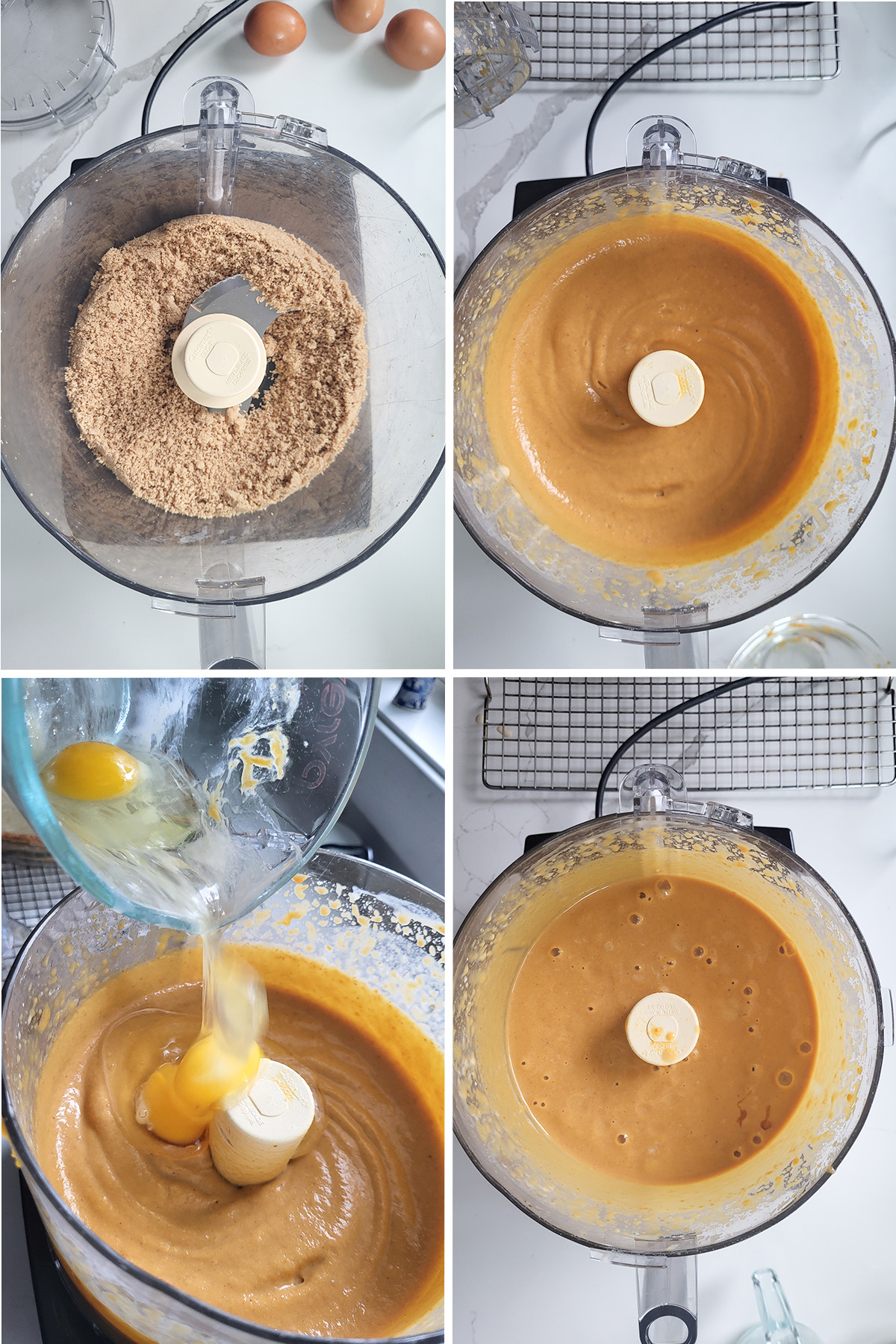
Contemporary professional standards now prioritize a blend of whole milk and heavy cream. By adjusting the fat-to-protein ratio, bakers are able to achieve a "silky" mouthfeel that is distinctively delicate. When processed in a high-speed blender or food processor, the custard ingredients undergo emulsification, which prevents the separation of fats during the baking process. Straining the mixture through a fine-mesh sieve is the final, critical step in removing fibrous pumpkin strands and micro-bubbles of egg, resulting in a uniform, glass-like surface.
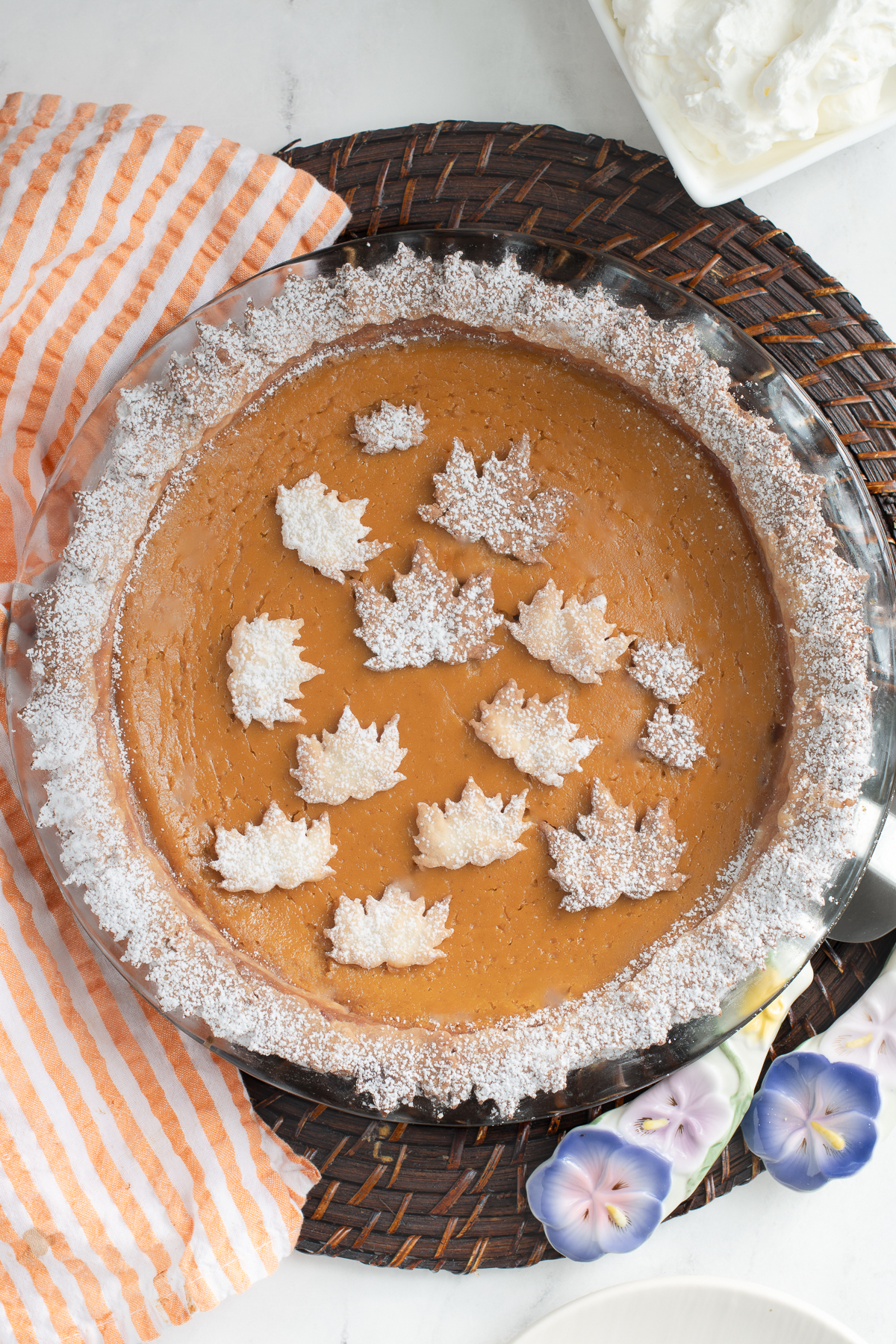
Technical Chronology: The Par-Baking Mandate
The structural failure of the bottom crust is a perennial issue in holiday baking. When a high-moisture custard is introduced to raw, room-temperature dough, the liquid migrates into the flour matrix before the fat can render and crisp, leading to a soggy, unappealing foundation. The modern solution, now standard in professional test kitchens, is the par-baking method.
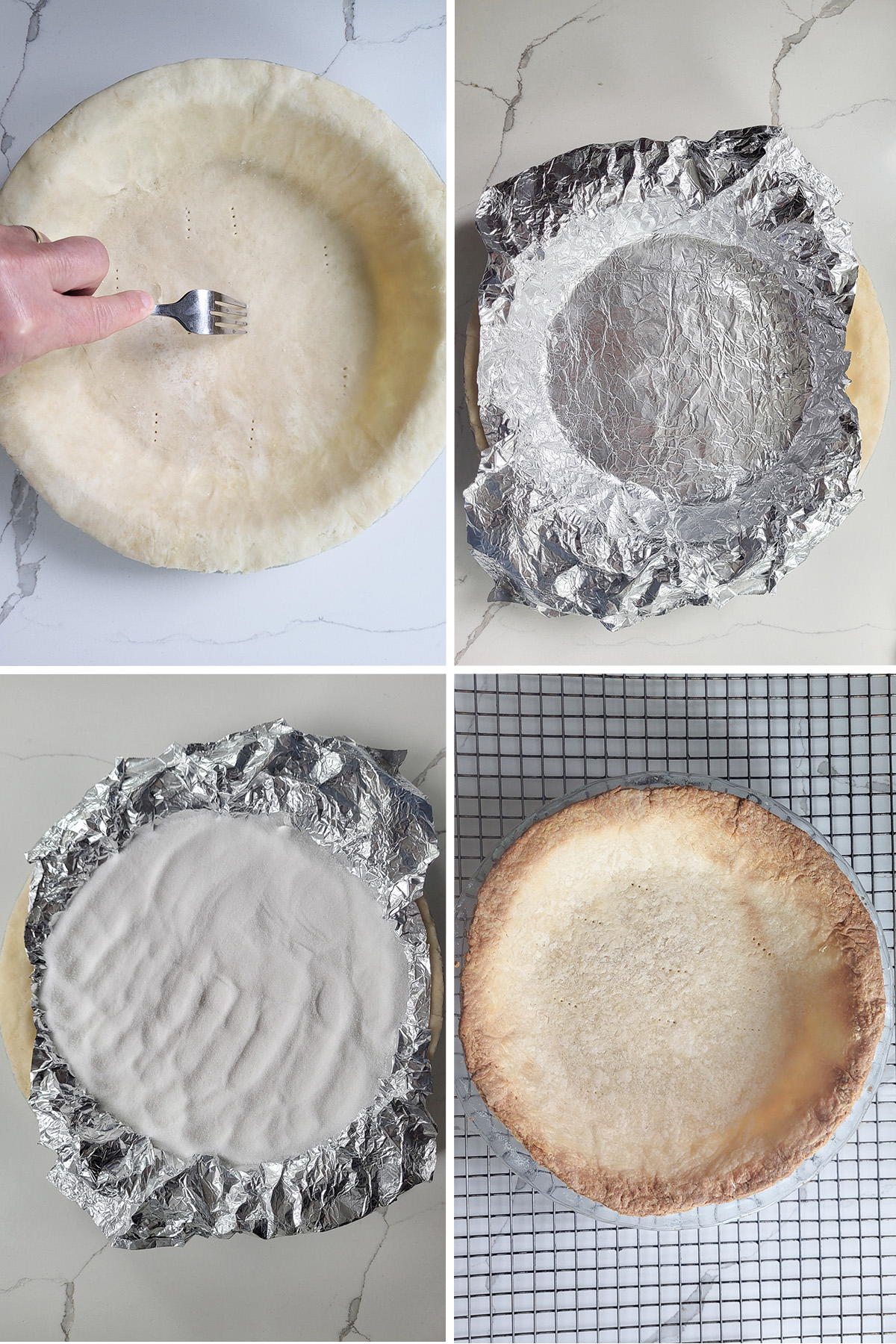
- Docking and Weighting: The process begins with rolling the pastry dough and lining a glass pie dish. The bottom is docked (pierced with a fork) to prevent air pockets.
- The Sugar-Weight Technique: Rather than traditional ceramic pie weights, which can dent the pastry, many chefs have adopted the use of granulated sugar. Filling the lined crust with sugar provides an even, downward pressure that supports the fluted edges while preventing the bottom from rising.
- Thermal Stabilization: By baking the crust until the edges are golden but the center remains pale, the pastry sets its structural lattice. This prevents the moisture in the custard from compromising the crust’s integrity during the final bake.
- Final Assembly: Once cooled, the custard is poured into the pre-set shell. This ensures that the two components reach their peak texture simultaneously without cross-contamination of moisture.
Analytical Data and Thermal Precision
The distinction between a superior pumpkin pie and one that fails often comes down to internal temperature monitoring. Culinary data indicates that the ideal internal temperature for a set custard is 175°F (79°C). Many home bakers make the mistake of relying on visual cues, such as the disappearance of the "jiggle," which often leads to overbaking.
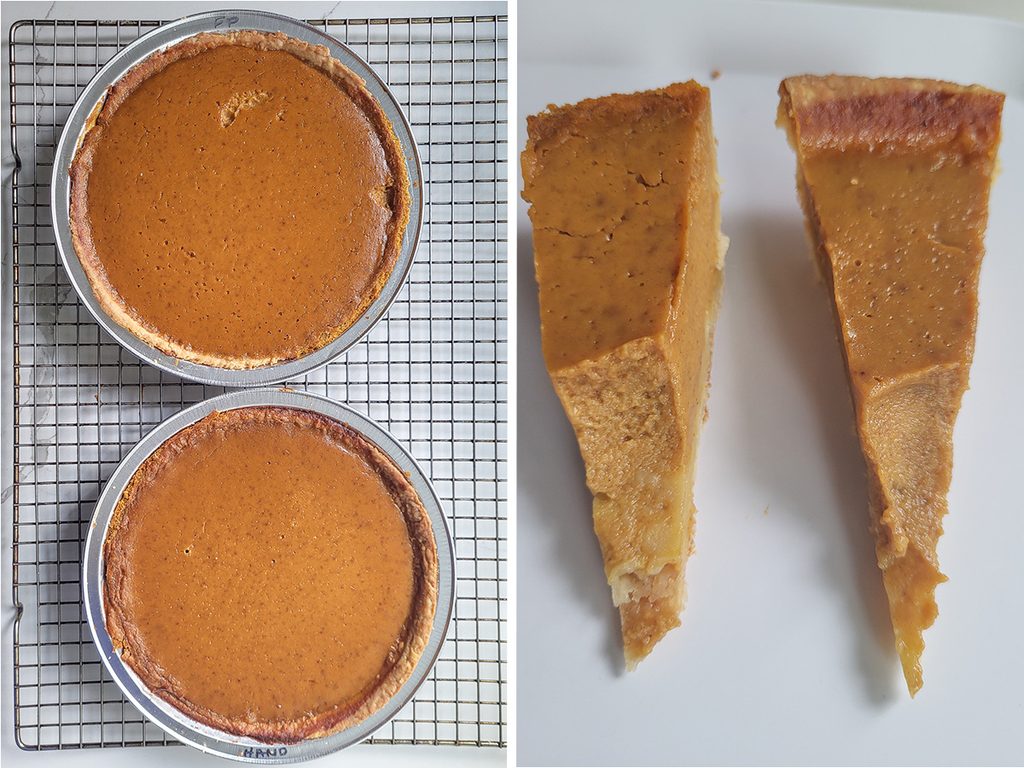
When a custard exceeds 185°F, the egg proteins—the primary thickening agents—begin to contract aggressively. This process, known as syneresis, causes the proteins to tighten and expel the trapped liquid, leading to the "weeping" or "watery" appearance often seen on the surface of overcooked pies. Furthermore, overbaking is the primary culprit behind surface cracks, as the shrinking protein matrix splits under the tension of the cooling process.
Storage and Logistics: Managing the Holiday Timeline
For large-scale event planning, such as the preparation of a multi-course holiday meal, the logistical advantage of this pie lies in its capacity for advance preparation. Unlike many baked goods that lose quality within hours of cooling, a properly prepared custard pie benefits from a 24-hour maturation period in the refrigerator.
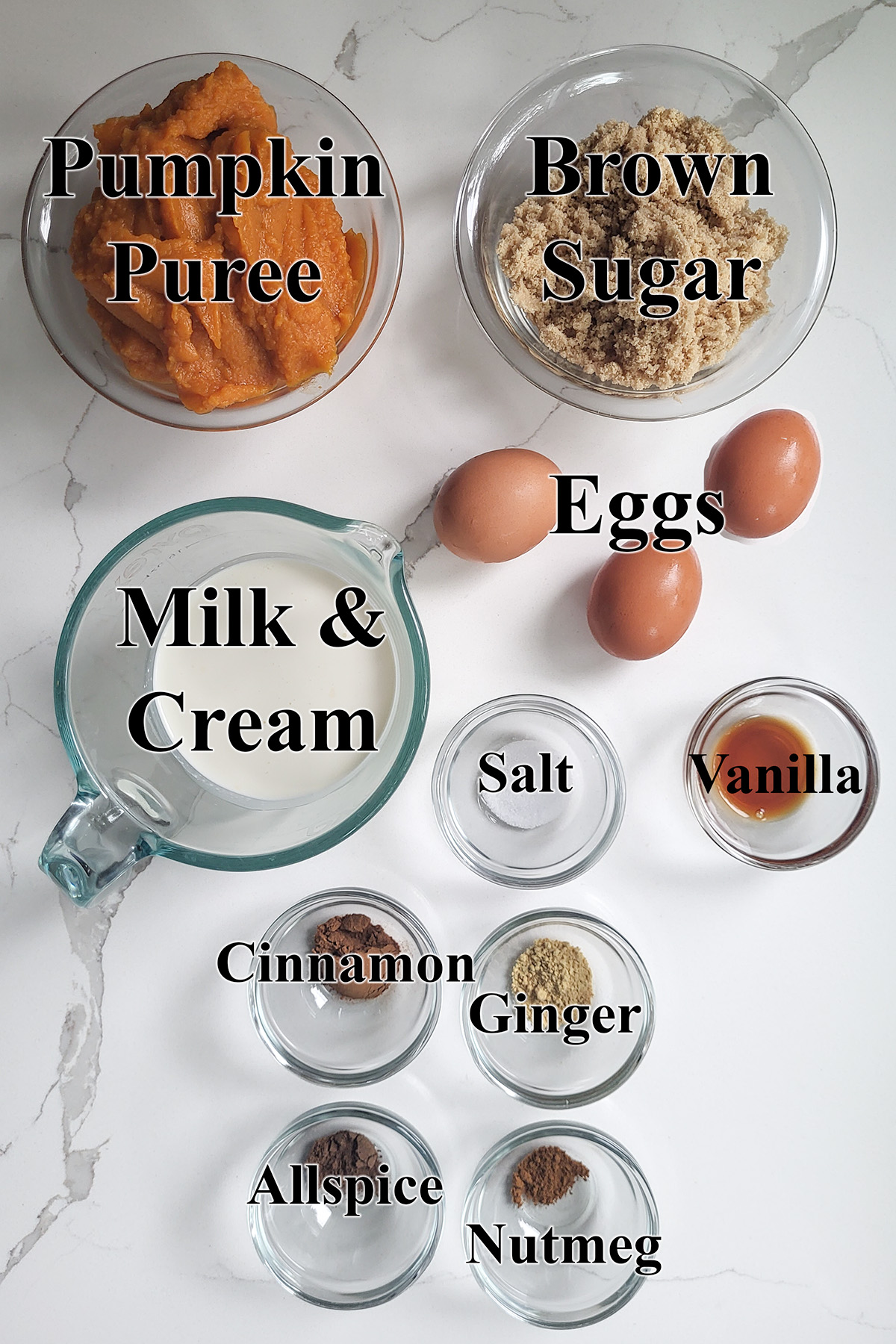
Data from the culinary sector suggests that the flavors of the spice profile—typically a blend of cinnamon, ginger, cloves, and nutmeg—require time to permeate the lipid structure of the cream. Consequently, a pie baked two days in advance often exhibits a more balanced flavor profile than one served immediately after cooling. For those seeking long-term storage, the custard matrix is stable enough to withstand freezing for up to 30 days, provided the pie is wrapped in airtight, moisture-resistant packaging to prevent freezer burn and the absorption of ambient odors.
Troubleshooting and Professional Observations
Professional pastry chefs frequently encounter common failure points in home kitchens. Addressing these through systematic adjustments can significantly improve outcomes:
- Graininess: If the texture is not perfectly smooth, the fault usually lies in the homogenization stage. Ensuring the sugar and spices are fully dissolved into the eggs before the cream is added is vital. If the mixture is not strained, the naturally occurring fibers in canned pumpkin will remain suspended in the custard.
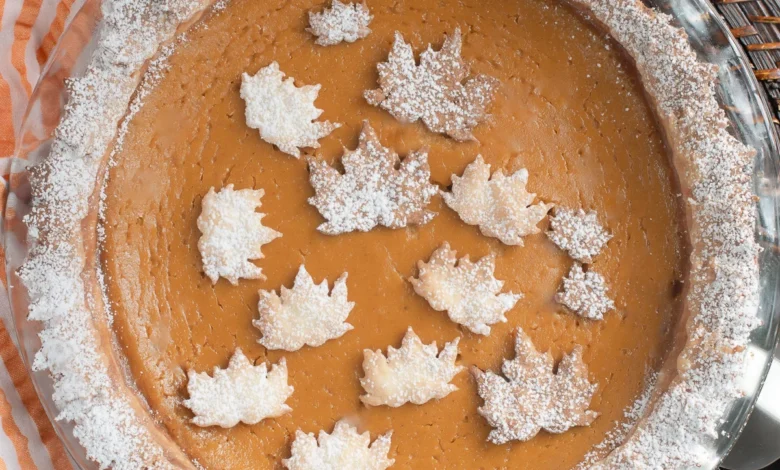
- Crust Discoloration: Because the crust is par-baked, it faces a longer total duration in the heat. To prevent the decorative edges from burning, practitioners recommend the use of silicone pie shields or, in their absence, a custom-cut ring of aluminum foil. A secondary aesthetic trick involves the use of a light dusting of powdered sugar over the edges, which masks uneven browning and adds a professional finish.
- The "Sink" Effect: A sunken center is typically a result of excessive leavening of the custard during the bake. If the oven temperature is too high, the air trapped in the mixture expands too rapidly; as the oven door is opened and the pie cools, the structure collapses. Maintaining a steady, moderate oven temperature ensures a level, professional appearance.
Broader Culinary Implications
The shift toward more technical, recipe-driven approaches to classic desserts represents a broader trend in home cooking: the "professionalization" of the domestic kitchen. As access to high-quality ingredients and advanced kitchen technology (such as high-speed processors and precise digital thermometers) becomes democratized, the disparity between restaurant-quality desserts and home-baked goods has narrowed.
Furthermore, the focus on "real" ingredients—using whole cream and fresh spices rather than pre-mixed fillers—aligns with consumer demand for transparency in food sources. This approach to the classic pumpkin pie does not merely serve to provide a holiday dessert; it reinforces the importance of technique over convenience. By treating the pie as a scientific endeavor rather than a simple assembly task, home bakers are better equipped to navigate the variables of temperature, moisture, and time, ensuring a consistent result regardless of the kitchen environment.
In conclusion, while the ingredients of a pumpkin pie are historically static, the methodology of its preparation continues to evolve. Through the application of precision baking techniques—such as sugar-weight par-baking, internal temperature monitoring, and the use of high-fat dairy—the home baker can replicate the standards of a professional patisserie, ensuring that this seasonal tradition remains as structurally sound as it is delicious.