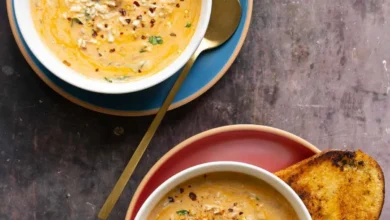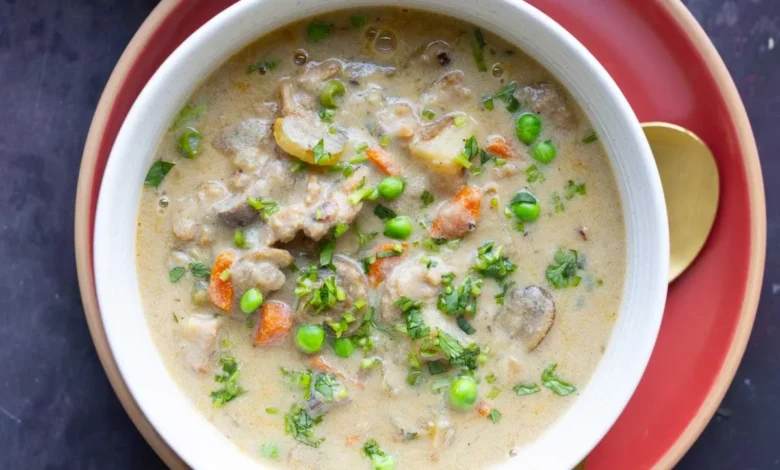
The modern culinary landscape is witnessing a significant shift toward plant-based comfort foods that prioritize both nutritional density and temporal efficiency. A notable development in this sector is the emergence of high-protein, one-pot meals designed for the home cook who requires minimal preparation time without sacrificing traditional flavor profiles. The recent introduction of a vegan-friendly "pot pie soup" exemplifies this trend, offering a nutritionally optimized alternative to the classic pastry-crusted dish while maintaining a streamlined 30-minute preparation window.
Nutritional Profile and Dietary Versatility
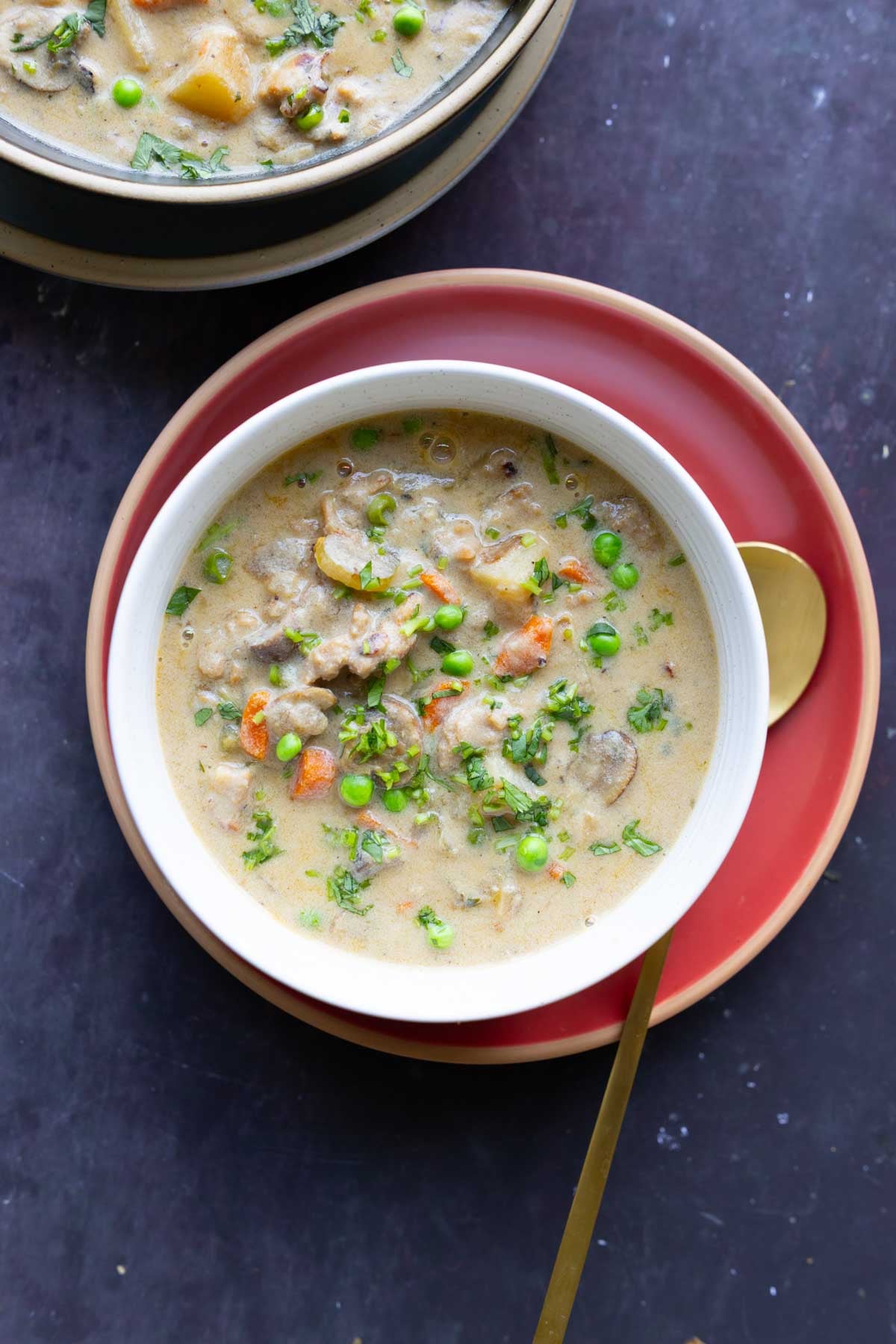
From a nutritional standpoint, this dish addresses common criticisms leveled against traditional, heavy comfort foods. By utilizing a base of soy curls, tofu, and cashews, the recipe achieves a significant macronutrient profile, yielding approximately 18 grams of protein and 9 grams of fiber per serving. When analyzed on a per-pot basis, the total yield exceeds 52 grams of protein, 30 grams of fiber, and 14 milligrams of iron, positioning it as a substantial meal option for those following plant-based diets.
The formulation is intentionally designed for inclusivity, providing built-in pathways for various dietary restrictions. The base recipe is naturally gluten-free. For consumers managing soy allergies, the substitution of soy curls with seitan—a wheat-based protein—is recommended, which further increases the total protein content by an additional 20 grams. Furthermore, the inclusion of alternatives such as hemp seeds, pumpkin seeds, or white beans allows the dish to remain accessible to individuals with nut-related allergies, reflecting a broader movement in the food industry toward modular, allergy-conscious recipe development.
The Role of Soy Curls in Meat Alternatives
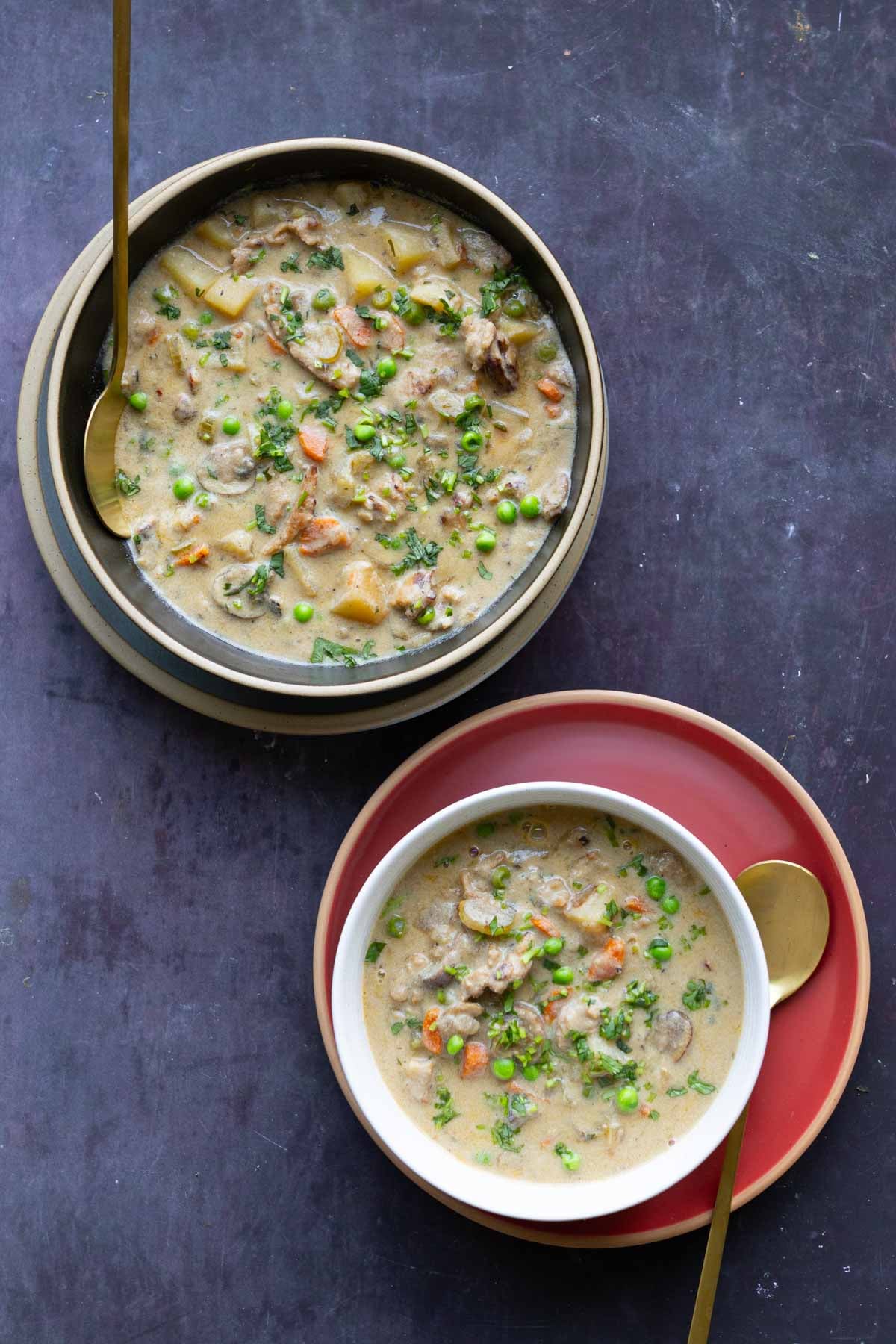
The use of soy curls—a minimally processed soy product—as a functional meat replacement has gained traction among home cooks and food scientists alike. The structural integrity of soy curls, when rehydrated, mimics the fibrous texture of shredded poultry. By soaking the curls in a concentrated vegetable stock, they function as a flavor-absorbing medium, which is critical for replicating the depth of flavor typically associated with slow-simmered chicken-based stocks.
The culinary technique employed here involves a two-stage process: an initial rehydration in seasoned liquid, followed by a searing stage in the cooking vessel. This searing process facilitates the Maillard reaction, which is essential for creating the savory, browned notes characteristic of traditional comfort foods. From a professional culinary perspective, this approach demonstrates how plant-based ingredients can be manipulated through heat and acidity to achieve sensory qualities traditionally reserved for animal proteins.

Chronology of Preparation
The efficiency of the recipe is structured around a parallel processing workflow. The preparation follows a precise timeline to ensure the 30-minute goal is met:
- Phase 1 (0–10 minutes): The vegetable stock is heated and combined with the soy curls to initiate rehydration. Concurrently, the chef conducts the mise en place, chopping aromatics and preparing the blender-based cream sauce.
- Phase 2 (10–15 minutes): The cream base—a mixture of cashews, tofu, miso, and nutritional yeast—is emulsified. The soy curls are drained and pressed to remove excess moisture, then shredded to replicate the desired texture.
- Phase 3 (15–25 minutes): The cooking vessel is brought to temperature. Garlic and onions are sautéed until golden, followed by the addition of the shredded soy curls, which are crisped to enhance flavor. Vegetables are added to the mixture.
- Phase 4 (25–30 minutes): The potatoes and the cream base are introduced. The dish is simmered, seasoned with herbs such as thyme and sage, and adjusted for consistency before being finished with fresh parsley and a touch of lemon juice for acidity.
Industry Implications and Consumer Trends
The popularity of such recipes reflects a broader macroeconomic trend toward "budget-friendly" nutrition. As food inflation continues to impact household grocery expenditures, there is an observable increase in demand for recipes that rely on pantry staples—potatoes, dried soy products, and shelf-stable aromatics.
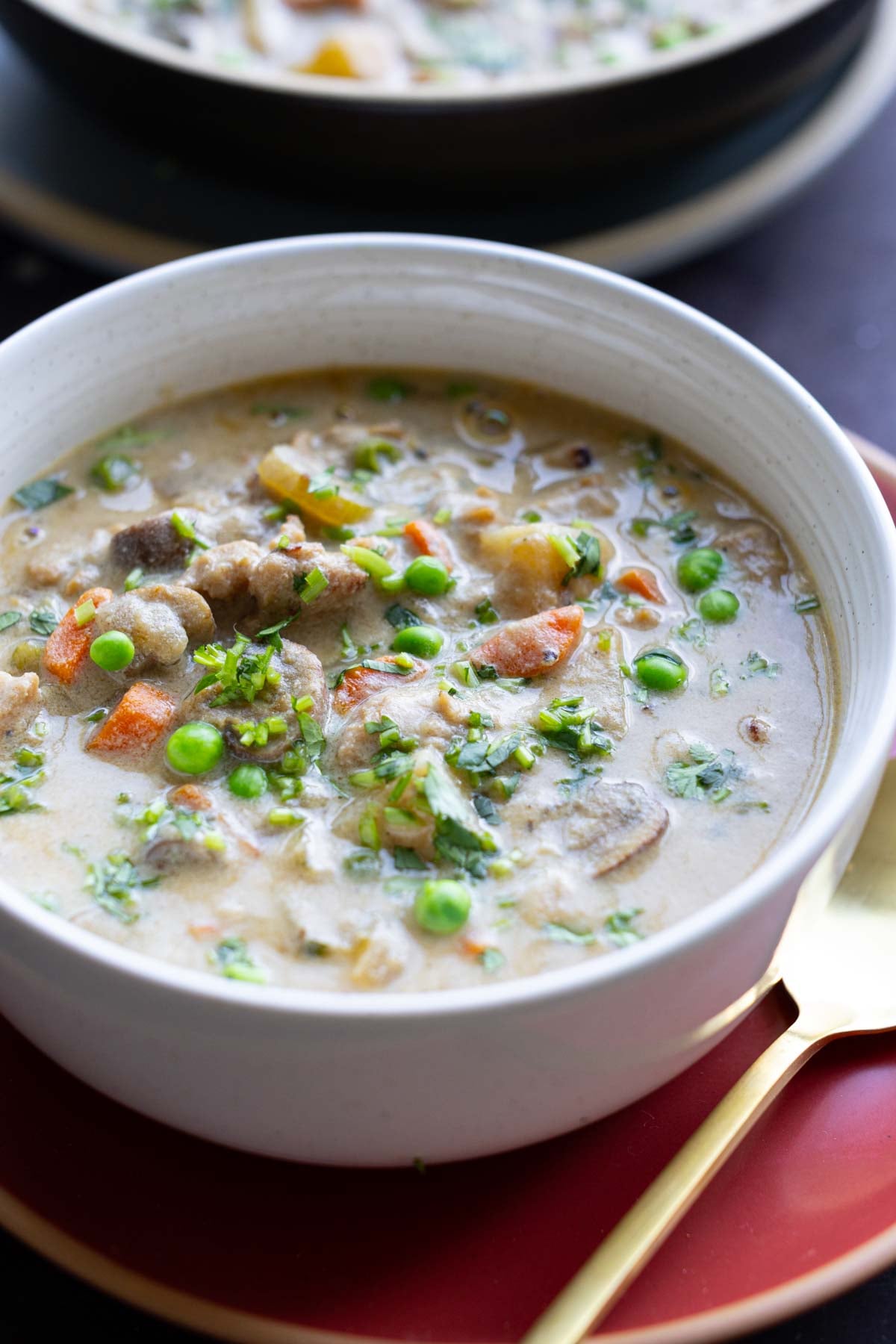
Industry analysts suggest that the rise of the "one-pot" cooking method is not merely a stylistic preference but a response to the time-poverty experienced by modern households. By consolidating preparation into a single vessel, the cooking process reduces both the time spent in the kitchen and the volume of post-meal cleanup. Furthermore, the emphasis on nutritional metrics—such as the explicit listing of protein, fiber, and iron—indicates that contemporary home cooks are increasingly viewing their meals through the lens of functional nutrition.
Expert Perspectives on Plant-Based Formulation
Dietitians and food scientists often highlight the importance of "complete" plant-based meals that balance carbohydrates, healthy fats, and proteins. By incorporating cashews and tofu into the soup base, the recipe achieves a creamy, mouth-coating texture without the reliance on dairy or excessive starches. This represents a significant evolution in vegan cooking, where the focus has shifted from mere ingredient substitution to the engineering of texture and flavor density.
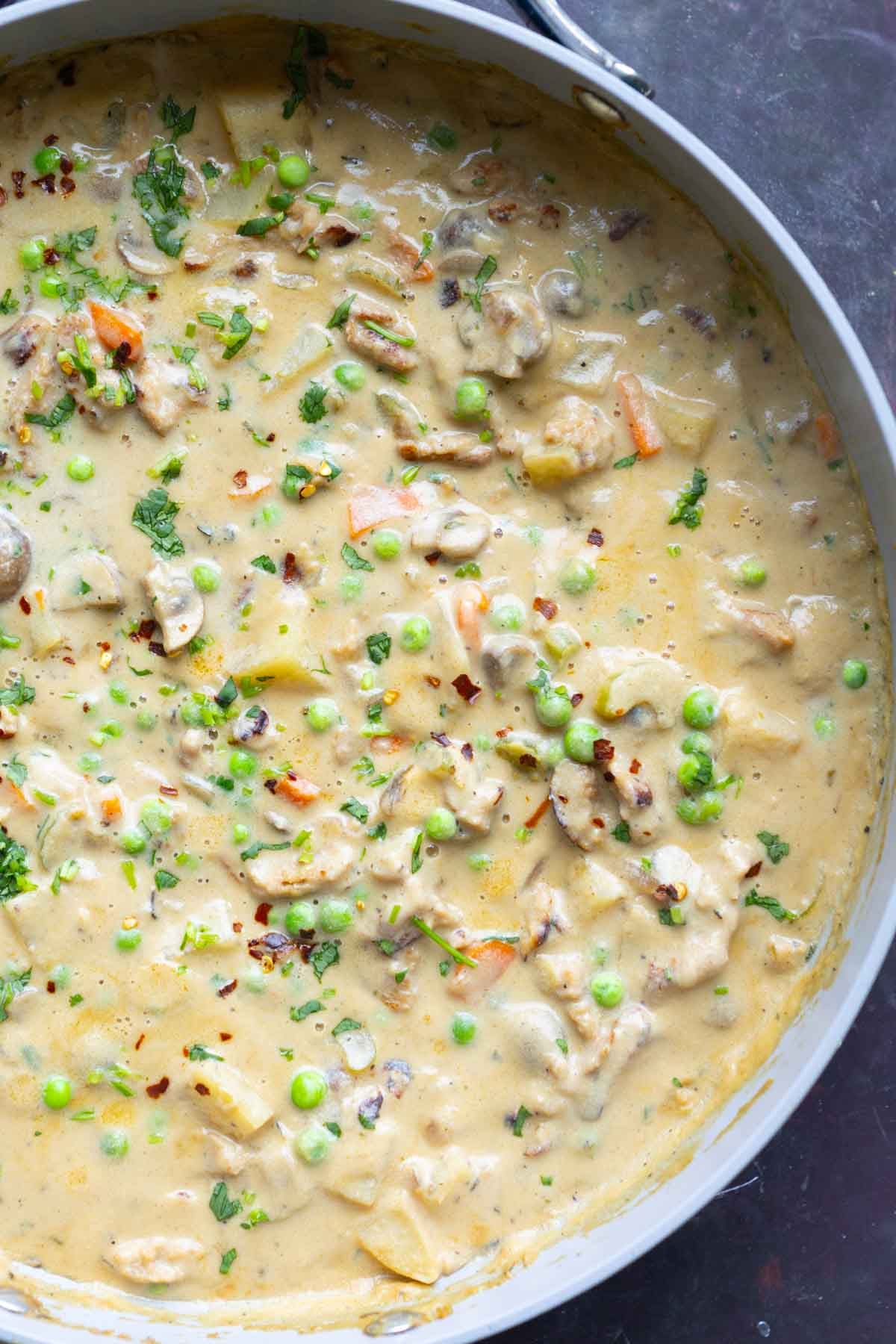
The inclusion of miso in the sauce base provides an additional layer of complexity. Miso, a fermented soybean paste, contributes umami—the savory "fifth taste"—which is frequently cited as the missing component in many plant-based dishes. By leveraging these fermented ingredients, the recipe bridges the gap between simple, home-cooked soup and the savory profiles found in restaurant-grade comfort foods.
Broader Nutritional Impact
The versatility of this dish extends to its potential to serve as a cornerstone for meal planning. Because it relies on accessible ingredients, it is inherently scalable. The ability to increase fiber and protein levels by pairing the soup with whole-grain or multigrain bread offers a straightforward strategy for individuals looking to maximize the nutritional output of their diet.
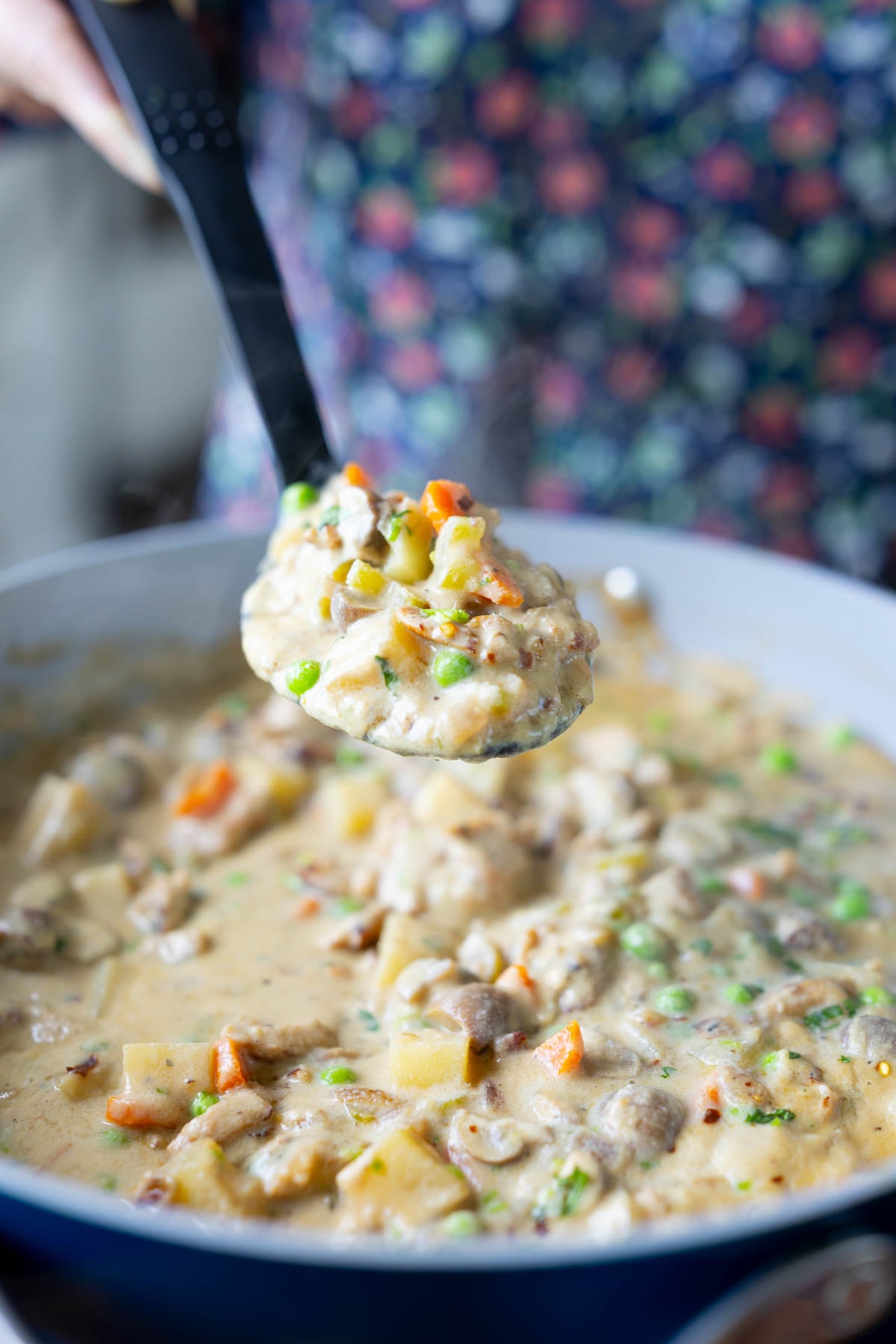
As consumer interest in health-conscious, environmentally sustainable eating patterns remains high, the integration of these specific techniques—soaking, browning, and emulsifying plant-based ingredients—provides a template for future developments in home cooking. The success of such dishes is contingent upon their ability to balance the "comfort" aspect of food with the increasing consumer demand for transparency in nutritional intake.
In summary, the transition of the classic pot pie into a streamlined, high-protein soup is indicative of a matured home-cooking culture. It serves as an example of how culinary tradition can be adapted to meet the rigorous demands of modern life, providing a sustainable, nutrient-dense solution that caters to a diverse range of dietary needs without sacrificing the nostalgic appeal of a hearty, warm meal. Whether for a quick weeknight dinner or a meal-prep staple, the efficiency and nutritional integrity of this recipe position it as a significant contributor to the modern plant-based repertoire.