The Evolution of Pesto in Plant-Based Diets
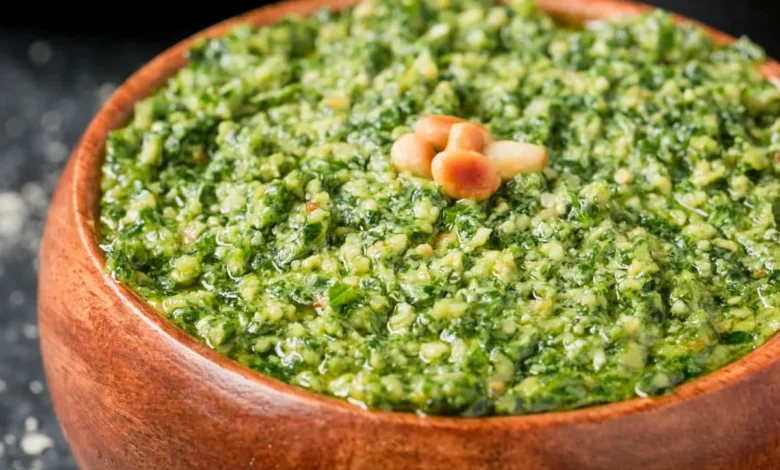
The traditional Genoese pesto, historically composed of fresh basil, pine nuts, garlic, coarse salt, and hard cheeses like Parmesan or Pecorino, has long been a staple of Mediterranean cuisine. However, the rise of veganism and lactose-intolerance awareness has necessitated structural changes in how these emulsions are constructed. The substitution of traditional dairy with nutritional yeast—a deactivated yeast strain favored for its savory, umami-rich, and "cheesy" profile—has become the industry standard for recreating the depth of flavor required in plant-based pesto.

Data from the food industry indicates that consumer interest in "green sauces" has grown by 15% annually since 2020. This shift is attributed to both the environmental benefits of plant-based eating and the versatility of kale, which is more readily available throughout the year in many climates compared to the strictly seasonal nature of high-quality sweet basil.

Preparation Methodology and Technical Considerations
The production of Vegan Kale Pesto relies on the mechanical breakdown of fibrous plant matter to create a stable emulsion. The process is defined by several critical steps that ensure both texture and flavor profile are maintained:

- Acidification of Aromatics: The process begins by soaking minced or crushed garlic in fresh lemon juice. This step is chemically significant; the acidity of the lemon juice softens the harsh, volatile sulfur compounds in the raw garlic, resulting in a more mellow, integrated flavor profile.
- Thermal Processing of Legumes and Seeds: Pine nuts, or occasionally substitutions like walnuts or sunflower seeds, are toasted in a dry skillet. This application of heat initiates the Maillard reaction, developing the nutty, roasted aromatic compounds that provide the necessary base for the sauce.
- High-Speed Emulsification: The ingredients are combined in a food processor. The order of operations—processing the solids before introducing the oil—is essential. By drizzling high-quality extra virgin olive oil into the processor while it is in motion, the cook achieves a stable, viscous emulsion rather than a separated oil-and-leaf mixture.
- Fiber Management: Because kale is significantly more fibrous than basil, it is recommended that the stems be removed prior to processing to ensure a smooth, palatable texture.
Nutritional Profile and Health Implications
From a dietary standpoint, replacing traditional basil pesto with a kale-based variant offers distinct nutritional advantages. Kale is a recognized "superfood," providing a high concentration of antioxidants, including quercetin and kaempferol. A standard serving of this vegan pesto (approximately 1/4 cup) provides roughly 183 calories, with 17 grams of fat—primarily from heart-healthy monounsaturated fats found in olive oil and nuts—and 4 grams of protein.

The inclusion of nutritional yeast also adds a profile of B-vitamins, particularly B12 if fortified, which is often a point of concern for those adhering to strict plant-based diets. The low glycemic impact of this sauce makes it an ideal complement for complex carbohydrates, such as whole-grain pasta or toasted sourdough, contributing to stable energy levels.

Market Trends and Culinary Applications
The adoption of this recipe reflects a larger movement in culinary arts toward "pantry-friendly" cooking. As inflation impacts the cost of imported Italian cheeses and high-yield basil, the pivot to kale, which is often grown domestically and is highly cost-effective, allows for a more sustainable consumption model.

Professional chefs have noted that the robust nature of kale allows it to withstand heat better than basil, which tends to oxidize and turn bitter when exposed to high temperatures. Consequently, this pesto is increasingly being used in hot applications, such as:

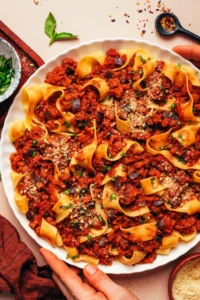
- Pasta Integration: It is folded into al dente pasta, where the residual heat of the noodles slightly wilts the greens, releasing more flavor.
- Pizza Topping: Used as a base instead of tomato sauce, providing a savory foundation for roasted vegetables.
- Preservation Techniques: The mixture is highly freezer-stable. It can be portioned into ice cube trays and frozen for up to three months, allowing for long-term storage without significant degradation of color or taste.
Broader Impact on Home Cooking Habits
The 10-minute preparation window for this dish is a response to the modern consumer’s demand for "quick-scratch" cooking. By reducing the complexity of the traditional mortar-and-pestle method to a single-vessel food processor operation, the barrier to entry for home cooks has been significantly lowered. This efficiency does not come at the cost of quality, as the flavor intensity of the garlic, lemon, and toasted nuts remains the primary driver of the sensory experience.

The integration of such recipes into the mainstream suggests that the distinction between "vegan" and "traditional" food is narrowing. As consumers prioritize health, sustainability, and time-efficiency, the reliance on plant-based staples like kale pesto will likely continue to expand. The success of this specific preparation method—incorporating Dijon mustard to provide a sharp, emulsifying tang that bridges the gap left by missing dairy—serves as a blueprint for future plant-based product development in both home and commercial kitchens.

Conclusion
Vegan Kale Pesto represents a confluence of traditional culinary techniques and modern nutritional science. By leveraging the bold, earthy flavor profile of kale and tempering it with the acidic brightness of lemon and the umami depth of nutritional yeast, the recipe provides a sophisticated, versatile, and highly nutritious alternative to classic sauces. As the culinary landscape continues to favor sustainable and accessible ingredients, this preparation stands as a testament to the fact that high-quality, flavorful food can be achieved with minimal time and a focus on simple, high-impact components. The widespread adoption of this recipe format underscores a significant shift in how households perceive and prepare plant-derived meals in the 21st century.