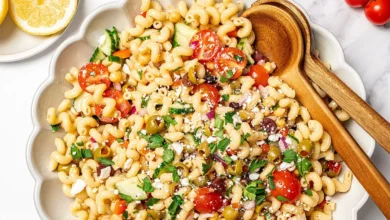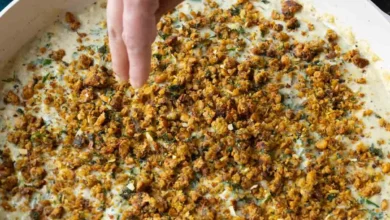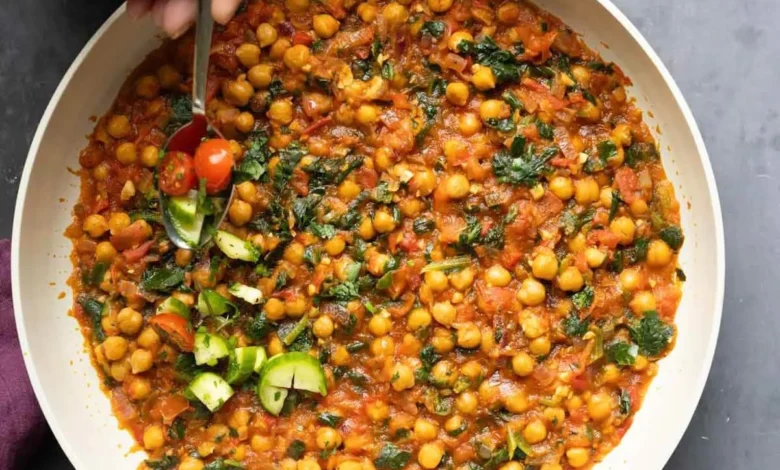
A vibrant explosion of spice and tang, peri-peri chickpeas are emerging as a culinary sensation, offering a quick, flavorful, and versatile plant-based meal option. This one-pan dish, characterized by its rich, spicy peri-peri sauce and a refreshing, crunchy cucumber-tomato salsa, is capturing the attention of home cooks seeking convenient yet sophisticated meals. The recipe, originating from the esteemed vegan food blog Vegan Richa, highlights the adaptability of plant-based ingredients and the global appeal of peri-peri flavor.
The core of this dish lies in its namesake peri-peri sauce, a staple with roots in the Southern African region, particularly Mozambique. Traditionally crafted from peri-peri chilies, also known as bird’s eye chilies, this sauce delivers a potent kick of heat balanced with citrusy notes and aromatic spices. While its origins are specific, the sauce has transcended geographical boundaries, evolving into various interpretations across different cuisines. The article notes that an Indian adaptation might incorporate spices like garam masala or cumin, showcasing its fusion potential.
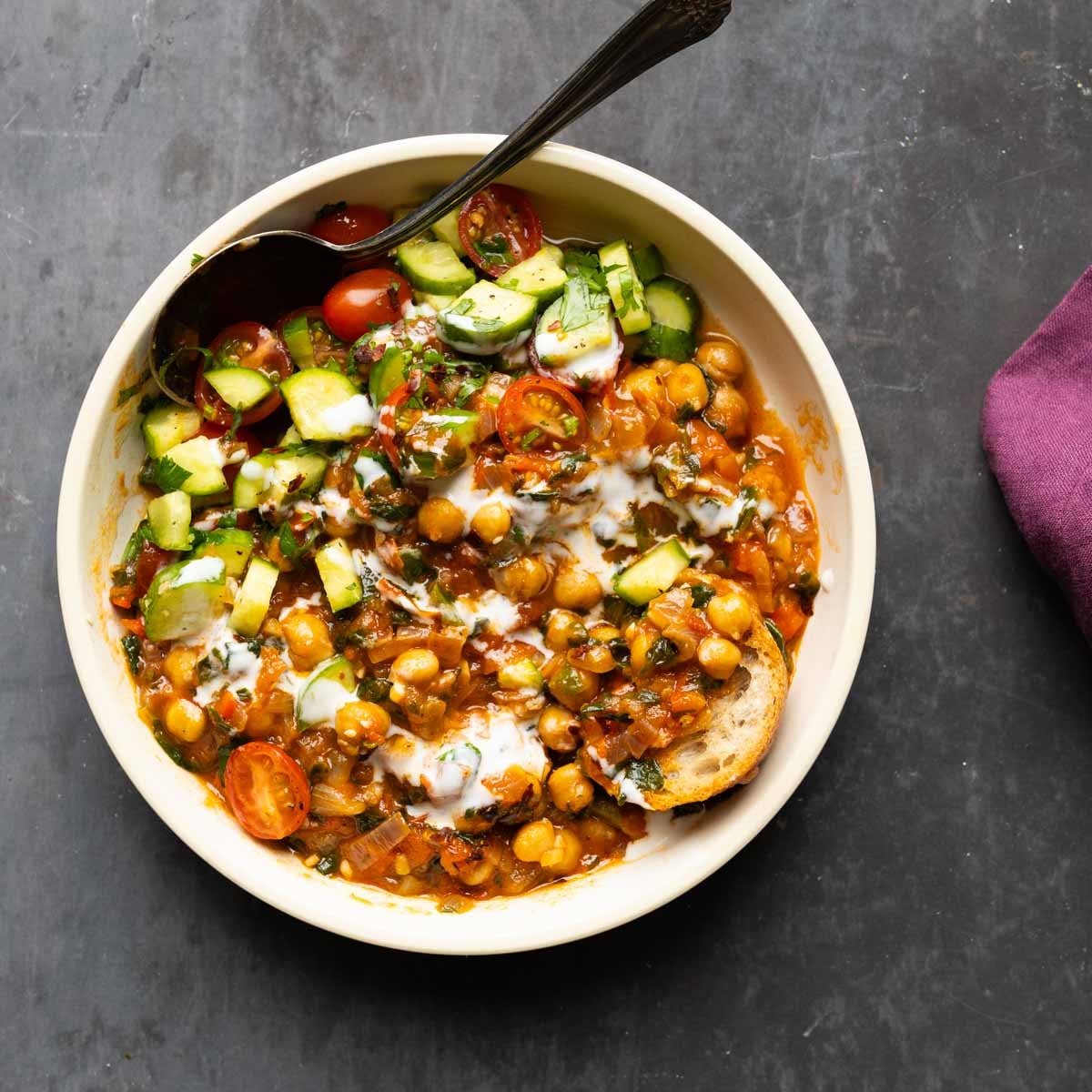
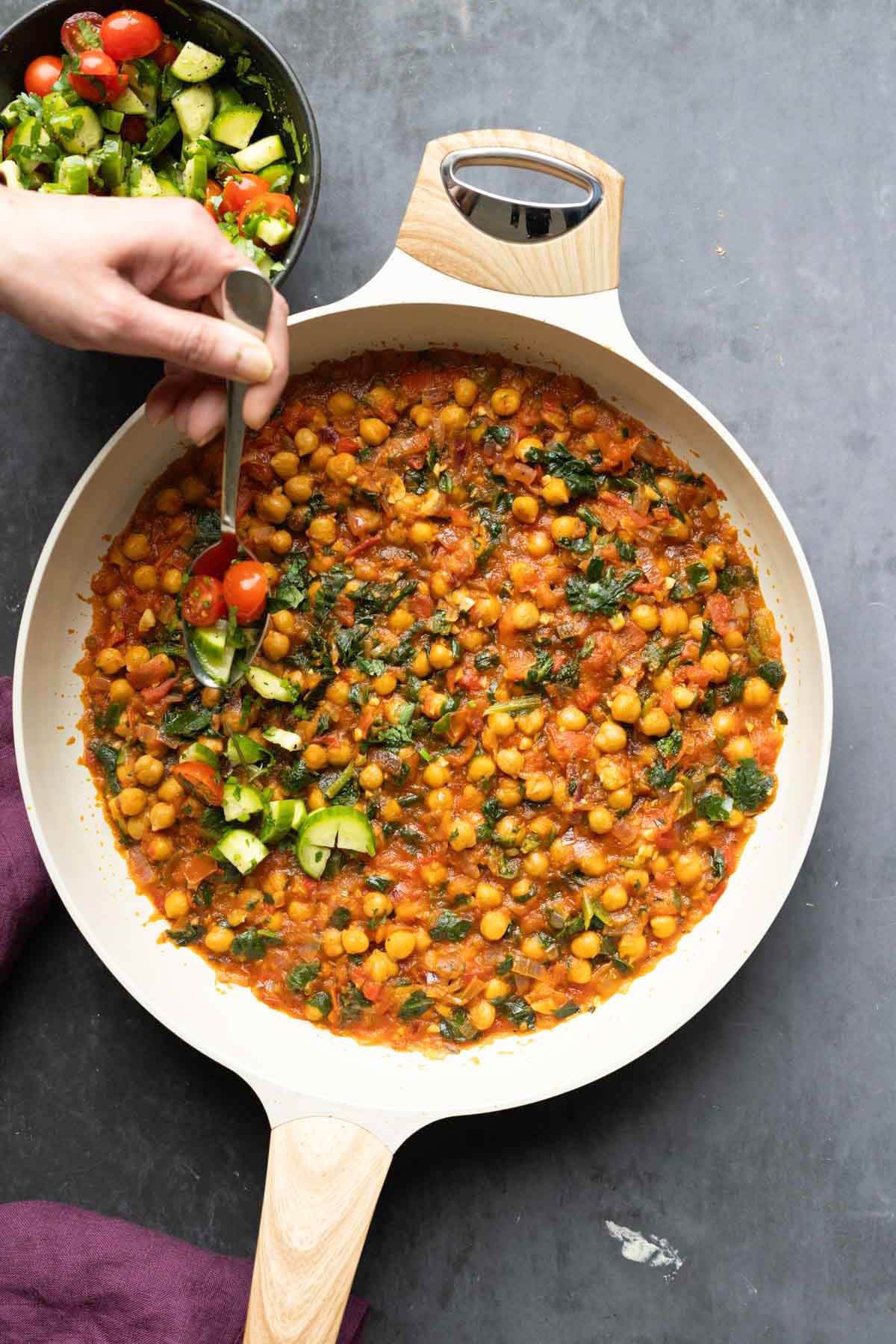
The preparation of the peri-peri chickpeas is designed for efficiency, emphasizing a "one-pan" approach that minimizes cleanup and cooking time, often achievable in around 30 minutes. The process begins with sautéing aromatics like onions and garlic, building a flavor base. Tomatoes and tomato paste are then incorporated, cooked down to a jammy consistency, which provides depth and a slight sweetness. The star ingredient, peri-peri sauce, is introduced at this stage, infusing the base with its signature spicy and tangy profile. Chickpeas are then added, simmered in the sauce until tender and imbued with flavor, transforming them into a hearty, stew-like component.
Complementing the rich and fiery chickpeas is a simple yet crucial element: a fresh, crunchy cucumber and tomato salsa. This vibrant topping serves as a critical counterpoint to the intensity of the peri-peri sauce, offering a cooling, textural contrast. The interplay between the warm, spiced chickpeas and the cool, crisp salsa is central to the dish’s appeal, creating a multi-dimensional culinary experience.
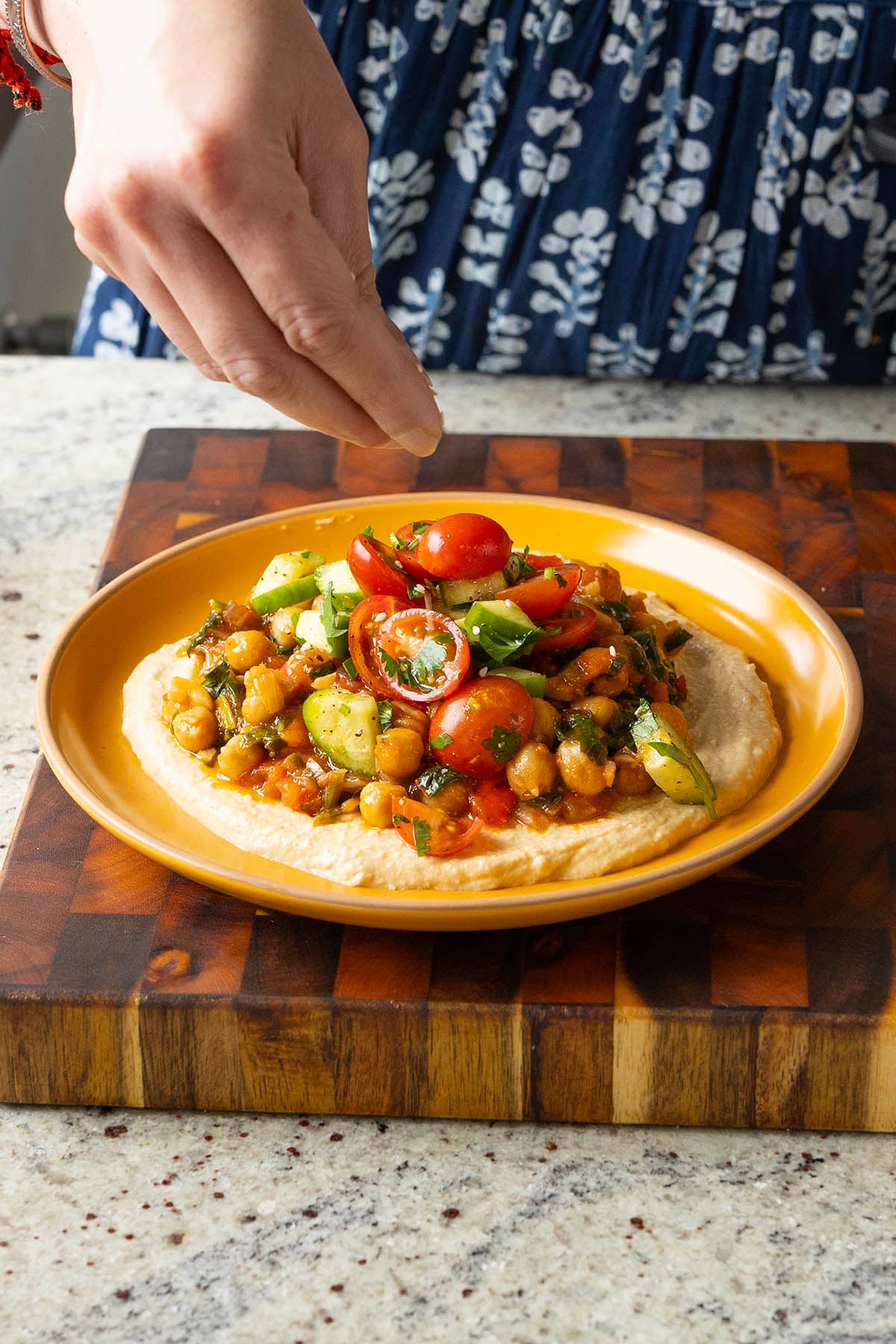
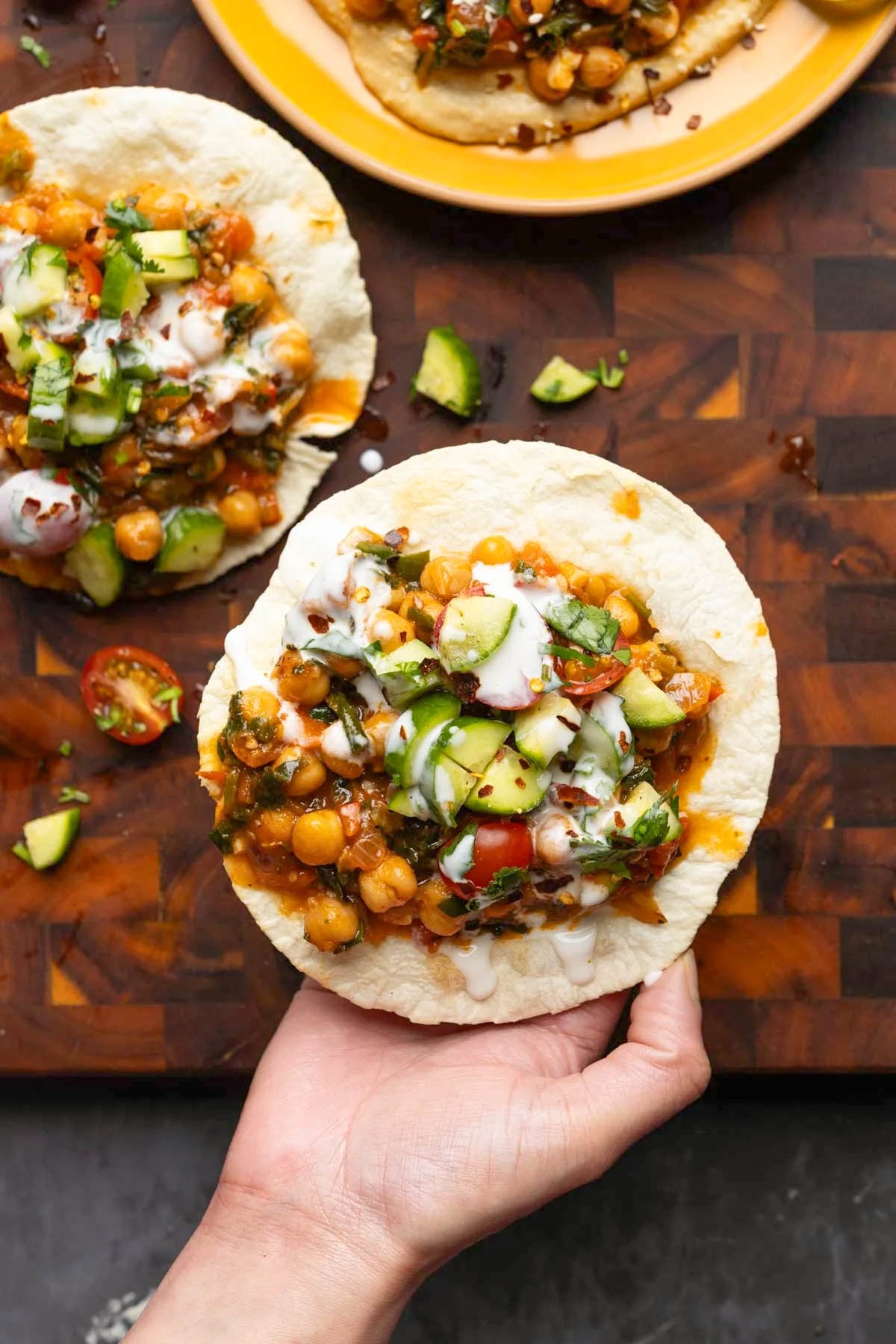
The versatility of peri-peri chickpeas is a significant draw. The article suggests several serving options, catering to diverse meal preferences. They can be elegantly presented in bowls, served alongside grains like rice or quinoa, or atop a fluffy baked potato. For a portable and handheld option, they are ideal for filling wraps or flatbreads, perhaps with a dollop of non-dairy yogurt for added creaminess. A more elaborate presentation can involve a dip platter, where the chickpeas are spooned over a creamy base such as hummus or thick plant-based yogurt, garnished generously. For a crunchy snack or appetizer, they can be served on crispy air-fried tortillas as tostadas.
Nutritional Considerations and Allergy-Friendliness
A key aspect highlighted in the recipe’s presentation is its allergy-friendly nature. The dish is naturally gluten-free, nut-free, and soy-free, making it accessible to a wide range of dietary needs and preferences. This inclusive approach aligns with the growing demand for plant-based recipes that cater to common allergens without compromising on flavor or quality. The article provides detailed nutritional information, indicating approximate calorie counts, macronutrient breakdowns, and key vitamin and mineral content, offering transparency for health-conscious consumers.
The recipe also addresses the potential for excessive heat. For those sensitive to spice, it suggests adjusting the amount of peri-peri sauce or incorporating creamy elements like non-dairy yogurt or cream to temper the heat. This flexibility empowers individuals to customize the dish to their personal taste preferences.
The global adaptation of peri-peri sauce is a testament to its widespread appeal. While the article mentions its Southern African origins, it also touches upon its presence in other culinary landscapes. The inclusion of a note on how to make homemade peri-peri sauce provides an additional layer of convenience for those who may not have access to pre-made versions. This DIY approach involves blending peri-peri chilies with garlic, lemon juice, vinegar, olive oil, and smoked paprika, offering a direct pathway to replicating the authentic flavor profile.
The underlying philosophy of the recipe, as presented by Vegan Richa, is to create flavorful, plant-based meals that are both accessible and enjoyable. The emphasis on one-pan cooking, natural allergen-friendliness, and adaptable spice levels underscores a commitment to practical, health-conscious, and delicious food for a broad audience. The integration of visually appealing imagery throughout the article further enhances its appeal, showcasing the vibrant colors and textures of the finished dish and its components, from the glossy chickpeas to the fresh salsa. The inclusion of a YouTube video tutorial further supports the recipe, providing visual guidance for home cooks.
The historical context of peri-peri sauce is rooted in Portuguese exploration and trade routes that brought chilies from the Americas to Africa. Over centuries, these chilies were cultivated and integrated into local culinary traditions, giving rise to the distinct peri-peri sauce. Its popularity surged in the late 20th century, largely through the expansion of peri-peri chicken restaurant chains, which brought the distinct flavor to a global audience. This has led to increased availability of peri-peri sauces in supermarkets worldwide, making dishes like these peri-peri chickpeas more accessible than ever before.
The broader implications of such recipes extend beyond individual kitchens. As plant-based eating continues to gain traction, the development and dissemination of versatile, flavor-forward vegan dishes are crucial. Peri-peri chickpeas exemplify how traditional flavors can be thoughtfully adapted into plant-based formats, appealing to both dedicated vegans and flexitarians seeking to reduce their meat consumption. The recipe’s success on platforms like Vegan Richa, which focuses on inclusive and accessible plant-based cooking, highlights a growing market for innovative and satisfying vegan meals. The focus on a single pan for preparation not only appeals to busy individuals but also aligns with sustainability efforts by minimizing energy consumption and waste.
The inherent health benefits of chickpeas, rich in protein, fiber, and essential nutrients, combined with the vibrant antioxidants found in tomatoes and bell peppers, contribute to the dish’s nutritional value. While the peri-peri sauce adds a spicy element, the controlled use of ingredients and the option to moderate heat ensure that the dish remains a wholesome choice. The recipe’s emphasis on fresh ingredients, such as cucumber and cilantro, further bolsters its health profile.
In conclusion, the peri-peri chickpeas recipe represents a confluence of global flavors, culinary efficiency, and dietary inclusivity. It offers a compelling example of how plant-based cuisine can deliver bold, satisfying, and adaptable meals that cater to a modern palate. Its one-pan simplicity, vibrant taste profile, and allergy-friendly nature position it as a noteworthy addition to the repertoire of both novice and experienced home cooks. The dish’s appeal lies not only in its deliciousness but also in its ability to bring an exciting, spicy, and globally inspired experience to the dinner table with minimal effort.