The global plant-based food market has experienced exponential growth over the past decade, driven by shifting consumer preferences toward health, sustainability, and ethical dining. Within this landscape, a prominent culinary trend has emerged: home-cooked plant-based adaptations of popular fast-casual and quick-service restaurant dishes. Culinary developers and food content creators are increasingly focusing on "copycat" recipes, transforming traditional meat- and dairy-heavy favorites from major chains like Chipotle, Olive Garden, Starbucks, and Panda Express into accessible, everyday vegan meals.
This movement reflects a broader structural change in home economics and dietary habits. As inflation and rising dining-out costs constrain household food budgets, consumers are looking for ways to replicate restaurant-quality experiences at home. Plant-based copycat recipes bridge the gap between commercial cravings and ethical eating, offering a cost-effective, customizable alternative to takeout culture.
The Evolution of Plant-Based Cooking and the Rise of Copycats
The genesis of modern vegan copycat recipes stems from a dual motivation among home cooks: nostalgia for pre-vegan comfort foods and the economic inefficiency of paying premium prices for items easily replicated with pantry staples. Historically, commercial vegan dining was limited to specialized restaurants or restricted to bland, unprocessed vegetable substitutes. However, advancements in texturized vegetable proteins, seitan production, and the culinary application of everyday ingredients like tofu, cashews, and nutritional yeast have revolutionized the sector.
Culinary developers note that the appeal of these recipes lies in reverse-engineering the exact flavor profiles—such as the smoky heat of Chipotle’s adobo sauce or the rich umami of traditional Italian Alfredo—using plant-based parameters. Rather than relying on specialized commercial meat alternatives, many successful home recipes utilize whole foods like beans, lentils, and cruciferous vegetables, making gourmet plant-based eating accessible to a broader demographic.
Categorizing the Classics: Recreating Iconic Menus at Home
The trend spans multiple segments of the restaurant industry, ranging from Mexican-inspired grills to Italian chains, coffeehouses, and comfort food institutions.
Fast-Casual Mexican: The Chipotle Phenomenon
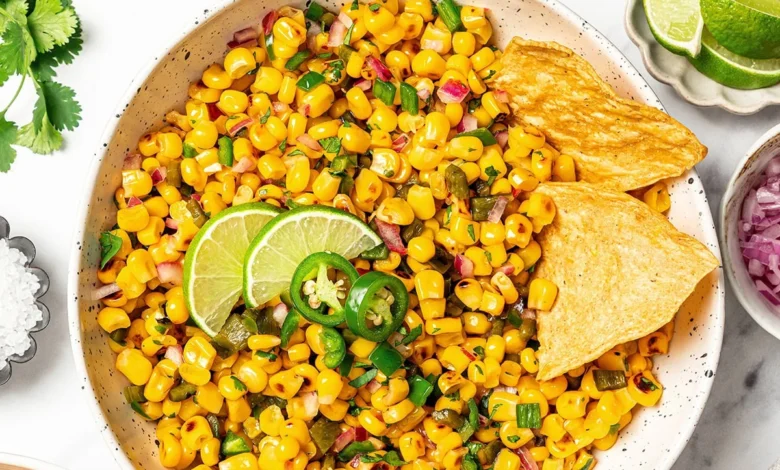
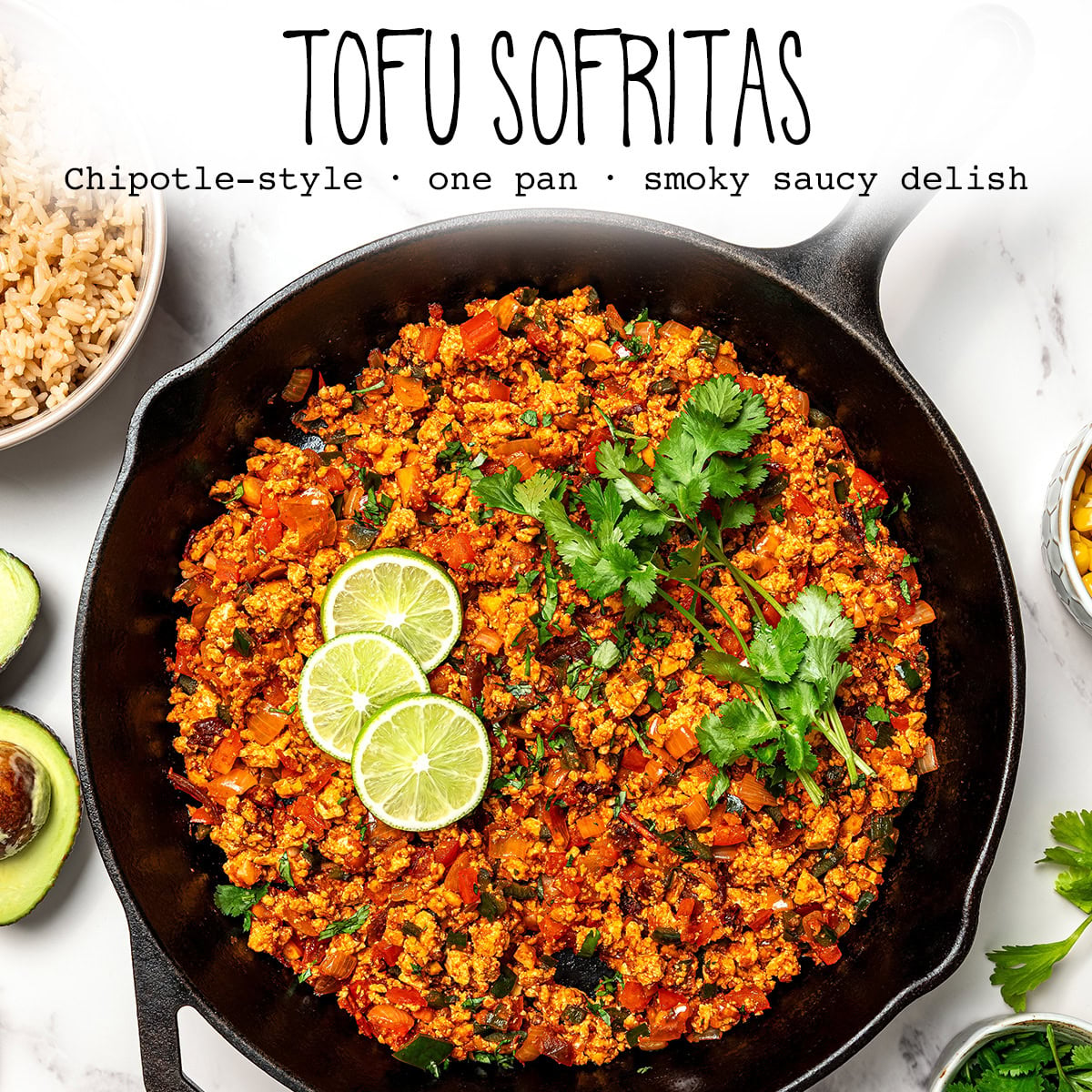
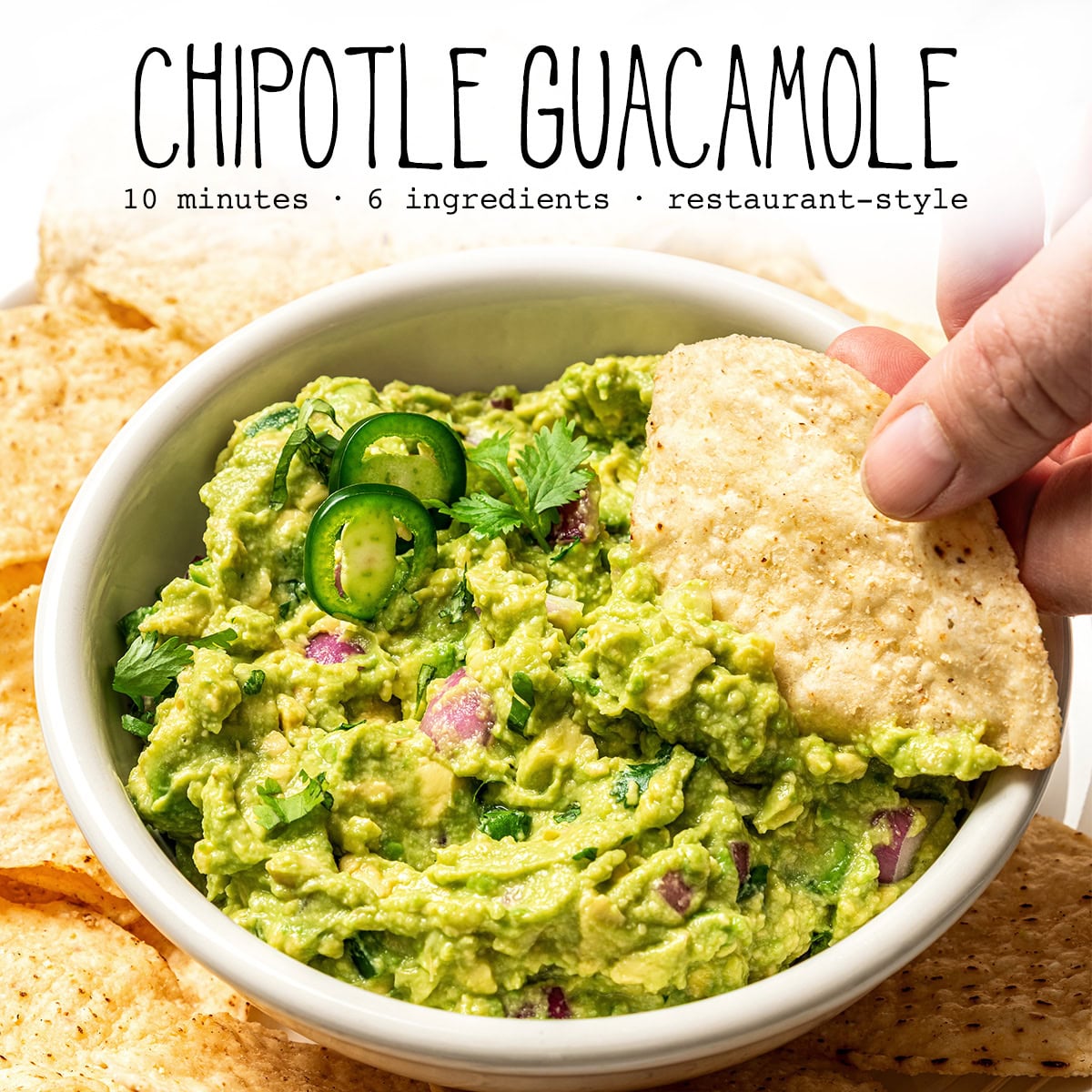
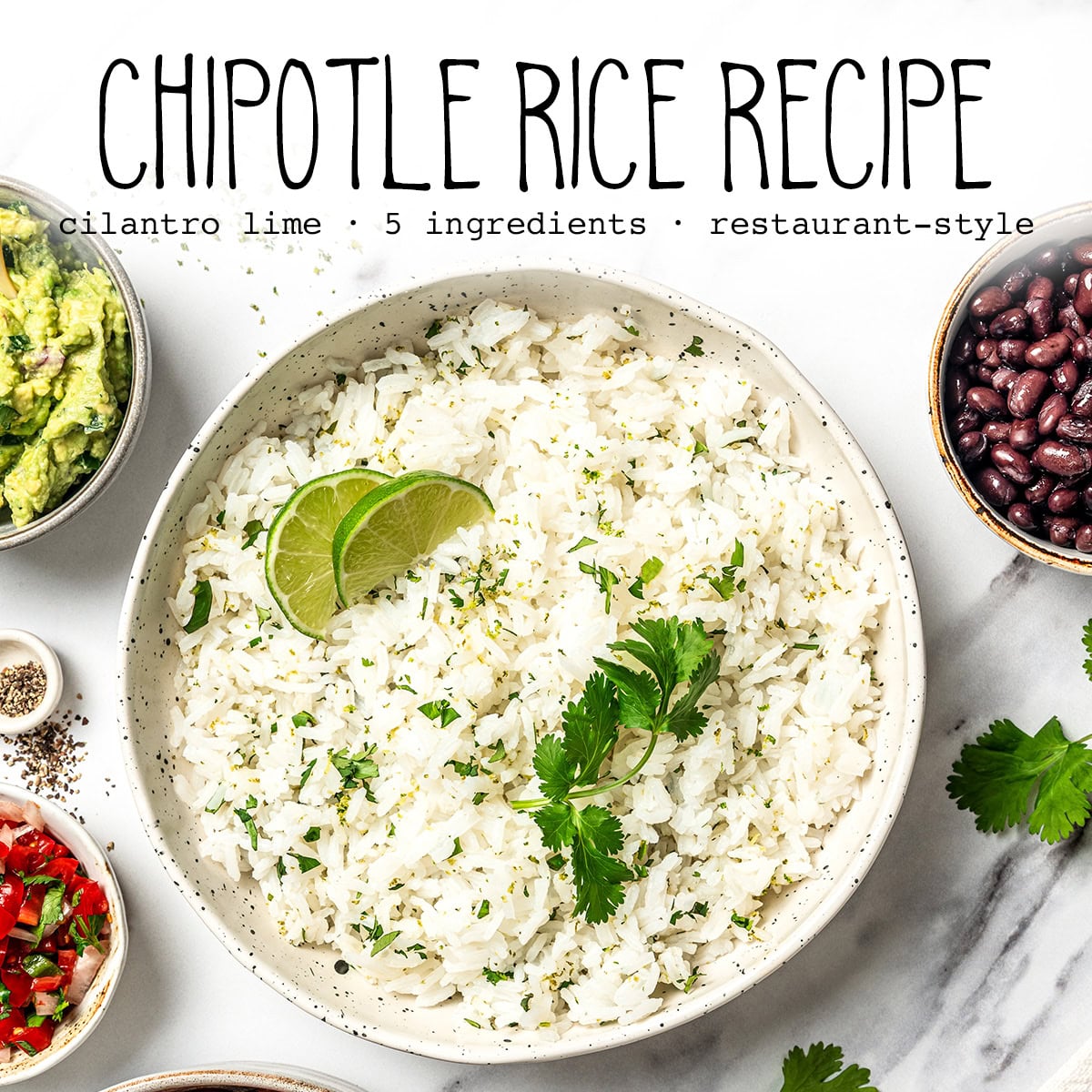
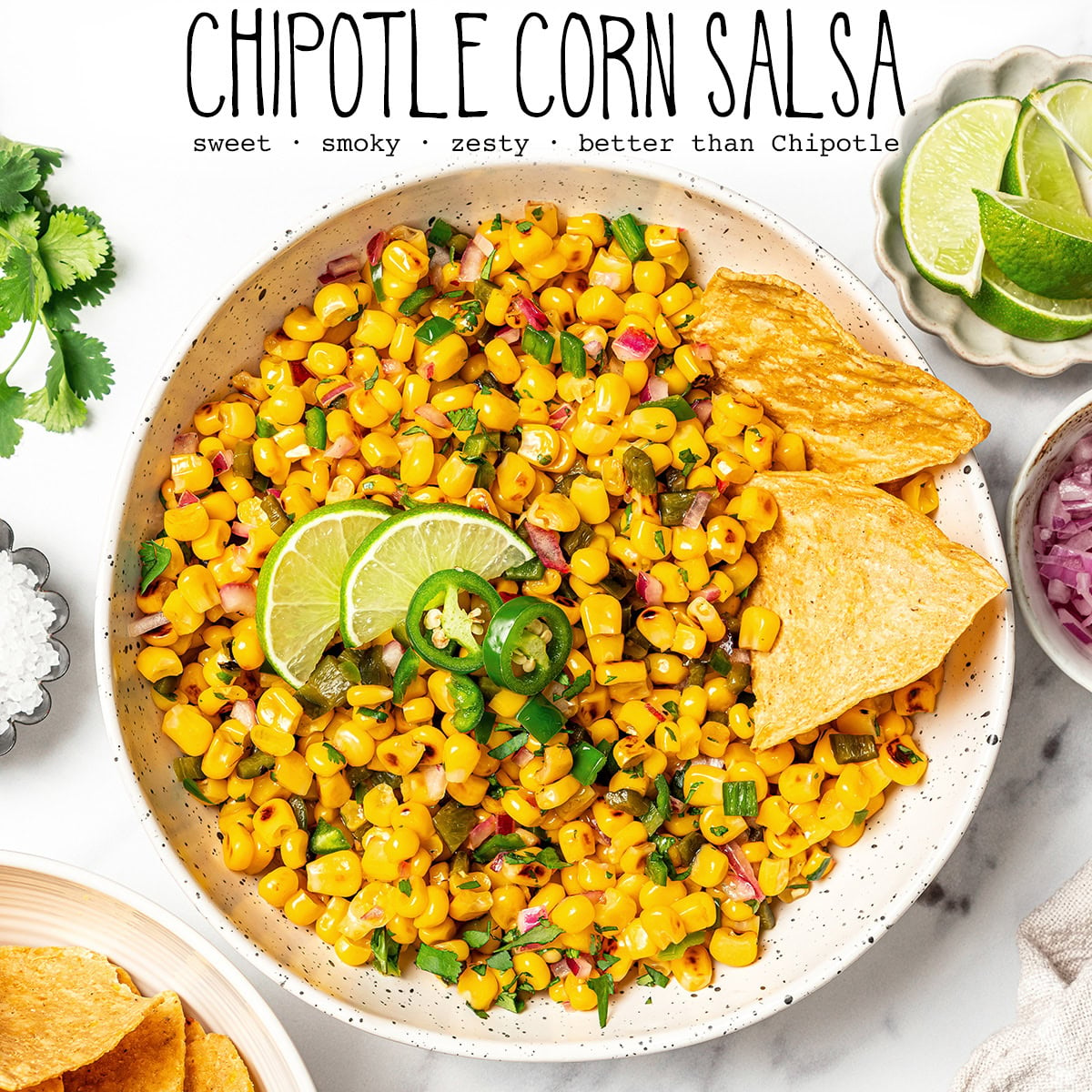
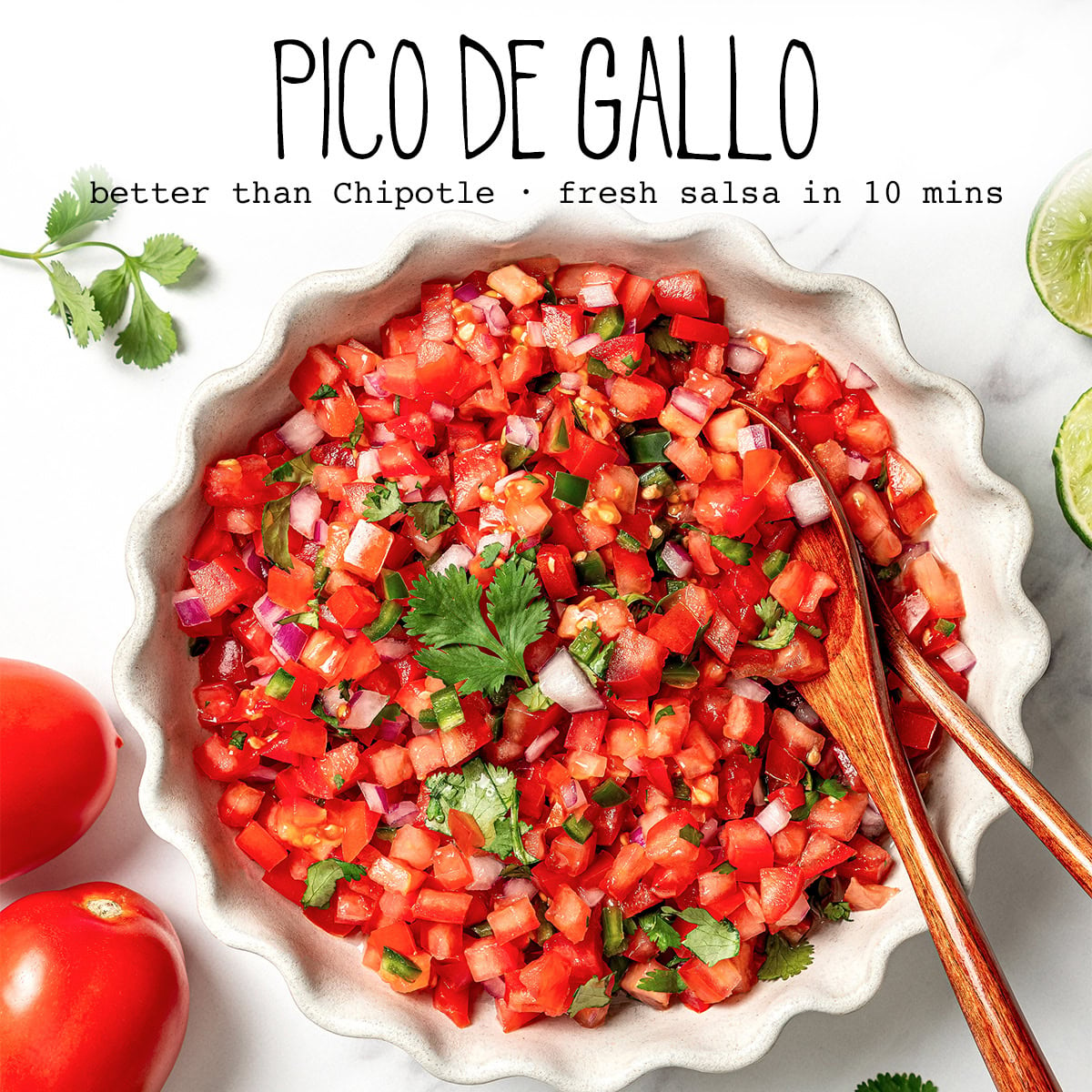
Replicating the modular menu of fast-casual chains has become a staple of modern home cooking. Central to these adaptations is the transformation of high-protein tofu into "sofritas"—braised in a rich blend of poblano peppers, chipotle chiles in adobo, and aromatic spices. Complementary components, including cilantro-lime rice, sweet corn and roasted poblano salsa, fresh guacamole, and pico de gallo, allow consumers to build complete burrito bowls and tacos entirely from scratch. These recipes emphasize high protein content and gluten-free adaptability without sacrificing the vibrant acidity and spice characteristic of the original dishes.
Italian Comfort: The Olive Garden At-Home Experience
Casual Italian dining chains are frequently associated with dairy-heavy comfort foods, making them prime candidates for plant-based innovation. Home adaptations of restaurant staples have successfully removed dairy and animal fats while retaining traditional textures and mouthfeel.

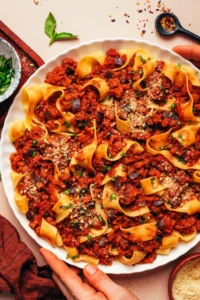
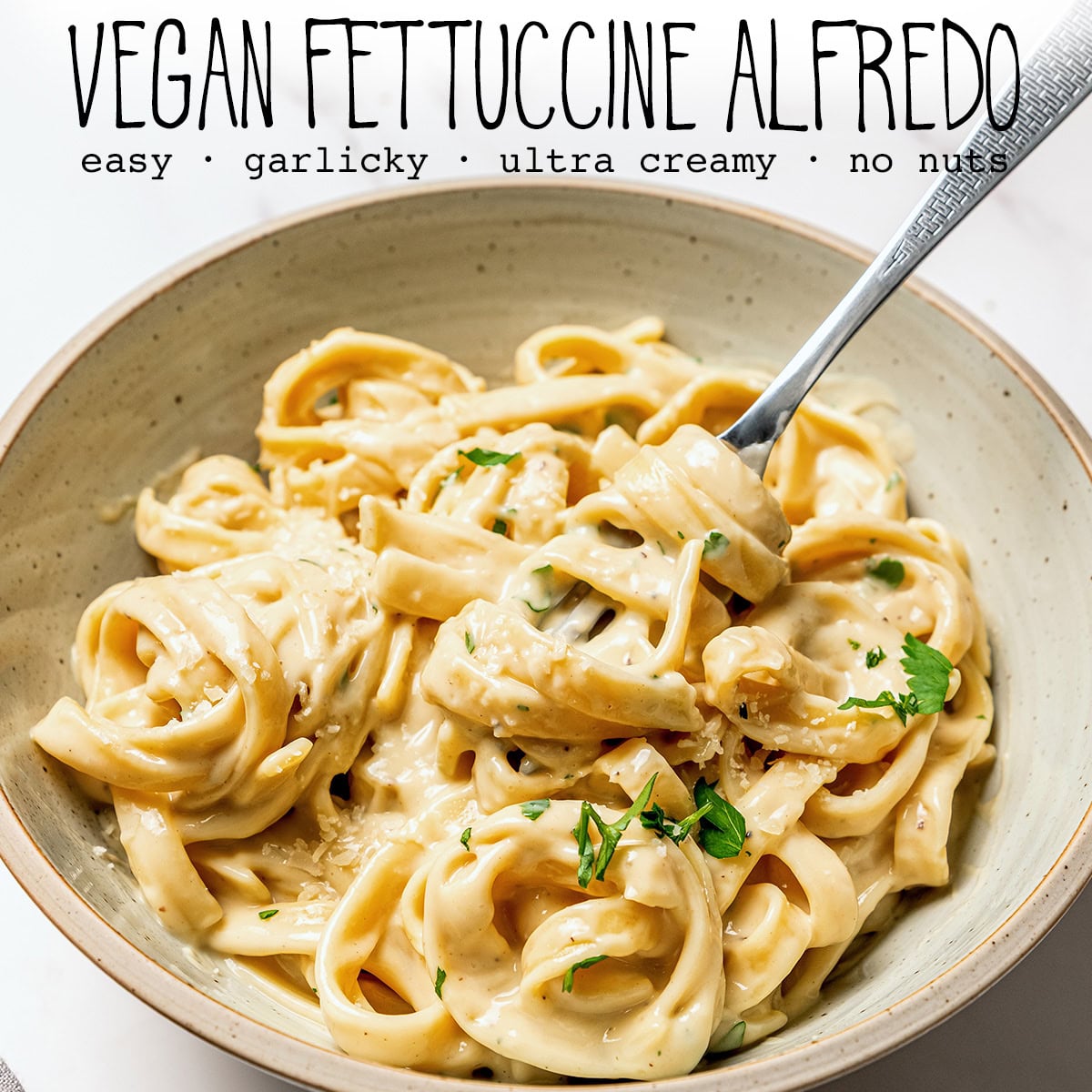
- Fettuccine Alfredo: Traditional heavy cream and parmesan are replaced with accessible pantry ingredients to create a silky, garlicky sauce without the need for complex blending techniques or expensive tree nuts.
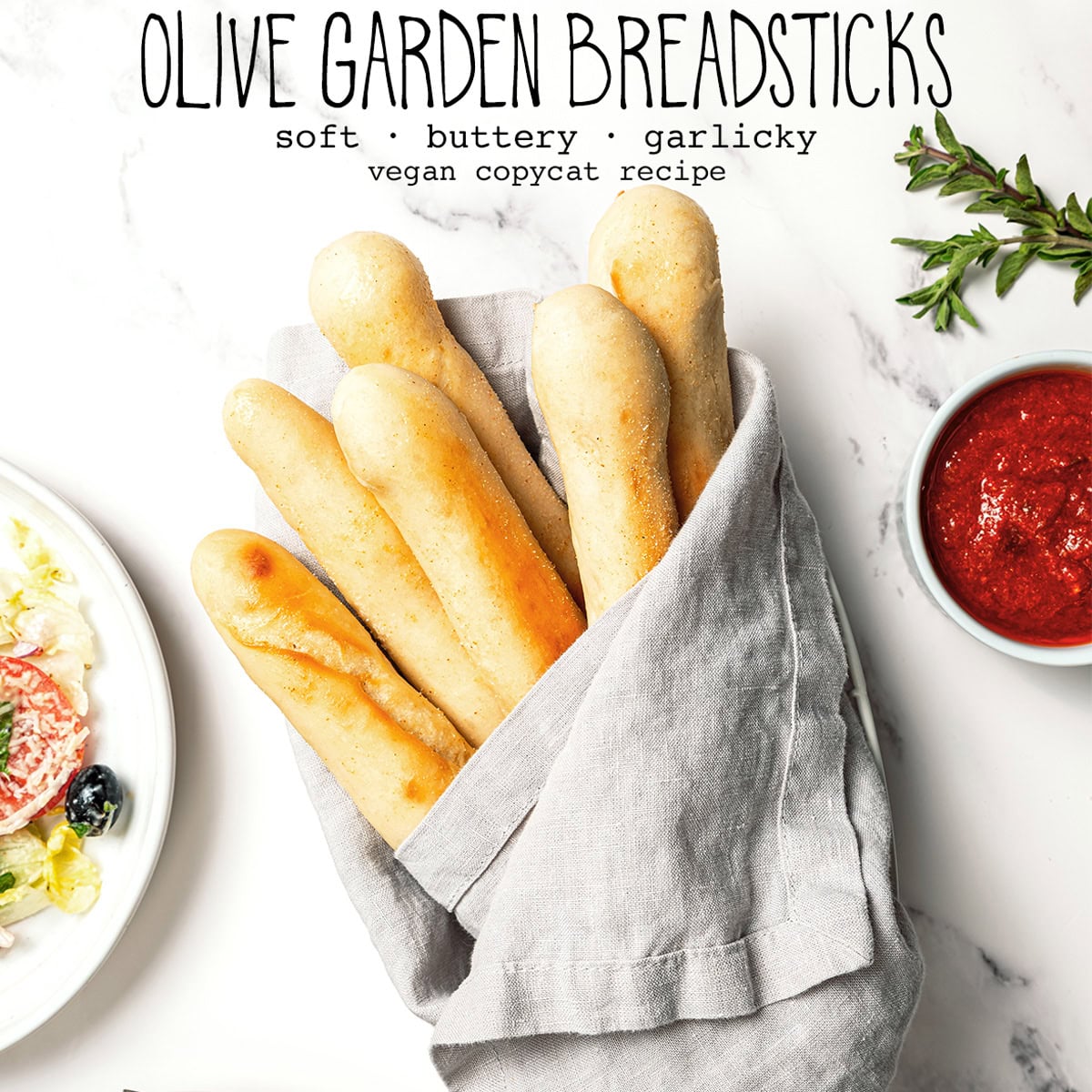
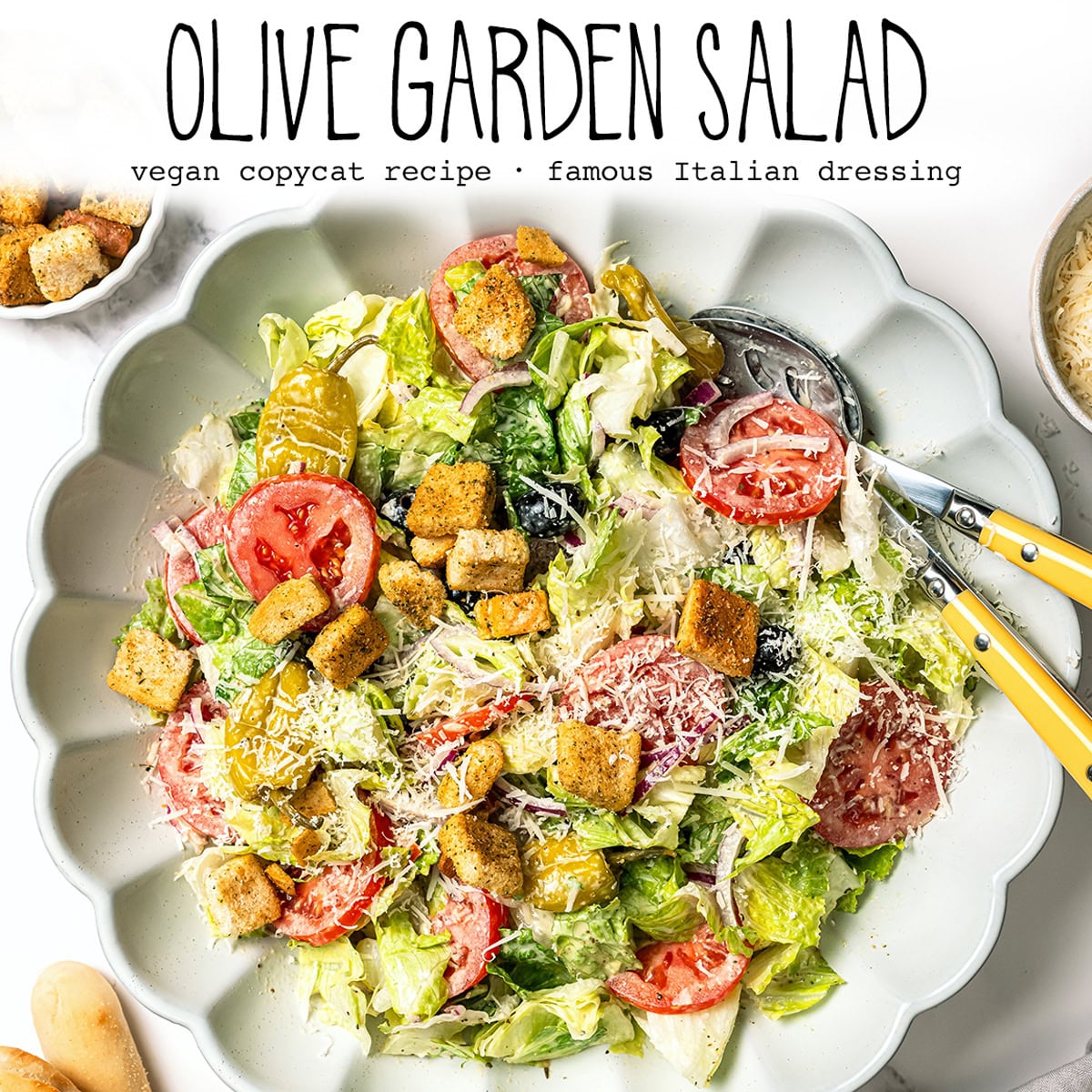
- Soups and Breads: Veganized versions of Zuppa Toscana incorporate homemade plant-based sausage and nutrient-dense kale alongside tender potatoes, while warm, garlic-butter brushed breadsticks and classic house salads provide the complete sit-down restaurant experience in a residential setting.
Coffeehouse Culture: Starbucks-Inspired Breads and Lattes
The commercial coffeehouse sector has long driven consumer demand for seasonal flavors and baked goods. Plant-based home cooks have systematically decoded these menus to bypass premium café markups.
- Baked Goods: The popular Starbucks lemon loaf has been successfully reformulated into an egg- and dairy-free cake featuring a dense, moist crumb and a bright citrus glaze.
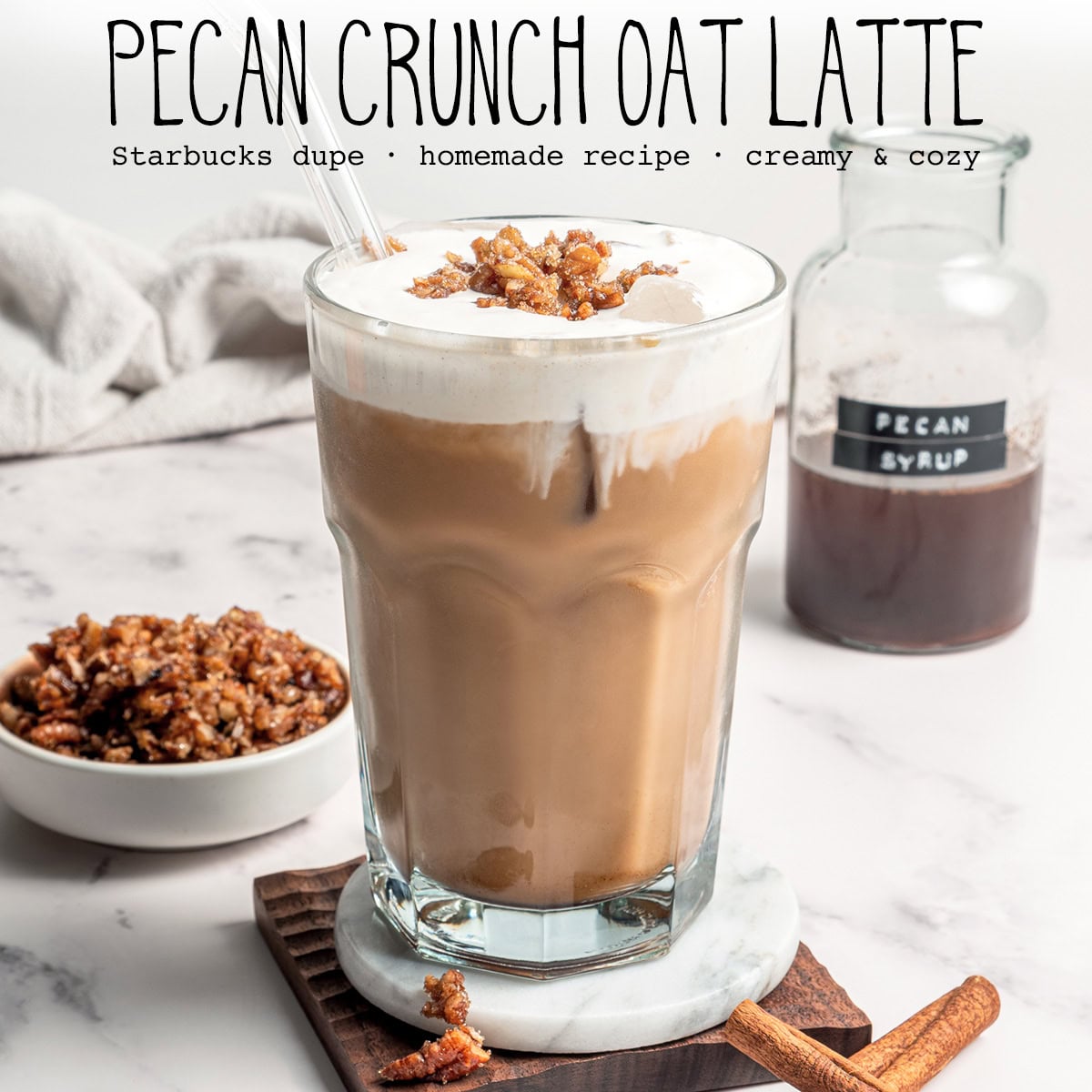
- Beverages: Dairy-free variations of autumn and winter staples—such as pumpkin spice lattes, cinnamon dolce coffee syrups, and pecan crunch oat lattes—demonstrate that specialty coffee culture can be easily replicated using standard kitchen equipment in under ten minutes.
Quick-Service and Casual Dining Staples
Beyond fast-casual and coffee chains, home cooks are tackling iconic items from fast-food giants and casual dining mainstays.
- Panda Express: Orange chicken is reimagined using crispy pan-fried tofu tossed in a tangy, sweet citrus glaze, offering a high-protein, one-pan alternative that reduces cooking time and sodium content compared to traditional takeout.
- Red Lobster and Buca di Beppo: Plant-based iterations of Cheddar Bay biscuits and garlic bread utilize vegan cheddar shreds and dairy-free butter substitutes to mirror the flaky, buttery textures of the originals.
- Game-Day Classics: Buffalo Wild Wings is mirrored through crispy, baked cauliflower wings coated in spicy buffalo sauce, utilizing a cornflake crust to achieve the necessary crunch without deep-frying.
- Convenience Foods: Modern home kitchens are even producing gourmet versions of mass-market convenience foods, such as dairy-free Big Mac-style salads, homemade hamburger helper utilizing seasoned tofu crumbles, and plant-based California sushi rolls.
Sweet Confections and Bakery Standards
The replication of commercial sweets, confections, and bakery items represents a technically demanding yet highly popular category of plant-based cooking. Culinary experimentation has yielded dairy- and egg-free equivalents of mass-market and bakery favorites:
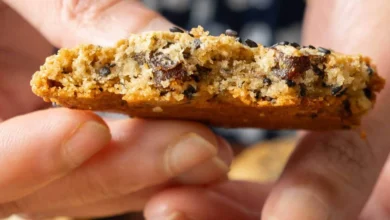
- Donuts: Both glazed yeast rings (mirroring Krispy Kreme) and baked powdered or double-chocolate varieties (inspired by Dunkin’ Donuts) provide traditional textures using simplified baking methods.
- Pastries: Yeast-free cinnamon buns replicate commercial cinnamon rolls without requiring extensive proofing times, while soft frosted sugar cookies capture the distinct, cake-like texture of commercial bakery treats.
- Candy and Confections: Homemade peanut butter cups, coconut-filled chocolate bars (similar to Mounds or Bounty), and liquid-center chocolate crème eggs demonstrate that complex confectionery products can be successfully executed at home using straightforward molding and chilling techniques.
Economic and Health Implications of the Copycat Movement
The widespread adoption of plant-based copycat cooking carries significant implications for consumer spending and nutritional health.

From an economic perspective, preparing restaurant-style meals at home addresses significant inflationary pressures on food services. With restaurant prices rising steadily, consumers are utilizing home-cooking strategies to mitigate dining-out expenses. Ingredients such as tofu, dry beans, seasonal vegetables, and basic baking staples offer a high volume of meals at a fraction of commercial retail costs. Furthermore, the inclusion of freezer-friendly instructions and make-ahead components supports efficient meal planning for busy households.
Nutritionally, home preparation grants consumers complete oversight over ingredient selection and macronutrient profiles. Commercial restaurant foods frequently incorporate high quantities of sodium, saturated fats, and refined sugars to enhance palatability. By controlling these elements in a home kitchen, individuals can adapt recipes to meet specific dietary requirements—such as gluten-free, oil-free, or high-protein protocols—while retaining the sensory satisfaction of their favorite culinary brands.

Future Outlook for Plant-Based Culinary Trends
As home-cooking content continues to proliferate across digital platforms, the sophistication of plant-based copycat recipes is expected to advance. Food developers anticipate continued innovation in texture emulation, particularly in recreating complex fermented cheeses, cured meats, and specialized bakery items. The intersection of convenience, economic pragmatism, and dietary customization ensures that plant-based adaptations of restaurant favorites will remain a dominant fixture in contemporary home economics and culinary culture.