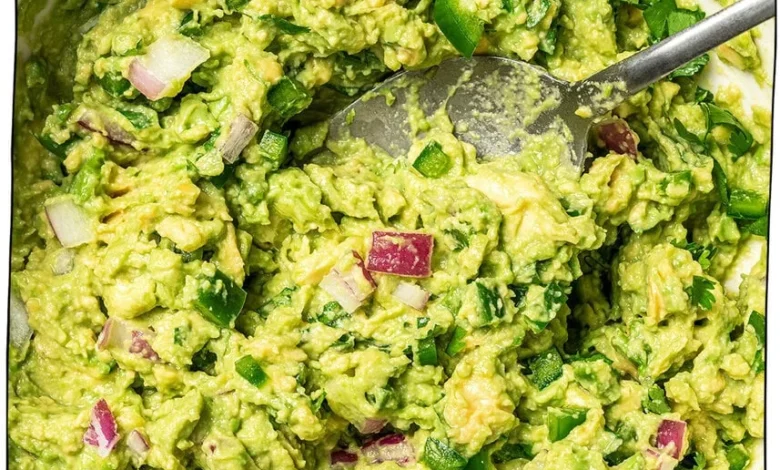
The ubiquitous appeal of Chipotle’s guacamole, a beloved staple that commands an additional charge on the menu, is rooted in its deceptively simple yet profoundly satisfying flavor profile. This popular dish, celebrated for its creamy texture and vibrant, fresh taste, is achieved through a precise combination of ripe avocados, zesty lime juice, sharp red onion, aromatic cilantro, a hint of jalapeño for warmth, and a touch of salt. The ease with which this culinary delight can be recreated at home, requiring mere minutes to assemble, makes it an indispensable accompaniment to a wide array of Mexican-inspired dishes, from hearty tacos and customizable burrito bowls to simple, satisfying dips.
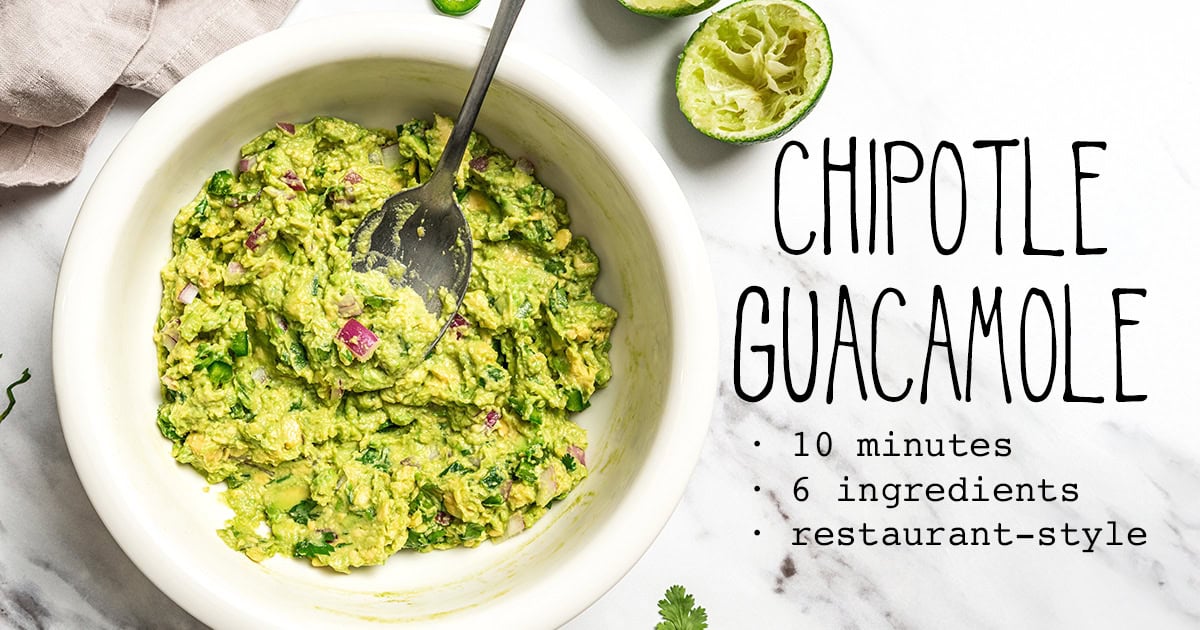
The culinary phenomenon that is Chipotle’s guacamole transcends the typical expectations of a side dish. Its consistent popularity, evidenced by the willingness of patrons to incur an extra cost, suggests a perceived value that goes beyond mere ingredients. Industry analysts and food critics have long pointed to Chipotle’s commitment to fresh, high-quality ingredients as a core tenet of its brand identity. This philosophy is particularly evident in their approach to guacamole, which eschews common additions like tomatoes. This deliberate omission serves a dual purpose: it prevents the guacamole from becoming watery, a common pitfall that dilutes the rich, inherent flavor of the avocado, and it allows the natural creaminess and taste of the avocado to take center stage. Furthermore, the textural element is crucial; maintaining a slightly chunky consistency, rather than a completely smooth purée, provides a more engaging and authentic mouthfeel, mirroring the restaurant’s signature style. This meticulous attention to detail in a seemingly straightforward dish underscores Chipotle’s success in cultivating a loyal following that actively seeks out and appreciates its signature flavors.
The Art of Simplicity: Deconstructing the Chipotle Guacamole
At its heart, the secret to Chipotle’s irresistible guacamole lies in its commitment to a minimalist approach. The ingredient list, often perceived as a closely guarded secret, is remarkably straightforward: ripe avocados form the creamy foundation, brightened by the essential tang of fresh lime juice. Finely diced red onion introduces a subtle sharpness, while fresh cilantro lends its distinctive herbaceous notes. A touch of finely minced jalapeño provides a gentle warmth, carefully calibrated to enhance rather than overpower, and a judicious amount of salt balances and amplifies all the flavors. This carefully curated selection of ingredients, when expertly combined, creates a symphony of taste and texture that has captivated consumers nationwide.
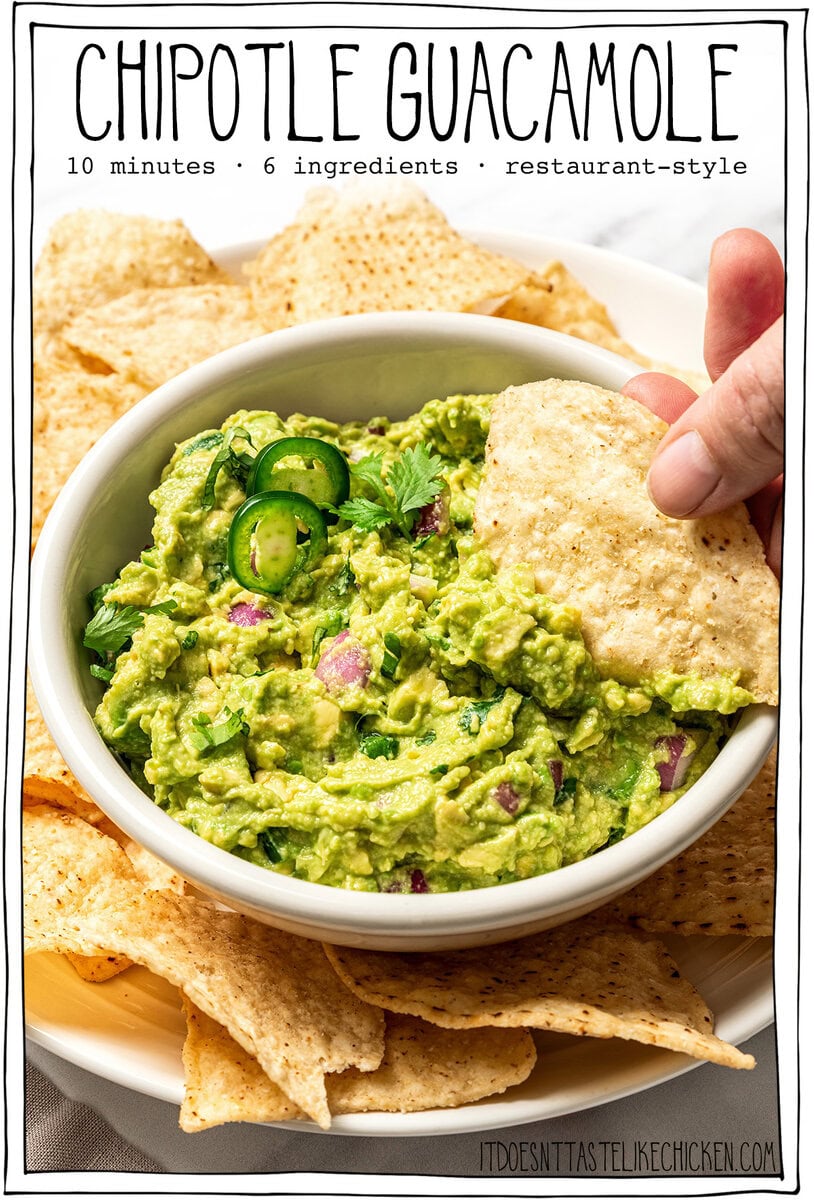
The decision to omit tomatoes is a critical differentiator for Chipotle’s guacamole. While many traditional guacamole recipes incorporate diced tomatoes, Chipotle’s approach recognizes that tomatoes can introduce excess moisture, potentially leading to a less desirable, watery consistency. Moreover, the acidity and water content of tomatoes can sometimes mask the delicate, buttery flavor of the avocados, which is the star of the dish. By focusing on the core elements, Chipotle ensures that the natural richness and creaminess of the avocado are allowed to shine through, unadulterated and at their absolute best. This deliberate choice underscores a culinary philosophy that values purity of flavor and textural integrity above all else.
A Culinary Phenomenon: The Rise of Chipotle’s Guacamole
Chipotle Mexican Grill, founded in 1993, has carved a significant niche in the fast-casual dining landscape by emphasizing fresh ingredients, customizable meals, and a commitment to "food with integrity." The company’s consistent growth and the enduring popularity of its menu items, particularly its signature guacamole, are testaments to its successful business model and its ability to resonate with a health-conscious and flavor-seeking consumer base. The introduction of guacamole as a premium add-on option, rather than a standard component, highlights its perceived value and desirability. This strategic pricing has not deterred customers; rather, it has reinforced the idea that this particular guacamole is a special indulgence, worthy of the extra cost.
The strategy behind Chipotle’s guacamole extends beyond mere taste; it’s a component of a broader brand narrative that emphasizes transparency and quality. In an era where consumers are increasingly interested in the provenance of their food, Chipotle’s open approach to its ingredients and preparation methods has fostered trust and loyalty. The simplicity of their guacamole recipe, when revealed, often comes as a surprise to those who assume a complex "secret ingredient." Instead, it reinforces the message that exceptional flavor can be achieved through the careful selection and harmonious blending of a few high-quality, fresh components. This resonates with a growing trend towards mindful eating and a desire for less processed, more natural food options.
Mastering the Copycat: Replicating the Chipotle Experience at Home
For home cooks eager to recreate the beloved Chipotle experience, replicating their signature guacamole is an achievable culinary endeavor. The process is remarkably straightforward, focusing on fresh ingredients and a specific preparation technique.
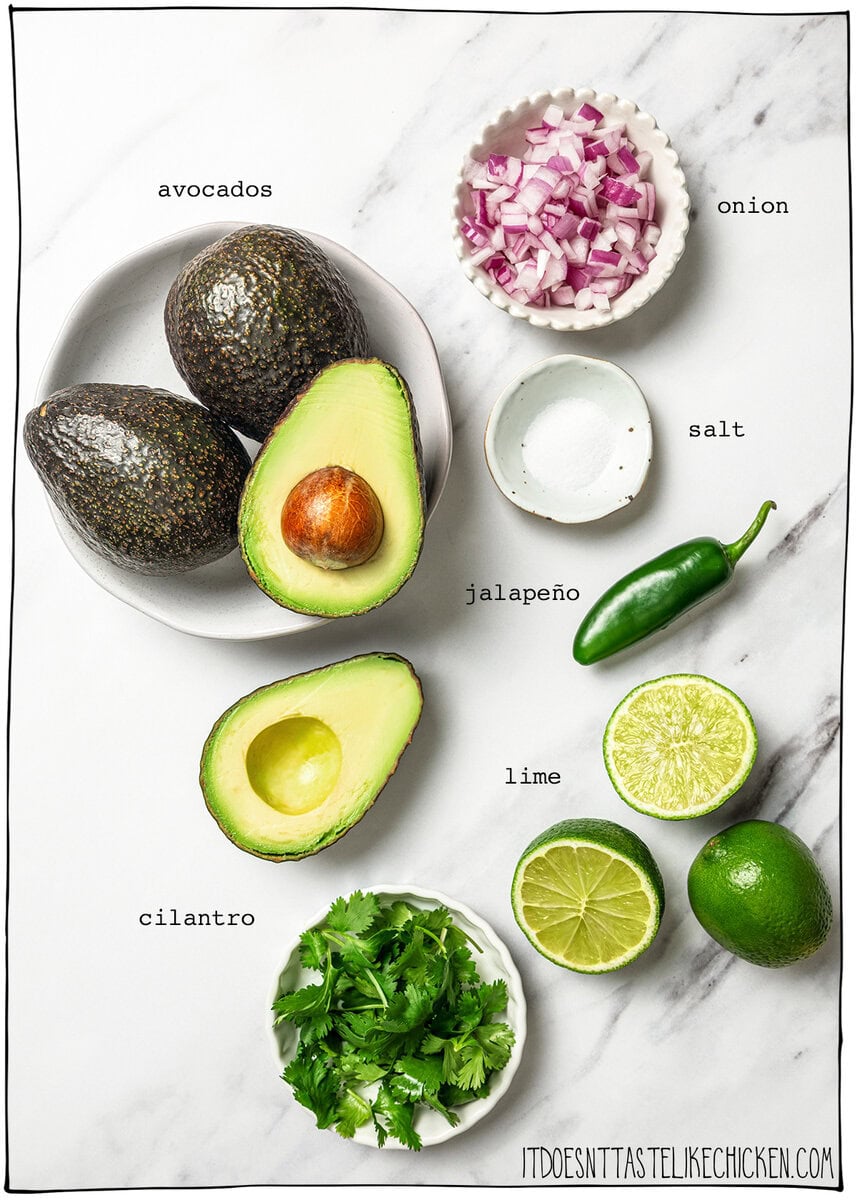
Key Ingredients for Authentic Chipotle Guacamole:
- Ripe Avocados: The cornerstone of any great guacamole, ripe avocados are essential for achieving the desired creamy texture and rich flavor. Hass avocados are generally preferred for their smooth texture and high oil content. Selecting avocados that yield slightly to gentle pressure is key. If purchasing firm avocados, they can be ripened at room temperature for a few days. For longer storage of ripe avocados, refrigeration can help slow the ripening process.
- Fresh Lime Juice: The acidity of lime juice is crucial for balancing the richness of the avocado and preventing oxidation, which causes browning. Freshly squeezed lime juice is paramount for achieving the bright, zesty flavor characteristic of Chipotle’s recipe. Bottled lime juice can lack the vibrant flavor and may introduce unwanted preservatives.
- Red Onion: Finely diced red onion provides a sharp, pungent counterpoint to the creamy avocado. The size of the dice is important; overly large pieces can be overpowering, while too fine a mince might integrate too seamlessly. Aim for small, uniform pieces that offer a pleasant textural contrast.
- Fresh Cilantro: The herbaceous notes of fresh cilantro are indispensable. Chopped cilantro adds a layer of freshness and complexity that complements the other ingredients. Ensure the cilantro is fresh and vibrant for the best flavor.
- Jalapeño: For a subtle kick of heat, finely minced jalapeño is used. The amount can be adjusted to personal preference. To control the spice level, the seeds and inner membranes of the jalapeño can be removed before mincing. Leaving some or all of them in will increase the heat.
- Salt: A fundamental seasoning, salt enhances all the other flavors in the guacamole. The type of salt used can influence the overall taste, with sea salt or kosher salt often preferred for their clean flavor profiles.
The Method: Achieving the Perfect Texture
The preparation of Chipotle-style guacamole emphasizes a textural balance that distinguishes it from smoother, more puréed versions.
- Prepare the Avocados: Halve the ripe avocados, remove the pits, and scoop the flesh into a medium-sized bowl.
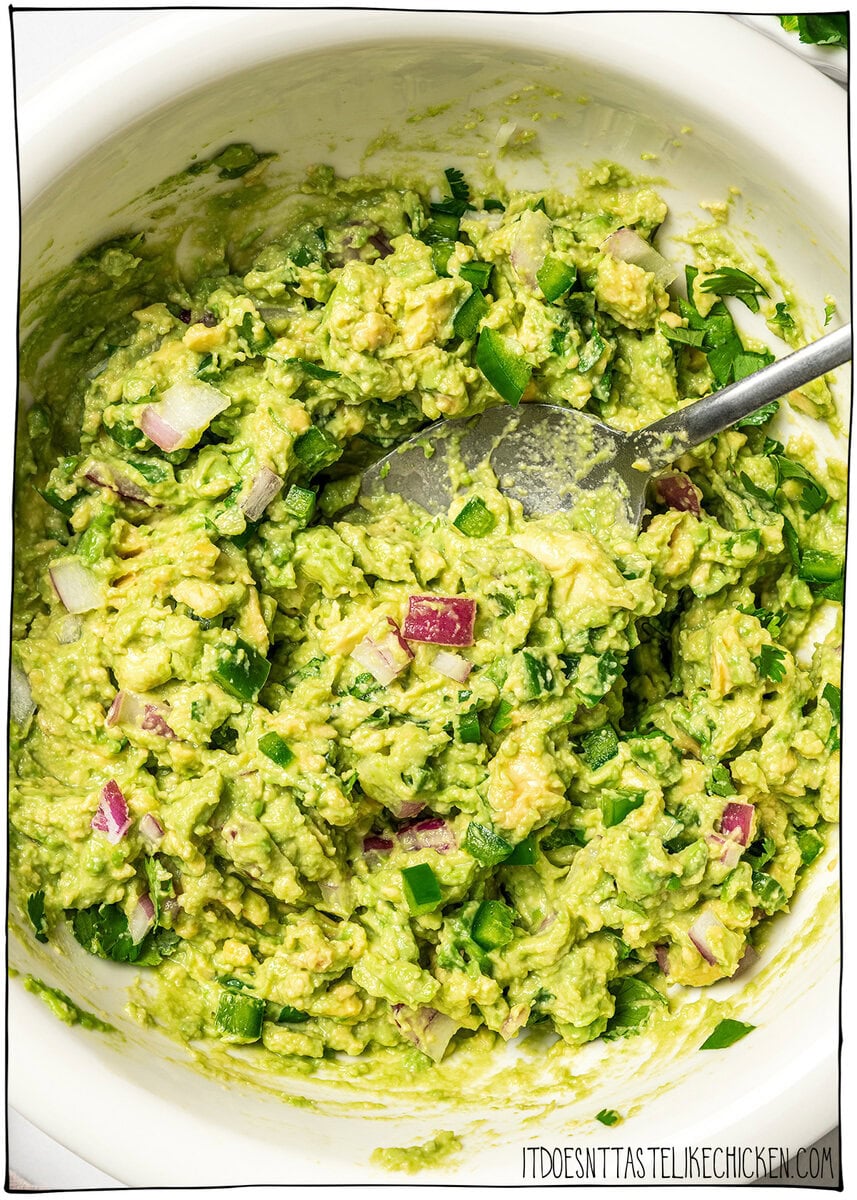
- Mash to Perfection: Using a fork or a potato masher, gently mash the avocado. The goal is to achieve a creamy consistency with some discernible chunks of avocado remaining. Avoid over-mashing, which can result in a paste-like texture.
- Incorporate the Aromatics and Flavorings: Add the finely diced red onion, chopped cilantro, minced jalapeño, and fresh lime juice to the bowl.
- Season and Mix: Sprinkle in the salt to taste. Gently fold all the ingredients together until just combined. It is important not to overmix, as this can break down the avocado further and lead to a less desirable texture.
- Taste and Adjust: Before serving, taste the guacamole and adjust the seasoning as needed. This may involve adding more salt, lime juice, or jalapeño depending on individual preferences.
Beyond the Dip: Versatile Uses for Chipotle Guacamole
While undoubtedly a star performer when served with tortilla chips, Chipotle-style guacamole offers a remarkable versatility that extends its culinary applications far beyond simple dipping. Its vibrant flavor and creamy texture make it an ideal enhancement for a multitude of dishes, elevating everyday meals into something more exciting.
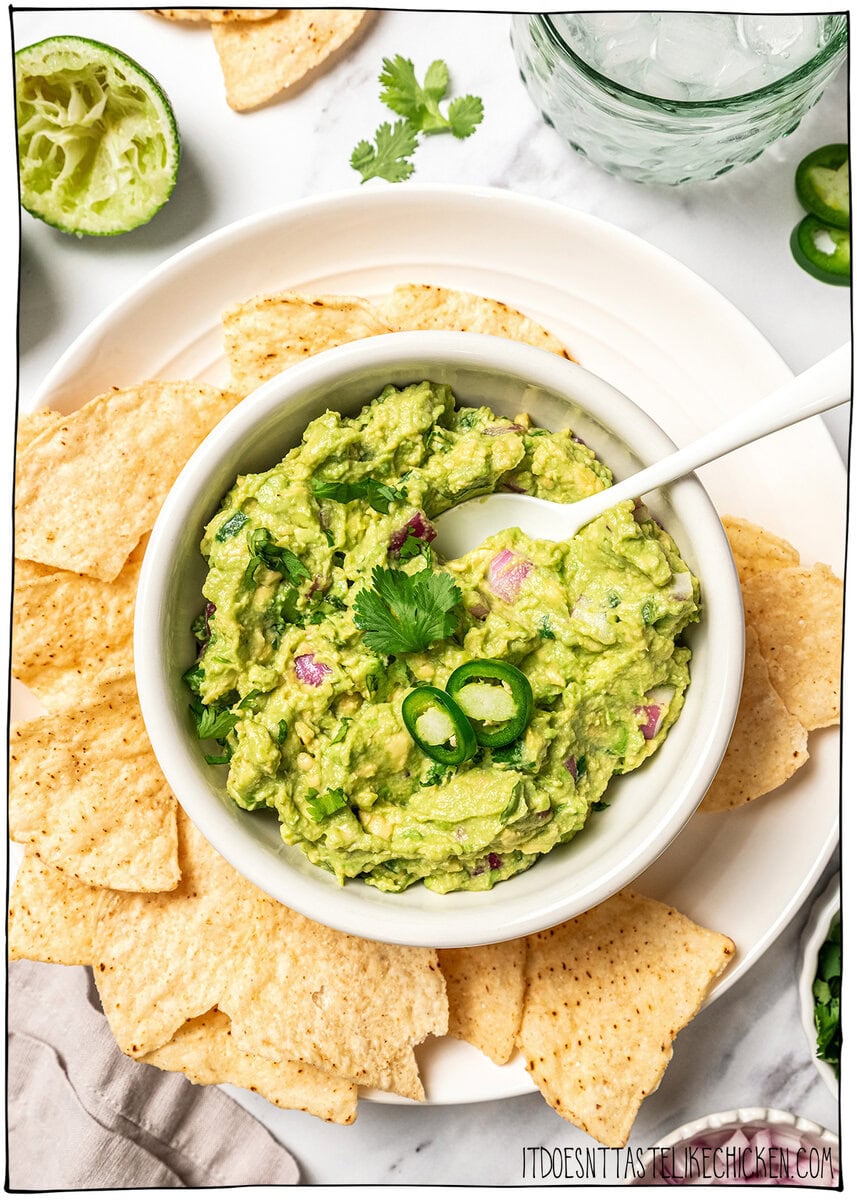
- Tacos and Burrito Bowls: This guacamole is an indispensable topping for tacos and burrito bowls, adding a layer of fresh richness that perfectly complements seasoned meats, beans, rice, and salsa. It provides a cooling counterpoint to spicier elements and a luxurious creaminess that binds the other components together.
- Sandwiches and Wraps: Spread a generous layer of guacamole onto sandwiches and wraps to add a burst of flavor and a satisfying texture. It pairs exceptionally well with grilled chicken, turkey, or vegetarian fillings.
- Salads: A dollop of this guacamole can transform a simple green salad into a more substantial and flavorful meal. It can act as a creamy dressing or a vibrant topping alongside other salad ingredients.
- Roasted Vegetables: Drizzled over roasted vegetables, guacamole adds a refreshing and creamy contrast. It complements the caramelized flavors of roasted broccoli, sweet potatoes, or Brussels sprouts beautifully.
- Scrambled Eggs and Omelets: For a quick and flavorful breakfast or brunch, top scrambled eggs or omelets with a spoonful of fresh guacamole. It provides a delightful richness and a touch of zest to start the day.
- Nachos and Quesadillas: As a topping or a dipping sauce, guacamole is a classic accompaniment to nachos and quesadillas, enhancing their cheesy, savory appeal.
Storage and Preservation: Maintaining Freshness
Guacamole, by its nature, is best enjoyed immediately after preparation to preserve its optimal freshness and vibrant green color. However, for occasions when leftovers are inevitable, a few methods can help extend its shelf life for a short period.
- Airtight Container: Store any leftover guacamole in an airtight container.
- Plastic Wrap Barrier: To minimize exposure to air, which causes browning, press a layer of plastic wrap directly onto the surface of the guacamole, ensuring there are no air pockets. This creates a physical barrier that slows down oxidation.
- Refrigeration: Refrigerate the container promptly. Properly stored, guacamole can typically remain fresh for up to 24 hours. However, it is important to note that some degree of browning may still occur, and the texture may slightly alter.
The inherent nature of avocados means that guacamole is a dish best consumed fresh. The vibrant green color and the distinct texture are at their peak shortly after preparation. While preservation techniques can mitigate browning, they cannot entirely replicate the experience of freshly made guacamole. Therefore, planning to consume the guacamole shortly after making it is the most effective way to savor its full flavor and visual appeal.