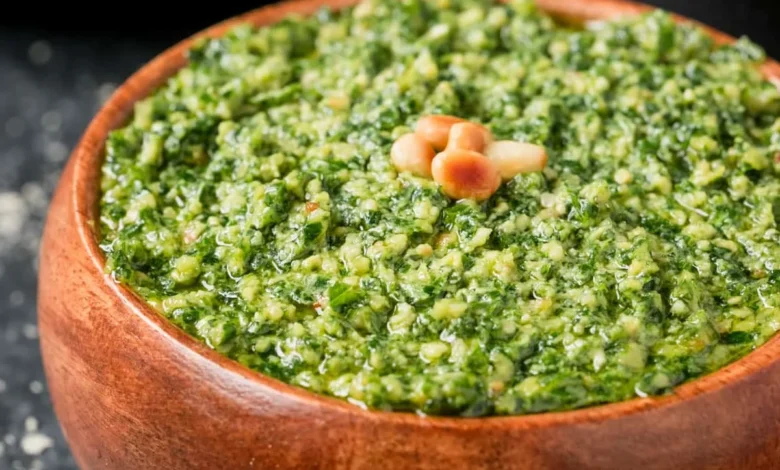
The emergence of kale as a primary ingredient for pesto marks a departure from traditional Italian culinary customs, which typically rely on Genovese basil. While basil is highly seasonal and prone to wilting, kale—a member of the Brassica oleracea family—offers a more robust texture and a longer shelf life, making it a staple in contemporary vegan meal preparation.

Nutritional Profile and Dietary Implications
From a nutritional standpoint, kale provides a significant source of vitamins A, K, and C, along with essential minerals such as calcium and potassium. When incorporated into a pesto format, these nutrients are complemented by the inclusion of healthy fats from extra virgin olive oil and the protein content of pine nuts or alternative seeds.
Recent industry data suggests that the demand for dairy-free, shelf-stable, or refrigerator-friendly condiments has risen by approximately 15% annually over the last three years. By replacing Parmesan cheese with nutritional yeast—a deactivated yeast product rich in B-complex vitamins—this recipe addresses the growing consumer requirement for lactose-free and plant-based protein options without sacrificing the characteristic "umami" profile associated with traditional Italian sauces.

Chronology of Preparation and Culinary Methodology
The preparation process for this dish is characterized by its efficiency, designed to cater to modern consumers who prioritize time-saving techniques. The systematic assembly of the dish follows a precise sequence:
- Preparation of the Flavor Base: The process begins by combining minced garlic with fresh lemon juice. This step is critical; the acidity of the lemon serves to mellow the harshness of raw garlic, a technique frequently employed in professional kitchens to achieve a balanced flavor profile.
- Toasting the Aromatics: Pine nuts, or occasionally alternatives like walnuts or sunflower seeds for a more cost-effective profile, are toasted in a dry pan until lightly golden. This thermal processing releases natural oils, which significantly enhances the depth of the finished sauce.
- Emulsification: The kale leaves, stripped of their fibrous stems, are processed with the flavor base, nutritional yeast, and Dijon mustard. The gradual addition of extra virgin olive oil ensures the development of a stable emulsion, resulting in a smooth, spreadable consistency.
This 10-minute turnaround time has positioned this recipe as a case study in "fast-prep" health cooking, a segment currently being emphasized by culinary educators to combat the reliance on processed, store-bought alternatives that often contain excessive sodium or preservatives.

Market Context and Consumer Trends
The rise of vegan pesto is not merely a niche culinary trend; it reflects the broader evolution of the "plant-forward" diet. According to recent market reports, the global plant-based condiment market is projected to reach significant valuations by 2030, driven by an increased awareness of cardiovascular health and the environmental benefits of a lower-meat intake.
Kale’s dominance in this sector is attributed to its resilience. Unlike basil, which requires specific growing conditions and rapid consumption, kale can be blanched or processed raw, allowing for a more forgiving preparation window. Furthermore, the ability to store the finished product in an airtight container for up to seven days, or to freeze it for up to three months, provides a level of logistical convenience that appeals to busy households.

Culinary Versatility and Institutional Adoption
The application of kale pesto has expanded well beyond the traditional pairing with pasta. Food service professionals and home cooks alike are increasingly utilizing it as a foundational element in various dishes:
- As a Spread: Its application on toasted ciabatta or sourdough provides a nutrient-dense alternative to butter or oil-based spreads.
- As a Finishing Agent: The pesto is increasingly used as a drizzle for roasted vegetables, such as cauliflower or carrots, or as a garnish for plant-based pizzas, where it provides both color and complexity.
- As a Dressing: When diluted with additional lemon juice or a splash of water, the mixture transforms into a vibrant salad dressing, offering an alternative to traditional vinaigrettes.
Expert Perspectives on Dietary Shifts
Nutritionists have noted that the substitution of traditional ingredients with nutrient-dense greens represents a positive shift in dietary habits. By integrating dark, leafy greens into a format that is palatable to diverse demographics—including those who might otherwise avoid raw kale—this recipe serves as a vehicle for increasing fiber and antioxidant intake in the average diet.

"The move toward ‘pesto-fying’ greens like kale, arugula, or spinach is a pragmatic approach to dietary diversification," says one food systems researcher. "It effectively hides the bitter profile of the vegetable behind the aggressive flavors of garlic and acidity, making it easier for consumers to maintain consistent vegetable intake."
Environmental and Economic Impact
From an economic perspective, kale is consistently one of the most affordable and accessible greens in the produce aisle. The ability to use the entire leaf, including the potential for re-purposing the stems in soups or stocks, aligns with the growing "zero-waste" movement in kitchens.

Furthermore, the ingredients required—garlic, olive oil, nutritional yeast, and nuts—are staples that many households already possess, reducing the barrier to entry for novice cooks. The scalability of the recipe, which allows for small or large batches, also contributes to its popularity in meal-planning routines.
Conclusion and Future Outlook
The adoption of Vegan Kale Pesto signifies a maturation of the plant-based movement, moving away from complex, meat-analog products toward simpler, ingredient-focused, and nutrient-dense preparations. As consumer demand for transparency and health-conscious food options continues to rise, it is highly probable that similar adaptations of classic recipes will continue to surface.

The data supports a continued trajectory of growth for this category of home-prepared condiments. Whether for the ease of its 10-minute preparation, the affordability of its ingredients, or the undeniable health benefits of its primary components, vegan kale pesto has secured its place as a staple of the modern kitchen. Its integration into various culinary applications, from pasta to artisan bread, demonstrates that health-focused eating does not necessitate a compromise in flavor or convenience. As the industry looks toward the next decade, the success of such recipes serves as a blueprint for the future of accessible, sustainable, and nutritious home cooking.