Marry Me White Bean Soup: A One-Pot Nutritional Powerhouse for Modern Weeknight Dining


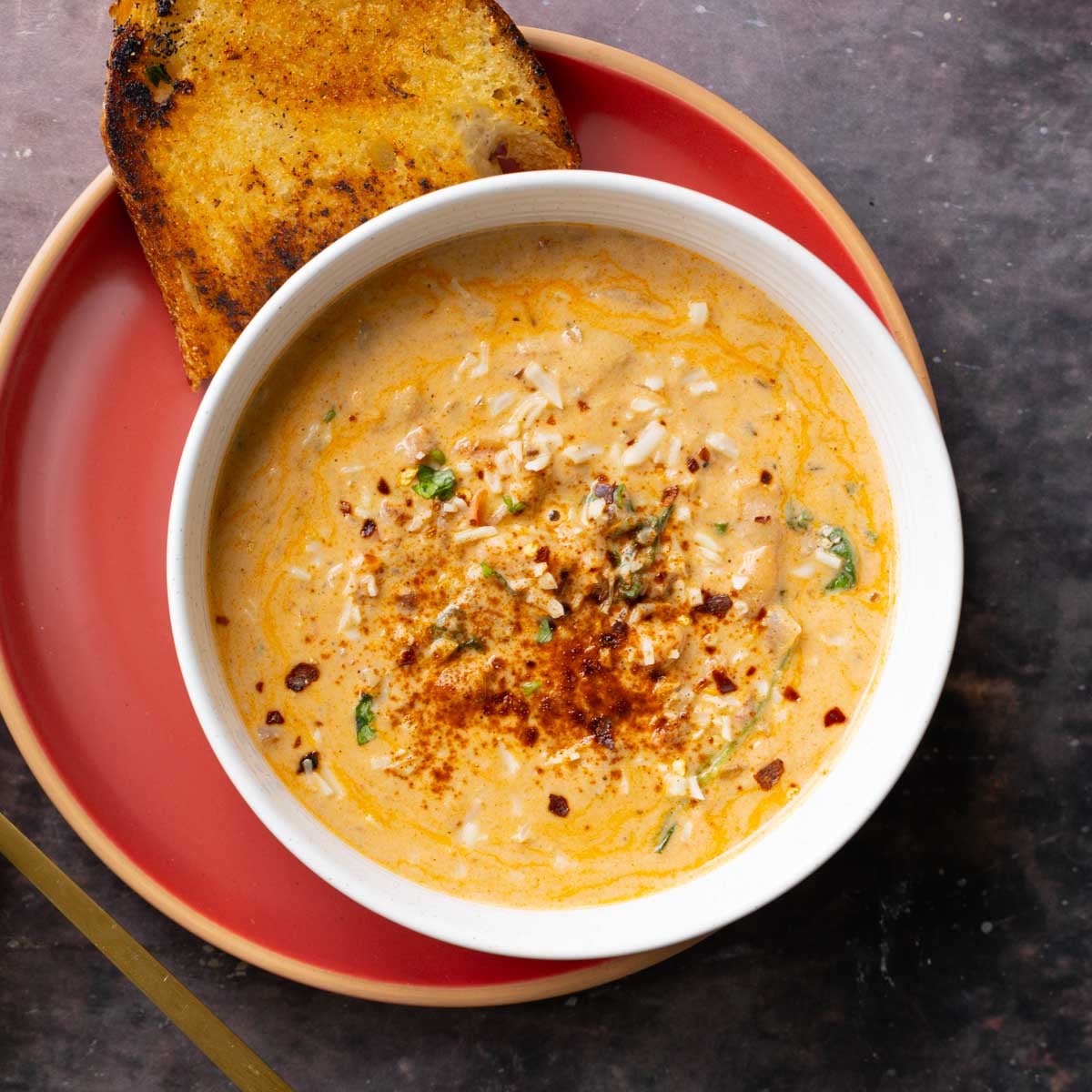
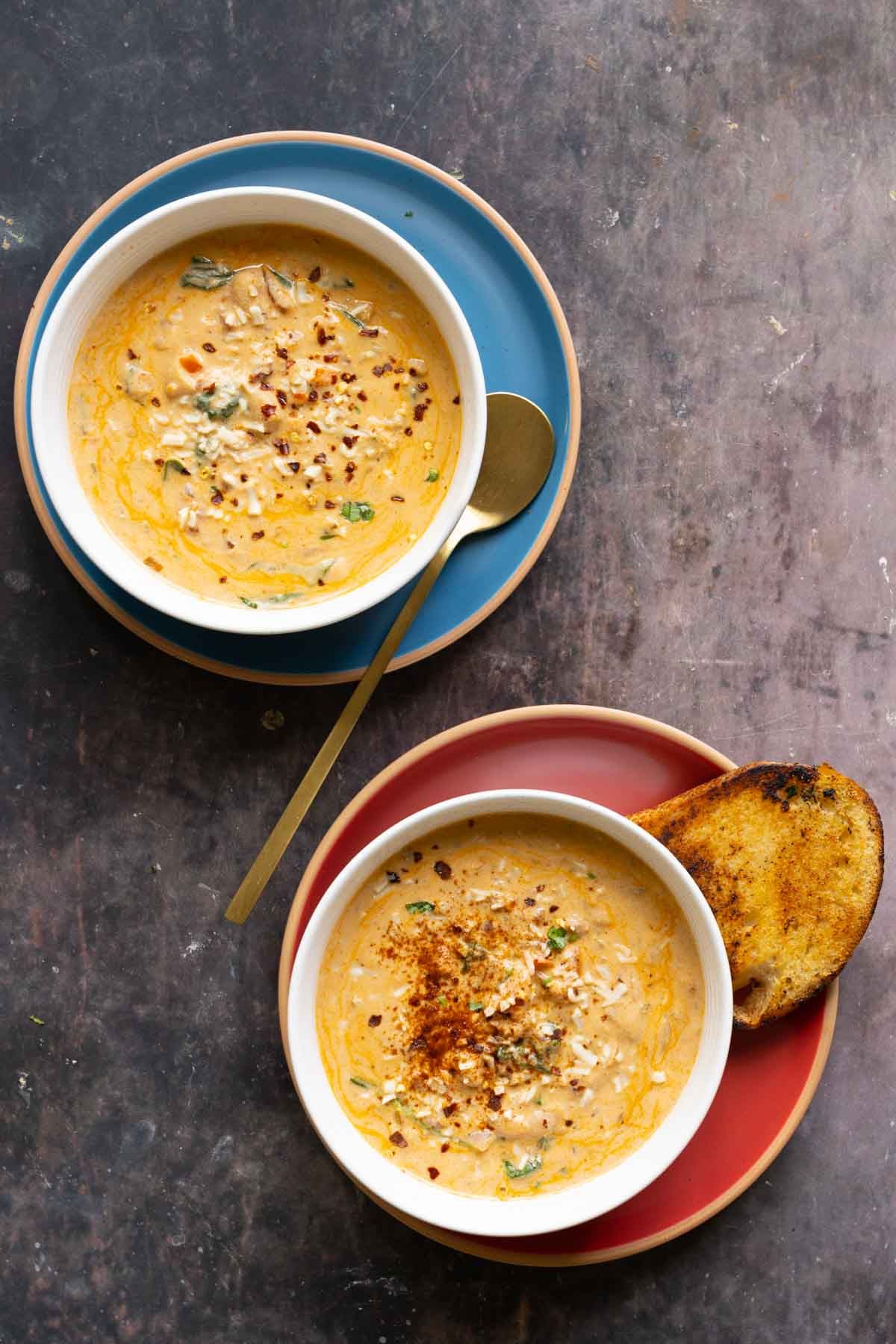
The culinary landscape has seen a significant shift toward plant-based, high-protein comfort foods that prioritize both speed and nutritional density. Among the latest developments in home cooking is the emergence of the Marry Me White Bean Soup, a dish that has gained traction for its ability to deliver a complex, restaurant-quality Italian flavor profile in under 30 minutes. By utilizing a proprietary blend of tofu, cashews, and hemp seeds as a creamy base, this recipe achieves a macronutrient profile that challenges conventional, dairy-heavy soups, offering 23 grams of protein and 13 grams of fiber per serving.
Culinary Evolution and Nutritional Composition
The concept of the "Marry Me" flavor profile—typically characterized by the marriage of sun-dried tomatoes, aromatic garlic, and rich, creamy textures—has traditionally been associated with heavy cream or high-fat dairy. The innovation behind this specific iteration lies in the substitution of traditional dairy with a nutrient-dense emulsification. By blending firm tofu with cashews and hemp seeds, the recipe creates a silky, viscous consistency that mimics heavy cream while significantly increasing the protein and iron content of the final dish.
Data analysis of this recipe reveals a nutritional density that is rare for a soup-based meal. With approximately 357 calories per serving, the dish is engineered for satiation. The inclusion of white beans provides a complex carbohydrate source that facilitates steady glucose release, while the hemp seeds introduce essential omega-3 fatty acids. Furthermore, the inclusion of iron-rich greens, such as spinach or kale, during the final stages of the cooking process contributes to an estimated 7 mg of iron per serving, addressing a common micronutrient gap in plant-based diets.
Chronology and Preparation Efficiency
For the modern consumer, time-efficiency is a primary constraint. The preparation of the Marry Me White Bean Soup follows a streamlined, single-pot methodology designed to minimize cleanup and total active labor. The preparation chronology is as follows:
- Emulsification (0–5 minutes): The preparation begins with the creation of the cream base. By blending cashews, hemp seeds, nutritional yeast, and tofu with a small volume of stock, the chef creates a high-protein thickener. Allowing this mixture to rest for five minutes is a critical step, as it allows the cashews to hydrate fully, ensuring a smoother texture.
- Aromatic Sautéing (5–15 minutes): Using a large skillet or Dutch oven, the base aromatics—garlic, smoked paprika, and Italian herbs—are tempered in olive oil. The subsequent addition of tomato paste and sun-dried tomatoes is essential; cooking the tomato paste until it reaches a deep, caramelized color builds the foundational depth of the dish.
- Vegetable Integration (15–22 minutes): Onions and red bell peppers are incorporated, sautéing until translucent. This stage builds the necessary structural integrity of the soup, providing a contrasting texture to the creamy broth.
- Simmering and Emulsion (22–30 minutes): The final stage involves adding the white beans and the previously prepared cream base. Bringing the mixture to a controlled boil for six to eight minutes allows the flavors to integrate. The final addition of lemon juice acts as an acid-balancer, brightening the heavy, smoky notes of the sun-dried tomatoes.
Economic and Dietary Considerations
One of the most notable features of this dish is its cost-to-nutrient ratio. Estimated at between $5 and $6 for the entire batch, the recipe leverages shelf-stable pantry staples, such as canned beans and sun-dried tomatoes, which are historically resistant to the price volatility seen in fresh produce markets. This accessibility makes it a viable option for a wide demographic, including students and families seeking to reduce their grocery expenditures without compromising on dietary quality.

From an allergy-sensitivity perspective, the recipe is inherently flexible. Its architecture is designed to be easily modified to accommodate common dietary restrictions:
- Gluten-Free: The soup does not require flour-based thickeners, relying instead on the starch of the beans and the protein-based cream.
- Soy-Free: By increasing the ratio of cashews and hemp seeds, the tofu can be omitted.
- Nut-Free: The cashews can be entirely replaced with a larger quantity of pureed white beans, which maintains the creamy consistency while removing all tree nut allergens.
Implications for Home Cooking Trends
The rise of such recipes signals a broader trend toward "functional comfort food." As consumers become more educated on the benefits of fiber-rich, plant-forward diets, there is a clear demand for meals that do not sacrifice the sensory experience of traditional, indulgent cooking. The success of the Marry Me White Bean Soup suggests that the future of home cooking lies in the creative use of plant-based proteins to achieve familiar, satisfying textures.
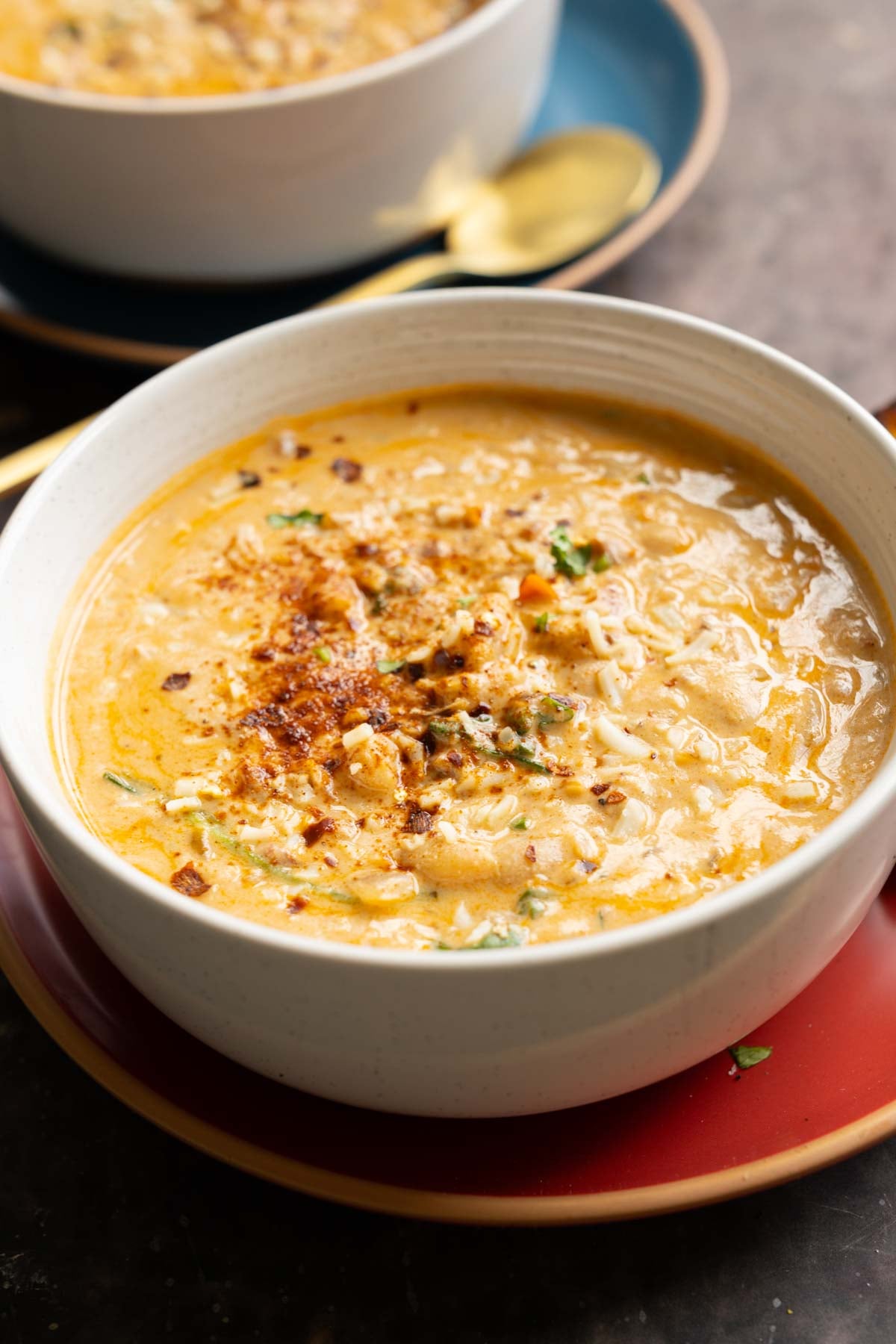
Furthermore, the "one-pot" methodology aligns with current lifestyle demands for convenience. By eliminating the need for separate saucepans or complex culinary techniques, the recipe lowers the barrier to entry for novice cooks. The storage viability of the dish—up to three days in refrigeration and six months in the freezer—also positions it as a practical candidate for "batch cooking," a strategy increasingly used to manage the time pressures of a standard work week.
Expert Guidance on Flavor Optimization
Culinary experts often emphasize that the success of a soup like this depends on the quality of the individual components. The use of high-quality sun-dried tomatoes, which are packed in oil, is recommended, as the residual oil contains concentrated flavor compounds that elevate the base of the soup. Additionally, the application of "finishing" ingredients—such as fresh, high-quality olive oil or a dusting of nutritional yeast or vegan parmesan—serves to provide a final layer of umami that rounds out the flavor profile.

For those looking to increase the protein load further, the addition of red lentils during the simmering phase is an effective modification. Red lentils disintegrate slightly during the cooking process, adding to the creamy texture while providing a significant boost in plant-based protein. Similarly, topping the finished bowl with roasted chickpeas or tempeh bacon provides a necessary textural contrast, turning a simple soup into a multifaceted culinary experience.
In conclusion, the Marry Me White Bean Soup represents a synthesis of nutritional science and classic Italian culinary traditions. Its ability to provide a high-protein, fiber-dense meal within a 30-minute window, while maintaining a cost-effective and allergen-friendly profile, makes it a significant development in the repertoire of modern, health-conscious home cooking. As the demand for efficient, nutritious, and flavorful meals continues to grow, dishes that utilize these specific techniques are likely to remain staples in the kitchens of those seeking a balanced approach to daily nutrition.