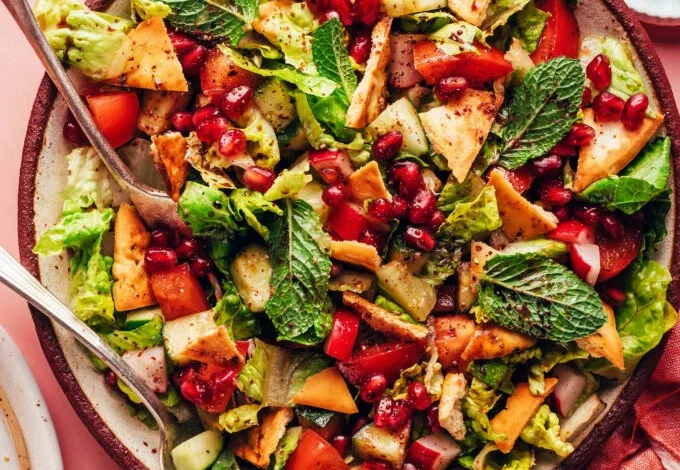
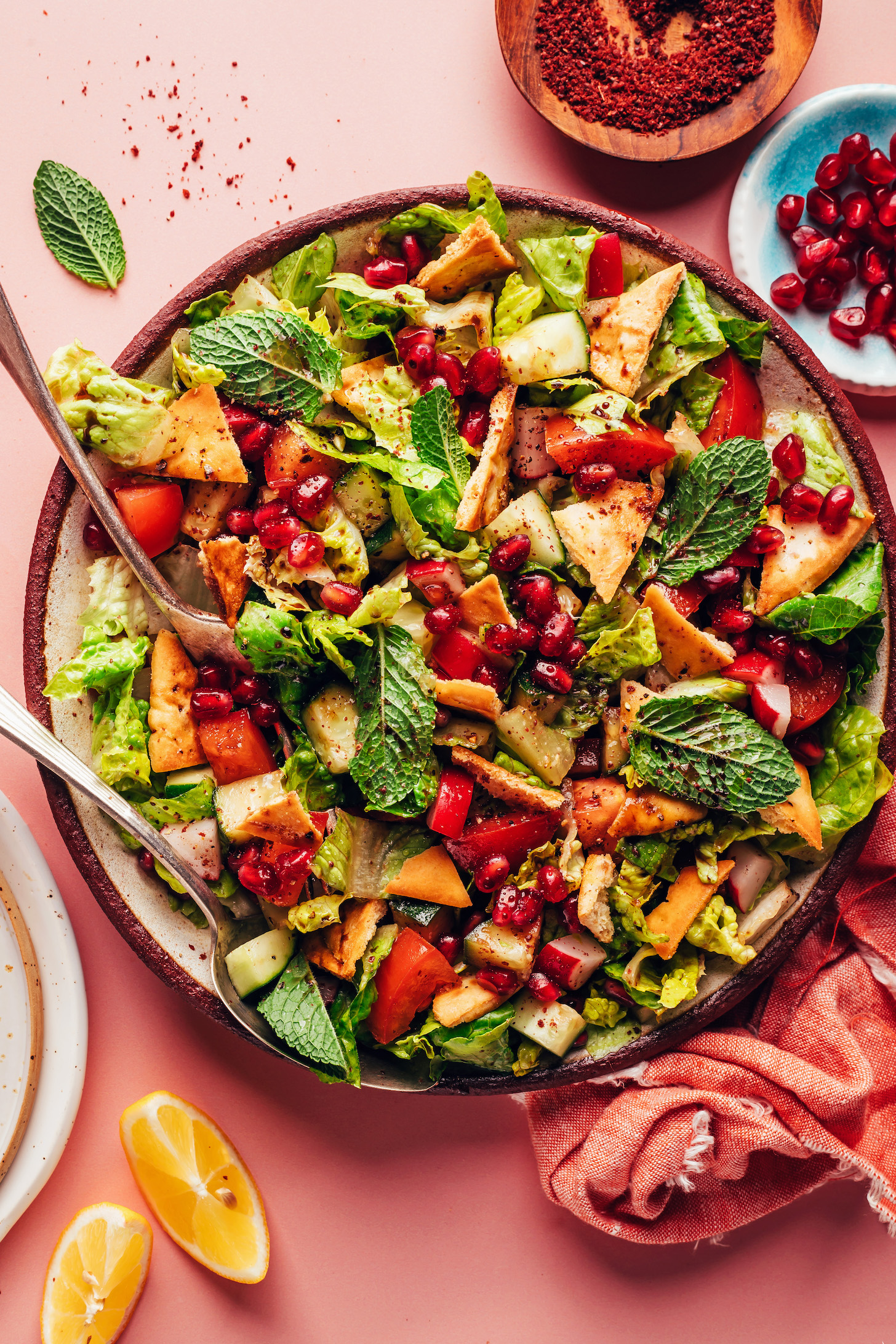
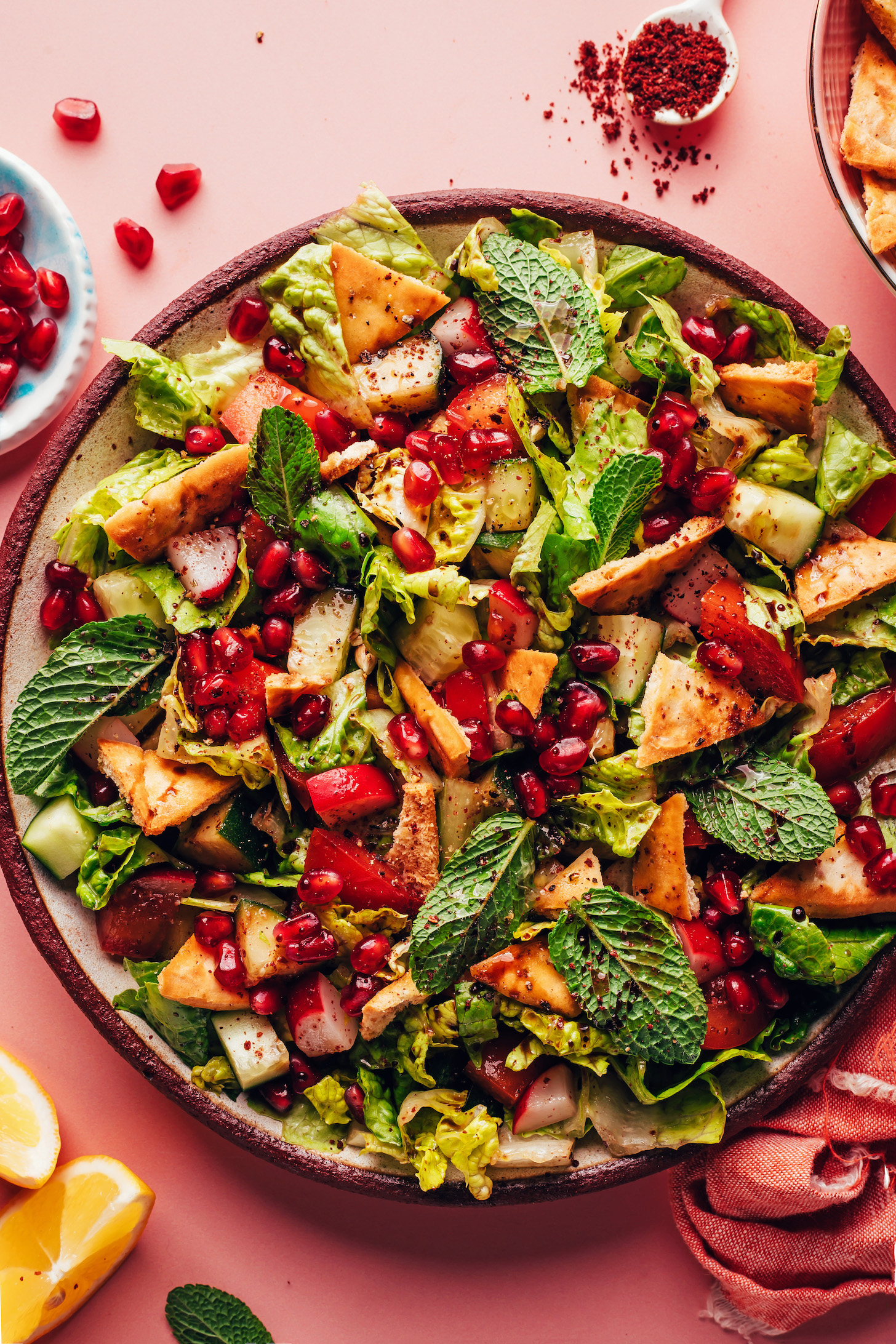
A vibrant and time-efficient take on a beloved Levantine classic, the Easy Fattoush Salad, has emerged as a culinary highlight for home cooks seeking fresh, flavorful, and quick meal solutions. This simplified rendition, designed for a single bowl and ready in a mere 20 minutes, encapsulates the essence of traditional Fattoush while catering to the demands of modern, fast-paced lifestyles. It features a delightful medley of crisp vegetables, fragrant mint, crunchy pita chips, and jewel-like pomegranate arils, all brought together by a zesty pomegranate dressing.
The Genesis of a Weeknight Favorite
The Easy Fattoush Salad, as presented, represents a modern interpretation of a dish with deep historical roots. Fattoush itself hails from the Levant region, a historical and geographical area encompassing countries like Lebanon, Syria, Jordan, Palestine, and parts of Turkey and Iraq. Traditionally, Fattoush is a celebration of fresh, seasonal produce, characterized by its use of mixed greens, vegetables, herbs, and the distinctive crunch of toasted or fried flatbread. A key element that defines its unique flavor profile is sumac, a tart, ruby-red spice derived from dried berries, and often, pomegranate molasses, which adds a layer of sweet-sour complexity.
This contemporary iteration prioritizes accessibility and speed without sacrificing the core sensory experience of the original. The "one-bowl" approach minimizes cleanup, a significant advantage for weeknight meals, while the 20-minute preparation time makes it an ideal option for those with limited culinary schedules. The visual appeal, with its array of colors and textures, also contributes to its popularity, transforming a simple salad into an attractive centerpiece.
Deconstructing the Flavor Profile and Ingredients
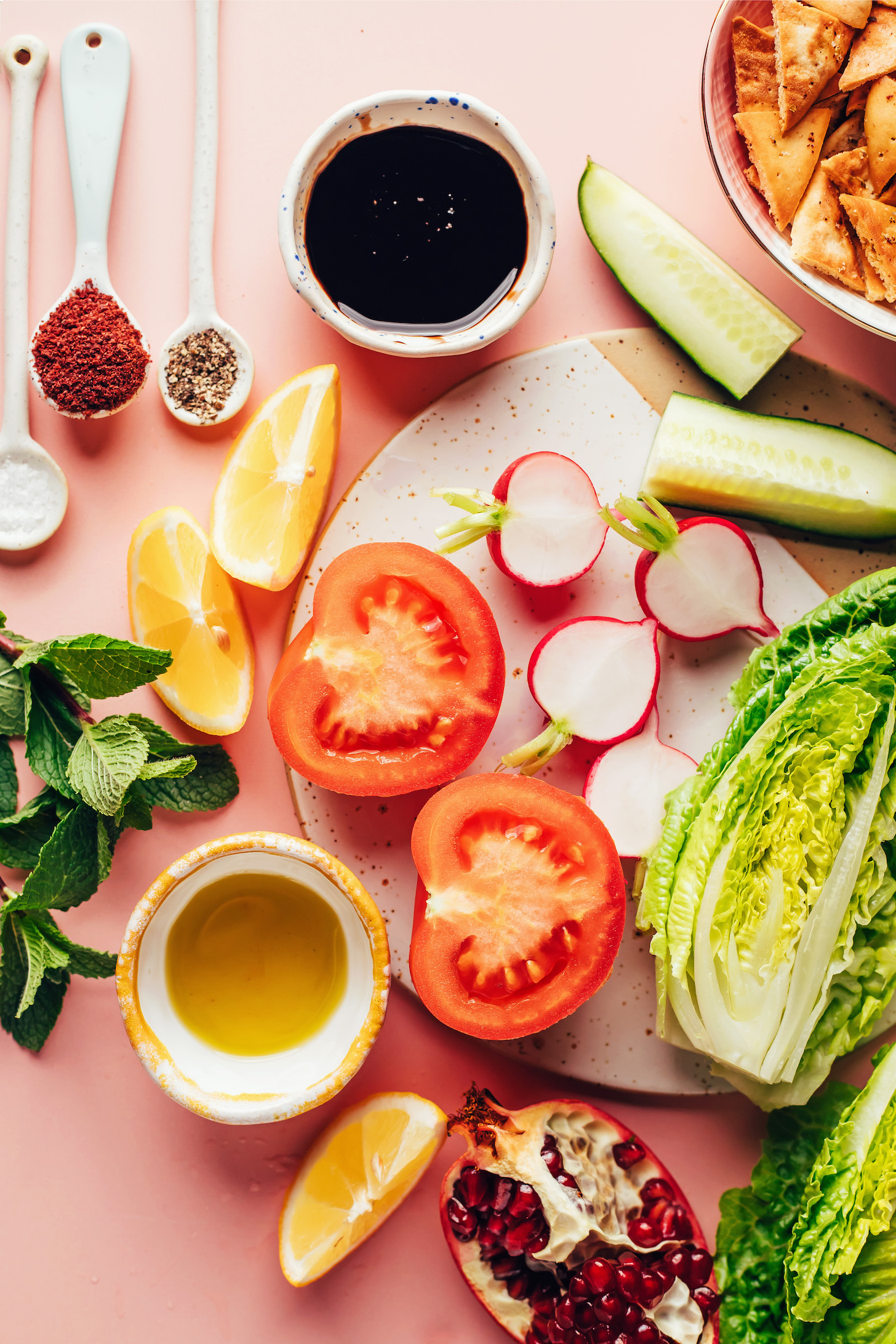
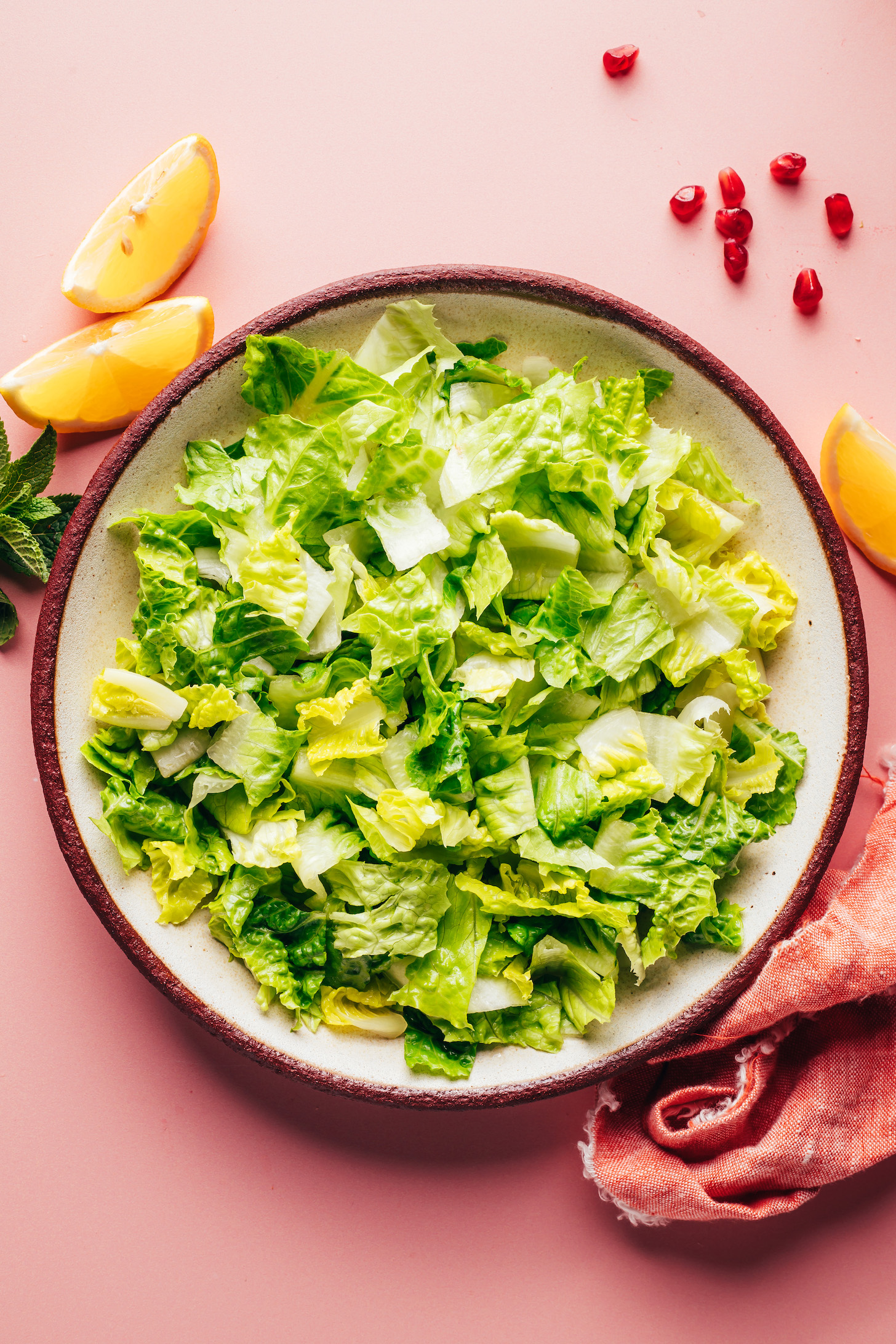
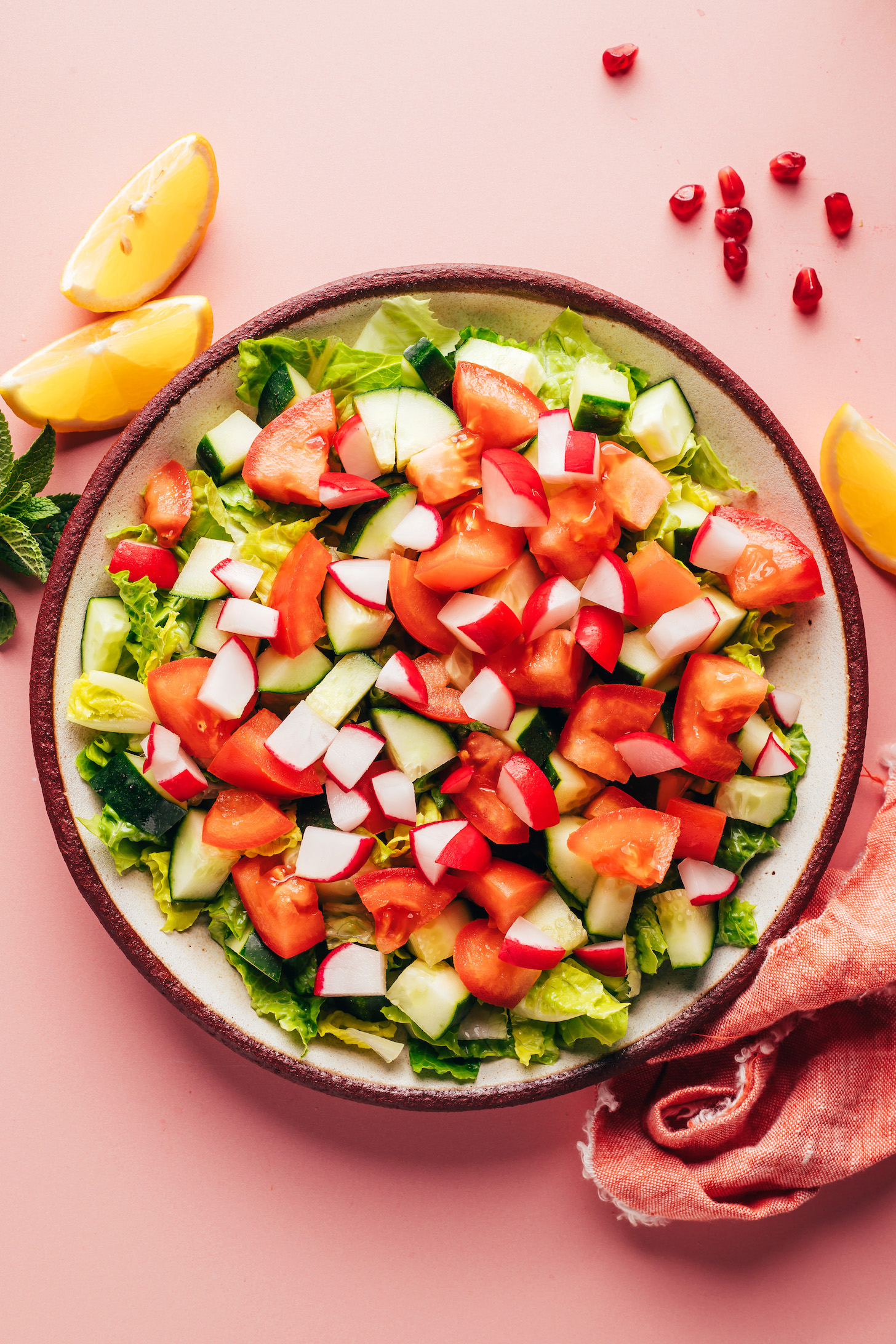
At its heart, the Easy Fattoush Salad relies on a foundation of crisp romaine lettuce, chosen for its satisfying crunch and neutral base that allows other flavors to shine. This is complemented by a diverse selection of fresh vegetables, including cucumber, tomato, and radish. The article emphasizes the importance of using seasonal and flavorful produce, suggesting that homegrown ingredients can elevate the salad’s taste. However, it reassures that the vibrant dressing is robust enough to enhance even standard market produce.
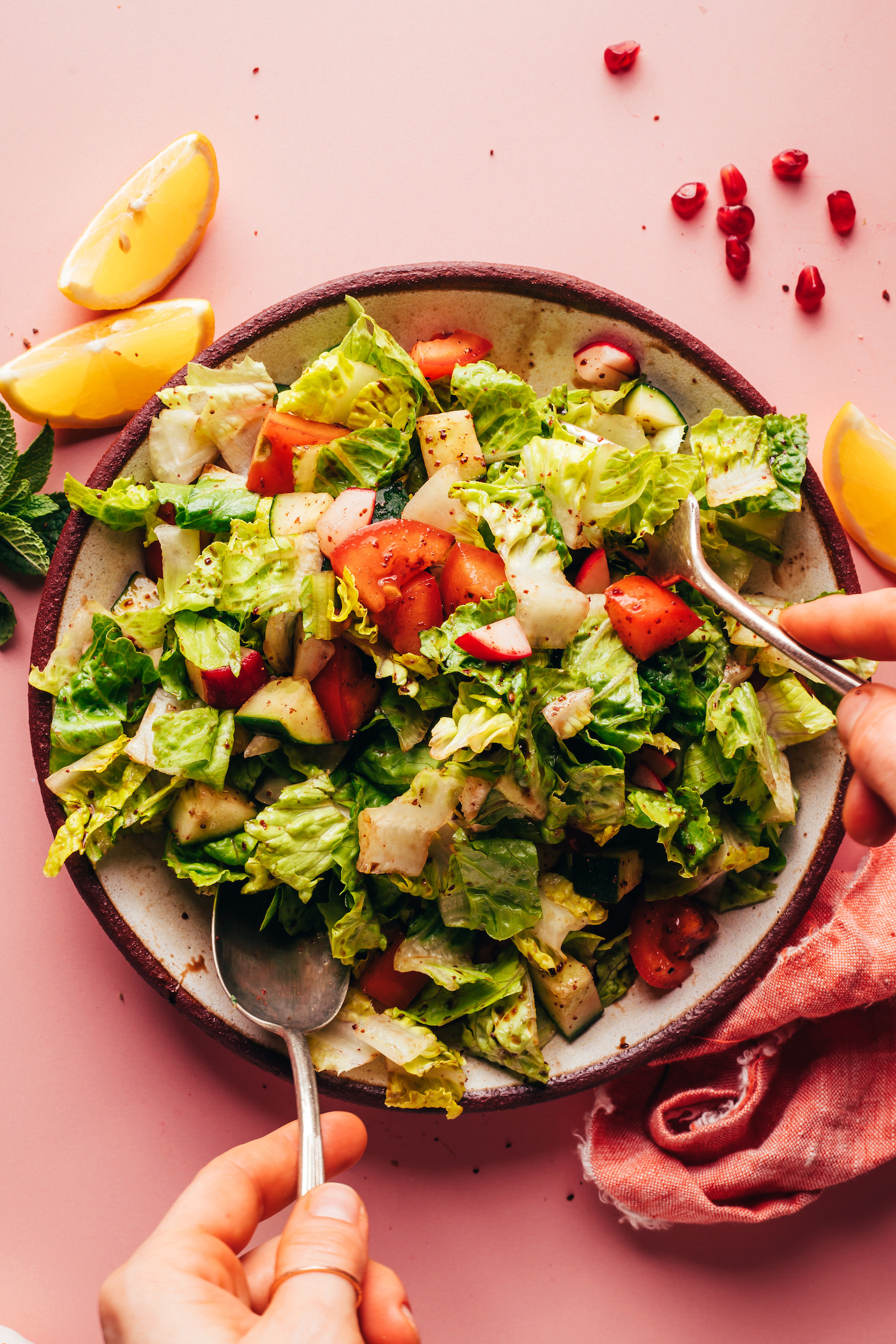
The dressing is a testament to simplicity and efficacy. Rather than a complex emulsification, it is a direct toss of fresh ingredients with lemon juice, pomegranate molasses, sumac, salt, and pepper. This method not only streamlines the preparation but also ensures that the dressing’s bright, tangy, and slightly sour notes are evenly distributed. Optional additions of maple syrup and olive oil are suggested to balance the tartness of the pomegranate molasses, allowing for customization based on individual preference and the specific sweetness of the molasses used.
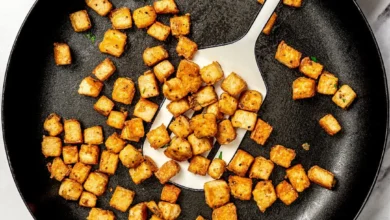
The final elements that distinguish this Fattoush salad are the fresh mint leaves, providing bursts of herbaceous freshness, the crucial crunch of pita chips, and the sweet-tart pop of pomegranate arils. While store-bought pita chips offer convenience, the recipe includes instructions for homemade pita chips, a resourceful tip for utilizing leftover flatbread or pita. This attention to detail ensures that both the texture and the aromatic qualities of the salad are maximized.
The Role of Key Ingredients and Their Culinary Significance
- Romaine Lettuce: Provides a crisp, refreshing base. Its sturdy leaves hold up well to the dressing, ensuring a pleasant texture throughout the meal.
- Cucumber, Tomato, and Radish: These vegetables contribute a medley of textures and flavors – coolness from the cucumber, juiciness from the tomato, and a subtle peppery bite from the radish. Their fresh, raw state preserves their vibrant nutrients and crispness.
- Sumac: A cornerstone of Levantine cuisine, sumac lends a distinct lemony tartness and a beautiful reddish hue to the salad. It is known for its antioxidant properties and its ability to add complexity without the need for additional fats or acids.
- Pomegranate Molasses: This syrupy reduction of pomegranate juice offers a concentrated sweet-sour flavor. It is a versatile ingredient used in both sweet and savory dishes across the Middle East, adding a unique depth to dressings and marinades.
- Fresh Mint: Infuses the salad with a cooling, aromatic quality that cuts through the richness of other ingredients and adds a layer of brightness.
- Pita Chips: The textural counterpoint to the fresh vegetables. Traditionally fried or baked, they add a satisfying crunch and a savory element to the salad. The recipe notes the option for gluten-free pita chips, broadening the salad’s appeal.
- Pomegranate Arils: These ruby-red seeds offer bursts of juicy sweetness and a slight tartness, adding visual appeal and a delightful textural contrast.
Culinary Versatility and Nutritional Considerations
The Easy Fattoush Salad is presented not just as a side dish but also as a versatile component of a larger meal. Its bright, refreshing profile makes it an excellent accompaniment to a wide array of Mediterranean and Middle Eastern-inspired dishes. The article specifically mentions its suitability alongside Vegan Lentil Fesenjan and Kale Falafel Hummus Wraps, highlighting its compatibility with plant-based and flavorful main courses.
Furthermore, the salad can be transformed into a light, standalone meal by incorporating a protein source, such as chickpeas. This adaptability underscores its value as a healthy and satisfying option, particularly during warmer months when lighter fare is often preferred.
Nutritionally, the salad, when prepared as a side serving and using pita crackers, is estimated to be around 127 calories, with a good balance of carbohydrates, protein, and healthy fats. It provides dietary fiber, essential vitamins like A and C, and minerals such as calcium and iron. The recipe’s focus on fresh vegetables and a light dressing contributes to its overall healthfulness. The inclusion of a note on how to store leftovers – separately for 2-3 days to maintain crispness – further enhances its practicality for meal planning.
Broader Implications and Culinary Trends
The emergence and popularity of recipes like the Easy Fattoush Salad reflect broader trends in home cooking. There is a growing demand for meals that are not only delicious but also quick to prepare, healthy, and adaptable to dietary needs, such as gluten-free or vegan options. The "one-bowl" and "20-minute" parameters directly address the need for efficiency in busy schedules.
Moreover, the increased interest in global cuisines, particularly those from the Mediterranean and Middle East, highlights a desire among consumers to explore diverse flavors and ingredients. Recipes that simplify traditional dishes while retaining their authentic taste profile play a crucial role in making these cuisines more accessible to a wider audience. The emphasis on fresh, vibrant ingredients also aligns with a growing consciousness around healthy eating and sustainable food choices.
The success of such recipes on platforms that emphasize minimalist and accessible cooking suggests a shift towards appreciating quality ingredients and straightforward preparation techniques. This approach democratizes gourmet-style eating, enabling individuals to recreate flavorful and impressive dishes with minimal fuss. The article’s encouragement for readers to share their creations on social media further amplifies the recipe’s reach and fosters a sense of community around shared culinary experiences. The sustained interest in Fattoush, in its traditional and modernized forms, underscores its enduring appeal as a staple of healthy and vibrant cuisine.