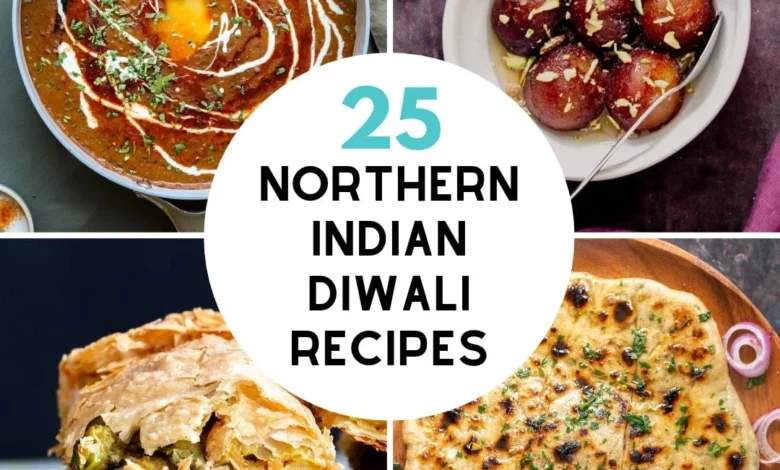
Diwali, the ancient Hindu festival of lights, transcends religious boundaries to become a global celebration of the victory of light over darkness and knowledge over ignorance. As the festival approaches, households across Northern India and the diaspora engage in meticulous preparations, with culinary traditions serving as the centerpiece of the five-day observance. In recent years, the intersection of traditional North Indian gastronomy and plant-based dietary requirements has gained significant momentum, prompting a shift in how families approach festive menu planning. This report explores the significance of these traditional flavors and provides a comprehensive guide to 25 essential plant-based recipes that maintain the integrity of North Indian culinary heritage while adhering to vegan standards.

The Cultural Significance of Diwali Gastronomy
The culinary narrative of Diwali is rooted in the history of North Indian agriculture and the seasonal transition of the harvest. Historically, the period coinciding with the festival—usually between October and November—marks the end of the kharif (monsoon) crop season and the beginning of the rabi (winter) sowing. Consequently, the ingredients traditionally used in Diwali cooking are those associated with abundance: lentils, root vegetables, aromatic spices, and heavy use of dairy, which is now being reimagined through high-quality plant-based substitutes.
Food during Diwali is more than nourishment; it acts as a medium for social cohesion. The tradition of sharing "mithai" (sweets) and savory "namkeen" (snacks) with neighbors and extended family reinforces community bonds. As global dietary habits evolve, the demand for vegan versions of these classics has increased by an estimated 15% annually in urban Indian centers, according to recent market research on plant-based food consumption.

Chronology of Festive Feasting
The preparation for the Diwali feast typically follows a structured timeline. Preparations often begin days in advance with the procurement of high-quality grains, nuts, and spices.

- Pre-Diwali (3-5 days out): Households begin preparing shelf-stable snacks such as chakli, mathri, and dry sweets that can be stored.
- The Eve of Diwali (1-2 days out): Preparation of complex, time-intensive dishes that benefit from resting, such as doughs for stuffed breads or marinating plant-based proteins for main courses.
- Day of Diwali: The focus shifts to fresh cooking—assembling curries, frying appetizers, and completing final dessert garnishes.
- Post-Diwali: Utilization of leftovers to create new, innovative meals, ensuring minimal food waste, a hallmark of traditional Indian kitchen management.
Essential Plant-Based Appetizers
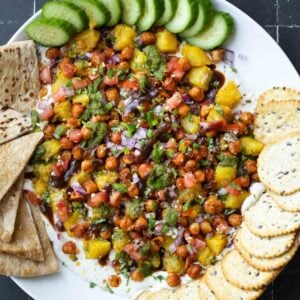
Modern North Indian appetizers focus on delivering a high-impact flavor profile while maintaining a texture that satisfies traditional expectations. The "Vegan Samosa Pie" serves as a contemporary evolution of the classic pastry, deconstructing the samosa into a family-sized dish that maintains the requisite crunch and spiced potato interior. Similarly, the "Samosa Dip Chaat Platter" reflects the growing trend of deconstructed street food, providing a communal, interactive eating experience that reduces the labor intensity of individual pastry folding while retaining the essential notes of tamarind and cilantro chutney.

Other staples include:

- Tikki Chole: A combination of crispy, pan-seared potato patties served with a robust, protein-rich chickpea curry.
- Chilli Garlic Tofu Puff Pastry: An example of Indo-Chinese fusion, which has become a staple of modern North Indian festive gatherings, showcasing the versatility of tofu in absorbing bold, aromatic spices.
Main Course: The Art of the North Indian Curry
The backbone of any North Indian Diwali feast is the main course, characterized by rich, slow-cooked gravies. The challenge of recreating restaurant-style dishes without dairy has been met with advancements in culinary techniques, such as the use of cashew pastes, coconut cream, and pureed seeds to mimic the creamy consistency of traditional "makhani" or "shahi" sauces.

"Restaurant-Style Dal Makhani" remains the most significant challenge for home cooks. By utilizing black gram and kidney beans, and employing slow-cooking methods or pressure-cooking techniques, the dish achieves a depth of flavor that rivals traditional versions. Other notable inclusions are:

- Punjabi Chole: A chickpea curry defined by the use of black tea or dried amla to achieve its signature dark color and complex, astringent flavor profile.
- Tofu Amritsari Masala: A nod to the smoky, tomato-based gravies of Punjab, where toasted cayenne and ground spices play a vital role.
- Aloo Gobi: A classic potato and cauliflower dish that highlights the importance of precise spice balancing—specifically turmeric, cumin, and ginger—to ensure the vegetables retain their structure while absorbing the gravy.
Bread and Rice: The Essential Accompaniments
No North Indian meal is complete without bread or rice. For the health-conscious or those with dietary restrictions, the development of "Almond Flour Naan" and "Spinach-Potato Stuffed Naan" represents a departure from traditional white-flour flatbreads without sacrificing the soft, leavened texture. These recipes utilize baking powder and yogurt alternatives to achieve rise, bypassing the need for yeast and long proofing times.

For rice dishes, "Mushroom Biryani" stands out for its ability to provide a "meaty" texture through the use of umami-rich mushrooms. The technique of layering rice with saffron-infused water and aromatic spices remains a standard for professional and home chefs alike, ensuring that the grains remain separate and fragrant.

The Role of Sweets (Mithai) in Festive Tradition
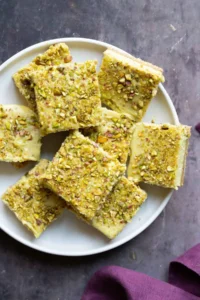
The conclusion of a Diwali meal is almost always marked by sweets. The challenge in plant-based dessert making is replicating the milk solids (khoya) that define the texture of traditional Indian fudge. Innovations like the "Vegan Malai Burfi" use nut-based creams and condensed coconut milk to achieve the desired density.

Other innovative desserts include:

- Vegan Rasmalai Tres Leches Cake: A fusion of Latin American sponge cake techniques with the cardamom and saffron notes of Indian Rasmalai.
- Kheer Ladoo: A functional dessert that takes the flavors of rice pudding and compresses them into portable, truffled spheres, which are ideal for large gatherings.
- Kulfi Tiramisu: This dish exemplifies the globalized nature of modern Indian cuisine, blending the creaminess of traditional Kulfi with the coffee-infused layers of Italian Tiramisu.
Nutritional and Economic Implications
The transition toward plant-based Diwali recipes has broader implications for household health and agricultural demand. Legumes, which form the base of many of these dishes, are highly sustainable crops with low water footprints compared to animal-based proteins. Furthermore, the emphasis on whole grains and fresh vegetables aligns with public health recommendations to reduce saturated fat intake.

From an economic perspective, the shift toward these recipes encourages the growth of the regional organic produce market. As families seek out premium ingredients—such as high-quality basmati rice, organic spices, and fresh herbs—the demand for supply chain transparency in the Indian agricultural sector is likely to increase.

Conclusion: A Sustainable Future for Tradition
The evolution of Diwali recipes is not a rejection of tradition, but rather an affirmation of its adaptability. By focusing on the essential elements of flavor, texture, and communal sharing, the plant-based versions of these 25 North Indian classics ensure that the Festival of Lights remains inclusive and relevant for future generations. Whether through the deconstruction of a samosa or the fusion of global desserts with Indian aromatics, the spirit of the festival—the celebration of life and prosperity—continues to thrive in the modern, conscious kitchen.

As hosts prepare for the upcoming festivities, the focus remains on the quality of ingredients and the joy of preparation. By integrating these recipes into the traditional repertoire, households can maintain the integrity of their cultural heritage while embracing a lifestyle that values sustainability and inclusivity. The diversity of these dishes ensures that every palate is satisfied, and every guest, regardless of dietary preference, can participate fully in the joyous, light-filled traditions that define Diwali.