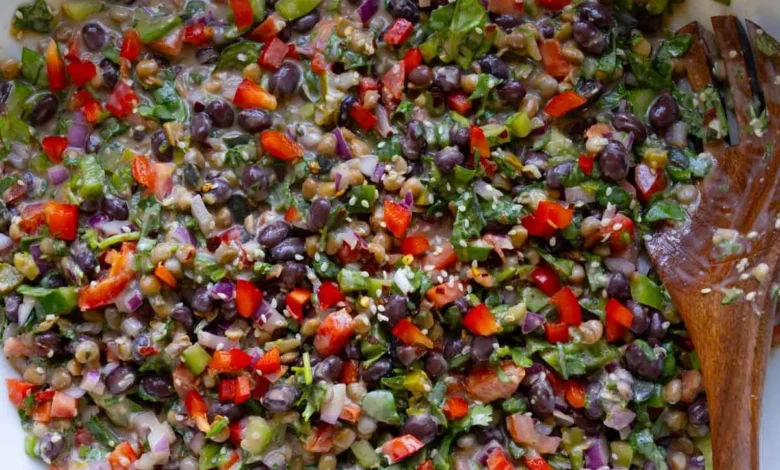
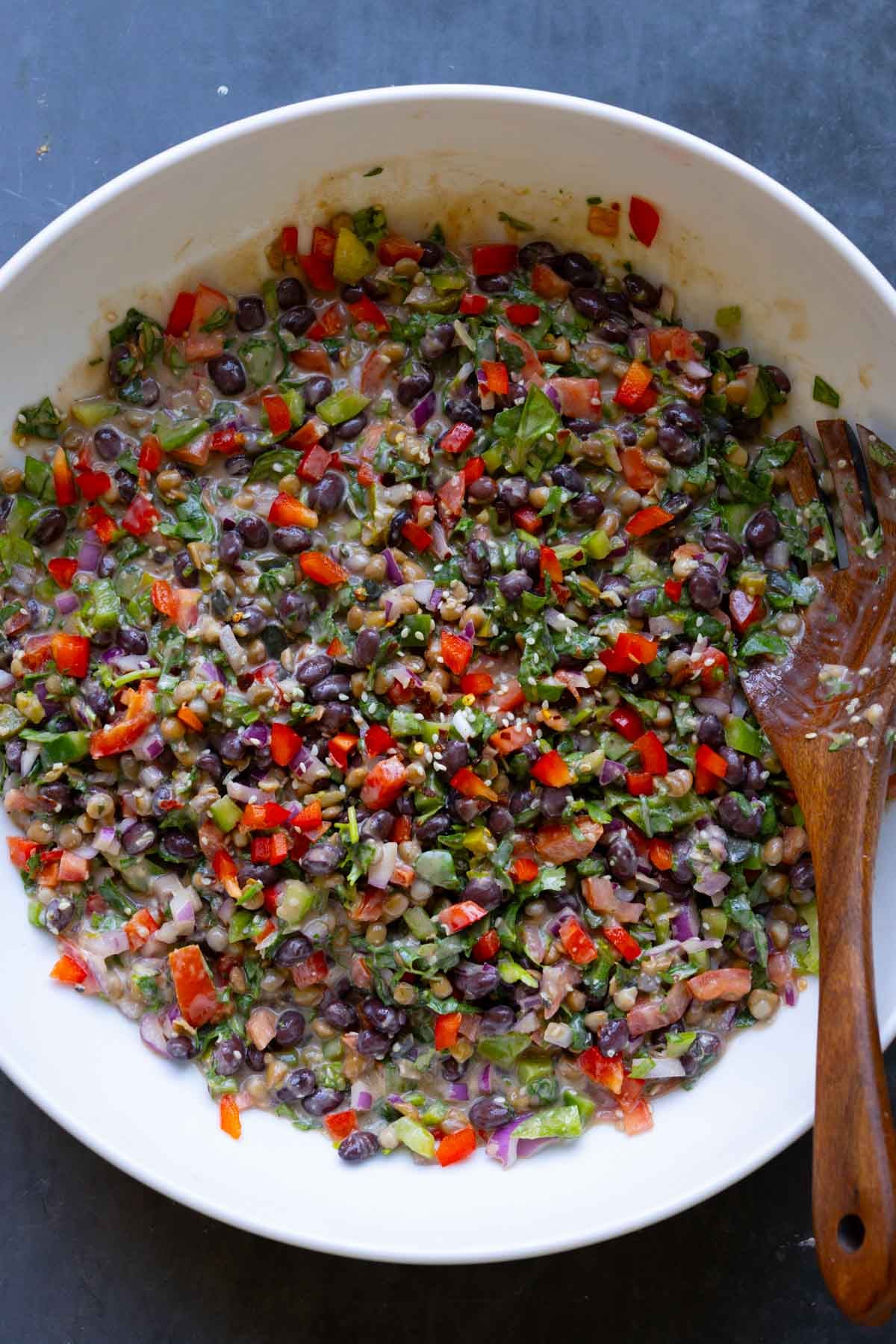
The culinary landscape has undergone a significant transformation over the past decade, shifting toward high-density, nutrient-rich plant-based meals that prioritize sustained energy over simple caloric intake. Among the latest developments in this health-conscious movement is the emergence of the "dense bean salad," a dish that has gained viral momentum for its structural simplicity and profound nutritional profile. By combining black beans, lentils, a variety of fibrous vegetables, and a specialized creamy, lemony dressing, this preparation method addresses the growing consumer demand for anti-inflammatory, high-protein, and high-fiber dietary options.
The Rise of High-Density Nutritional Preparedness
The concept of the dense bean salad is rooted in the principles of satiety and metabolic health. Unlike traditional leafy salads, which often suffer from low caloric density and high water content, dense bean salads utilize legumes as the foundational base. Legumes are globally recognized by nutritional bodies, including the American Heart Association and the World Health Organization, as primary sources of plant-based protein, iron, zinc, and dietary fiber.
In the current market, meal preparation has become a cornerstone of the health-and-wellness industry. The appeal of this specific salad lies in its resistance to degradation; because the ingredients are structurally robust, they do not wilt under the weight of dressings, making them an ideal candidate for long-term storage and meal-prep cycles. Analysts note that as inflation impacts global food costs, consumers are increasingly seeking shelf-stable, budget-friendly proteins, placing canned and dry beans at the forefront of modern kitchen staples.
Nutritional Composition and Physiological Impact
From a clinical perspective, the macronutrient breakdown of a standard serving of this salad—containing approximately 17 grams of protein and 14 grams of fiber—positions it as a comprehensive meal. The inclusion of hemp and pumpkin seeds adds essential polyunsaturated fats, specifically omega-3 fatty acids, which are widely documented for their anti-inflammatory properties.
Furthermore, the integration of vitamin C-rich vegetables, such as bell peppers and tomatoes, serves a specific biochemical function. Iron absorption from plant sources (non-heme iron) is notoriously difficult for the human body; however, the presence of ascorbic acid (vitamin C) significantly enhances the bioavailability of this mineral. With a full bowl providing over 65 grams of protein and 50 grams of fiber, the salad functions as a high-performance fuel source, designed to prevent the blood glucose spikes associated with refined carbohydrates.
Chronology and Culinary Evolution
The evolution of the bean salad can be traced back to traditional Mediterranean and Latin American diets, where legumes have served as a dietary pillar for centuries. However, the contemporary iteration—specifically the "dense" variation—gained traction in early 2026 as social media platforms facilitated the exchange of simplified, no-cook culinary techniques.
The transition from a side dish to a main-course staple began in mid-2026, when professional nutritionists and home chefs alike started emphasizing the "marination effect." When allowed to rest in a refrigerated environment, the porous surface of the beans absorbs the acidic components of the dressing—typically lemon juice or vinegar—which not only improves flavor but may also assist in breaking down complex starches, potentially easing digestion for some individuals.
Standardized Preparation and Culinary Best Practices
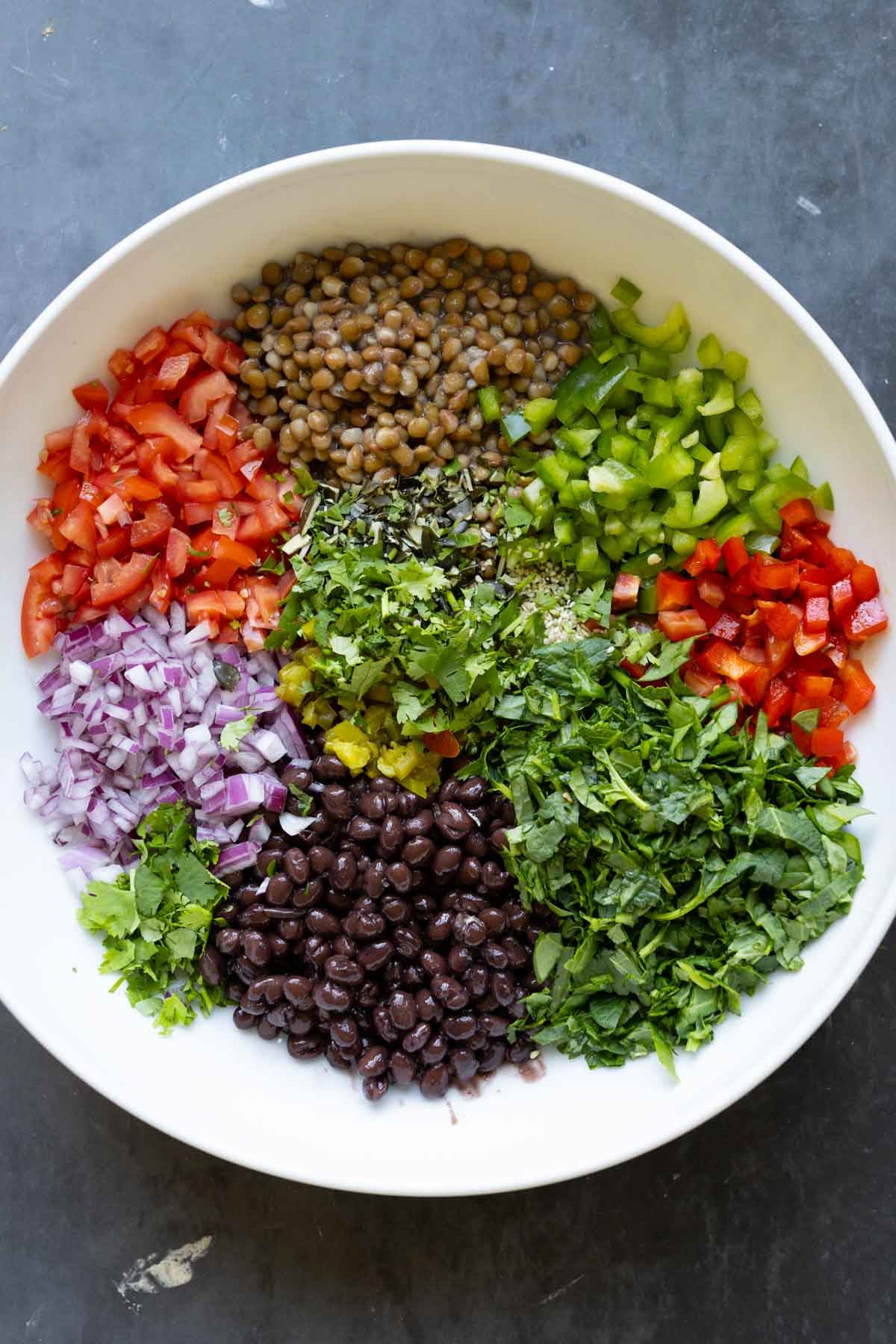
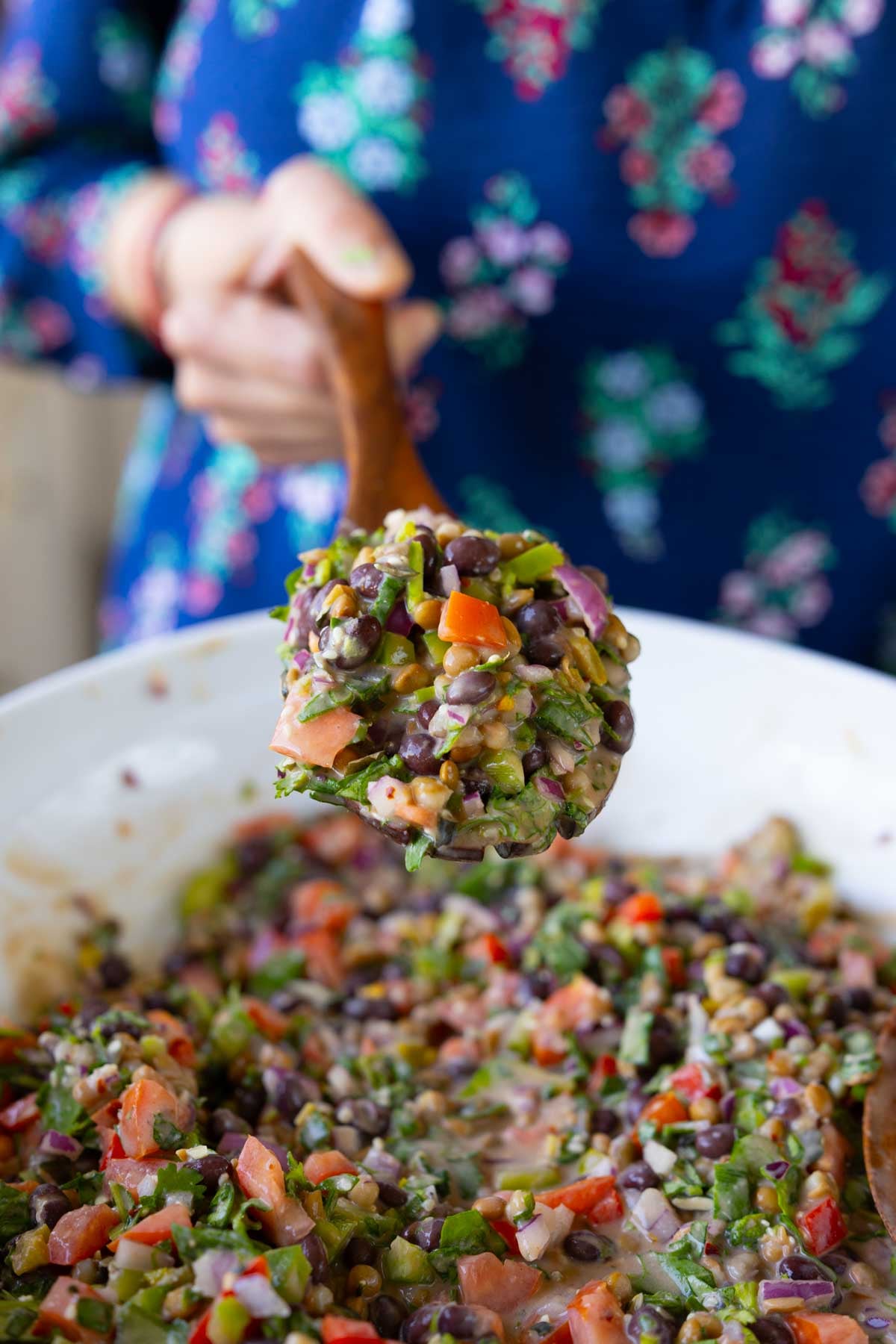
While the recipe is inherently flexible, maintaining a specific ratio of components is essential for the "dense" classification. The professional standard for this dish requires all ingredients to be chopped to a uniform size—roughly equivalent to the dimensions of a black bean. This uniformity ensures that every bite contains a balanced ratio of fiber, protein, and dressing.
- Legume Preparation: Whether utilizing pre-cooked canned beans or dried legumes cooked from scratch, the removal of excess sodium via rinsing is a critical step. For those opting for scratch cooking, the inclusion of aromatics like bay leaves and garlic during the boiling process is recommended to infuse depth into the base protein.
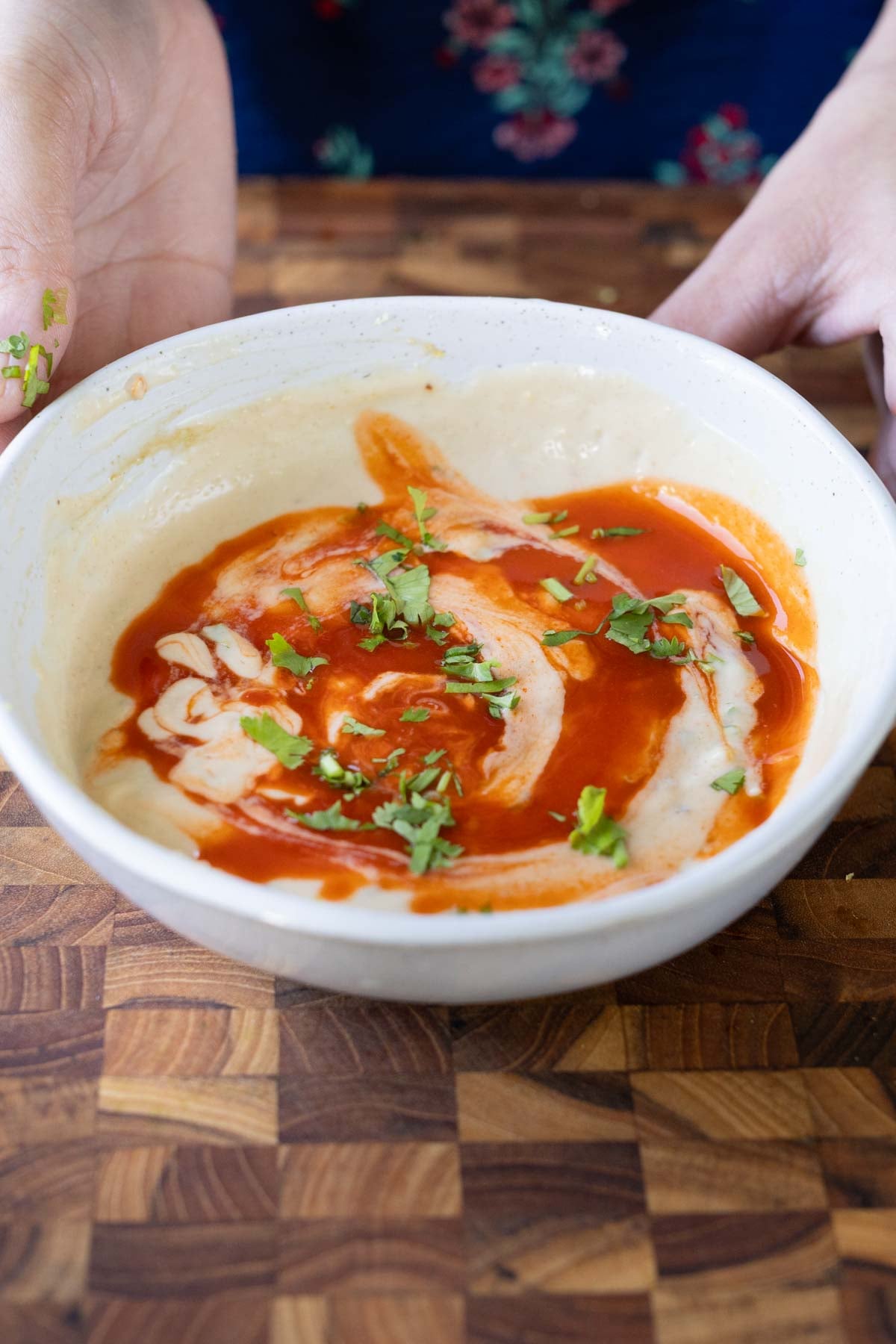
- Dressing Emulsification: The dressing, characterized by a non-dairy yogurt base, provides the creamy texture without the saturated fat content associated with traditional mayonnaise-based dressings. By incorporating lemon zest, the dressing gains an aromatic profile that complements the earthy tones of the lentils and black beans.
- Resting Phase: Culinary experts suggest a minimum of one hour of refrigeration. This is not merely a preference but a functional necessity. The osmotic process, where the dressing permeates the bean skins, creates a cohesive flavor profile that is distinct from a freshly tossed mixture.
Dietary Implications and Allergy Management
One of the most notable aspects of this dish is its inherent adaptability to various dietary restrictions. In an era where food sensitivities are increasingly common, the ability to modify a recipe without compromising its core nutritional integrity is vital. The salad is naturally gluten-free, and by selecting specific alternatives—such as soy-free Worcestershire sauce or nut-free plant-based yogurts—the dish becomes accessible to a wide demographic.
For individuals requiring strict allergen management, the substitution list is extensive:
- Worcestershire Replacement: A blend of soy sauce and maple syrup effectively replicates the umami-sweet balance of traditional Worcestershire.
- Yogurt Alternatives: Blended silken tofu, cashew cream, or pureed white beans can replace commercial non-dairy yogurts, offering a cleaner, whole-food alternative for those looking to avoid processed additives.
Broader Impact on Modern Diets
The widespread adoption of dense bean salads reflects a broader shift toward "functional eating." As public health crises related to metabolic syndrome and cardiovascular health persist, the move toward meals that are inherently anti-inflammatory is more than a trend—it is a necessary evolution of the standard diet.
Data suggests that diets high in fiber, such as the one offered by this salad, correlate with improved gut microbiome diversity and better weight management outcomes. By providing a template that is both inexpensive and highly satiating, the dense bean salad serves as a practical tool for addressing food insecurity and poor nutrition in urban environments.
Economic and Sustainability Considerations
From an economic standpoint, the dish excels in its efficiency. Beans and lentils remain among the most cost-effective protein sources available globally. When coupled with seasonal vegetables, the cost per serving is significantly lower than that of animal-based protein meals.
Furthermore, the environmental impact of a legume-based diet is substantially lower than that of meat-based alternatives. Legumes require significantly less water to produce and, through nitrogen fixation, actually improve the soil health in which they are grown. Consequently, the popularization of this salad aligns with global sustainability goals, offering a blueprint for how personal health choices can contribute to broader environmental conservation efforts.
Conclusion
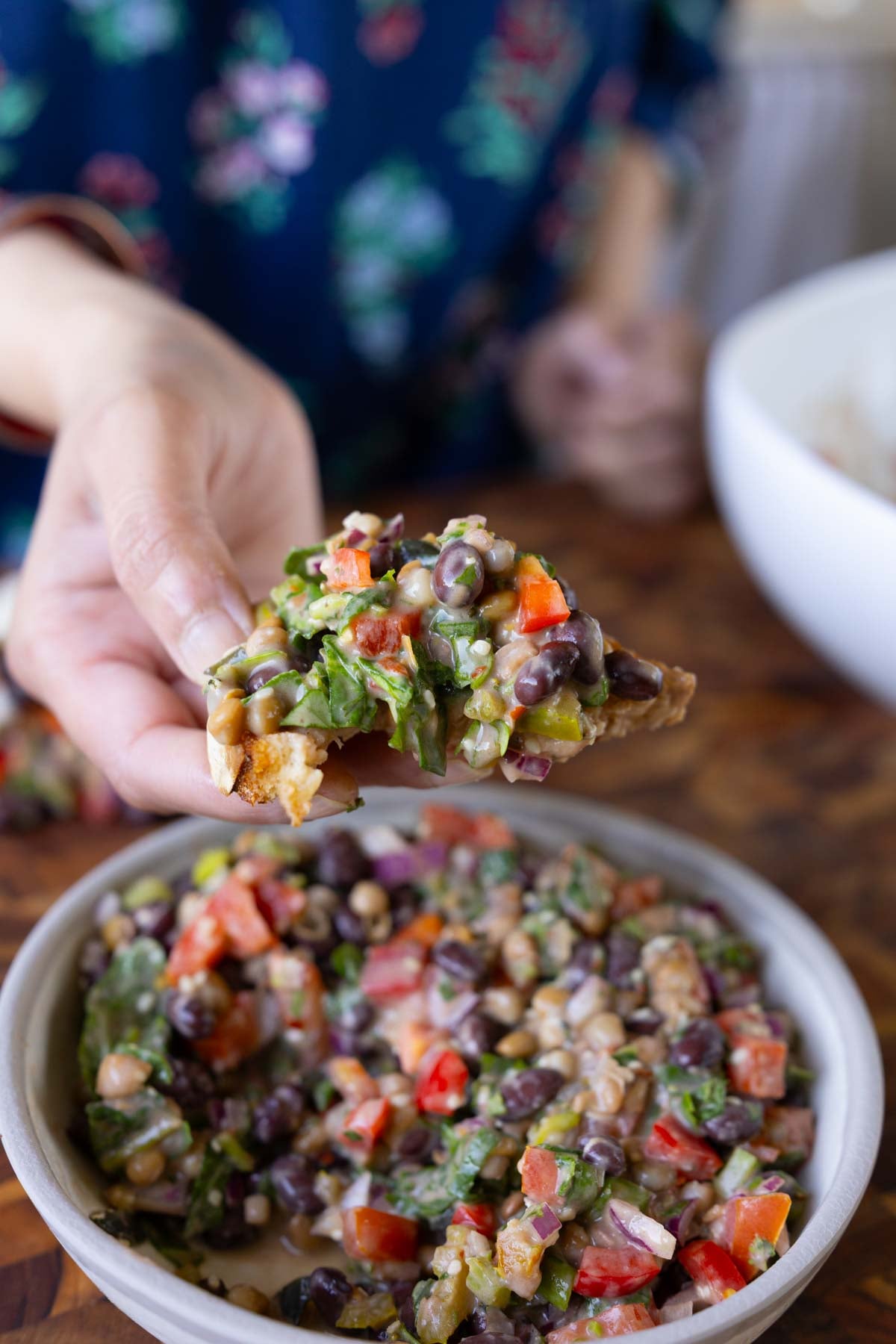
The anti-inflammatory dense bean salad is a testament to the power of simple, whole-food ingredients. By focusing on the structural and nutritional density of beans, it provides a template for a sustainable, health-forward lifestyle. Whether served with rustic sourdough bread, folded into a warm pita, or consumed independently, the salad offers a scalable solution for individuals looking to maximize nutrient intake while minimizing preparation time and cost. As interest in plant-based nutrition continues to expand, it is likely that this dish will remain a staple in the repertoire of those seeking to balance busy modern lives with optimal physical health.