Historical Context and Culinary Evolution
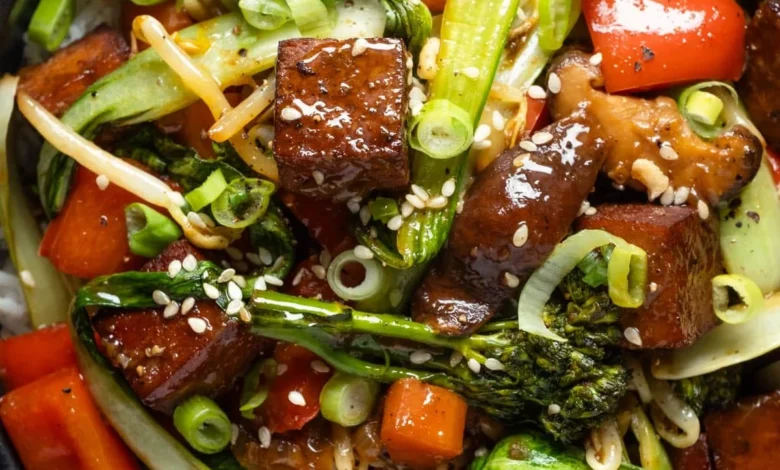
Chop suey, a dish that emerged in the late 19th century, holds a complex place in culinary history. While often associated with early Chinese-American cuisine, its origins are frequently debated, with many food historians noting its adaptation to local ingredients and available resources. Originally developed as a "miscellaneous" stir-fry, the dish traditionally utilized available proteins and vegetables, bound together by a thickened savory sauce.
The modern vegan iteration represents a contemporary evolution of this classic. By replacing traditional animal proteins with firm, high-protein tofu, the dish maintains the structural integrity and textural contrast essential to a proper stir-fry while aligning with the growing demand for sustainable food sources. This shift reflects a broader trend in the food industry, where traditional recipes are being re-engineered to meet the rigorous standards of modern plant-based nutrition without sacrificing the depth of flavor associated with original regional preparations.

Nutritional Profile and Dietary Implications
From a nutritional standpoint, the standard serving of Vegan Chop Suey provides approximately 305 kilocalories, balancing carbohydrates, proteins, and fats in a manner that supports sustained energy levels. The inclusion of tofu—a complete plant-based protein source—ensures a protein content of roughly 12 grams per serving.

Furthermore, the emphasis on a diverse array of vegetables ensures a significant intake of micronutrients and dietary fiber. With 5 grams of fiber per serving, the dish aids in digestive health and satiety. The use of sesame oil, aromatics like ginger and garlic, and a savory soy-based sauce creates a high-impact flavor profile without the excessive sodium levels often found in pre-packaged or restaurant-bought stir-fry alternatives. Analysts note that as consumers become more label-conscious, the ability to control sodium and sugar content through home preparation—a hallmark of this recipe—is a primary driver of its sustained popularity.

Methodology for Culinary Execution
The preparation of this dish is predicated on a structured, three-phase approach designed to optimize flavor extraction and textural quality:

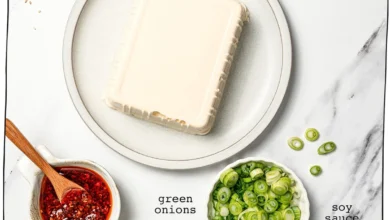
- Preparation and Marination: The process begins with the preparation of the tofu. By allowing the tofu to marinate in a blend of savory aromatics, the protein becomes the focal point of the dish, absorbing the umami-rich notes of the soy-based sauce. This step is critical for ensuring the tofu does not remain bland during the high-heat cooking process.
- Mise en Place and Precision Chopping: Efficiency in a stir-fry is dictated by the preparation of the vegetables. Consistent chopping ensures uniform cooking times, preventing the disparity between overcooked soft vegetables and undercooked crunchy ones.
- High-Heat Sautéing: The cooking sequence is a deliberate exercise in temperature control. The tofu is browned first to achieve a golden, firm exterior. It is then removed to prevent over-softening. Following this, the vegetables are introduced in stages, starting with aromatics, then moving to tougher vegetables, and finishing with those that require minimal heat to preserve their color and structural integrity.
Strategic Meal Planning and Efficiency
The rising interest in this recipe is largely attributed to its utility in meal prep, a segment that has seen a 15% growth in consumer interest over the last two years. The ability to batch-process the components—marinating the tofu and preparing the vegetables in advance—allows for a "cook-ready" state. When stored in airtight containers, the components remain fresh for several days, facilitating a 10-minute final assembly.

This efficiency factor is a significant consideration for busy households. By reducing the time required for meal preparation during the work week, the recipe addresses the primary barrier to healthy eating: time constraints. Moreover, the dish’s freezer-friendly nature—maintaining quality for up to three months—offers a long-term solution for food waste reduction.

Market Trends and Consumer Behavior
Industry experts observe that the adoption of such recipes is not merely a transient trend but a reflection of systemic changes in consumer behavior. The "clean out the fridge" approach encouraged by this recipe aligns with sustainability goals, specifically the reduction of food waste. By providing a flexible blueprint for vegetable inclusion, the dish encourages the use of surplus produce that might otherwise be discarded.

The accessibility of these ingredients also plays a pivotal role. Unlike complex, specialized recipes that require hard-to-find components, the elements for a high-quality vegan chop suey are readily available in most global markets. This universality, combined with the ease of substituting ingredients—such as using liquid aminos or gluten-free soy sauce for dietary restrictions—underscores the recipe’s adaptability to various lifestyle needs.

Future Implications for Plant-Based Home Cooking
The success of such recipes highlights the potential for further innovation in home-based plant-forward cooking. As technology improves, including better preservation methods for fresh produce and more efficient kitchen appliances, the barrier to entry for plant-based cooking will continue to lower. The objective, data-driven approach to creating these meals—focusing on nutritional balance, prep efficiency, and flavor optimization—serves as a model for how home kitchens can participate in a more sustainable global food system.

In summary, the transition toward dishes like the Vegan Chop Suey is indicative of a sophisticated, informed consumer base that prioritizes health, environmental impact, and temporal efficiency. By integrating these practices into the weekly routine, individuals can achieve a high standard of culinary satisfaction while adhering to modern dietary and sustainability mandates. The continued documentation and sharing of these methods ensure that plant-based cooking remains a viable, appealing, and accessible option for the general public, reinforcing its role as a cornerstone of the modern kitchen.