
The Evolution of Plant-Based Condiments
The history of Italian dressing in the United States traces back to the mid-20th century, typically characterized by a vinaigrette base of oil, vinegar, and a blend of dried herbs. While commercial iterations often rely on stabilizers and artificial flavorings to maintain shelf stability, the current trend in home food preparation emphasizes the "fresh-first" philosophy. The development of a vegan-certified Italian dressing represents a departure from these legacy products. By utilizing nutritional yeast to mimic the savory, umami-rich profile of aged cheese and Dijon mustard as a natural emulsifier, this recipe bridges the gap between traditional flavor profiles and contemporary vegan dietary requirements.

Nutritional Composition and Ingredient Analysis
The nutritional profile of this vegan dressing highlights the shift toward healthy fats and controlled sodium intake. A standard serving of approximately one tablespoon contains roughly 145 kilocalories, with the majority of energy derived from high-quality monounsaturated fats found in olive oil. Unlike many store-bought dressings, which may contain up to 300mg of sodium per serving, this homemade variant is formulated to contain approximately 95mg of sodium, making it a viable option for individuals monitoring blood pressure or cardiovascular health.

The key ingredients serve specific functional roles:
Vegan German Potato Salad

- Extra Virgin Olive Oil: Provides the essential fatty acid profile and mouthfeel required for a classic vinaigrette.
- Nutritional Yeast: Acts as the primary flavor agent for the "cheesy" notes, offering a source of B-vitamins without the use of dairy.
- Dijon Mustard: Serves as a stabilizer, preventing the separation of oil and vinegar by increasing the viscosity of the liquid phase.
- Maple Syrup: Functions as a natural balancing agent, neutralizing the high acidity of the vinegar to create a rounded, palatable finish.
Preparation Methodology: A Chronological Process
The production of this dressing follows a standardized culinary process designed to maximize the extraction of volatile oils from fresh herbs.

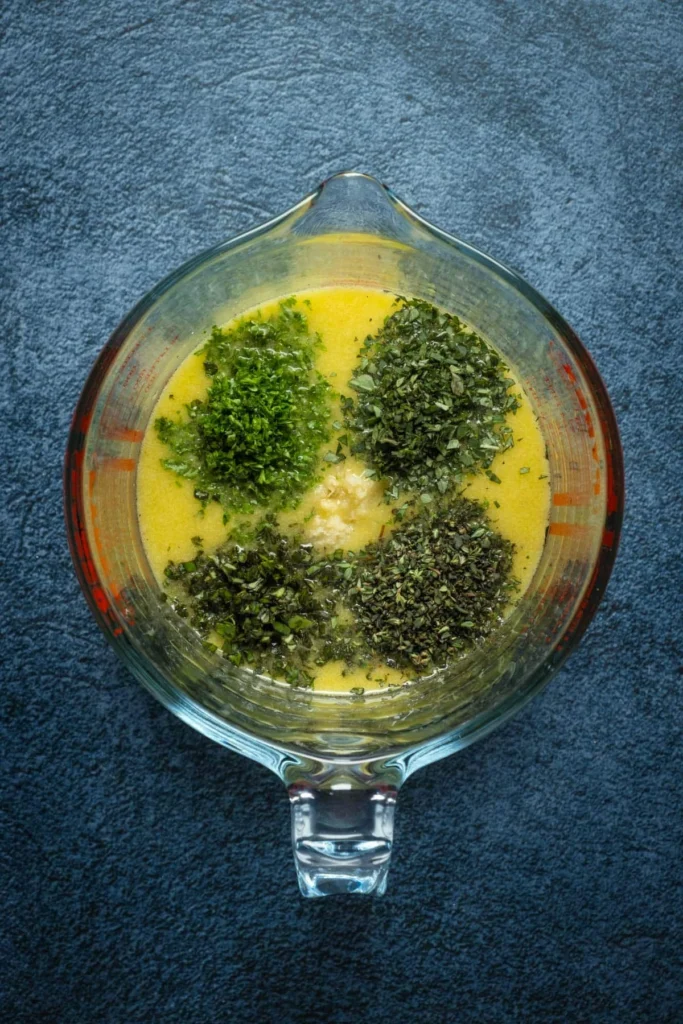
- Emulsification Phase: The initial step requires the combination of the oil, vinegar, lemon juice, Dijon mustard, and maple syrup. These are whisked vigorously in a large vessel. The goal is to reach a state of stable suspension where the acidity and the oil are perfectly integrated.
- Flavor Infusion: Once the base is stabilized, finely minced garlic and fresh herbs are introduced. The use of fresh herbs—specifically basil, oregano, and parsley—is critical. Scientific analysis of volatile organic compounds suggests that fresh herbs contain higher concentrations of aromatic oils compared to their dried counterparts, which lose potency during the dehydration process.
- Maturation: Culinary experts recommend allowing the dressing to rest for at least 15 to 30 minutes after preparation. This "marination period" allows the garlic to mellow and the herbs to permeate the oil base, resulting in a more complex flavor profile.
Market Context and Consumer Demand
The rise in popularity of this recipe aligns with broader data from the food industry. According to market research reports on the plant-based condiments sector, the category is projected to see a compound annual growth rate (CAGR) of over 10% through 2030. Consumers are increasingly scrutinizing labels for "clean" ingredients. By opting for a scratch-made dressing, households are effectively reducing their intake of hidden sugars, high-fructose corn syrup, and synthetic gums like xanthan or guar gum that are standard in mass-market dressings.

Culinary Implications and Storage Best Practices
From a food safety and quality management perspective, the absence of commercial preservatives necessitates specific handling protocols. Unlike shelf-stable products, this dressing is highly perishable.

- Storage Duration: When stored in an airtight, glass container—preferably a mason jar—the product maintains peak quality for a duration of five days under standard refrigeration temperatures (below 40°F/4°C).
- Temperature Sensitivity: Freezing is generally discouraged, as the emulsification process is sensitive to temperature fluctuations. Freezing can cause the oil to crystallize and the water-based components to separate, leading to a permanent degradation of the texture upon thawing.
- Cross-Contamination Prevention: To maintain the five-day shelf life, it is recommended to use clean utensils for every serving to prevent the introduction of bacteria into the container.
Broader Impact on Dietary Patterns
The transition toward homemade vegan dressings is symptomatic of a larger movement toward domestic food autonomy. By replacing pre-packaged dressings with recipes that emphasize fresh, seasonal herbs, consumers are exerting greater control over their nutrient intake. This shift is particularly impactful in the context of the "Appetizer-as-a-Meal" trend, where nutrient-dense salads serve as the primary caloric intake for many, rather than merely a side dish.

The inclusion of heart-healthy fats, combined with the antioxidants present in fresh garlic and herbs, supports the broader public health objective of reducing processed food consumption. As more home cooks adopt these methodologies, the reliance on industrial food production for basic pantry staples continues to wane, fostering a more sustainable and health-conscious food culture.

In conclusion, the shift toward this style of vegan Italian dressing is not merely a trend for those following a plant-based diet; it is a pragmatic approach to culinary nutrition. By understanding the chemical interactions between the emulsifiers and the aromatic components, home cooks can achieve a restaurant-quality product that satisfies both the palate and the requirements for a clean, whole-food diet. As the culinary landscape continues to evolve, the emphasis will likely remain on the intersection of convenience, health, and authentic flavor, with simple, effective recipes like this one serving as the cornerstone of modern, conscious eating.



0 Komentar
Sampaikan opini dan diskusi yang membangun dengan bahasa yang santun.
No Comments Yet
Be the first to share your thoughts on this story.