
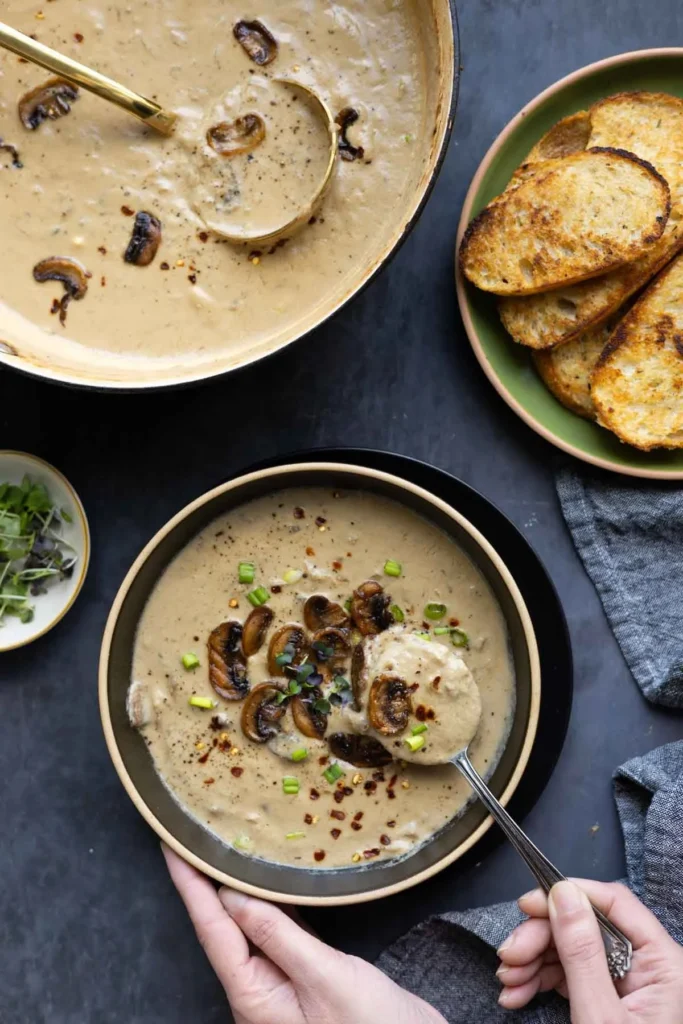
The Evolution of a Culinary Staple
The recipe was initially curated by Somer McCowan, a respected figure in the plant-based community known for her contributions to the Forks Over Knives platform and her advocacy for vegan lifestyle choices. McCowan, who passed away earlier this year, maintained a long-standing collaborative relationship with culinary educator Richa Hingle. The soup was originally developed as a functional, high-nutrition meal intended to support individuals dealing with health challenges, emphasizing the role of whole-food, plant-based nutrition in recovery and daily wellness.
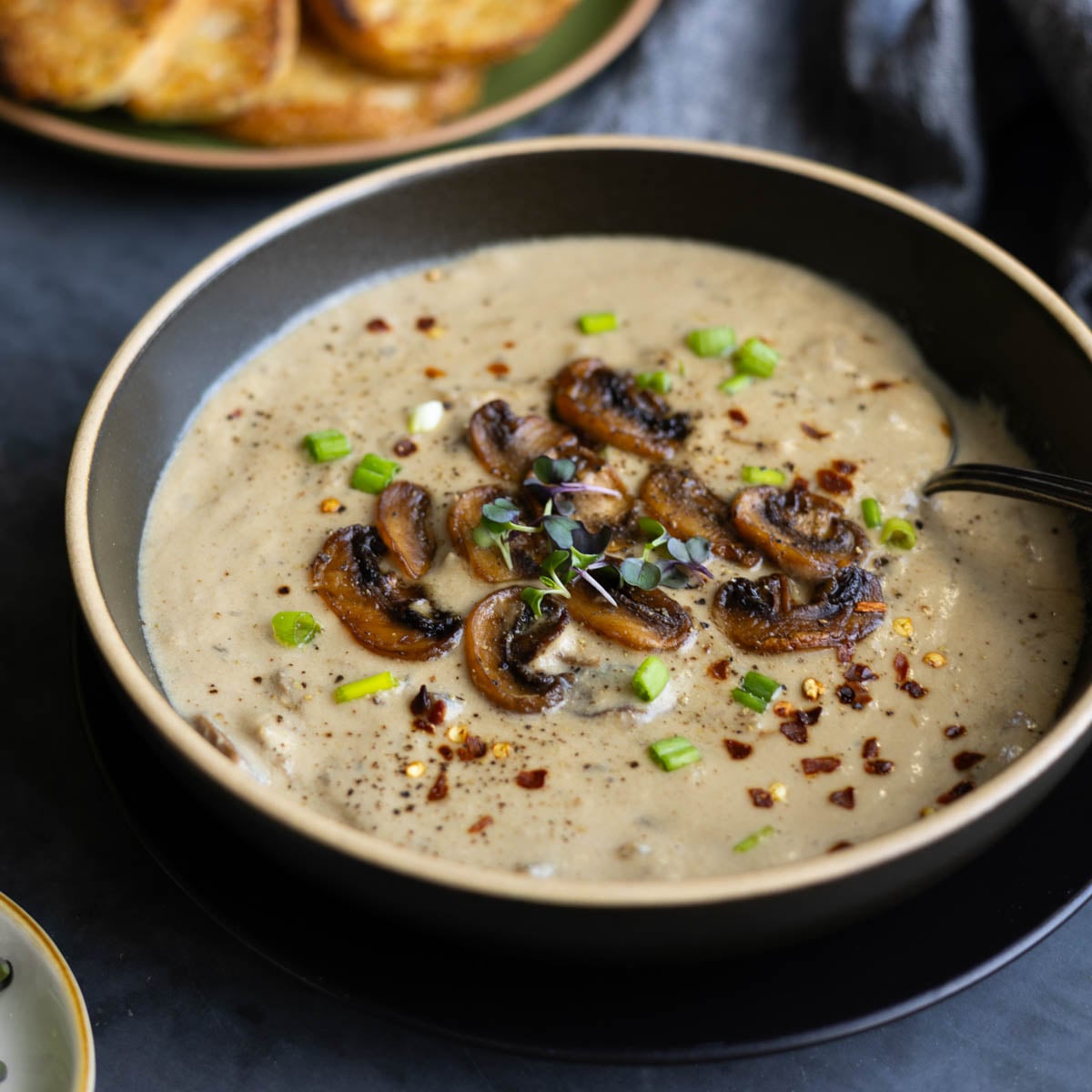
Over the last ten years, the culinary landscape has shifted toward faster, more efficient preparation cycles. The recent update to this recipe reflects these changing demands. The original methodology required the boiling of liquid components before transferring them into a blender—a process that posed potential safety risks and logistical difficulties in a standard home kitchen. The updated procedure optimizes efficiency by blending a portion of the raw ingredients with a cashew base before introducing them to the pan, thereby reducing the need for high-heat transfers and simplifying the overall cooking timeline to 30 minutes.
Nutritional Profile and Dietary Implications
From a nutritional standpoint, the soup is designed to provide substantial satiety, a common hurdle for plant-based dishes. By utilizing a cashew-based cream rather than traditional heavy dairy or starch-heavy thickeners, the recipe achieves a rich texture while providing a significant amino acid profile.
Vegan Chop Suey
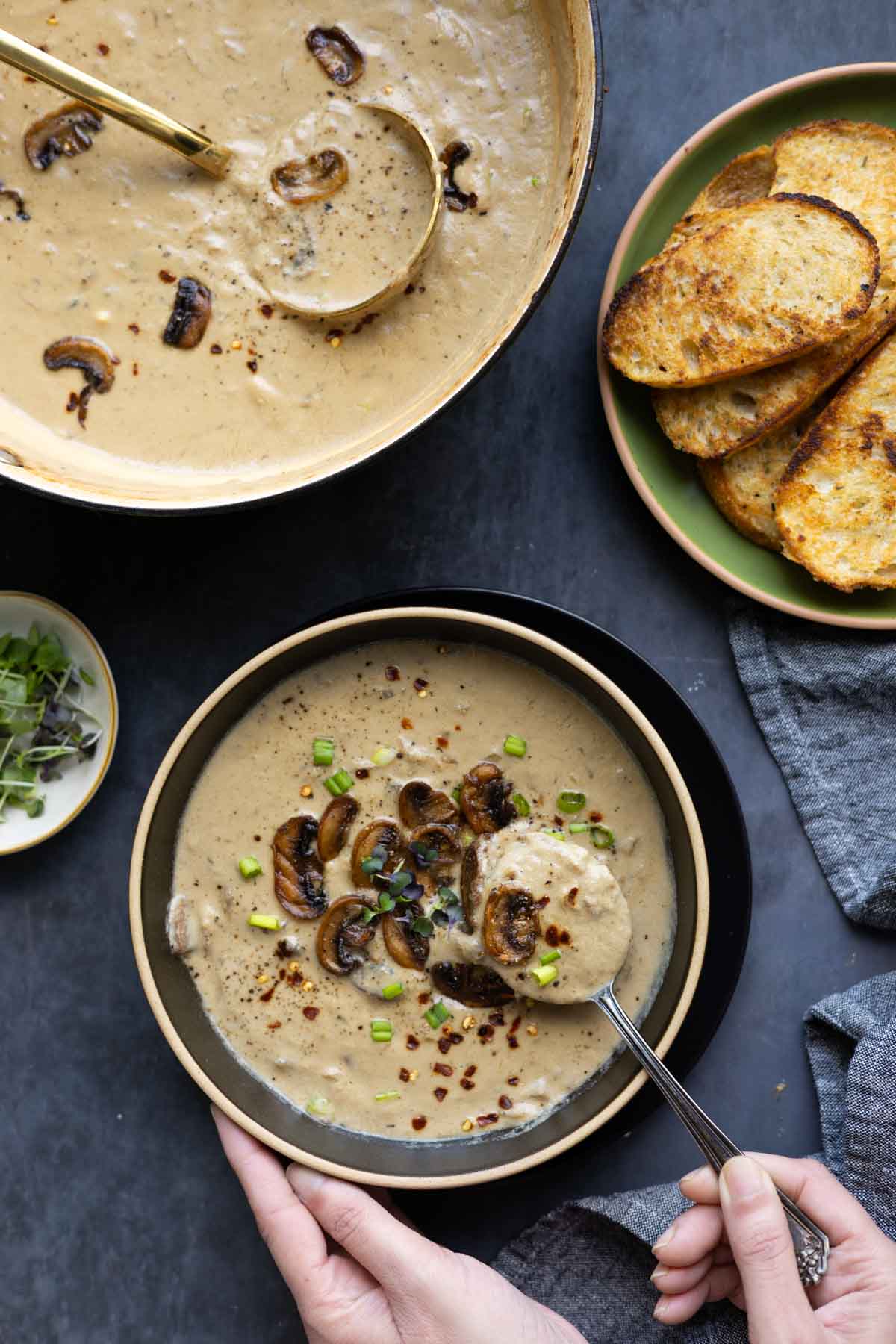
The standard nutritional breakdown, calculated based on the primary ingredient list, is as follows:
- Calories: 329 kcal
- Protein: 14g (up to 20g with optional additions like silken tofu or white beans)
- Total Fat: 20g
- Carbohydrates: 27g
- Fiber: 6g
- Sodium: 424mg
The incorporation of cashews provides a source of healthy monounsaturated fats, while nutritional yeast acts as a non-dairy source of B-vitamins and savory depth. The versatility of the recipe allows for the inclusion of miso or white beans, which serve to elevate the umami flavor profile while simultaneously increasing the protein density to over 20 grams per serving. This makes the dish an effective option for individuals tracking macronutrient intake without the use of processed soy-based meat alternatives.
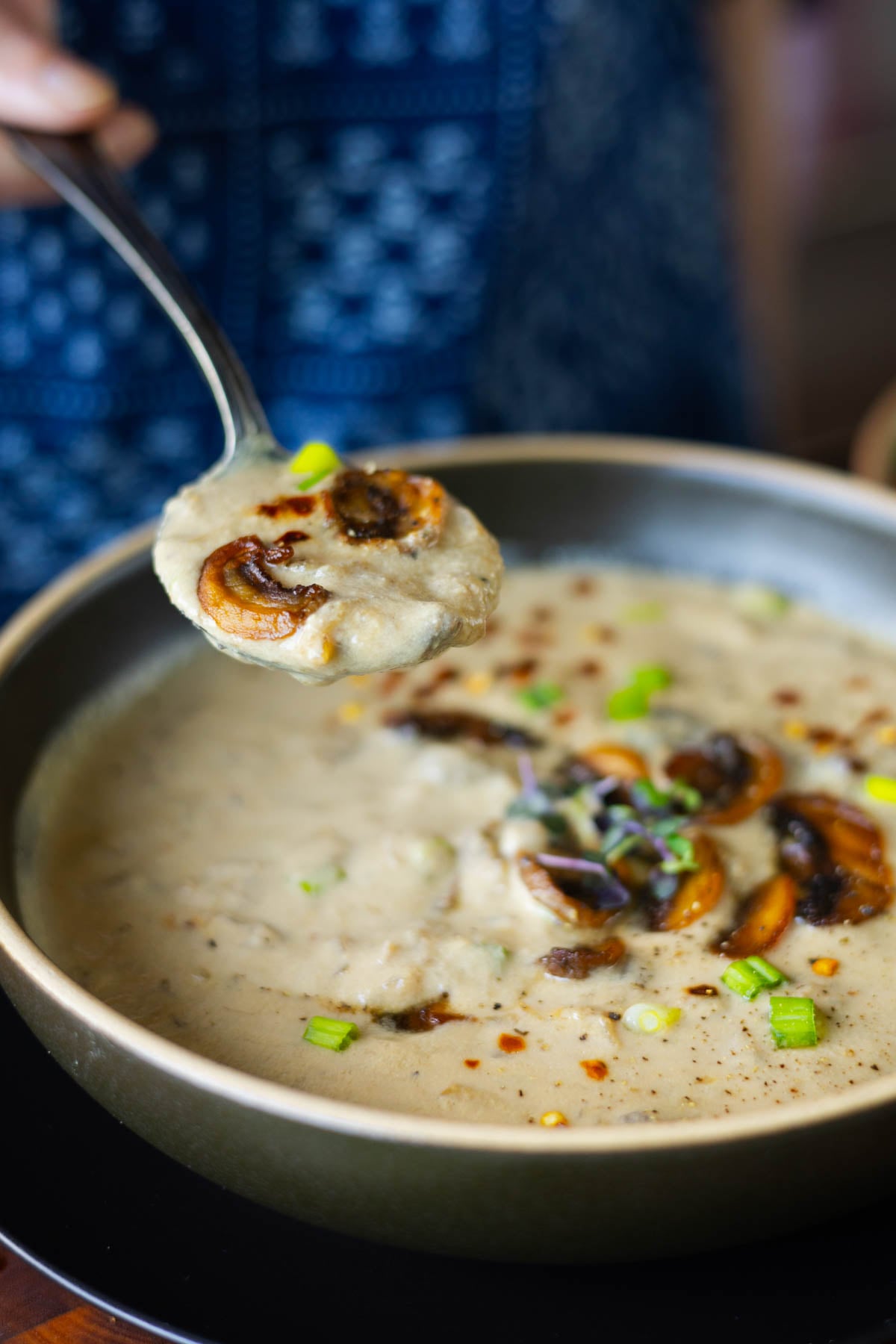
Procedural Advancements in Home Cooking
The updated cooking process is categorized into three distinct phases: initial aromatics and mushroom browning, the creation of the base, and the final emulsification.
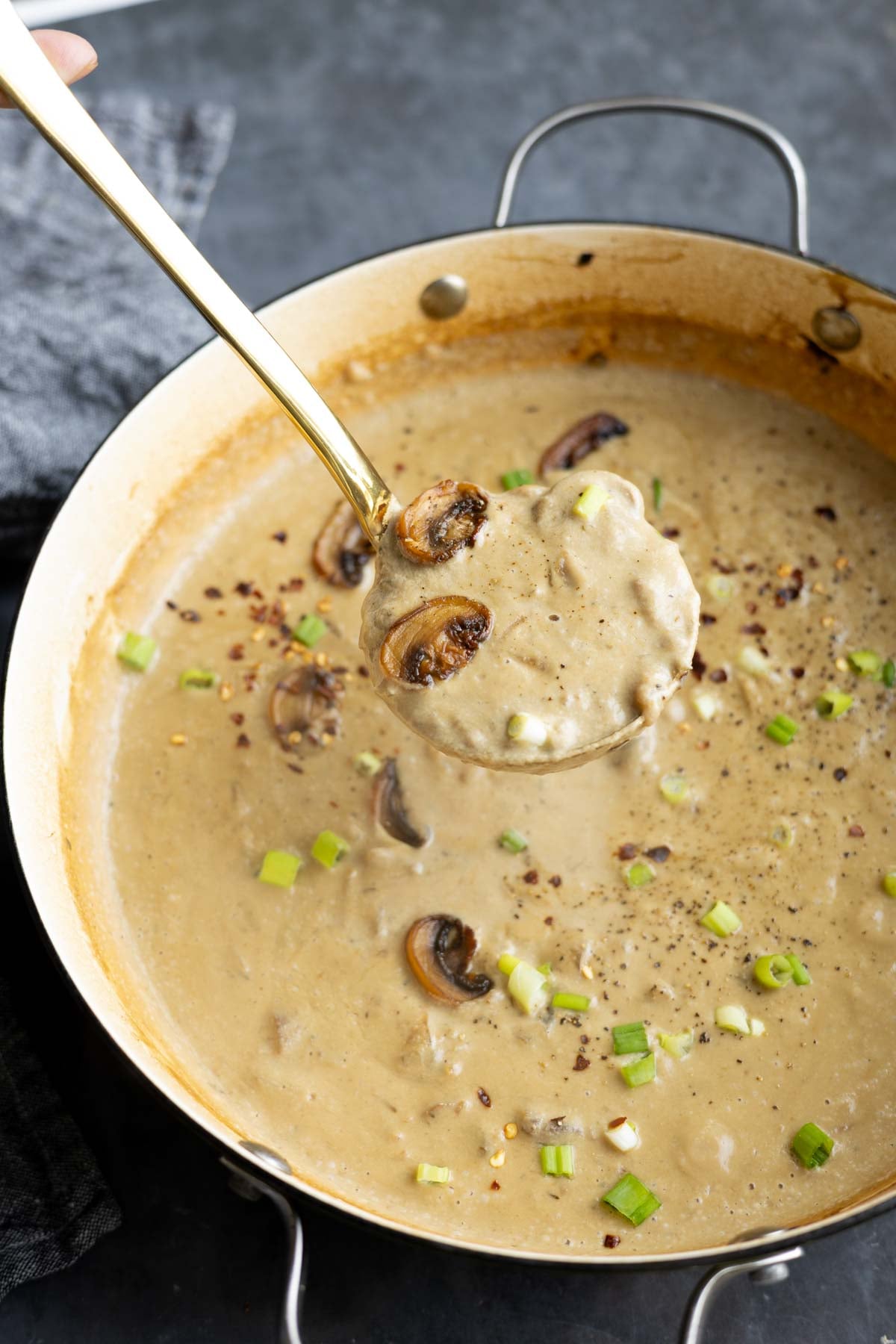
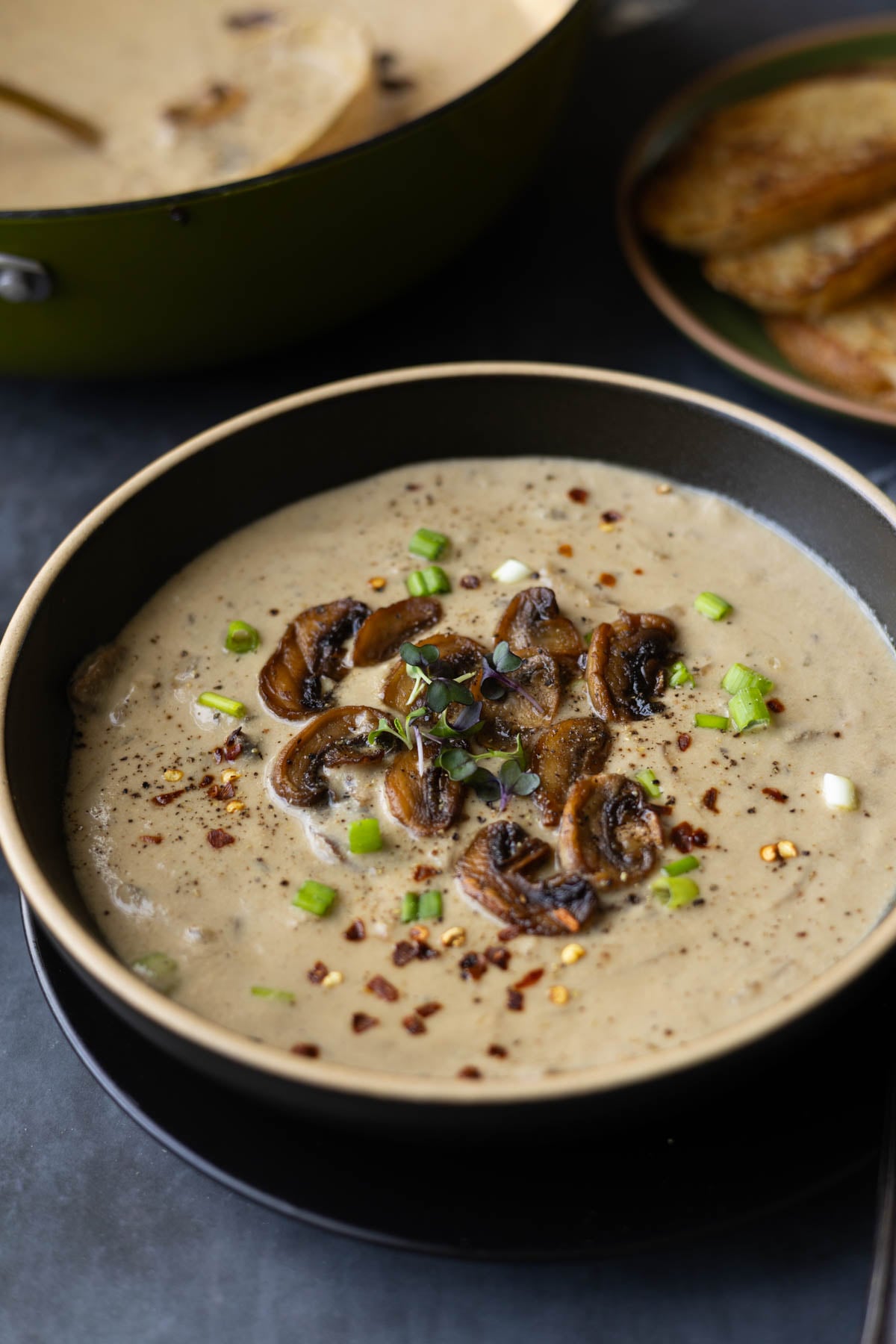
- Preparation of Aromatics: The process begins by browning 1 to 2 ounces of sliced mushrooms in a heavy-bottomed vessel, such as a Dutch oven. This step is critical for developing a Maillard reaction, which contributes to the deep, earthy flavor characteristic of traditional cream of mushroom soups.
- Base Development: Following the browning of the garnish mushrooms, the remaining aromatics—onions and garlic—are sautéed until translucent. This step serves as the foundation for the soup’s flavor architecture. The inclusion of wine or, as an alternative, balsamic vinegar, serves to deglaze the pan, incorporating the browned bits of mushroom and onion into the liquid base.
- Emulsification: The final stage involves a high-speed blending of soaked cashews with stock. This specific technique—blending a subset of the mushrooms and onions with the nuts—creates a thick, velvety consistency that mimics the mouthfeel of dairy-based cream. The mixture is then reintroduced to the pan to be brought to a final boil, ensuring all components are cooked through and the flavors are harmonized.
Broad Implications for Plant-Based Gastronomy
The longevity of this specific recipe highlights a broader trend in the food industry: the institutionalization of home-grown, digital-first recipes as reliable alternatives to commercial products. Many store-bought canned cream of mushroom soups rely on stabilizers, excessive sodium, and dairy byproducts. By providing a clear, reproducible, and healthy alternative, recipes such as this serve to bridge the gap between "health food" and "comfort food."
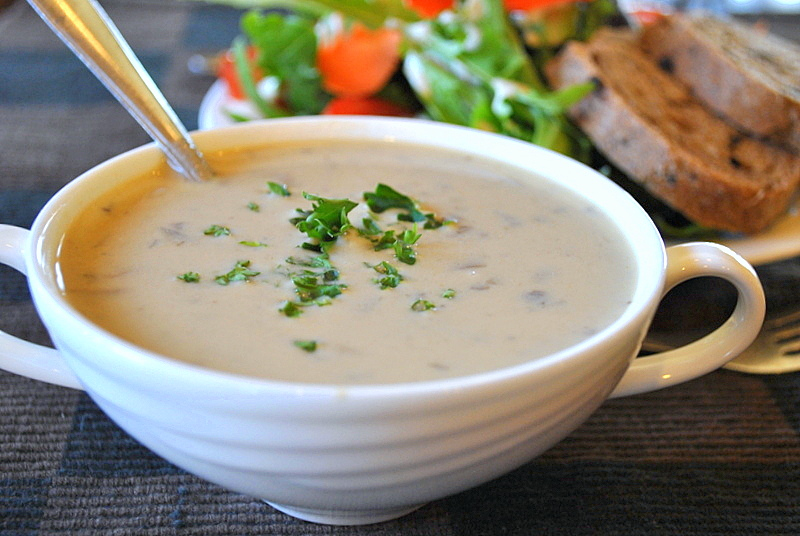
Furthermore, the adaptation of the recipe to accommodate various allergies—such as the option to replace cashews with hemp seeds or pumpkin seeds for those with nut allergies—demonstrates a commitment to inclusive cooking. As more consumers adopt plant-forward diets for environmental, health, or ethical reasons, the ability to modify classic recipes without losing the essential sensory experience of the original becomes increasingly valuable.
Reflections on a Legacy
The re-release of this recipe serves as a tribute to Somer McCowan. Her work, which included co-hosting the Virtual Vegan Potluck and writing for Forks Over Knives, was instrumental in building the infrastructure for the modern vegan food movement. Her commitment to creating recipes that were both accessible and compassionate allowed many individuals to transition to plant-based diets during a time when such resources were scarce.
By updating the recipe, the current caretakers of the original content ensure that McCowan’s legacy remains functional. The documentation of her methods, now refined for modern, safer, and faster execution, continues to serve as a resource for those looking for sustainable, high-protein, and allergen-friendly meal solutions.
Storage and Scalability
The soup is engineered for batch cooking, remaining stable in refrigerated storage for up to three days. While traditional mushroom-based soups often face textural degradation when frozen due to the high water content of the mushrooms, the high fat content of the cashew cream provides a degree of stability, allowing for potential short-term freezing. This scalability makes it a viable candidate for "meal prepping," a practice that has seen a significant rise in popularity among professionals seeking to manage their dietary intake throughout the work week.
In conclusion, the update to this Easy Vegan Cream of Mushroom Soup is more than a simple revision of a recipe. It represents the intersection of memorializing a contributor to the plant-based movement and applying modern culinary efficiency to a timeless dish. Through the use of simple, nutrient-dense ingredients and a streamlined, safer cooking process, this soup remains a relevant, high-protein staple for the contemporary home kitchen.




0 Komentar
Sampaikan opini dan diskusi yang membangun dengan bahasa yang santun.
No Comments Yet
Be the first to share your thoughts on this story.