The Ultimate Lemon Meringue Layer Cake: A Comprehensive Culinary Evolution of a Classic Dessert

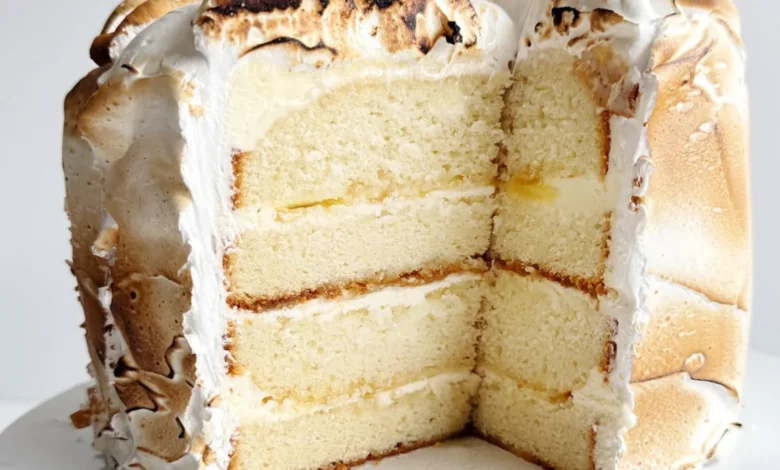
The culinary landscape of modern baking is defined by a continuous cycle of reinvention, where classic flavor profiles are updated to meet contemporary technical standards and evolving consumer palates. Among the prominent developments in this domain is the recent revitalization of the classic lemon meringue cake, a recipe originally featured in the inaugural publication of The Vanilla Bean Baking Book. Following a specific birthday request from a family member, the recipe underwent a meticulous series of structural and ingredient modifications. The result is a refined iteration that balances structural integrity with an intensified citrus profile, setting a new benchmark for layered citrus desserts in contemporary home and professional bakeries.
Evolution and Structural Redesign
The genesis of this updated recipe can be traced back to a yearly birthday tradition. When tasked with creating a celebratory dessert that relied on a lemon meringue foundation, the recipe’s developer opted to critically evaluate the existing framework established in earlier published works. The original formulation utilized a traditional yellow cake base. While structurally sound, empirical kitchen testing revealed that the yellow cake lacked the delicate crumb necessary to harmonize seamlessly with the airy lightness of a whipped meringue topping and the rich mouthfeel of traditional buttercream.
The primary structural alteration involved substituting the traditional yellow cake base with a dedicated white cake formulation. This shift yielded significant textural improvements. The resulting white cake exhibited a noticeably lighter and more tender crumb, which successfully mitigated the potential for heaviness when paired with dense frostings.
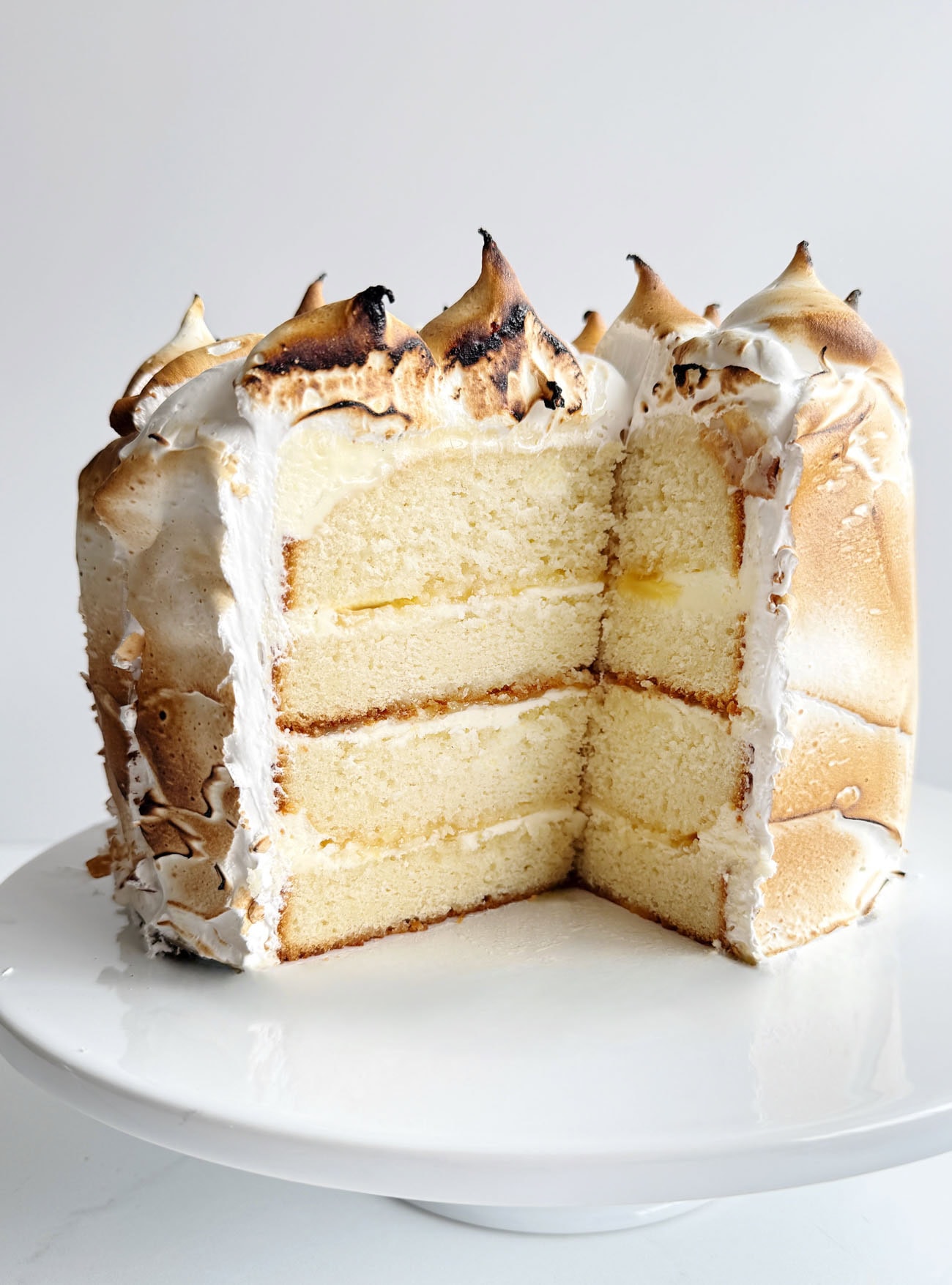
To further elevate the sensory experience, the formulation retained a signature lemon soak designed to infuse the interior layers with persistent moisture and bright citrus notes. However, a critical addition was introduced: an intermediate layer of concentrated lemon curd. This addition served to amplify the overall citrus intensity, providing a tart contrast to the sweet, toasted meringue exterior and the rich buttercream filling. Culinary evaluations conducted during the testing phase confirmed that these adjustments transformed the dessert into a more balanced and complex confection, cementing its status as an annual celebratory request.
Technical Analysis of the Reverse Creaming Method
A central component of the success of this updated cake lies in the preparation technique known as reverse creaming. Unlike the conventional creaming method—wherein softened butter and granulated sugar are beaten together first before alternating the addition of wet and dry ingredients—the reverse creaming technique introduces the softened butter directly into the measured dry ingredients.
From a food science perspective, this method coats the flour particles in fat prior to the introduction of any liquids. The fat acts as a hydrophobic barrier, inhibiting excessive gluten development when the dairy and liquid components are subsequently mixed in. Consequently, the resulting baked good develops a remarkably fine, uniform crumb structure that is dense yet exceptionally tender.
Furthermore, cakes produced via the reverse creaming method display distinct geometric advantages. Traditional creaming methods often incorporate excessive air into the batter, leading to significant doming during the baking process due to rapid carbon dioxide expansion and structural collapse in the center. The reverse creaming method yields a remarkably flat top layer. This characteristic eliminates the need for extensive trimming prior to assembly and frosting, streamlining the construction of multi-layered celebration cakes. Professional pastry chefs and advanced home bakers frequently employ this technique for precision projects, such as white sprinkle cakes and tiered celebration desserts, where structural uniformity and aesthetic symmetry are paramount.

Ingredient Selection, Precision, and Measurement Standards
The reproducibility of modern baking formulations relies heavily on standardization and ingredient quality. In the development of this lemon meringue layer cake, meticulous attention was applied to volumetric versus weight-based measurements, particularly regarding dry ingredients like unbleached all-purpose flour.
Extensive empirical testing regarding flour density reveals substantial variance across different kitchens and geographic regions. While a standard volumetric measurement of one cup of all-purpose flour is frequently cited as weighing anywhere from 120 grams to as much as 160 grams depending on compaction, systematic averaging across extensive test batches determined an optimal baseline of 142 grams per cup for this specific formulation. To ensure absolute consistency and to mitigate the risks of dry or dense cake layers caused by over-measured flour, professional culinary standards strongly recommend the use of digital scales for weight-based measurements in grams.
Beyond flour standardization, the structural components of the cake—including fresh citrus juice and zest, high-fat European-style butter, pasteurized egg whites for the stable meringue topping, and high-grade dairy—play critical roles. The chemical reactions between the acid present in the lemon curd and soak, the leavening agents, and the dairy proteins dictate both the rise and the tender mouthfeel of the final product.
Preservation, Storage, and Practical Kitchen Implications
For professional bakers, caterers, and home enthusiasts alike, time management and advance preparation are vital considerations when executing multi-component desserts involving delicate elements like Italian or Swiss meringue.

The structural components of this lemon meringue layer cake offer a high degree of operational flexibility through strategic freezing. According to culinary protocols established during the recipe’s testing phase, the baked cake layers can be prepared in advance, wrapped tightly in moisture-barrier materials such as plastic wrap, and frozen safely for up to two weeks prior to final assembly and frosting. This capability allows commercial kitchens and home cooks to stagger labor-intensive tasks—such as baking, curd preparation, and meringue whipping—across multiple days.
However, precise limitations apply to the final assembly. While the unfrosted cake layers demonstrate excellent freeze-thaw stability, the completed cake featuring whipped meringue and buttercream requires careful storage considerations. Meringue, being a fragile colloidal suspension of air in a sugar-and-protein matrix, is susceptible to weeping and structural degradation over extended periods in high-humidity environments. Consequently, final assembly and torching of the meringue are recommended shortly before service to achieve optimal visual appeal and textural contrast between the crisp, caramelized exterior and the tender interior cake.
Broader Impact and Culinary Trends
The continuous refinement of established recipes reflects a broader trend within the culinary arts: the intersection of traditional baking heritage with precision food science. As consumers increasingly seek out desserts that balance intense, natural flavors with refined textures, recipes that modernize classic templates—such as combining traditional lemon meringue pie elements with modern layered cake architecture—gain widespread traction in both digital food media and professional establishments.
The widespread adoption of techniques like reverse creaming and the emphasis on weight-based metric measurements signal a maturation in the home baking community. By demystifying the chemical interactions behind structural cake development, creators provide consumers with the tools necessary to achieve consistent, professional-grade results. This ongoing evolution of the lemon meringue cake serves as a case study in how thoughtful iteration, respect for ingredient science, and adaptation to contemporary preferences can elevate a familiar dessert into an enduring culinary standard.