Sourdough Pumpkin Bagel Recipe: A Masterclass in Fermentation and Seasonal Baking

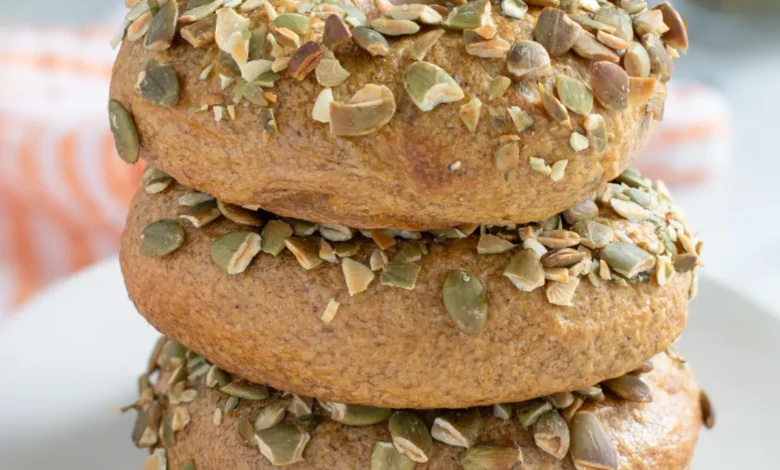
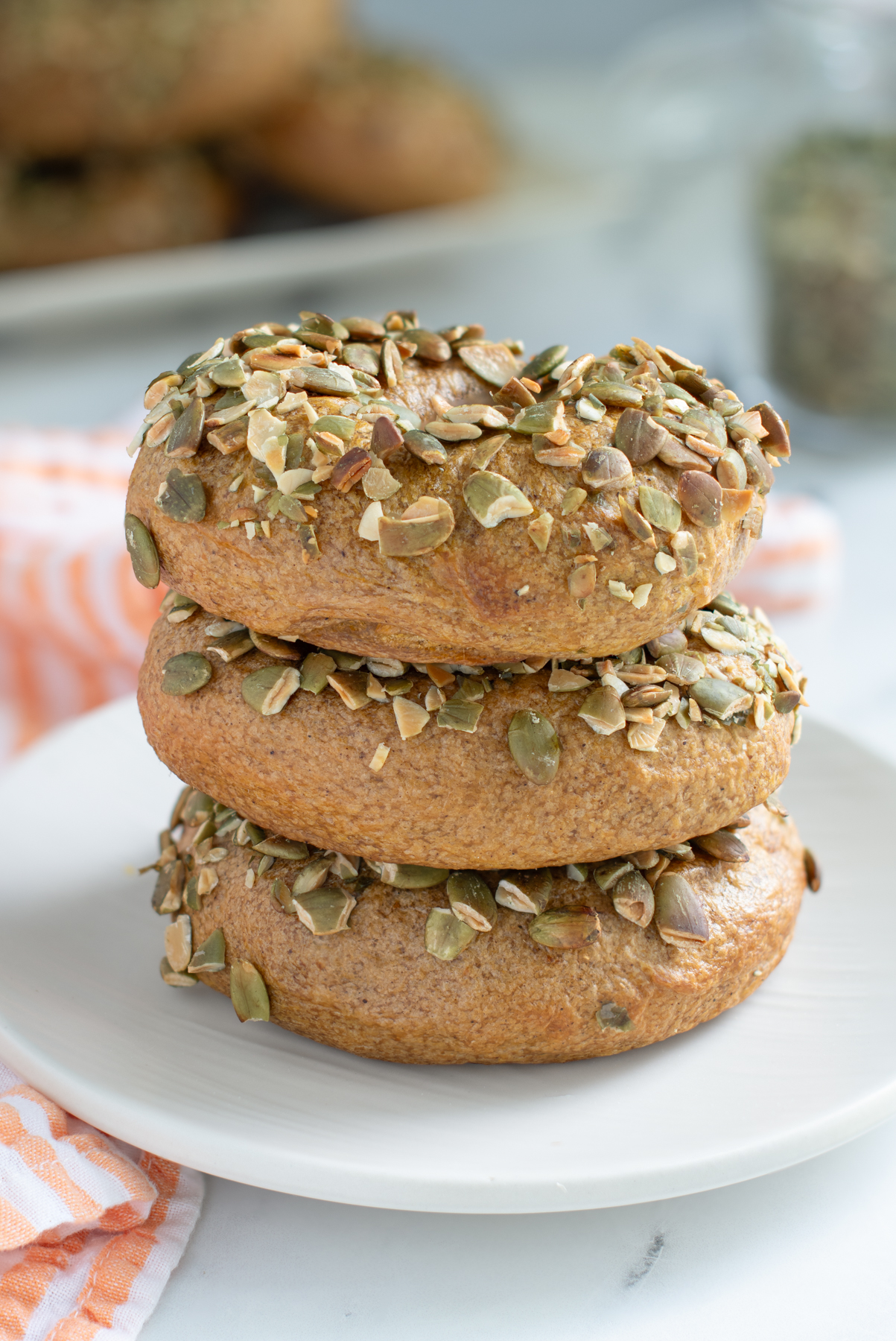
The intersection of traditional sourdough techniques and seasonal ingredient integration has reached a new culinary benchmark with the introduction of the sourdough pumpkin bagel. This development marks a departure from commercial yeast-based pumpkin breads, favoring a slow-fermentation process that utilizes active wild yeast cultures to achieve a dense, New York-style crumb structure. As home baking continues to evolve, the shift toward utilizing sourdough starters for enriched doughs—those containing fats, sugars, or vegetable purées—represents a growing sophistication in domestic kitchen practices.
The Science of Enriched Sourdough Fermentation
The fundamental challenge in baking with pumpkin is the moisture content and pH levels of the gourd, which can interfere with the delicate balance of a sourdough culture. Unlike standard lean doughs—which consist primarily of flour, water, salt, and yeast—the addition of pumpkin purée and warm spices creates an "enriched" environment. In professional baking circles, it is widely acknowledged that pumpkin contains enzymes and sugars that can accelerate or, if improperly balanced, inhibit yeast activity.
By relying on a two-day fermentation schedule, this recipe leverages the natural lactic acid bacteria present in a healthy starter. These bacteria work in tandem with the wild yeast, breaking down complex starches into simpler sugars. This process not only improves the digestibility of the final product but also provides a robust flavor profile that masks the potential "earthiness" of the pumpkin, allowing it to function as a subtle flavor enhancer rather than an overwhelming additive.
Chronology of the Baking Process
The production of these bagels is dictated by a strict temporal framework, necessitated by the metabolic rate of the wild yeast. The process typically spans approximately 13 hours of active and passive time, broken down into distinct phases:
- Inoculation (Day One): The process begins the evening before baking. A portion of the sourdough starter is fed with fresh flour and water. This ensures the culture is at its peak activity level—often referred to as "the rise"—before it is introduced to the heavier pumpkin-infused dough.
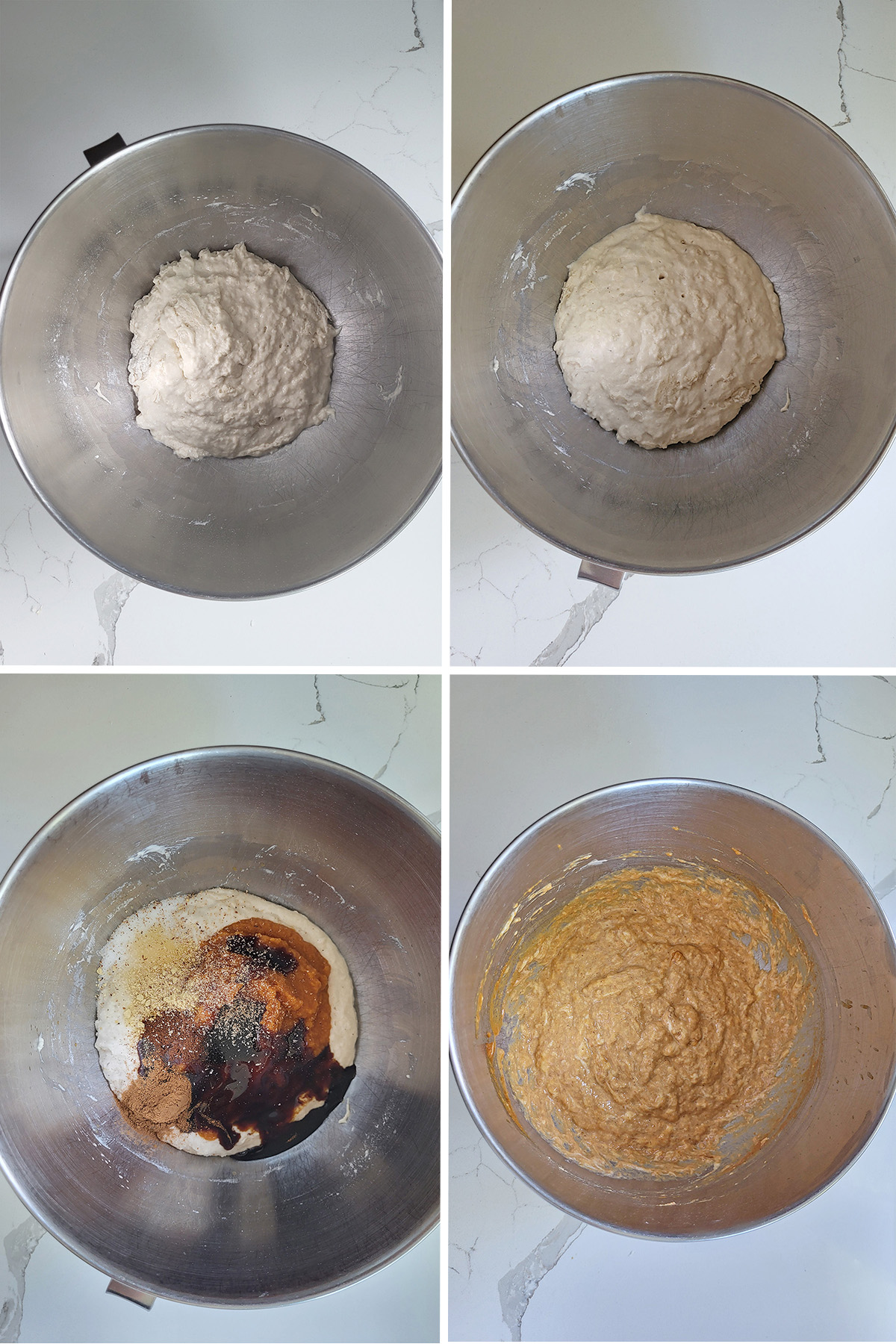
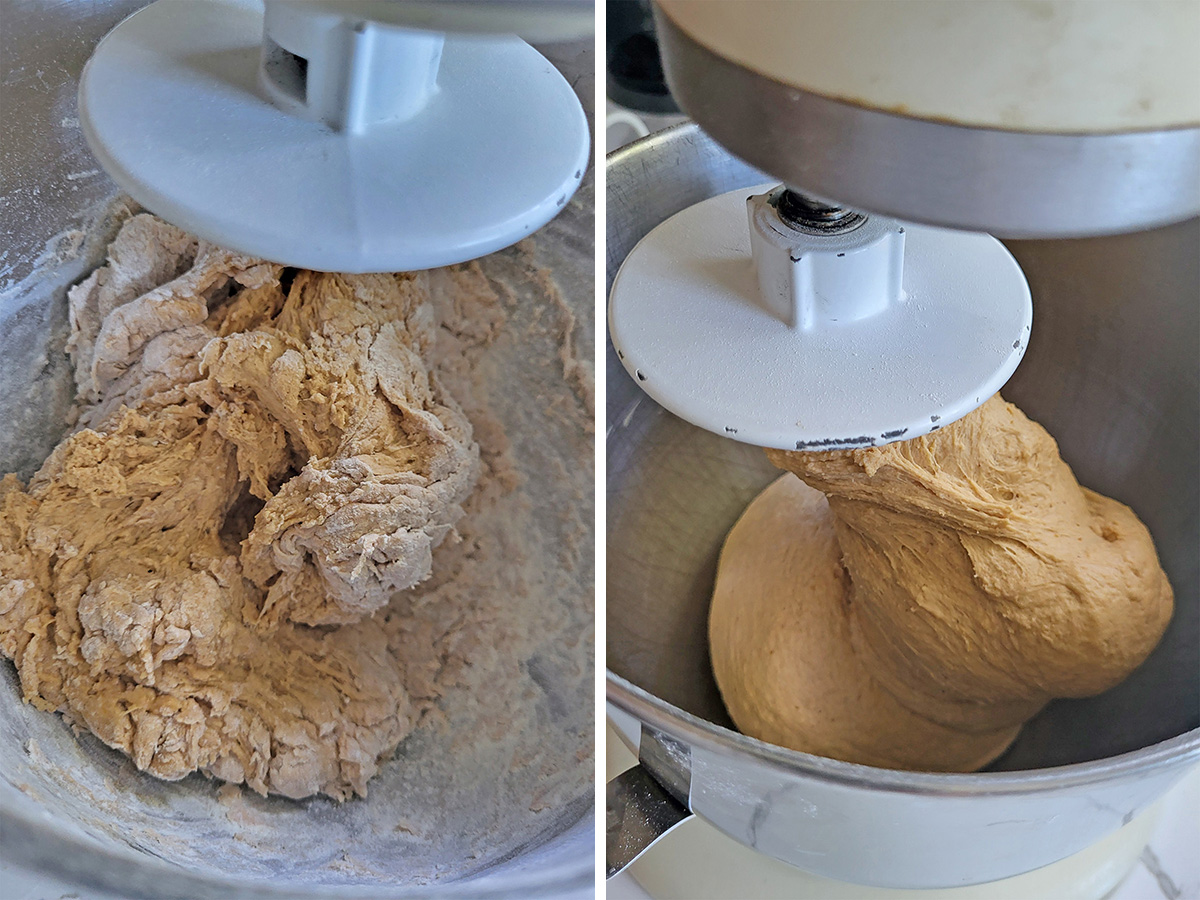
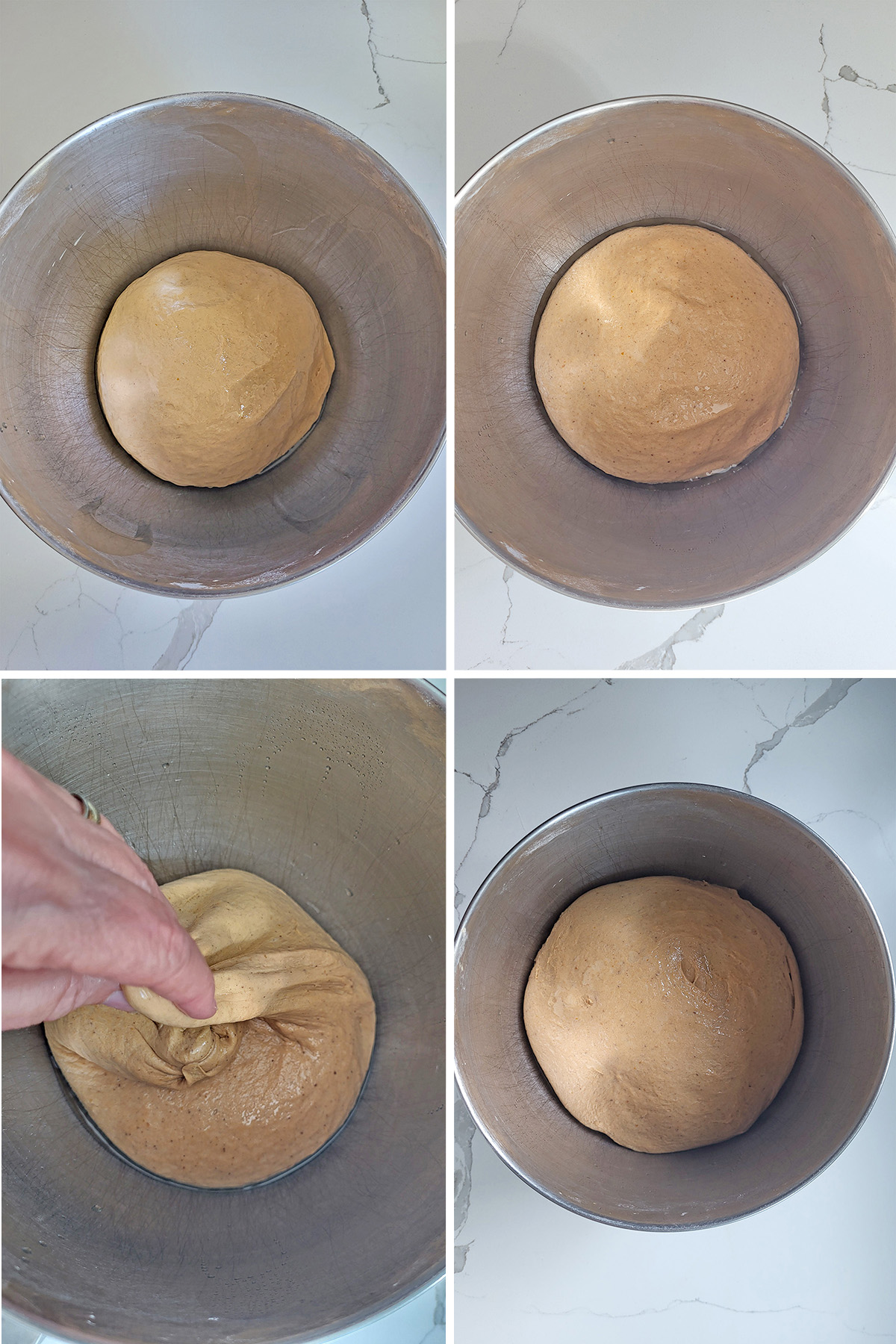
- Dough Development (Day Two – Morning): The active starter is combined with bread flour, water, pumpkin purée, and a sweetener, such as barley malt syrup. The dough undergoes a period of bulk fermentation. This is a critical stage where the gluten network is established. Because enriched doughs rise more slowly, bakers must monitor the dough’s volume rather than relying solely on a timer.
- Shaping and Cold Proofing: Once the dough has reached optimal volume, it is divided and shaped into the traditional bagel form. These are then placed into a cold environment, such as a refrigerator, for an extended rest. This cold-proof phase is a hallmark of high-quality bagel production, as it encourages the development of flavor compounds that cannot be achieved in a rapid-rise scenario.
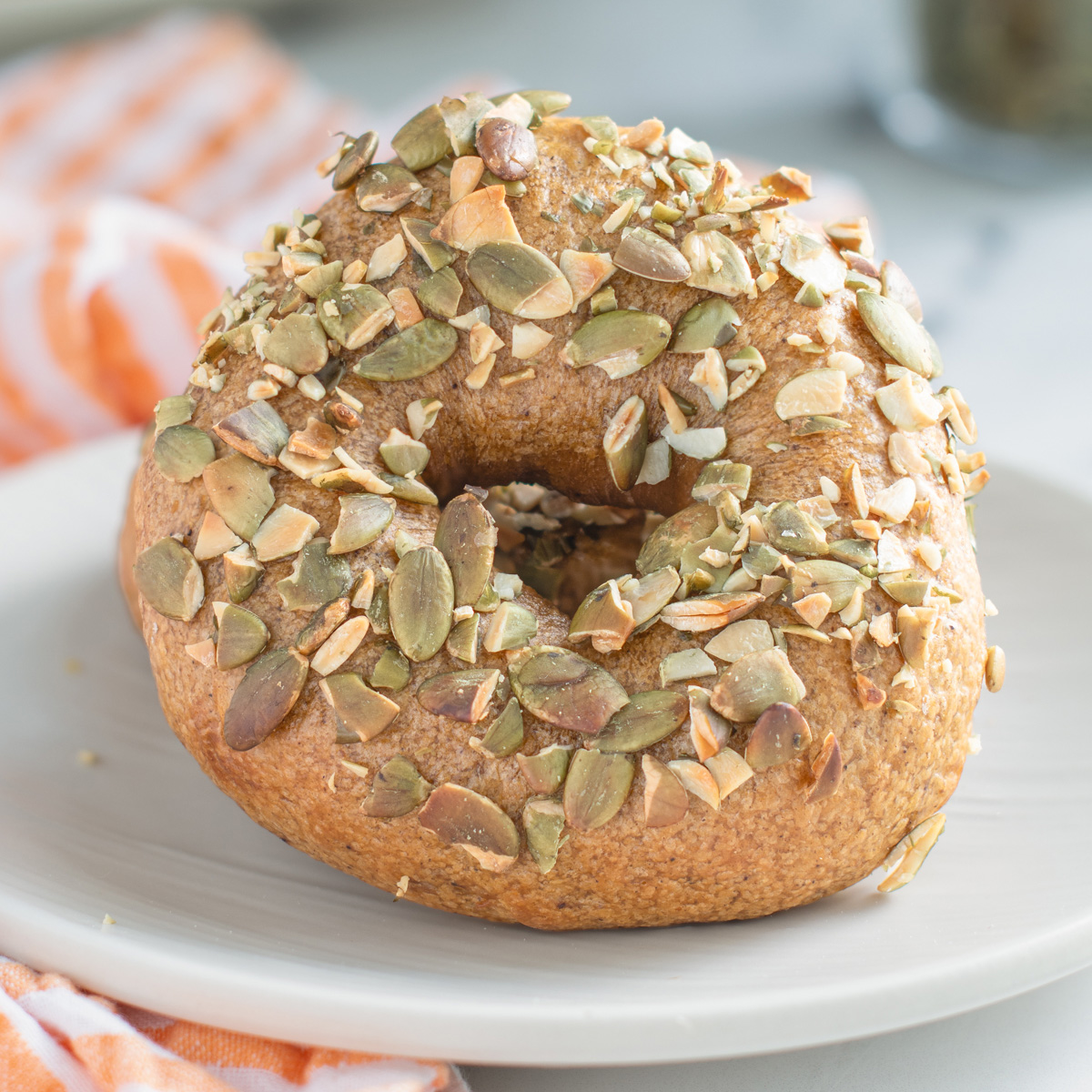
- Boiling and Baking: Before entering the oven, the bagels are briefly boiled in water. This gelatinizes the exterior starches, which creates the characteristic "chewy" skin and provides a glossy finish. The baking stage is the final step, ensuring the interior crumb is set and the exterior is golden-brown.
Supporting Data and Nutritional Profile
The nutritional implications of sourdough fermentation are significant. A single serving of a sourdough pumpkin bagel contains approximately 331 kilocalories, 58 grams of carbohydrates, and 11 grams of protein. While the calorie count is comparable to standard commercial bagels, the primary distinction lies in the glycemic response. Studies in nutritional science have long suggested that the fermentation process of sourdough helps to modulate the blood glucose response, making these bagels a more stable energy source compared to those made with instant yeast.
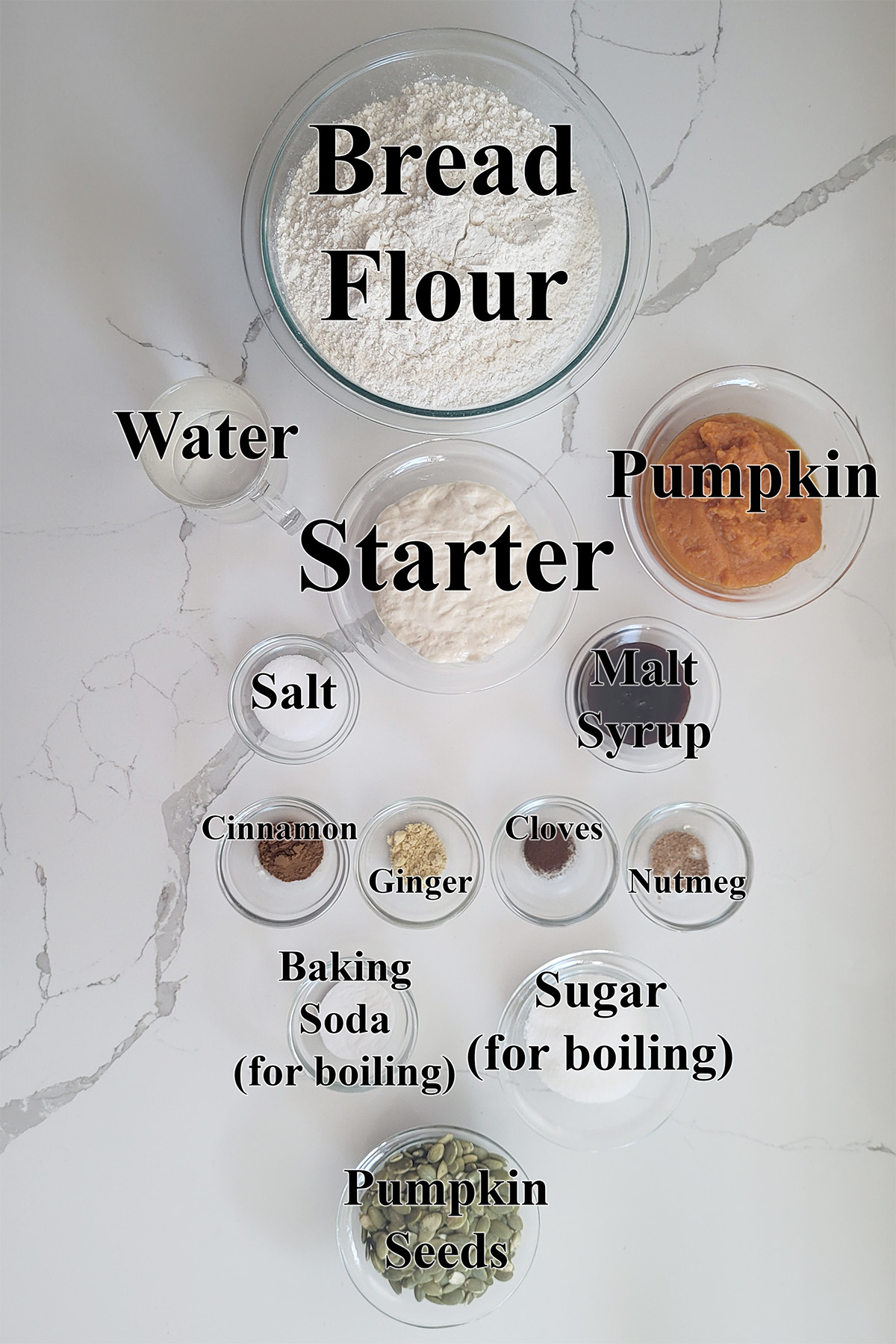
Furthermore, the inclusion of pumpkin provides a modest increase in Vitamin A and dietary fiber. The mineral profile, including 2 milligrams of iron and 26 milligrams of calcium per bagel, reflects the nutrient density of high-protein bread flour combined with the natural mineral content of the pumpkin purée.
Industry Perspectives on Seasonal Baking Trends
Professional bakers have observed a sustained interest in "functional seasonal baking." This trend is characterized by a desire to integrate produce—such as pumpkins, squash, or autumn fruits—into staple items like breads and bagels. According to market analysts monitoring the baking industry, there has been a 15% increase in searches for "sourdough alternatives to commercial yeast" over the last three years.
"The move toward sourdough is not just about the health benefits; it is about the mastery of the craft," notes an industry consultant familiar with artisan bread production. "When you remove commercial yeast from the equation, the baker must understand the biological needs of the dough. Adding pumpkin, which is a complex ingredient, forces the baker to pay closer attention to temperature, hydration, and timing. It is a refinement of the process."
Challenges and Best Practices for Implementation
One of the most frequently cited hurdles for home bakers is the potential for the dough to become too slack. Pumpkin purée has a high water content, which can lead to a sticky, difficult-to-handle dough. Experts recommend using canned pumpkin (specifically pureed pumpkin, not pie filling) to ensure a consistent water-to-solid ratio.
Furthermore, the choice of sweetener is vital. While white sugar can be used, the use of barley malt syrup—a traditional ingredient in New York-style bagel recipes—is strongly encouraged. Its complex, slightly bitter profile complements the acidity of the sourdough and the earthiness of the pumpkin, preventing the bagel from becoming overly sweet, which is a common complaint with "pumpkin spice" marketed products.
Storage and Shelf-Life Considerations
The nature of sourdough, combined with the moisture-retaining properties of pumpkin, results in a product with a shorter shelf life than mass-produced, preservative-laden bagels. The recommended storage method is to consume the product within 24 hours of baking. For long-term storage, the most effective method is to pre-slice the bagels three-quarters of the way through, store them in an airtight freezer-safe bag, and freeze them for up to three months. This allows for immediate toasting directly from the frozen state, which effectively restores the texture of the crumb and the crispness of the exterior.
Implications for the Future of Home Baking
The popularity of this specific recipe underscores a broader shift in consumer behavior: the "prosumer" movement. Home bakers are increasingly utilizing professional-grade equipment and techniques—such as weight-based measurement (grams) rather than volume-based measurement (cups)—to ensure consistent results.
As we look toward the future of home baking, the integration of sourdough with seasonal ingredients is expected to remain a permanent fixture in the culinary landscape. This shift represents a rejection of the "instant" culture that dominated the 20th century in favor of a slower, more deliberate, and scientifically informed approach to food preparation. By treating the kitchen as a laboratory for fermentation, bakers are not only producing a superior product but are also reclaiming a fundamental aspect of human sustenance that prioritizes quality, nutrition, and seasonality over convenience.