The Ultimate Guide to Selecting and Baking the Perfect Apple Dessert for Every Occasion

The arrival of autumn signals a shift in consumer demand toward seasonal produce, with apples consistently ranking as the most popular fruit for home baking in North America. As orchards reach peak harvest, culinary experts and professional bakers emphasize that the success of any fruit-based confection relies heavily on cultivar selection, thermal preparation techniques, and the intended social context of the dessert. Recent trends in culinary media indicate a diversification in how home cooks approach these ingredients, moving beyond the traditional pie toward sheet cakes, fermented doughs, and portable pastries.
Culinary Chronology of the Autumn Harvest
The transition from summer stone fruits to crisp, orchard-grown apples generally begins in late August and extends through November. Historically, the apple has occupied a central role in the domestic economy during this period. The evolution of apple-based desserts reflects broader changes in lifestyle; while early colonial recipes prioritized longevity and storage, contemporary baking focuses on efficiency and versatility.
In the early 2000s, the culinary landscape was dominated by standard iterations of apple crisps and traditional double-crust pies. By the 2010s, as the "baking bootcamp" movement gained traction on social media and cooking platforms, there was a measurable shift toward elevated, professional-style techniques—such as the integration of browned butter or the adaptation of savory doughs, like focaccia, into sweet applications. Today, the modern baker often seeks recipes that accommodate large gatherings, leading to the rise of sheet cakes and bar-style desserts that can be prepared in high volumes.

Scientific Selection: Identifying the Optimal Baking Apple
The technical performance of an apple under heat is determined by its cellular structure and sugar-to-acid ratio. Food scientists and professional bakers advise against the use of "eating" apples, such as Red Delicious, which possess a mealy texture that loses structural integrity when exposed to oven temperatures.
For professional-grade results, the following cultivars are consistently recommended due to their high pectin content and firm cell walls:

- Granny Smith: Highly prized for its high acidity, which provides a necessary counterpoint to the high sugar content of most dessert recipes.
- Honeycrisp: Known for its balanced sweetness and ability to maintain a crisp texture even after significant heat exposure.
- Braeburn: Valued for a complex flavor profile that intensifies during the baking process.
- Golden Delicious: Often used in combination with tart varieties to achieve a balanced, syrupy consistency without collapsing into sauce.
The industry standard for a robust, high-quality pie filling involves a mixture of at least two varieties, ensuring a balance between flavor complexity and textural contrast.
Categorizing Desserts by Social Utility
Culinary analysts have observed that the choice of dessert is increasingly dictated by the "social occasion" rather than just flavor preference. This segmentation allows bakers to manage time and resources more effectively.

The Crowd-Pleasing Sheet Cake and Bar
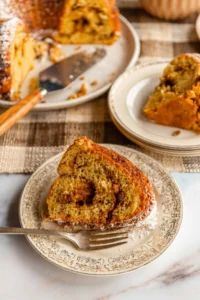
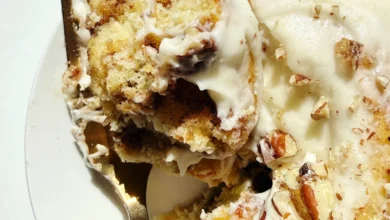
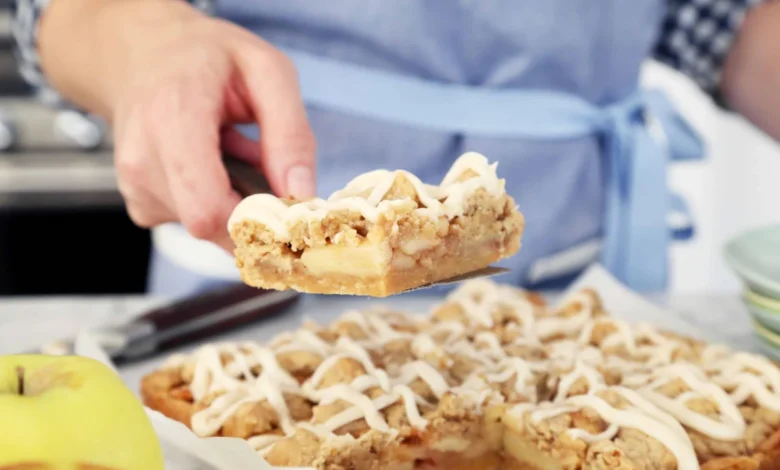
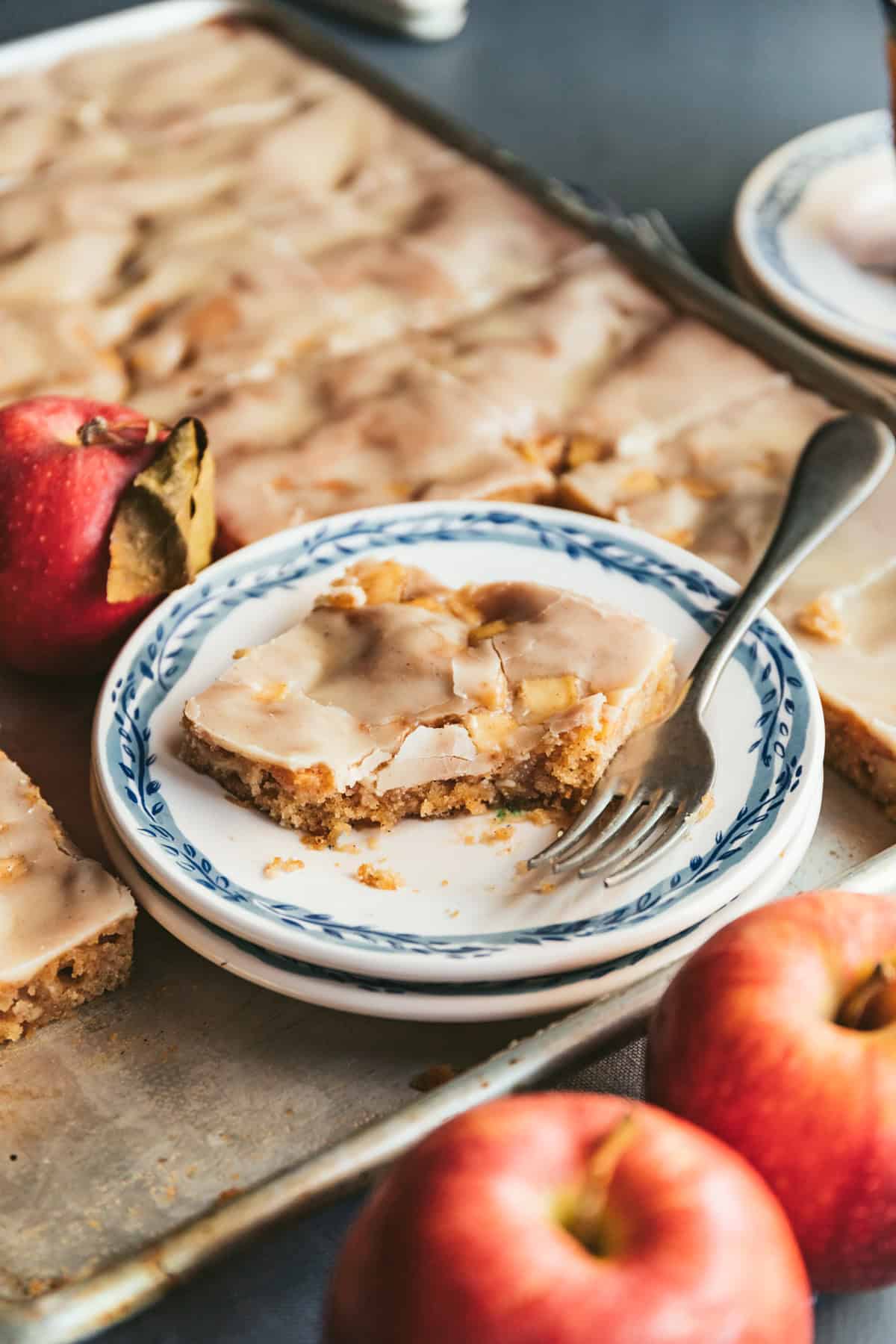
Large-format desserts, such as the Apple Cinnamon Texas Sheet Cake or Apple Cheesecake Bars, have seen an increase in popularity during the 2024-2025 cycle. These formats are statistically more efficient for large gatherings, as they eliminate the labor-intensive process of rolling individual pie crusts while maximizing yield. Data suggests that these recipes are preferred for events where service speed and consistency are paramount.
The Preservation of Tradition: Pies and Crumbles
Despite the popularity of new formats, the traditional apple pie remains a staple of the holiday season. The "Apple Pie for Your Soul" archetype—defined by a classic lard or butter-based crust—serves as the benchmark for holiday baking. Variations such as the Apple Cranberry Crumble Pie represent a shift toward incorporating seasonal accents (like cranberries) to add visual flair and tartness to the Thanksgiving table, a strategy often employed by professional caterers to enhance the festive aesthetic.

Innovations in Handheld Pastry
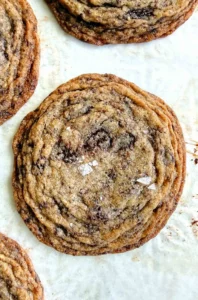
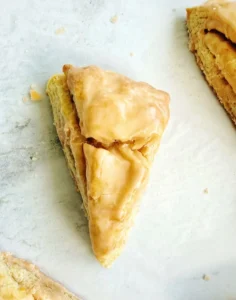
The rise of "grab-and-go" culture has significantly impacted baking trends. Recipes for apple pie biscuits and browned butter oatmeal apple cookies indicate a move toward accessibility. These items serve a dual purpose: they are convenient for casual consumption and highly freezer-friendly. The latter is a significant factor for families planning their holiday schedules weeks in advance, as it allows for a "make-ahead" workflow that reduces stress on the actual day of the event.
Industry Perspectives on Seasonal Baking
Professional pastry chefs suggest that the "overnight" method, such as the Overnight Apple Fritter Focaccia, is indicative of a broader interest in sourdough and long-fermentation techniques. By allowing the dough to proof for an extended period, bakers can achieve a complexity of flavor that is unattainable with rapid-rise recipes.

According to regional food bloggers and culinary educators, the most successful baking outcomes are achieved when the baker treats the apple not merely as a sweet component, but as an acidic element that requires balancing. "When you rely on the natural tension between the fruit’s tartness and the fat in the crust or the sweetness in the glaze, you create a more sophisticated flavor profile," noted one industry commentator.
Economic and Practical Implications
The increased focus on seasonal, produce-forward baking has positive implications for local agricultural economies. By prioritizing specific, high-quality apple varieties, consumers are encouraged to purchase from local growers during the harvest peak. Furthermore, the emphasis on recipes that can be frozen or prepared in bulk supports a more sustainable approach to food consumption, minimizing waste during the holiday period.

As we look toward the remainder of the season, the trend toward "hybrid" desserts—those that combine classic techniques with modern convenience—is expected to persist. Whether one is preparing for an intimate weeknight meal or a large-scale holiday gathering, the objective remains the same: the intelligent application of heat and sugar to raw, seasonal ingredients.
Data Summary: Selection Matrix for Home Bakers
| Dessert Category | Primary Benefit | Recommended Occasion |
|---|---|---|
| Sheet Cakes | High yield, ease of serving | Large gatherings |
| Pies/Crumbles | Aesthetic appeal, tradition | Thanksgiving/Holidays |
| Bars | Consistency, shelf-life | Social events |
| Cookies/Biscuits | Portability, freezer-safe | Quick, casual service |
Concluding Analysis
The modern apple dessert landscape is far more nuanced than it was two decades ago. While the core ingredients remain the same, the application of culinary theory—specifically regarding apple selection and timing—has evolved to meet the needs of the contemporary household. By utilizing objective data on apple cultivars and aligning the dessert format with the requirements of the occasion, home bakers can achieve professional results that are both reliable and seasonally appropriate. As the calendar progresses, integrating these refined techniques ensures that the tradition of autumn baking remains a functional and enjoyable aspect of the modern kitchen.
Related posts: