Chicken Caesar Wrap: A Modern Approach to Portable Mediterranean-Inspired Nutrition

The evolution of modern dining habits has increasingly prioritized efficiency without sacrificing nutritional density, a trend exemplified by the rising popularity of handheld, assembly-based meals such as the Chicken Caesar Wrap. This dish, which reimagines the traditional components of a Caesar salad—typically romaine lettuce, croutons, parmesan, and Caesar dressing—within a whole-grain tortilla, represents a intersection of convenience and health-conscious meal planning. As the culinary landscape shifts toward Mediterranean-inspired eating patterns, which emphasize lean proteins, fiber-rich whole grains, and fresh produce, the Chicken Caesar Wrap has emerged as a staple for both domestic meal preparation and professional food service environments.
The Nutritional Composition of Portable Mediterranean Fare
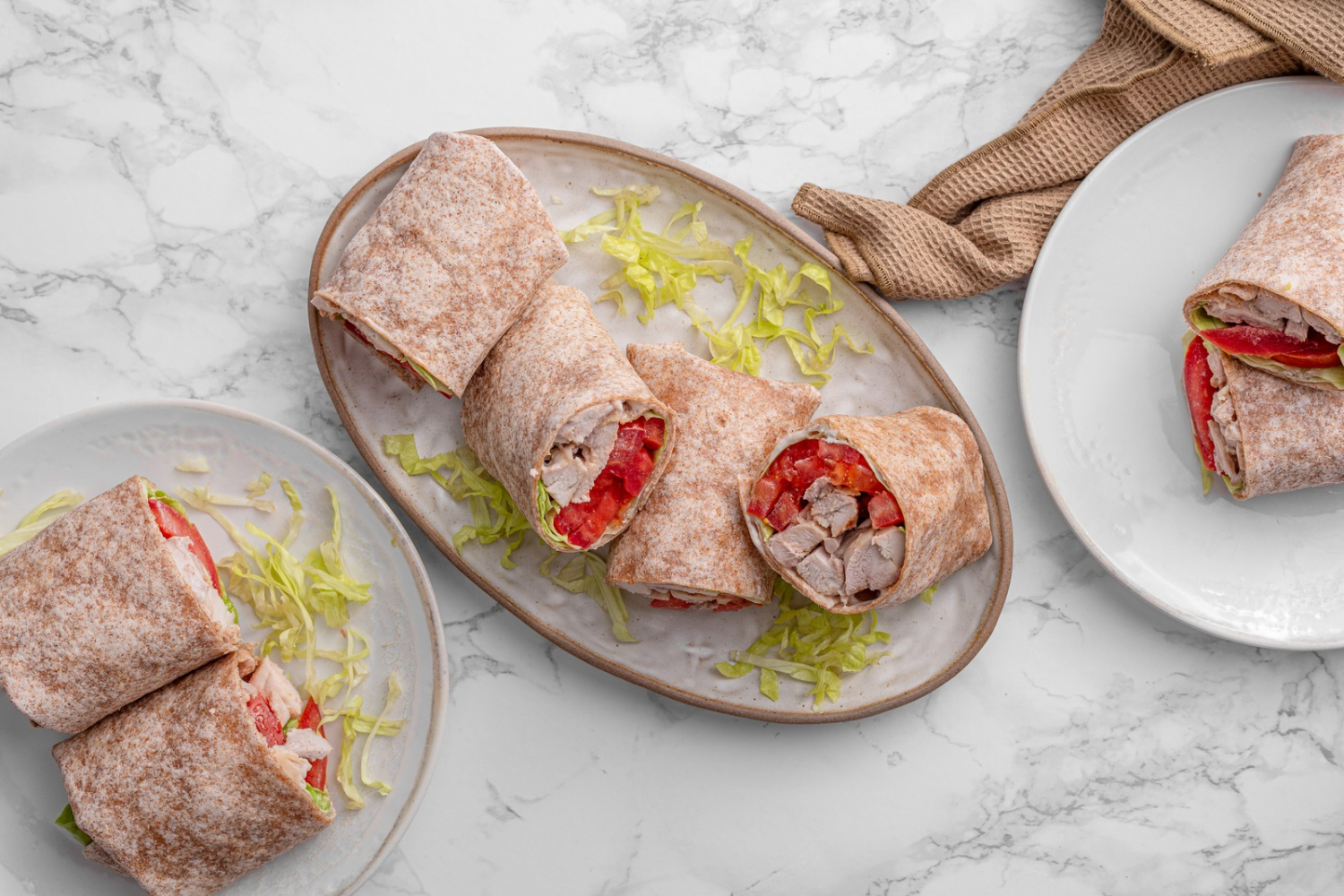
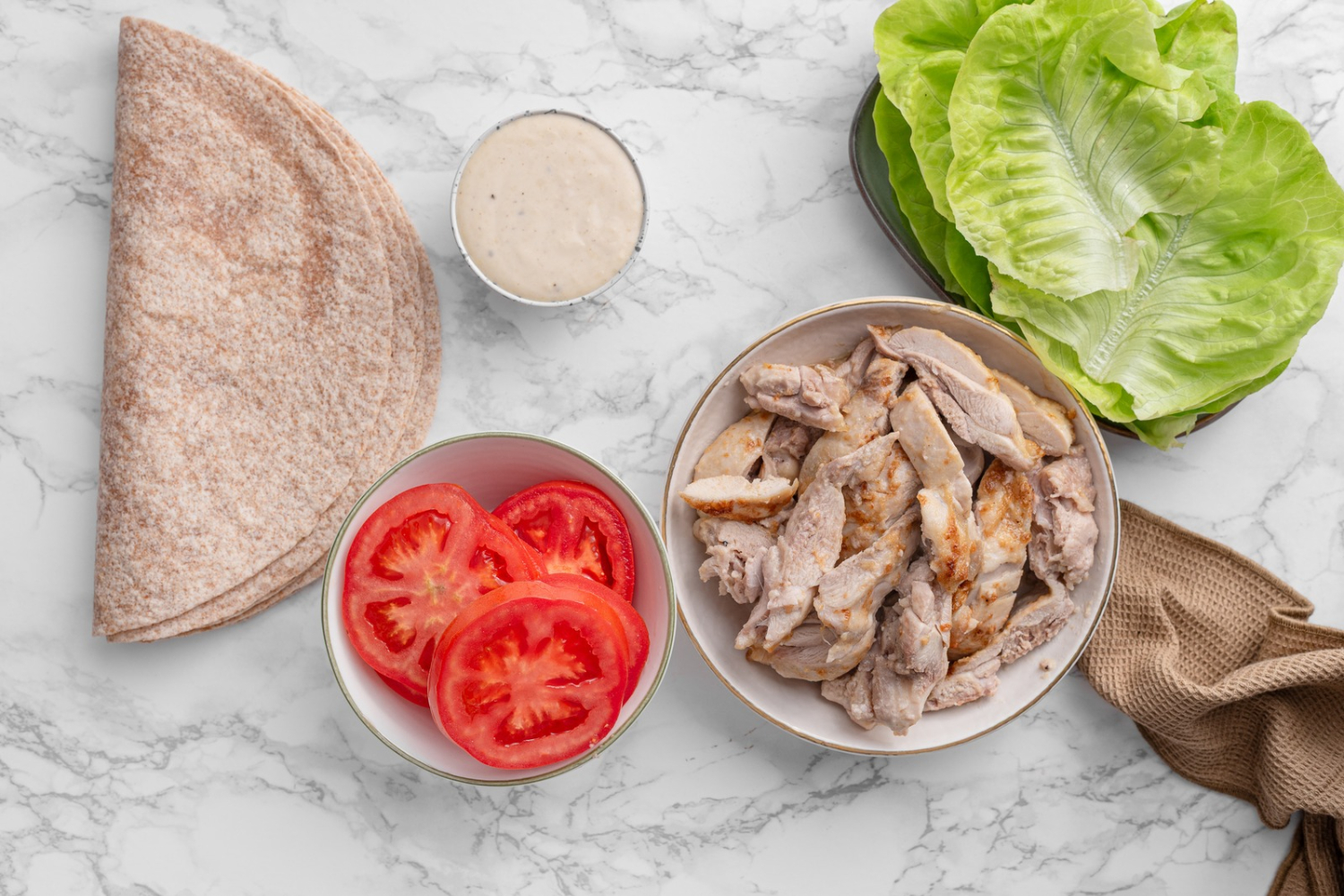
The Chicken Caesar Wrap is fundamentally characterized by its modular structure. The core ingredients—specifically Caesar-marinated chicken thighs, fresh romaine lettuce, and vine-ripened tomatoes—serve as the foundation for a meal that offers a complex macronutrient profile. From a clinical perspective, the use of chicken thighs as a primary protein source provides essential micronutrients, including B vitamins, iron, and zinc. According to data from the Harvard T.H. Chan School of Public Health, protein is critical for muscle maintenance and satiety, making the integration of poultry into daily meals a standard recommendation for maintaining metabolic health.
When encased in a whole-grain tortilla, the dish transitions from a simple salad to a comprehensive meal. The substitution of refined white flour with whole-grain alternatives is a key factor in improving the fiber content of the wrap. Fiber intake is strongly associated with improved digestive health and the stabilization of blood glucose levels, a significant consideration for individuals attempting to mitigate the effects of high-glycemic-index diets. A single serving of this wrap, typically providing approximately 579 kilocalories, offers a balanced ratio of 41 grams of protein and 28 grams of carbohydrates, aligning with the energy requirements of an active adult.
The Chronology of Assembly and Culinary Best Practices
The efficiency of this recipe is largely dependent on the pre-preparation of components, a practice known in professional culinary settings as "mise en place." The assembly process is structured around a 10-minute preparation phase followed by a five-minute heat-application phase. The technical objective of this process is to ensure the integrity of the wrap’s structural components.
The chronological sequence of production is as follows:
- Component Preparation: The Caesar-marinated chicken is cooked to an internal temperature of 165 degrees Fahrenheit to ensure safety, then cooled.
- Thermal Conditioning: Tortillas are warmed in an oven or on a dry skillet. This step is critical; heat increases the elasticity of the starch molecules within the tortilla, preventing fracturing during the rolling process.
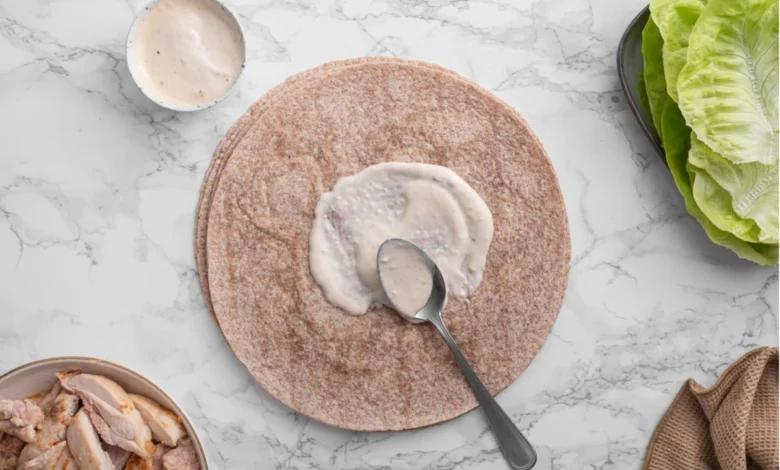
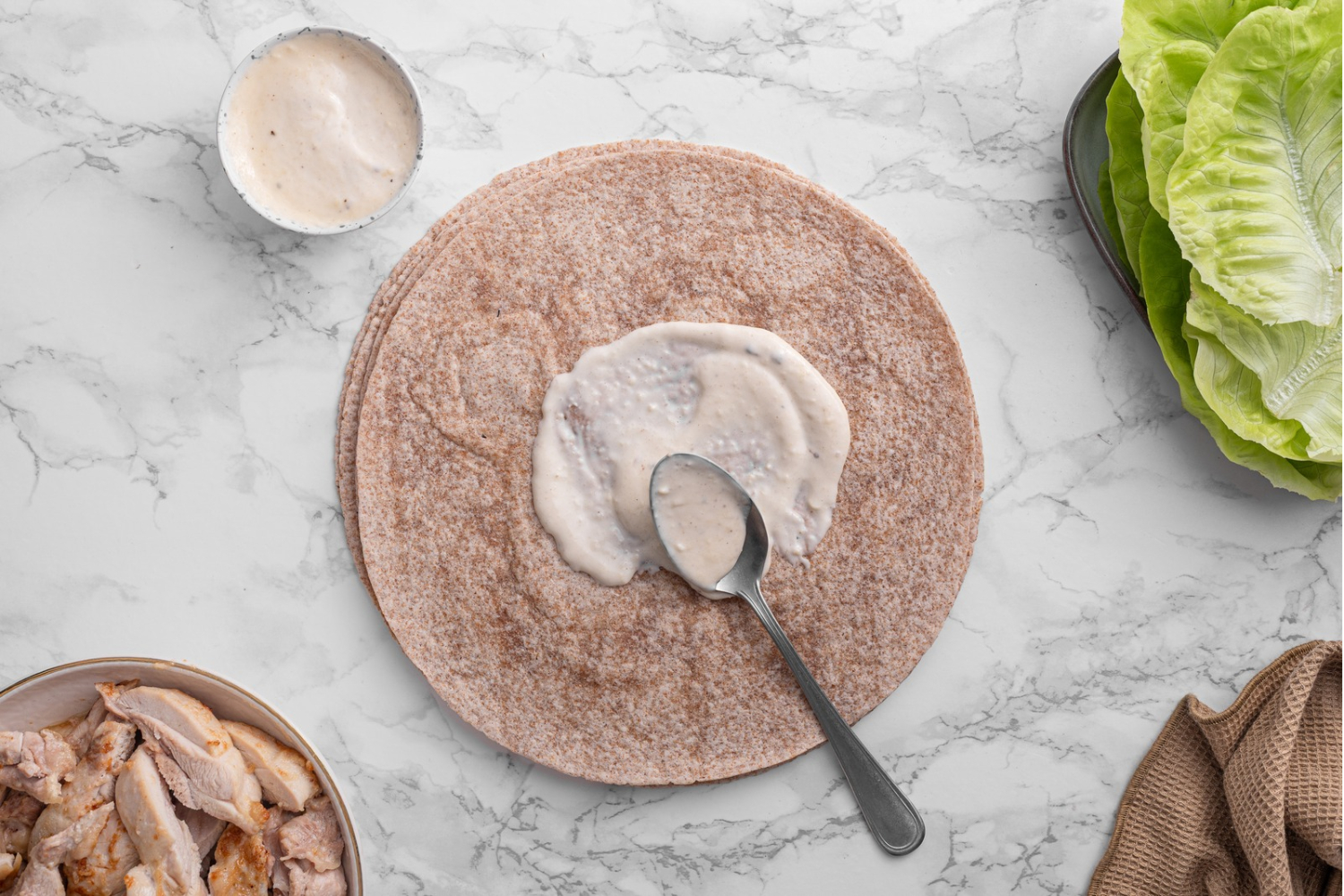
- Layering and Structural Integrity: A thin layer of Caesar dressing is applied as an adhesive. Vegetables are placed in a manner that prevents excess moisture from compromising the bread.
- Final Enrollment: The wrap is rolled snugly, a step that requires precise technique to maintain a consistent density throughout the length of the wrap.
Experts in food safety and kitchen management emphasize that the "sogginess factor" is the primary challenge in this assembly. By drying the romaine lettuce thoroughly—removing residual surface water—the integrity of the wrap can be maintained for several hours, provided it is stored at the appropriate temperature.
Economic and Logistical Implications of Home Meal Prep
The surge in interest surrounding this recipe reflects broader consumer behavior changes observed since 2020, where households have increasingly moved toward "cook-once, eat-many" strategies. By batch-cooking marinated chicken, consumers reduce the frequency of grocery shopping and minimize food waste. This logistical efficiency is particularly relevant for urban professionals and families who face time constraints during the workweek.
From an economic standpoint, preparing these wraps at home results in a lower cost-per-serving compared to commercial equivalents. Commercial Caesar wraps often contain additives, preservatives, and higher sodium concentrations to prolong shelf life. Conversely, the home-prepared version allows for the regulation of sodium—currently averaging 814 milligrams per serving—and the selection of high-quality extra virgin olive oil-based dressings, which are foundational to the Mediterranean diet.
Analysis of the Mediterranean-Inspired Eating Pattern
While the Caesar salad originated in Tijuana, Mexico, in the 1920s, the adaptation into a wrap has been scrutinized by nutritionists for its adherence to Mediterranean-inspired dietary principles. The Mediterranean diet is defined not by specific dishes, but by a consistent consumption pattern of vegetables, legumes, and whole grains.
The Chicken Caesar Wrap fits into this framework when the ingredient ratio is optimized. Specifically, the inclusion of additional fiber-rich vegetables—such as cucumbers or shredded carrots—can further shift the nutritional profile of the wrap toward the high-vegetable intake required by the Mediterranean model. Culinary researchers suggest that the "handheld" nature of the wrap encourages the consumption of fresh produce that might otherwise be overlooked in traditional hot-cooked meals.
Official Guidelines and Industry Reactions
Food safety authorities, including the USDA and various food science departments, provide rigorous guidelines for the storage of protein-based wraps. The primary concern is the potential for bacterial growth if the chicken remains in the "danger zone" (between 40 and 140 degrees Fahrenheit) for extended periods.
In terms of public perception, the shift toward these wraps has been viewed favorably by meal-kit companies and health-focused food bloggers. The versatility of the recipe—allowing for the inclusion of feta, olives, or even avocado—has kept it relevant across various demographics. Nutritionists have noted that while the Caesar dressing provides the signature flavor, it is also the most calorie-dense component. Consequently, the industry consensus for those seeking health optimization is the use of homemade dressings, which allow for the omission of stabilizers and the substitution of saturated fats for heart-healthy monounsaturated fats found in olive oil.
Future Projections for Portable Nutrition
Looking forward, the trend of wrapping nutrient-dense ingredients in whole-grain matrices is expected to continue. Innovations in gluten-free, high-protein, and seed-based tortillas are currently expanding the accessibility of this meal for individuals with dietary restrictions. Furthermore, the integration of smart-kitchen technology, which can suggest, measure, and track the macros of such meals, is likely to increase the adoption of this specific preparation method.
The Chicken Caesar Wrap stands as more than a simple lunch option; it is a case study in the modern optimization of diet. By balancing the savory, protein-rich profile of marinated chicken with the crunch and fiber of fresh vegetables, and by utilizing the convenience of modern storage and warming techniques, the dish provides a template for sustainable, long-term health management. As consumers continue to seek ways to reconcile the demands of a high-paced lifestyle with the requirements of a nutritious diet, the popularity of such adaptable, efficient, and science-supported meals is expected to remain consistent within the culinary landscape.
The emphasis on "clean" preparation—avoiding processed, pre-packaged ingredients in favor of fresh, whole-food components—remains the gold standard for those utilizing this recipe. Whether served as a standalone meal or accompanied by a side of legume-based soup or a fresh, herb-forward salad, the Chicken Caesar Wrap remains a testament to the fact that nutritional complexity does not require excessive time or labor. It is a practical, scalable solution to the ongoing challenge of eating well in an environment that often prioritizes speed over substance.