The Great Book of Chocolate and the Culinary Evolution of the Modern Chocolate Spread

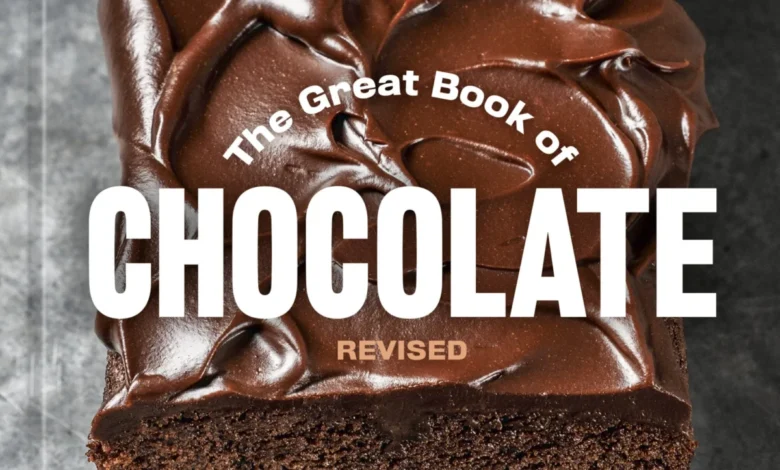
The landscape of artisanal pantry staples has undergone a significant transformation in recent years, marked by a departure from mass-produced, sugar-laden commercial products toward refined, ingredient-focused alternatives. Central to this movement is a collaborative recipe featured in David Lebovitz’s seminal work, The Great Book of Chocolate, which introduces a sophisticated, olive-oil-based chocolate spread. This preparation, developed in conjunction with food writer and Smitten Kitchen founder Deb Perelman, represents a growing trend in home gastronomy that prioritizes the provenance of fats and the complexity of cacao.
The Provenance and Development of the Recipe
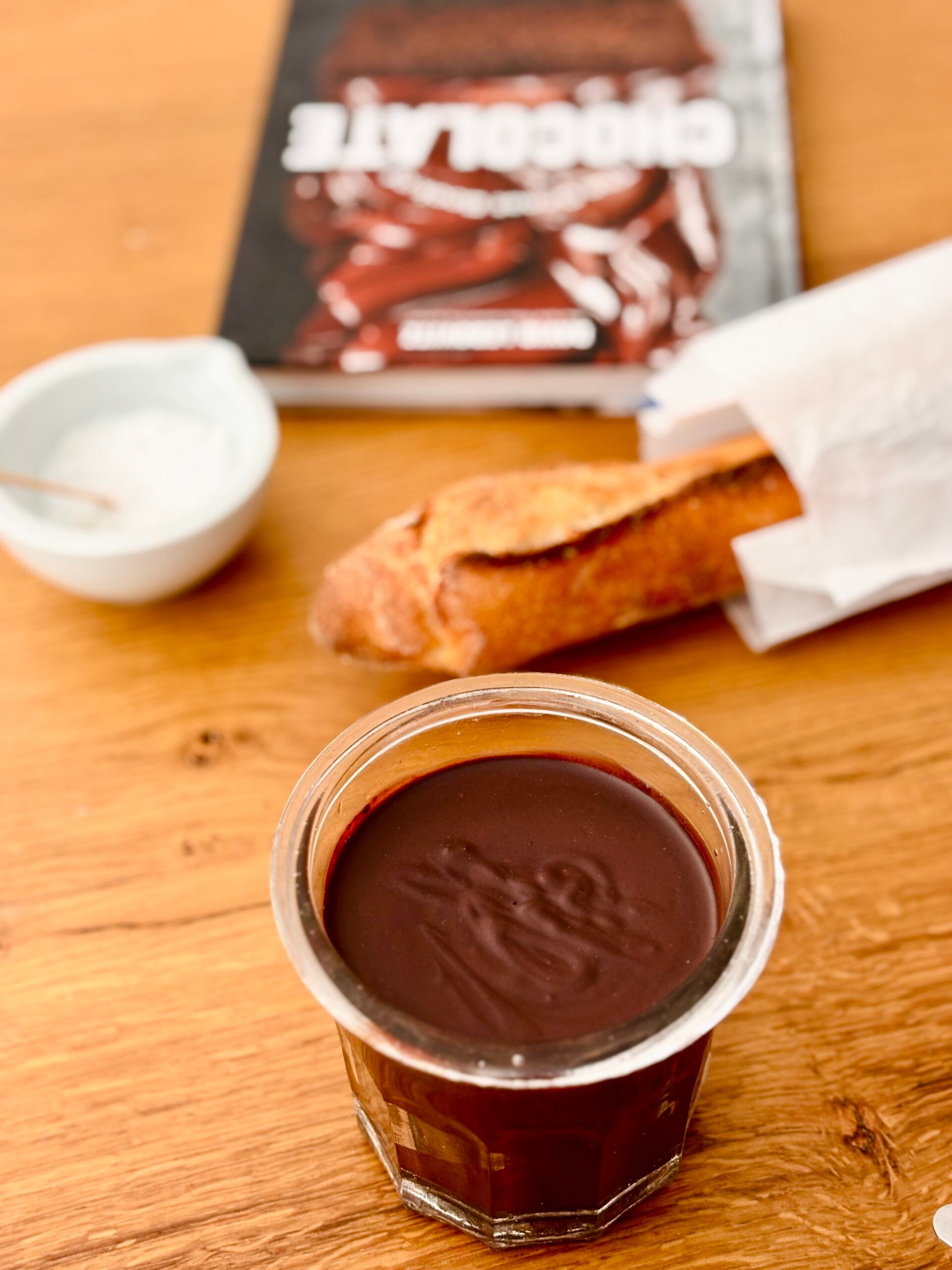
The recipe, which has garnered renewed attention following a recent collaborative demonstration in Paris, serves as a focal point for the broader discussion regarding the integration of unconventional fats into traditional confectionery. Historically, chocolate spreads—most notably the commercial variety gianduja—have relied on hazelnut paste and palm or vegetable oils to achieve a stable, spreadable consistency. The recipe documented in The Great Book of Chocolate eschews these additives in favor of high-quality extra virgin olive oil.
The technical development of this spread occurred through a culinary exchange between Lebovitz and Perelman. The methodology focuses on the emulsification of dark chocolate with a fruity olive oil, a combination that leverages the polyphenols found in both ingredients. By utilizing olive oil as the primary lipid, the recipe achieves a velvety mouthfeel that does not rely on hydrogenated fats, aligning with contemporary consumer preferences for "clean label" pantry items.
Culinary Chemistry and Ingredient Selection
The efficacy of this recipe is contingent upon the quality of its two primary components: dark chocolate and olive oil. According to industry standards for high-end confectionery, the percentage of cacao solids in the chocolate dictates both the bitterness and the melting point of the final product.
Data from the International Cocoa Organization (ICCO) suggests that the global market for premium, high-cacao-content products has grown by approximately 5.4% annually over the last five years. This shift reflects a consumer demographic that is increasingly educated on the nuances of "bean-to-bar" manufacturing. When integrated with olive oil—specifically oils harvested from early-season olives which provide a peppery, grassy profile—the resulting spread balances the inherent bitterness of the chocolate with the savory, fruity notes of the oil.
From a food science perspective, the interaction between the cocoa butter in the chocolate and the monounsaturated fats in the olive oil creates a unique crystallization structure. This explains the temperature sensitivity noted by culinary experts: the spread’s consistency fluctuates significantly between 18°C (64°F) and 24°C (75°F). Unlike traditional butter-based ganache, this olive oil emulsion remains more fluid at lower temperatures, offering a distinct textural experience that has been described by culinary critics as "supple" and "refined."
Chronology of the Craft Movement
The rise of the "homemade spread" movement can be traced through a series of key milestones:

- Early 2000s: The initial surge in the "slow food" movement began to challenge the dominance of hyper-processed commercial spreads, leading to a rise in interest regarding artisanal confectionery.
- 2014: The publication of the revised edition of The Great Book of Chocolate provided a foundational text for home cooks seeking to understand the chemical properties of chocolate.
- 2023–2025: The proliferation of digital platforms and video-based culinary tutorials—such as the Substack collaboration between Lebovitz and Perelman—has accelerated the adoption of these techniques by a global audience.
- 2026: Recent culinary events have solidified the status of olive oil-based chocolate spreads as a standard "essential" in the modern professional and home kitchen.
Implications for Home Gastronomy
The shift toward making pantry staples at home has significant implications for both consumer health and waste reduction. By manufacturing a spread on an "as-needed" basis, consumers avoid the preservatives and stabilizers required for long-term shelf stability in commercial products. Furthermore, the ability to control the sugar content—a common criticism of store-bought spreads, which can contain up to 50% sugar—allows for a more nutritionally dense final product.
Industry analysts observe that this trend is part of a larger "prosumer" shift, where individuals act as both producers and consumers of their own food supply. The availability of high-quality, single-origin chocolate and cold-pressed olive oils in mainstream retail markets has democratized access to these ingredients, effectively lowering the barrier to entry for what was previously considered "chef-grade" preparation.
Technical Guidance and Storage Protocols
For the home cook, the preservation of an oil-based emulsion requires adherence to specific protocols. While the lack of dairy (in many iterations of this recipe) increases the shelf life compared to traditional ganache, the integrity of the olive oil remains a factor.
The recommended storage life of two weeks at room temperature is based on the oxidative stability of high-quality extra virgin olive oil. Exposure to light and heat are the primary drivers of degradation. Consequently, industry experts recommend:

- Vessel Selection: Utilizing opaque or dark-glass containers to mitigate light-induced oxidation.
- Temperature Control: Maintaining an ambient temperature of no more than 20°C to prevent the separation of the oil from the cocoa solids.
- Preparation Method: For those who choose to refrigerate the product for the maximum recommended one-month shelf life, the spread must be brought back to room temperature slowly to ensure the emulsion does not break during the warming process.
Expert Perspectives and Market Reactions
Reaction from the culinary community has been largely positive, with nutritionists noting that the substitution of saturated fats—commonly found in spreads that use palm oil or butter—with the monounsaturated fats found in olive oil is a positive development for dietary health.
"The move toward fat-forward, ingredient-conscious spreads is indicative of a broader trend toward transparency in the food supply chain," notes one food industry analyst. "When you remove the need for emulsifiers like soy lecithin or stabilizers like palm kernel oil, you are left with a product that relies on the inherent quality of the raw ingredients. This forces the home cook to become more discerning about their purchasing habits, which in turn drives demand for higher-quality cocoa and olive oil."
Broader Impact on the Chocolate Industry
The popularity of this specific recipe also highlights the growing influence of collaborative content in the digital age. By leveraging the expertise of established figures such as Lebovitz and Perelman, complex culinary techniques are distilled into accessible formats. This has fostered a community of practice where home cooks share results, troubleshoot consistency issues, and experiment with different cocoa percentages and olive oil varietals.
The impact of this cannot be understated. As home cooks become more proficient in these techniques, they exert pressure on manufacturers to improve the quality of their retail offerings. We are seeing a direct correlation between the rise of such recipes and the increased availability of high-percentage cacao powders and artisanal olive oils in supermarkets that previously only stocked mass-market alternatives.

In conclusion, the evolution of the chocolate spread from a processed convenience item to an artisanal, olive-oil-based culinary project serves as a microcosm for the changes in the modern kitchen. Through the convergence of technical knowledge, accessible digital instruction, and a preference for high-quality, sustainable ingredients, the preparation of such staples has become a hallmark of the contemporary culinary landscape. This shift underscores a broader societal trend toward mindful consumption, where the process of preparation is valued as highly as the final product itself.