The Ultimate Guide to Traditional Greek Ladolemono: The Master Recipe for Authentic Mediterranean Flavor

The culinary landscape of Greece is celebrated worldwide for its emphasis on simplicity, high-quality raw ingredients, and profound nutritional benefits rooted in the traditional Mediterranean diet. Among the myriad staples that define Hellenic gastronomy, few preparations are as foundational, versatile, and deceptively simple as ladolemono. Translating literally from Greek as "oil-lemon"—derived from ladi (oil) and lemoni (lemon)—this traditional emulsion serves as both a ubiquitous finishing sauce and a master dressing across domestic kitchens and professional tavernas alike. Unlike heavily processed, commercially manufactured salad dressings that rely on vinegar, emulsifiers, high-fructose corn syrups, and mustard bases, authentic ladolemono relies exclusively on four core components: extra virgin olive oil, freshly squeezed lemon juice, dried oregano, and sea salt.
As culinary traditions face increasing homogenization from global food industries, nutritionists and food historians continue to spotlight preparations like ladolemono as exemplars of clean, functional eating. Registered Dietitian Nutritionist Elena Paravantes notes that growing up in Greece meant that ladolemono was never categorized as a formal recipe or a specialized condiment. Instead, it was whipped up instantaneously right before meals and applied universally across diverse food groups. From delicate green salads and bitter wild greens (horta) to charcoal-grilled fish, roasted meats, boiled vegetables, and baked potatoes, ladolemono acts as an omnipresent flavor enhancer that bridges the gap between raw ingredients and finished dishes.
The Historical and Cultural Evolution of the Mediterranean Diet
To fully appreciate ladolemono, one must examine the broader historical framework of Greek culinary arts, which date back millennia. The pairing of olive oil and citrus juice is deeply embedded in the agricultural realities of the Mediterranean basin, where olive groves and citrus orchards have thrived side by side since antiquity. Historically, culinary fats in southern Europe were predominantly plant-based, with olive oil serving not merely as a cooking medium, but as the cornerstone of caloric intake, flavor delivery, and food preservation.
The introduction of lemons to the Mediterranean region—accelerated through trade routes with Asia and popularized during the Roman and Byzantine eras—provided cooks with an accessible, highly acidic agent to balance the rich, robust profile of native olive oils. Unlike northern European cuisines that historically relied on animal fats, butter, and heavy vinegar- or dairy-based sauces, Mediterranean cooking favored brightness and acidity to cut through the natural richness of fresh catch from the sea and pasture-raised meats. Ladolemono emerged organically from this gastronomic philosophy, representing an intuitive understanding of flavor balancing long before modern food science mapped out the chemistry of taste profiles.
Nutritional Profile and Health Implications
From a public health and nutritional standpoint, ladolemono aligns precisely with dietary recommendations promoted by global health organizations advocating for the Mediterranean diet pattern. Extensive clinical research published over the past several decades has consistently linked diets rich in extra virgin olive oil to reduced risks of cardiovascular disease, stroke, and chronic inflammatory conditions.
The primary fat source in ladolemono, extra virgin olive oil, is exceptionally rich in monounsaturated fatty acids—specifically oleic acid—alongside a complex matrix of bioactive phenolic compounds, including oleocanthal and oleuropein. These naturally occurring polyphenols exhibit potent antioxidant and anti-inflammatory properties that mimic the action of non-steroidal anti-inflammatory drugs. Furthermore, the addition of fresh lemon juice introduces a substantial dose of ascorbic acid (Vitamin C), an essential water-soluble vitamin that acts as a powerful antioxidant and enhances the non-heme iron absorption of accompanying vegetables and legumes.
Dried oregano, the final structural component of the dressing, contributes more than just aromatic complexity. Scientific analyses of Mediterranean oregano (Origanum vulgare) reveal high concentrations of volatile oils such as carvacrol and thymol, which possess antimicrobial and free-radical-scavenging properties. When combined, these four ingredients create a functional food matrix that elevates the nutritional bioavailability of the entire meal without introducing artificial additives, sodium excess, or refined sugars.
Anatomy of the Ingredients: Quality Over Quantity
Because ladolemono contains an exceptionally sparse ingredient list, the final flavor profile depends entirely on the caliber of each individual component. Culinary purists emphasize that substituting any of these foundational elements fundamentally alters the authentic nature of the sauce.
-
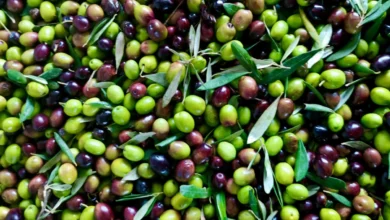
Extra Virgin Olive Oil (EVOO): Serving as the structural base of the emulsion, the olive oil must be of high quality. Commercial, refined, or light olive oils lack the robust peppery notes, fruitiness, and complex polyphenols required for a true Hellenic profile. Ideally, the chosen EVOO should possess a balanced acidity level and a pleasant flavor profile that can be enjoyed on its own.
-
Freshly Squeezed Lemon Juice: Bottled lemon juice is strictly avoided in traditional Greek kitchens. Preservatives and pasteurization strip bottled juices of their volatile aromatic oils, leaving behind a flat, overly aggressive acidity. Fresh lemons provide a vibrant, bright tartness that lifts the heavy notes of the olive oil.
-
Dried Oregano: Greek oregano is globally renowned for its pungent, earthy aroma. Rather than shaking pre-ground oregano directly into the mixture, traditional cooks gently rub the dried leaves between their palms or fingers immediately before incorporation. This mechanical friction breaks the microscopic oil glands on the leaf surface, releasing trapped essential oils and significantly intensifying the herbal fragrance.
-
Sea Salt: A modest pinch of coarse sea salt acts as a flavor catalyst, tying the lipid profile of the olive oil and the aqueous acidity of the lemon juice together into a cohesive, harmonious blend.
Culinary Applications Across the Greek Table
The versatility of ladolemono distinguishes it from standard western dressings, which are largely restricted to raw leaf salads. In Greek gastronomy, ladolemono is utilized dynamically across multiple courses and cooking techniques:
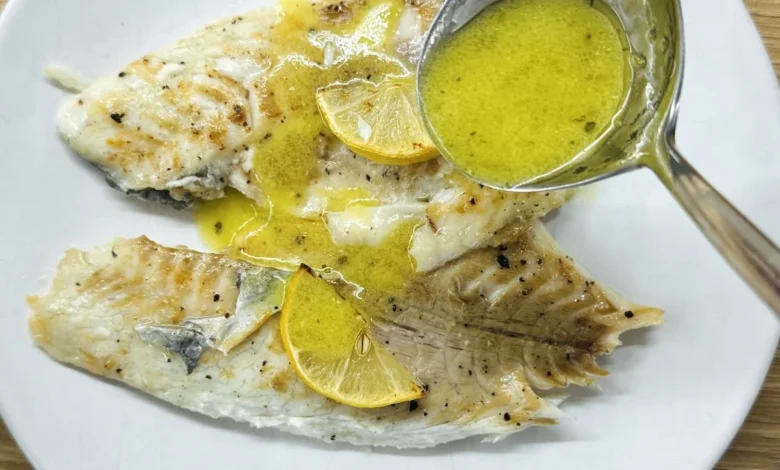
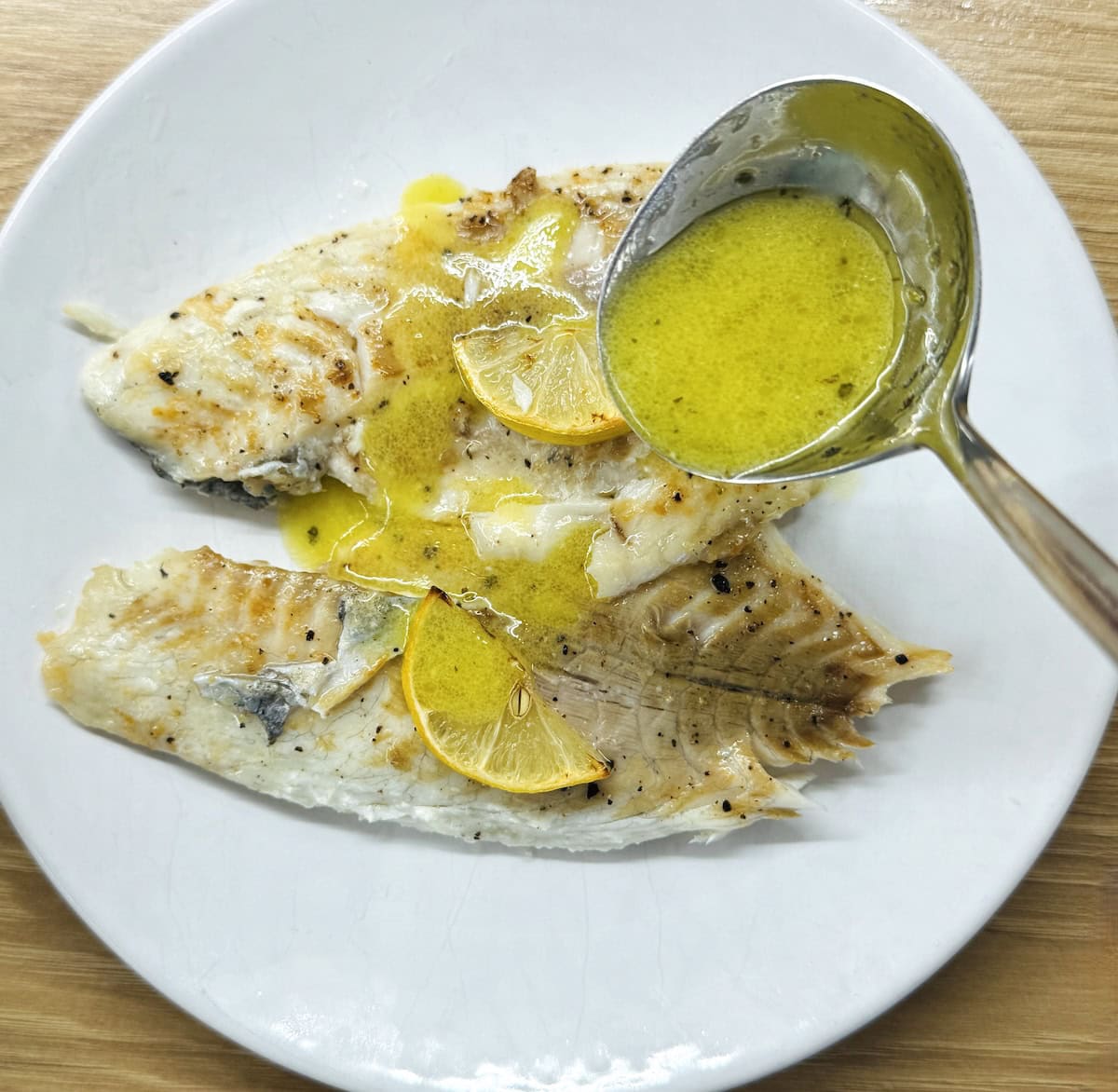
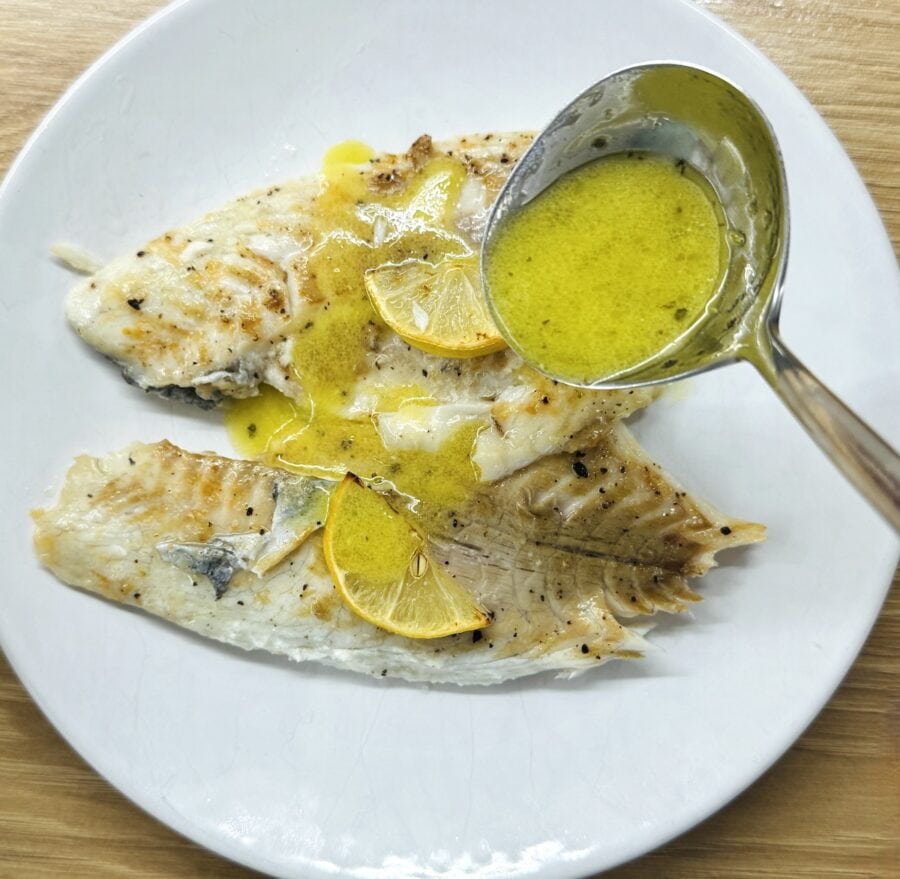
- Grilled Seafood and Fish: In seaside tavernas across the Greek islands and mainland coastlines, whole fish—such as sea bream, sea bass, or red mullet—are grilled over open coals and generously dressed tableside with fresh ladolemono. The acidity of the lemon cuts through the natural oils of the fish, while the olive oil keeps the flesh moist.
- Boiled Vegetables and Wild Greens (Horta): Greeks maintain a deep appreciation for bitter greens and seasonal vegetables, including zucchini, Swiss chard, dandelion greens, and beets. Served warm and drenched in ladolemono, these modest ingredients are transformed into vibrant, savory dishes.
- Potatoes: Whether boiled until tender or roasted until golden and crisp, potatoes are a natural vehicle for citrus and oil. Ladolemono is frequently spooned over hot potatoes, allowing the starch to absorb the bright, rich liquid.
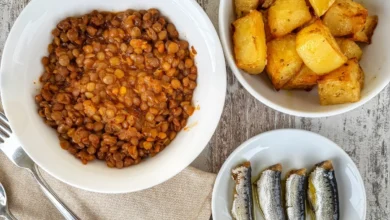
- Legumes and Bean Stews: Traditional Greek legume dishes—such as giant baked beans (gigantes), lentil soups (fakes), and chickpea stews—are frequently finished with a final splash of raw extra virgin olive oil and fresh lemon juice just before serving, elevating earthy flavors with a sharp, clean contrast.
Preparation Methodology and Technique
While modern western dressings often require blenders, elaborate emulsifying agents, or extended resting periods, traditional ladolemono relies on immediate, vigorous whisking or shaking in a jar. Because olive oil and lemon juice naturally separate due to their differing densities, the ingredients are traditionally whipped together vigorously with a fork or small whisk immediately prior to application.
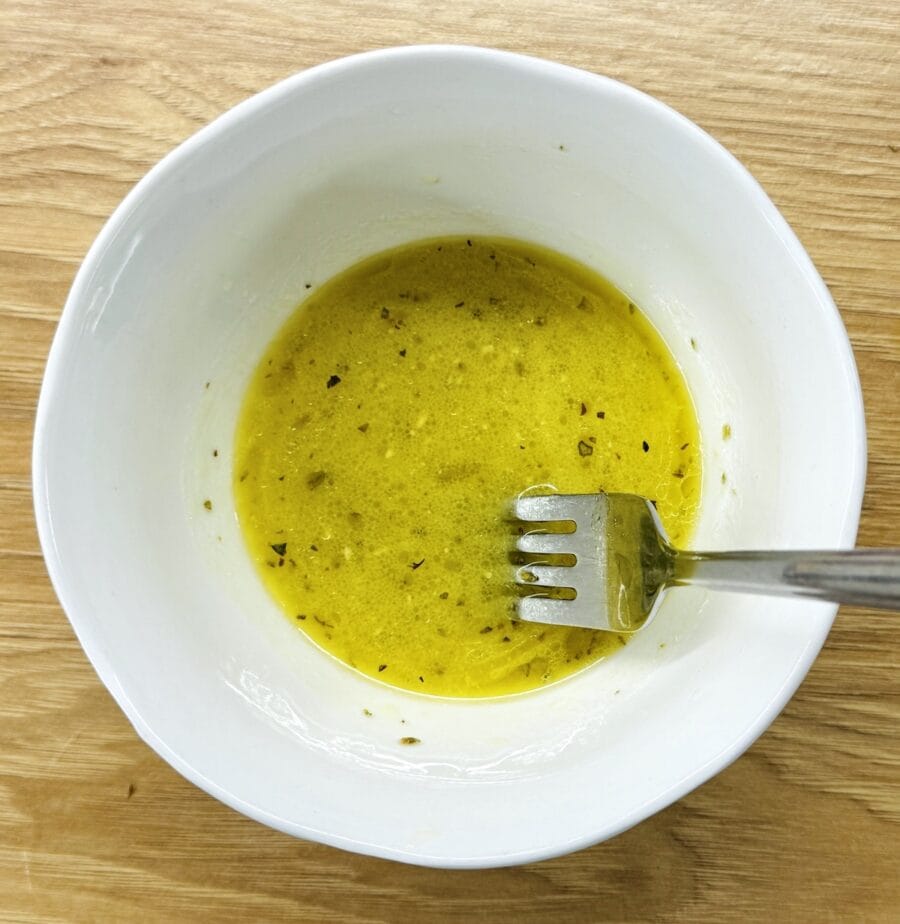
Standard proportions generally favor a ratio of three parts extra virgin olive oil to one part fresh lemon juice, though this can be adjusted according to personal preference for tartness. The sea salt and crushed dried oregano are whisked into the lemon juice first to ensure proper dissolution before the olive oil is slowly drizzled in, creating a temporary, glossy emulsion that clings gracefully to proteins and vegetables.
Global Impact and Modern Gastronomic Trends
As international interest in the Mediterranean diet continues to surge—fostered by endorsements from cardiologists, dietitians, and culinary historians worldwide—traditional preparations like ladolemono are experiencing a renaissance in global home kitchens. Consumers are increasingly turning away from ultra-processed condiments containing soybean oils, high-fructose corn syrup, and chemical preservatives in favor of minimalist, whole-food alternatives.
By stripping away unnecessary ingredients and focusing on the synergy of high-grade olive oil and fresh citrus, ladolemono offers a masterclass in culinary minimalism. It demonstrates that the most exceptional flavors often arise not from complex technological manipulation, but from respecting the integrity of the harvest and embracing time-honored traditions passed down through generations of Mediterranean cooks.