Roasted Rainbow Carrots with Cilantro and Pepita Dressing Bring a Modern Mexican-American Twist to Traditional Holiday Feasts

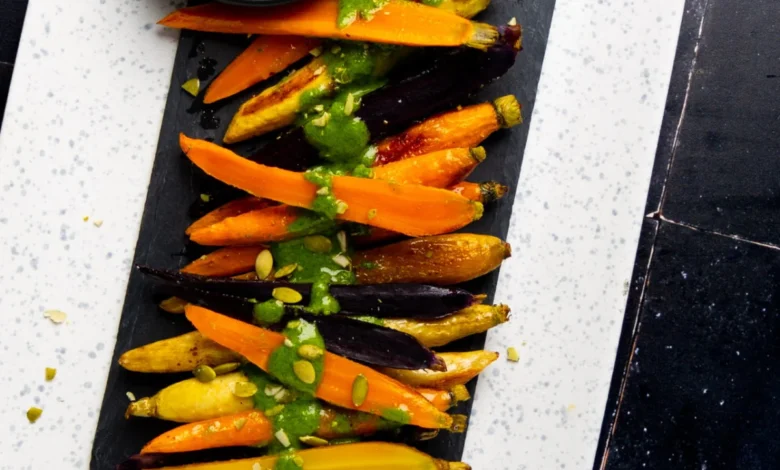
The evolution of holiday menus in North America has increasingly reflected the rich multicultural tapestry of modern households, with families blending culinary traditions to create innovative festive dishes. Among the growing trend of fusion holiday side dishes, roasted rainbow carrots served with a vibrant cilantro, pepita, and serrano chile dressing have emerged as a standout favorite for Thanksgiving and large buffet-style gatherings. Created by food writer and recipe developer Alejandra Graf, this dish exemplifies how traditional holiday ingredients can be reimagined through a cross-cultural lens, offering a balance of earthy sweetness and bright, spicy acidity that cuts through the heavier elements of a conventional festive spread.
Culinary Background and Cultural Integration
The integration of diverse cultural flavors into traditional American holidays, such as Thanksgiving, has accelerated significantly over the past two decades. Driven by shifting demographics and an increasing appreciation for international cuisines, multi-ethnic households frequently modify standard holiday menus to honor their heritage. For families with Mexican roots living in the United States, traditional holiday meals often balance classic Americana dishes—such as roasted turkey, mashed potatoes, and stuffing—with bold, savory, and spicy elements characteristic of Mexican gastronomy.

Graf, whose culinary platform focuses on accessible, healthy, and plant-based recipes, developed the roasted rainbow carrot dish specifically to address a common gastronomic preference within Mexican-American households: a preference for savory and piquant flavor profiles over overwhelmingly sweet dishes. While traditional holiday side dishes often incorporate heavy amounts of sugar, maple syrup, or marshmallows, this recipe relies on the natural sugars of caramelized root vegetables contrasted against the sharp, herbaceous kick of a fresh green dressing.
Anatomy of the Dish: Ingredients and Preparation
The recipe relies on minimal preparation time, requiring approximately 10 minutes of active preparation and 20 minutes of roasting time, bringing the total time to roughly 30 minutes. The primary component consists of rainbow carrots—a mix of orange, yellow, and purple varieties—which develop a tender texture and concentrated sweetness when roasted at high heat.
To counteract the natural sweetness of the caramelized carrots, the dish is paired with a bright green dressing crafted from fresh cilantro, roasted pumpkin seeds (pepitas), and serrano chiles. Cilantro provides a pungent, citrusy freshness, while pepitas offer a nutty richness and velvety texture without the need for dairy, keeping the recipe naturally vegan and gluten-free. The inclusion of serrano chiles introduces a controlled, clean heat that elevates the dish from a simple vegetable side to a complex component of a holiday buffet. Nutritional analyses for standard portions estimate the dish to be low in calories—approximately 35 kilocalories per serving—while providing notable amounts of dietary fiber, vitamin A, and essential micronutrients.
Chronology of Modern Thanksgiving Menu Evolution
The shift toward inclusive and globally inspired holiday menus did not happen overnight; it represents a decades-long evolution in North American food culture.
Early to Mid-20th Century: Standardized holiday menus dominated mainstream American culture, heavily influenced by corporate food marketing, standardized cookbooks, and post-war convenience foods. Traditional side dishes were largely homogeneous, featuring canned green bean casseroles, marshmallow-topped sweet potatoes, and heavy gravy.
Late 20th Century (1980s–1990s): As immigration patterns shifted and multiculturalism gained greater visibility in urban centers, culinary boundaries began to blur. Food media and early television chefs started showcasing regional and international twists on holiday classics, introducing ingredients like chipotle peppers, tropical fruits, and diverse spice blends to traditional tables.

Early 2000s: The rise of food blogging and digital recipe sharing allowed home cooks and independent developers to publish personal family traditions. Recipes blending Mexican ingredients with standard American holidays transitioned from isolated household experiments to widely shared internet phenomena.
Present Era: Fusion dishes like cilantro-pepita roasted carrots have secured a permanent place in contemporary holiday planning. The demand for plant-based, gluten-free, and allergen-conscious options has further propelled the popularity of vegetable-forward, nutrient-dense side dishes that cater to diverse dietary restrictions during large family gatherings.
Nutritional and Dietary Implications
From a public health and nutritional perspective, modern holiday menus are increasingly evaluated for their balance of macronutrients and inclusion of whole, minimally processed foods. Traditional holiday feasts are frequently critiqued for high concentrations of saturated fats, refined carbohydrates, and added sugars. By utilizing root vegetables and plant-based fats derived from seeds rather than heavy cream or butter, dishes like the roasted rainbow carrot side offer a nutritionally dense alternative that aligns with contemporary dietary guidelines.

Furthermore, the emphasis on allergen-friendly attributes—specifically being entirely free of gluten, dairy, and animal products—addresses the logistical challenges of modern hosting. As dietary restrictions such as celiac disease, lactose intolerance, and plant-based lifestyle choices become more prevalent, holiday hosts actively seek out recipes that can be consumed safely by all guests without requiring separate meal preparation.
Broader Industry Impact and Future Trends
The widespread adoption of culturally blended recipes highlights broader commercial and cultural shifts within the culinary industry. Major grocery retailers and food media outlets now routinely publish specialized guides ahead of major holidays, featuring ingredients such as cotija cheese, poblano peppers, and pepitas alongside traditional turkeys and cranberries.
Food industry analysts note that consumers increasingly view cooking as a medium for personal expression and cultural storytelling rather than strict adherence to culinary rules. As second- and third-generation immigrant populations continue to shape the North American food landscape, dishes that bridge cultural divides are expected to transition from alternative holiday traditions into mainstream culinary staples. Through accessible preparations and bold flavor profiles, recipes like Alejandra Graf’s roasted rainbow carrots demonstrate how traditional celebrations can expand to embrace modern, diverse identities while retaining the core spirit of gratitude and communal dining.