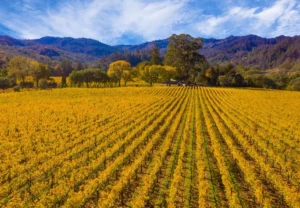
Nestled between the Mayacamas and Vaca mountain ranges just north of San Francisco, Napa Valley stands globally as an epicenter of viticultural excellence, where a rare convergence of Mediterranean climate, diverse soils, and pioneering agricultural techniques has produced some of the most revered wines in modern history. Although accounting for a mere fraction of global wine production—roughly four percent of California’s total harvest—this compact American Viticultural Area (AVA) wields disproportionate influence over the international wine market, captivating collectors, connoisseurs, and casual enthusiasts alike. To demystify the complexities of this legendary region, wine education platform Wine Folly has officially launched its immersive educational program, Learn By Drinking: Napa Valley, designed to transition students from passive observers to discerning palates through a hands-on, sensory-driven curriculum.
The introduction of this comprehensive multimedia course arrives at a pivotal juncture for consumer wine education. As digital learning platforms continue to expand their reach, traditional wine appreciation has increasingly pivoted toward experiential, interactive models. Rather than relying solely on static textbooks, tasting notes, and theoretical memorization, the new program anchors its pedagogical approach in empirical sensory analysis. By pairing guided instruction directly with the physical act of tasting benchmark regional bottles, the curriculum seeks to bridge the gap between academic viticulture and practical enjoyment, enabling students to decode the intricate relationship between Napa Valley’s unique terroir and the liquid in their glasses.
Historical Evolution of Napa Valley Viticulture
To fully appreciate the scope of the curriculum, students must examine the historical trajectory that transformed Napa Valley from an isolated agricultural outpost into a world-class wine destination. Commercial viticulture in the valley dates back to the mid-19th century, spearheaded by pioneers such as George C. Yount, who planted the region’s first vineyards in the 1830s, and Charles Krug, who established the valley’s first commercial winery in 1861. By the late 1800s, Napa boasted dozens of operational wineries, capitalizing on the region’s warm days, cool mountain nights, and cooling maritime breezes funneled northward from San Pablo Bay.
The industry faced catastrophic setbacks in the 20th century, beginning with the devastation of the phylloxera louse, followed by the crippling legislative blow of Prohibition from 1920 to 1933, which shuttered the vast majority of the valley’s wine producers. It was not until the post-World War II era that a renaissance took root, led by visionary figures such as André Tchelistcheff at Beaulieu Vineyard, who introduced modern temperature control, aging techniques, and cold fermentation to the valley.

The defining moment for Napa Valley on the global stage occurred in 1976 at the historic Judgment of Paris wine competition. In a blind tasting organized by British wine merchant Steven Spurrier, a 1973 Chardonnay from Chateau Montelena and a 1973 Cabernet Sauvignon from Stag’s Leap Wine Cellars both secured first-place finishes against elite, centuries-old French estates. This monumental upset shattered the prevailing European hegemony over fine wine, catapulting Napa Valley into the international spotlight and sparking a wave of investment, innovation, and expansion that continues to shape the region’s economy today.
Curriculum Structure and Sensory Methodology
At the core of the Learn By Drinking: Napa Valley course is a pedagogical philosophy that prioritizes experiential learning over rote memorization. Led by renowned wine expert and author Madeline Puckette—a recipient of the International Wine and Spirit Competition’s Wine Communicator of the Year award and a James Beard Award winner—the program features approximately two hours of high-definition instructional video content tailored to both intermediate enthusiasts and dedicated collectors.
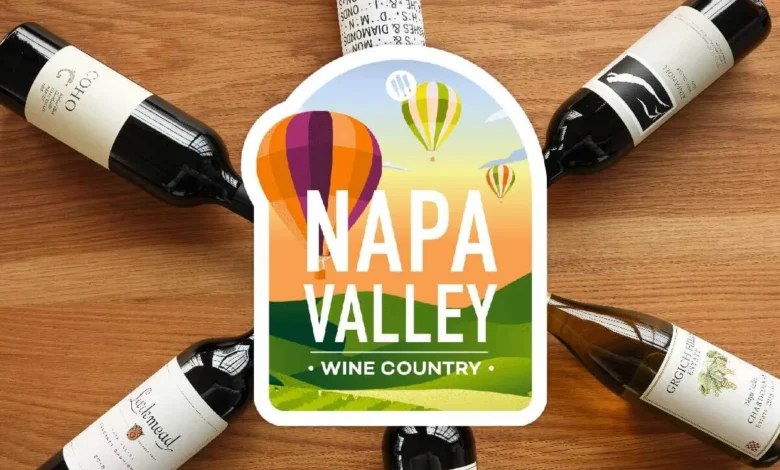
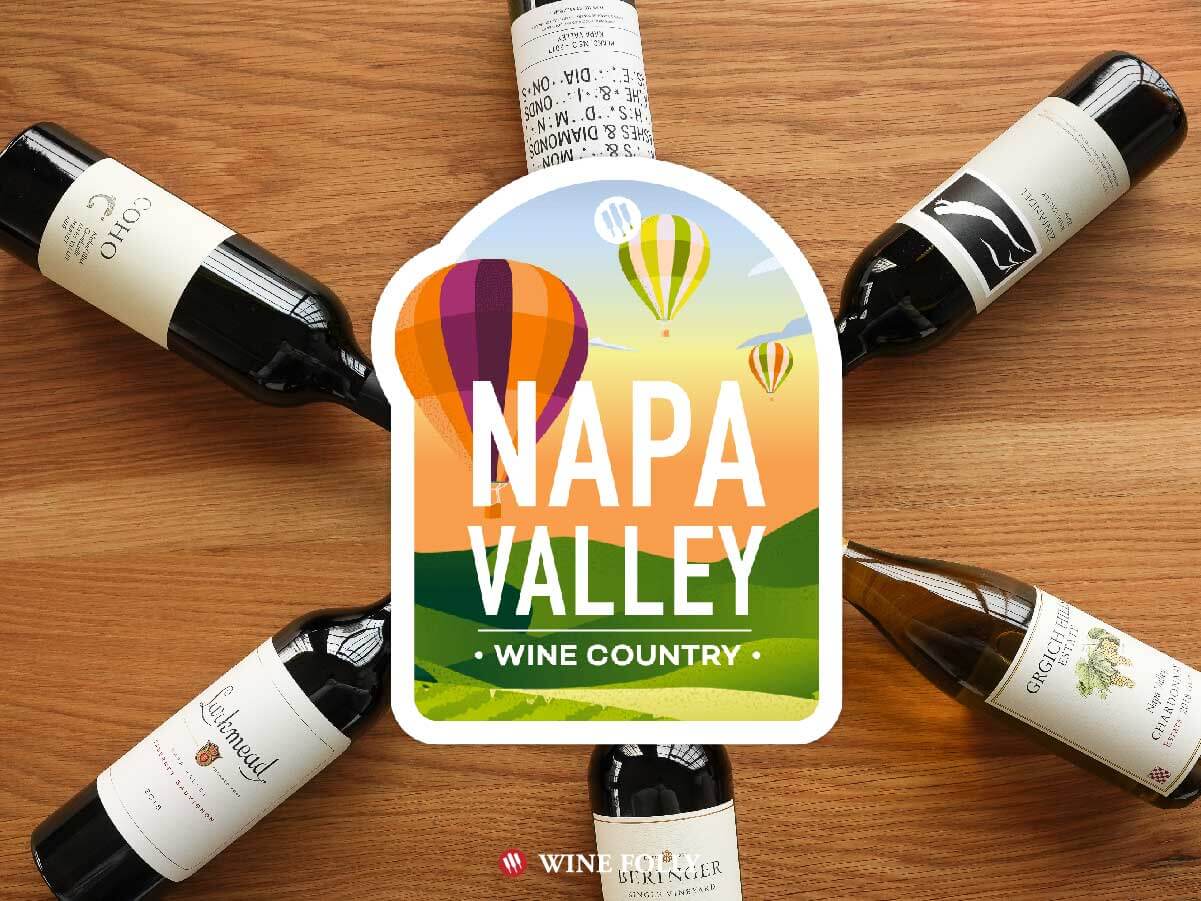
The curriculum is meticulously structured to deconstruct the primary varietals that define Napa Valley’s agricultural output. While the physical bottles are not included in the purchase price, students are strongly encouraged to source and taste a curated selection of six regional archetypes alongside the video modules. These include the valley’s undisputed king, Cabernet Sauvignon, which thrives in the rocky, well-drained soils of the hillside AVAs like Howell Mountain and Rutherford, as well as structurally complex Chardonnays, fruit-forward Merlots, spicy Zinfandels, and crisp Sauvignon Blanc blends.
Puckette’s instructional framework guides students through systematic tasting techniques, teaching participants how to evaluate a wine’s appearance, aromatic profile, acidity, tannin structure, and finish. By examining how diurnal temperature shifts—where scorching daytime heat gives way to thick evening fog—preserve the natural acidity and phenolic ripeness of the grapes, students gain a granular understanding of why Napa wines possess their characteristic balance of power and elegance.
Economic and Cultural Implications for the Wine Industry
The launch of digitally native, interactive wine courses reflects broader shifts in how consumers engage with luxury agricultural products. In recent years, the global wine market has experienced fluctuating demand, influenced by changing demographics, economic pressures, and evolving social habits among younger legal-drinking-age consumers. Industry analysts note that Millennials and Generation Z approach wine education differently than previous generations, favoring transparency, sustainability practices, and accessible, unpretentious storytelling over rigid wine-snobbery.
Programs like the Napa Valley course serve a critical function in democratizing wine knowledge. By demystifying regional classifications, labeling laws, and tasting terminology, educational platforms empower consumers to make informed purchasing decisions, fostering brand loyalty and driving sustained interest in high-end viticulture. Furthermore, as climate change presents ongoing challenges to traditional wine-growing regions across the globe—forcing winemakers to adapt irrigation practices, canopy management, and harvest timelines—consumer education regarding terroir and agricultural resilience has never been more relevant.
Industry stakeholders have largely welcomed the proliferation of digital wine education, viewing it as a vital marketing and educational funnel that ultimately benefits brick-and-mortar bottle shops, tasting rooms, and boutique wineries. When consumers understand the immense labor, meticulous vineyard management, and stringent quality controls required to produce a world-class bottle of Napa Valley wine, they are significantly more likely to invest in premium regional offerings.
Broader Impact and Future Outlook
As the global palate continues to evolve, the demand for authoritative yet accessible wine education shows no signs of abating. The intersection of digital video production and specialized sensory exploration has created new pathways for culinary tourism and remote learning, allowing enthusiasts from around the world to virtually traverse California’s most celebrated wine country without leaving their dining rooms.
Through structured modules, expert guidance from industry veterans like Madeline Puckette, and a steadfast emphasis on comparative tasting, the Learn By Drinking: Napa Valley course establishes a new benchmark for digital beverage education. By connecting the physical realities of soil, climate, and human craftsmanship directly to the consumer’s palate, the program ensures that the rich history and future innovation of Napa Valley will continue to inspire and educate generations of wine lovers for decades to come.