The Sonic Blueprint: How Uncanned Music is Redefining the Hospitality Experience Through Acoustic Engineering

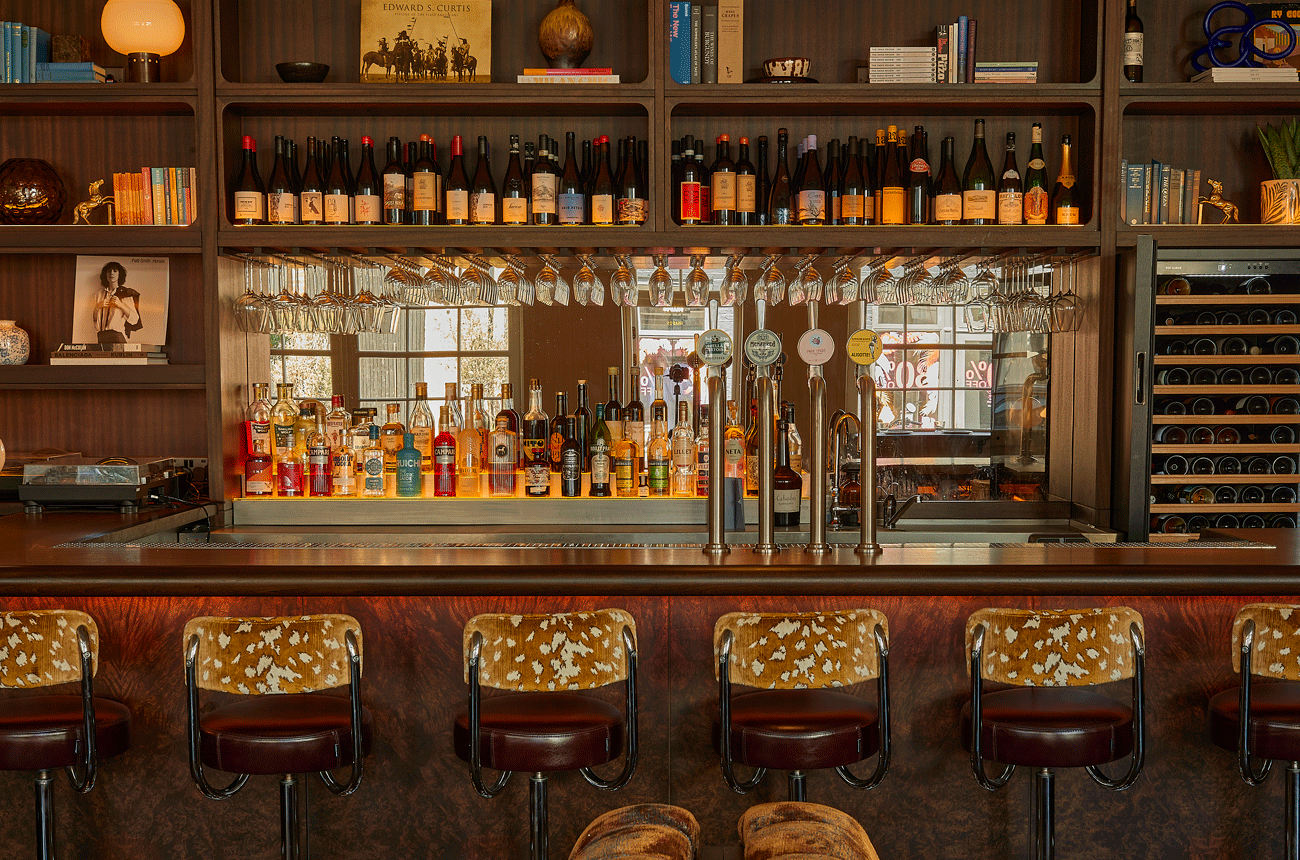
We have all experienced the sudden dissolution of a perfect evening: the lighting is calibrated to a warm amber, the seating is ergonomically ideal, and the cocktail in hand is expertly balanced. Yet, the atmosphere is shattered by an aggressive acoustic environment. Perhaps the music is blaring at a volume that forces a shouting match, or the cacophony of clattering cutlery and cocktail shakers creates a sonic dissonance that renders conversation impossible. When the audio environment fails, the guest’s desire to linger evaporates, directly impacting the bottom line of the establishment.
This intersection of high-fidelity audio, architectural acoustics, and human psychology is the niche occupied by Uncanned Music. By bridging the gap between professional engineering and deep-seated hospitality experience, the firm has cultivated a global portfolio, servicing high-end venues from New York and Chicago to Shanghai and Wellington. Their approach treats sound not as an afterthought, but as a fundamental pillar of interior design and service strategy.
The Engineering of Ambiance
The prevailing industry standard for sound system installation often relies on the same contractors who manage point-of-sale systems or general electrical wiring. This often results in a "one-size-fits-all" audio setup that ignores the unique physical properties of a space. Uncanned Music—led by partners Joe Darling, Megan Molloy, and David Allen—operates on the premise that a sound system must be as bespoke as a signature cocktail menu.

The team’s methodology involves an exhaustive pre-opening phase, often beginning while the venue is still in the framing stage. This allows them to influence architectural decisions that impact sound, such as the placement of sound-absorbing materials or the strategic positioning of speakers to prevent "hot zones." A "hot zone" occurs when audio coverage is uneven, forcing operators to turn up the volume to reach the back of a room, which in turn deafens guests seated directly beneath a speaker.
A Chronology of Collaboration: The Bar Roza Case Study
The effectiveness of this approach was recently highlighted at Bar Roza in Nashville, recognized as one of the best new cocktail bars of 2026. According to beverage director Owen Gibler, the collaboration was granular and intensive. The process involved in-depth consultations regarding the intended identity of the space and its desired sonic texture.
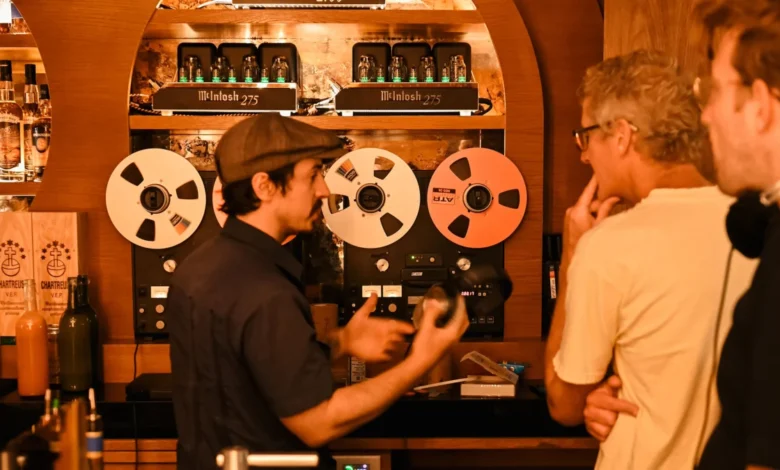
The execution was non-traditional. Uncanned Music curated and DJed three-hour vinyl sets, which were recorded onto professional-grade reel-to-reel tapes and shipped to the bar. This tactile, analog delivery system provides a warmth and depth that digital streaming services often lack. By choosing which tapes to deploy, the staff at Bar Roza can modulate the energy of the room throughout the night, moving from a low-fidelity "warm-up" phase to the peak intensity of service.
Technical Integration and Acoustic Challenges
The impact of a venue’s menu on acoustic design is profound. At Brasero in Chicago, chef John Manion requested a strictly Brazilian music program to complement his culinary offerings. Uncanned Music responded by sourcing a deep archive of regional recordings, programmed into distinct suites for opening, peak dining, and closing hours.

However, the technical challenges often stem from the physical constraints of modern interior design. Current trends favor hard, reflective surfaces—exposed brick, polished concrete, and floor-to-ceiling glass—which create an "acoustic nightmare" of echo and reverberation. These materials cause sound waves to bounce uncontrollably, exacerbating the noise floor and forcing the audio system to compete with the ambient din of the room.
To mitigate this, Uncanned Music advocates for early intervention. They emphasize that if a designer insists on hard, reflective surfaces, the audio team must compensate with specialized subwoofer placement and specific speaker configurations to balance high frequencies. If the audio is not managed, the resulting environment is physically taxing for the guest, leading to "listener fatigue," a phenomenon where the brain struggles to process speech amidst high-frequency background noise.
Data-Driven Hospitality: The Shift Away from Algorithms
The proliferation of algorithmic streaming services, such as Spotify or Pandora, has democratized music but arguably homogenized the hospitality experience. Industry data suggests that while these platforms offer convenience, they often fail to capture the "human element" of curation—the subtle transitions, the tempo shifts, and the cultural context that define a specific brand’s voice.
For Uncanned Music, the rise of artificial intelligence in music curation is viewed as a catalyst for their growth. They posit that as algorithms become more pervasive and predictable, the value of human-curated, bespoke audio design increases. Their work is the antithesis of the "random shuffle," focusing instead on narrative-driven soundscapes that enhance the physical space rather than merely filling the silence.

Industry Implications and Future Trends
The rise of the "hi-fi bar"—an establishment dedicated to high-quality audio playback—has turned sound systems into a status symbol in interior design. This shift is driving operators to prioritize acoustic infrastructure in their capital expenditures. The implication for the broader hospitality sector is significant: as consumers become more sophisticated in their expectations, the "audio experience" will likely join lighting and furniture as a primary metric for venue success.
The firm’s partners maintain that the goal is not to force a specific musical genre on a venue, but to provide the tools for an operator to execute their vision with clarity. When asked about their biggest "pet peeve," Molloy notes that she is acutely sensitive to volume levels that force guests to strain their voices. This is not merely a preference; it is a business failure. When a guest cannot communicate, their dwell time decreases, and their propensity for additional orders—be it a second round of drinks or a dessert—drops precipitously.
Conclusion: The Future of Sound in Service
The work performed by Uncanned Music represents a broader professionalization of hospitality. By viewing the restaurant or bar as an acoustic environment rather than just a commercial space, operators are moving toward a more holistic experience. As the industry continues to evolve, the integration of professional audio design will likely move from a luxury service to an essential component of operational planning.
Whether it is through the deployment of vintage reel-to-reel tapes in Nashville or the calibration of sound systems in high-traffic urban centers, the focus remains the same: the creation of a space where the atmosphere is felt, the music is an asset, and the guest is able to connect. In an era of digital noise, the most valuable luxury a venue can offer is a soundscape that actually allows for human connection.