The Evolution of the London Cocktail Landscape
The trajectory of London’s bar scene has undergone a radical transformation over the past two decades. Historically anchored by traditional private members’ clubs and grand hotel bars, the early 2000s saw a paradigm shift driven by the "cocktail renaissance." This movement moved away from the neon-colored, sugar-heavy drinks of the 1990s toward a focus on provenance, fresh ingredients, and the resurrection of forgotten classics.
This shift was largely propelled by influential figures such as Tony Conigliaro, who championed the use of scientific methods—such as rotary evaporators and centrifuges—to manipulate flavors. Today, this influence is visible in venues like A Bar with Shapes for a Name, which draws on the Bauhaus movement to strip back the cocktail experience to its core aesthetic and sensory elements.
A Curated Selection of London’s Premier Drinking Establishments
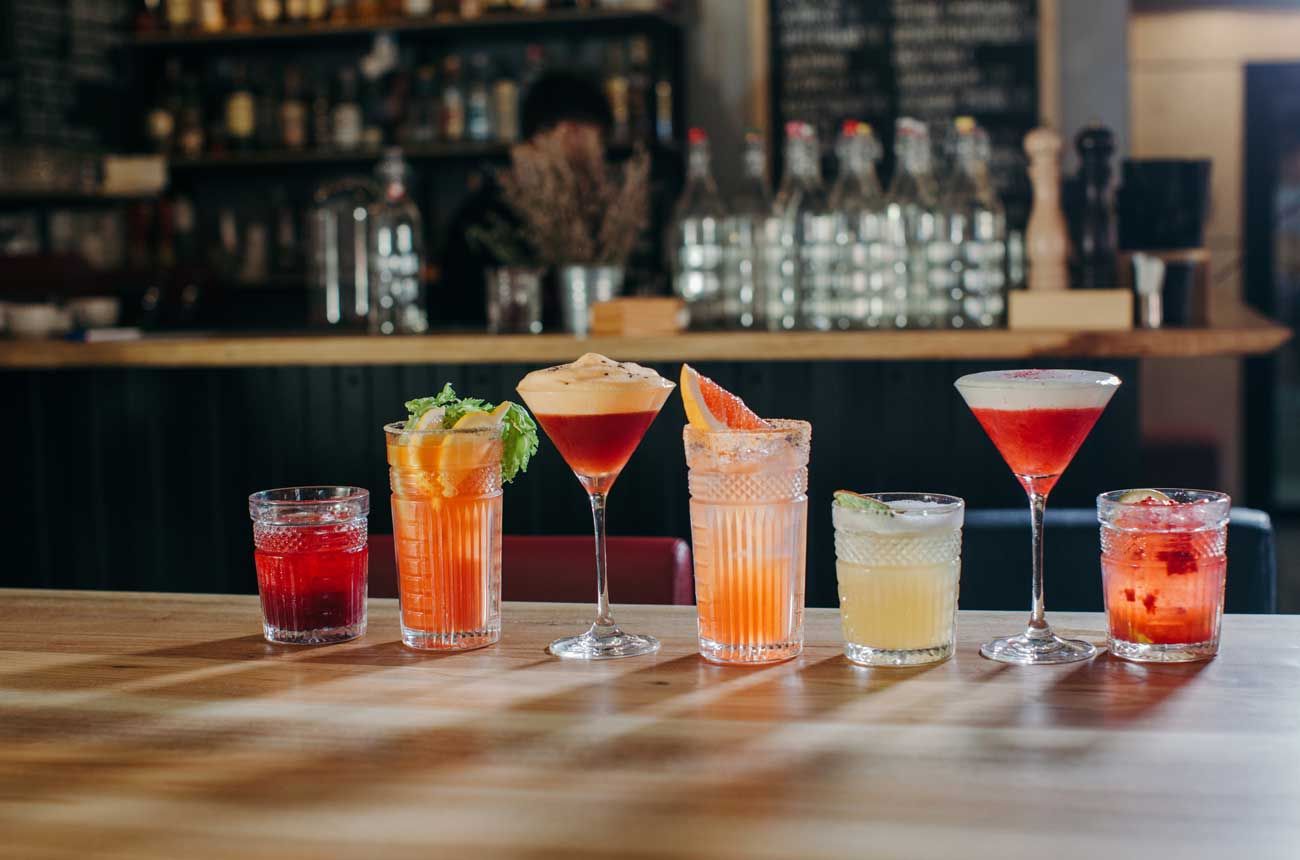
While the city boasts thousands of venues, several institutions define the current state of excellence in mixology.
A Bar with Shapes for a Name (E2 8AX)
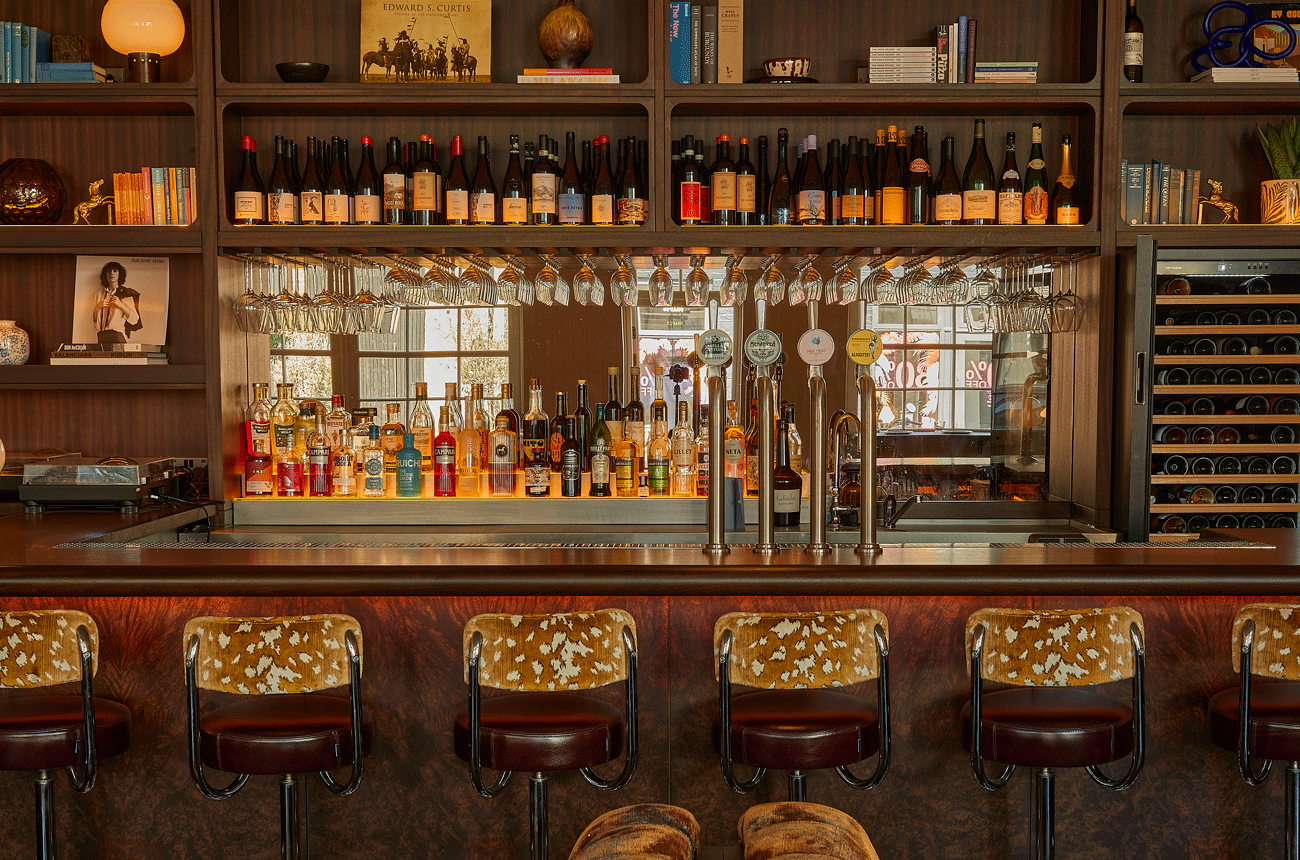
Located in the heart of the Whitmore Estate, this venue serves as a case study in minimalist precision. By eschewing the traditional clutter of a bar back, the space forces patrons to engage directly with the liquid in their glass. The menu is intentionally brief, focusing on six house cocktails and six refined classics. Their signature "Pastel," which utilizes recomposed lime and Capreolus raspberry, highlights a commitment to hyper-technical preparation that remains accessible to the average consumer.
Bar Termini (W1D 5JE)
In Soho, Bar Termini represents the enduring popularity of the Italian aperitivo culture. Founded by industry veterans, the bar operates on a philosophy of narrow specialization. By limiting the focus to high-quality coffee and a focused selection of Negronis and Martinis, the venue achieves a level of consistency that is rare in high-volume areas. It serves as a testament to the "less is more" philosophy, proving that a venue does not need a massive footprint to command global respect.

Lyaness (SE1 9PD)
Situated within the Sea Containers building, Lyaness acts as a platform for the conceptual work of Ryan Chetiyawardana. The bar’s current "Collaboration 2.0" menu reflects a growing trend of cross-disciplinary influence in the hospitality industry. By treating ingredients with enzymes and protein-based clarification techniques, the bar bridges the gap between culinary arts and mixology. This approach provides a structural complexity that challenges the palate, catering to a sophisticated demographic that views cocktails as an evolving intellectual pursuit.
Nightjar (EC1V 1JB)
Since its inception in 2010, Nightjar has maintained its position as a cornerstone of the Shoreditch scene. It was one of the early pioneers of the "speakeasy" aesthetic in London, characterized by low lighting, table service, and live jazz. Its longevity—having celebrated its 15th anniversary—indicates that while trends in mixology may shift toward the technical, the consumer demand for an immersive, atmospheric environment remains constant.
Side Hustle (WC2E 7AW)
Located in the former Bow Street Police Station, Side Hustle represents the successful integration of high-end hospitality within historic architecture. The bar’s focus on agave spirits—Tequila and Mezcal—aligns with a broader national trend toward the premiumization of Latin American spirits. The recognition of the bar at the Spirited Awards confirms its status as a top-tier international destination.

The Connaught Bar (W1K 2AL)
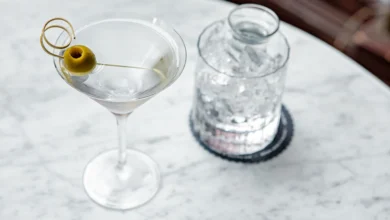
Perhaps the most famous of London’s hotel bars, The Connaught represents the pinnacle of service and tradition. The experience is defined by the Martini Trolley, a theatrical performance that prioritizes the "sound" of the drink as much as the taste. Head of mixology Ago Perrone’s approach is a masterclass in hospitality, where the bespoke nature of the service creates a unique bond between the bartender and the guest.
Supporting Data and Market Trends
The resilience of London’s bar sector is supported by significant market growth. According to recent hospitality industry reports, the UK’s premium cocktail market has seen a steady annual growth rate, driven by a post-pandemic consumer shift toward "drinking less, but better."
- Premiumization: Consumers are increasingly willing to pay a premium for high-quality, craft-produced spirits, leading to an increase in the average price point per cocktail in central London.
- Technological Integration: The adoption of lab equipment (sous-vide, redistillation, fermentation) has become standard in high-end venues, reflecting the maturation of the industry.
- Staffing and Retention: The industry is currently grappling with a shift in labor models, with many top-tier bars moving toward four-day work weeks to combat burnout, a response to the historically high-pressure environment of the service sector.
Chronology of Influence
- 2000-2005: The initial "Cocktail Renaissance" begins in London, characterized by a return to pre-prohibition recipes and the emergence of specialized cocktail bars.
- 2010: The opening of Nightjar sets the standard for the speakeasy movement in London, blending historical aesthetics with modern flavor profiles.
- 2015-2018: The rise of molecular mixology and ingredient-led innovation, with bars like Lyaness (formerly Dandelyan) winning world-class accolades.
- 2020-2022: The pandemic forces a pivot to takeaway cocktails and outdoor service, followed by a rapid recovery focused on "experiential" drinking.
- 2023-Present: A focus on sustainable sourcing, low-ABV (alcohol by volume) options, and high-tech, low-waste preparation methods.
Implications for the Future of London Nightlife
The evolution of the London cocktail scene suggests that the future of the industry lies in a synthesis of two seemingly opposing forces: high-tech scientific precision and warm, traditional hospitality.

From an economic perspective, the concentration of these high-end bars serves as a vital component of the city’s tourism and luxury hospitality economy. These venues are not merely places to purchase alcohol; they are cultural landmarks that draw international visitors and set global trends for the beverage industry.
However, the industry faces significant challenges, including rising operational costs and the need to maintain sustainability in a resource-intensive field. The most successful bars in the coming decade will likely be those that manage to lower their carbon footprint while maintaining the high-touch service and creative output that defines the London experience.
Further Destinations for the Enthusiast
For those seeking to explore beyond the primary list, London offers a deep bench of excellence:

- Amaro (Kensington): Known for its balanced, approachable menu.
- Artesian (Portland Place): A pioneer in visual, avant-garde drink presentation.
- Donovan Bar (Albemarle St): Renowned for its connection to photography and classic sophistication.
- Dukes Bar (St James’s): The legendary home of the original Vesper Martini.
- Oriole (Slingsby Pl): A sister venue to Nightjar, known for exotic, travel-inspired flavor profiles.
- Satan’s Whiskers (Cambridge Heath): A local favorite that prioritizes a rotating, seasonal menu and professional technique.
- Scarfe’s Bar (Holborn): Notable for its unique partnership with artists and its distinct, plush atmosphere.
- Swift (Old Compton St): A quintessential Soho institution known for its speed, efficiency, and exceptional service.
- The Fumoir (Claridge’s): A quintessential expression of Old-World London luxury.
Whether one is searching for the perfect stirred Martini or a complex, enzyme-treated botanical blend, London remains the definitive laboratory for the global cocktail movement. The diversity of these venues ensures that the city’s reputation as a world-leading beverage destination remains unchallenged.