Remembering Sam Neill 1947 – 2026 A Global Icon of Cinema and a Pioneer of New Zealand Viticulture

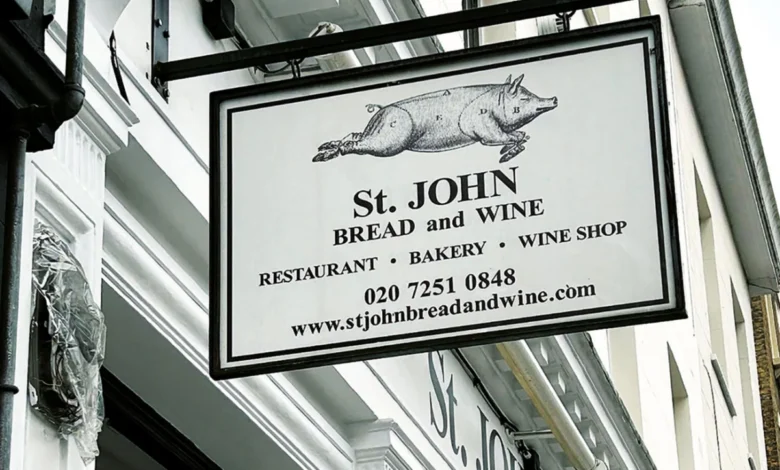
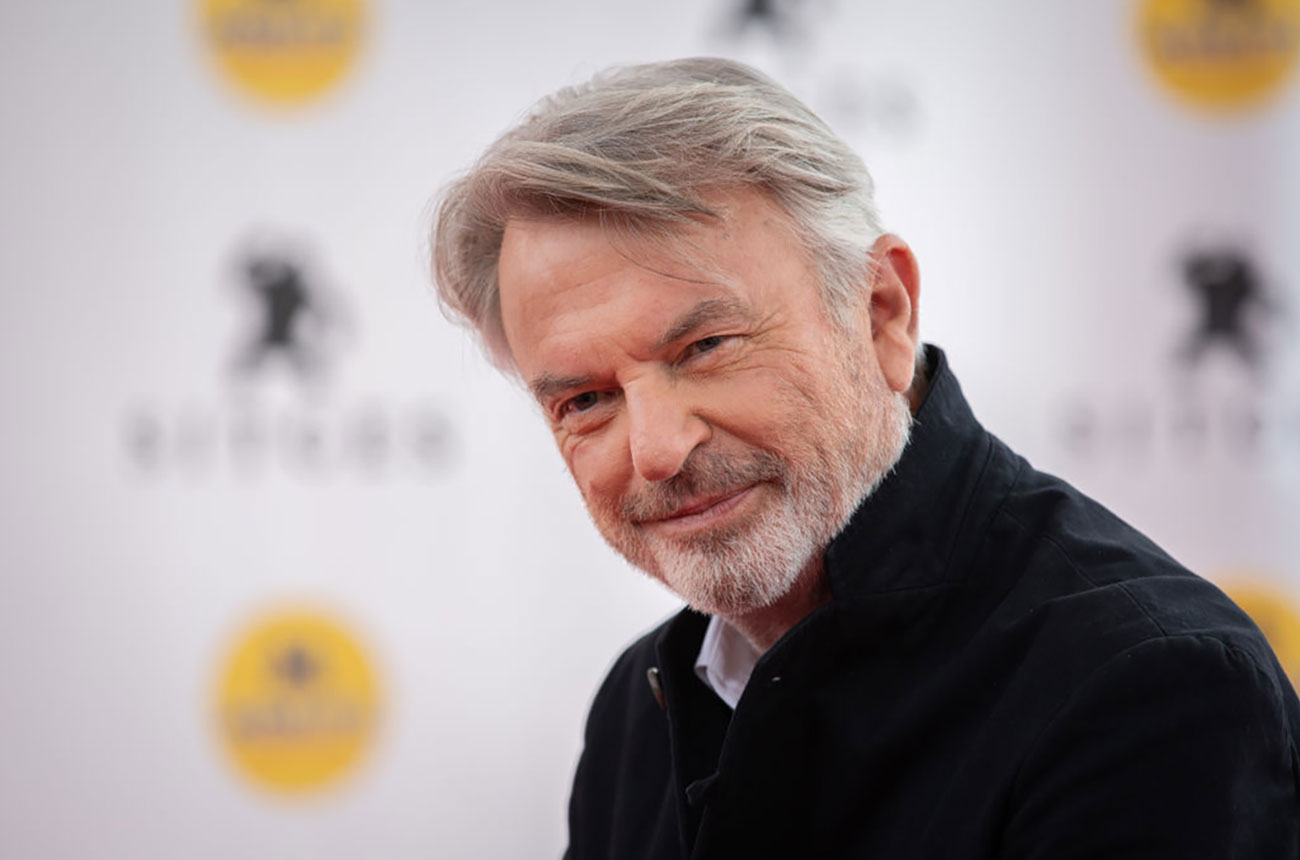
The international community is mourning the loss of Sam Neill, the acclaimed actor and dedicated vintner, who passed away on July 13, 2026, in Sydney, Australia. At the age of 78, Neill leaves behind a dual legacy that spanned the heights of Hollywood stardom and the rigorous, earth-bound demands of premium winemaking. Known to millions as the face of the Jurassic Park franchise, Neill was equally revered within the global wine community as the founder of Two Paddocks, a winery that played a pivotal role in establishing New Zealand’s Central Otago region as a world-class destination for Pinot Noir. His death marks the end of a prolific career characterized by a rare blend of artistic versatility, dry wit, and a profound connection to the land of his upbringing.
A Life of Two Halves: From Omagh to Otago
Born Nigel John Dermot Neill in Omagh, Northern Ireland, in 1947, Neill moved to New Zealand with his family at the age of seven. His father, Dermot Neill, was an officer in the Irish Guards and later ran Neill & Co., the family’s long-standing wine and spirits merchant business in Dunedin. This ancestral connection to the "booze business," as Neill often called it, stretched back over 150 years. His lineage included figures such as Benjamin Ingham, a cousin who amassed a fortune selling Marsala wine during the Napoleonic Wars, and an 18th-century ancestor who manufactured crystal wine glasses in Cork. Despite this deep-rooted viticultural heritage, Neill’s initial path led him toward the stage and screen.
Neill’s acting career began in the New Zealand film industry during the 1970s, with his breakthrough role in Sleeping Dogs (1977) marking the first time a New Zealand film was widely distributed in the United States. His move to international stardom was cemented in the 1980s and 1990s through a series of diverse and demanding roles. He portrayed the legendary spy Sidney Reilly in Reilly, Ace of Spies, delivered a chilling performance in Dead Calm (1989), and played the complex husband Alisdair Stewart in Jane Campion’s Academy Award-winning The Piano (1993). However, it was his portrayal of paleontologist Dr. Alan Grant in Steven Spielberg’s Jurassic Park (1993) that transformed him into a household name, a role he would revisit across decades, most recently in Jurassic World Dominion (2022).
The Evolution of Two Paddocks
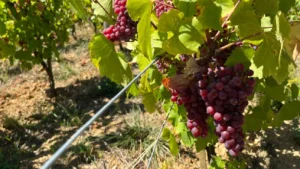
While his cinematic career flourished, Neill’s passion for New Zealand’s landscape led him back to the soil. In 1991, he purchased his first five-hectare paddock in the Gibbston Valley of Central Otago. Initially intended as a small private venture to provide wine for family and friends, the project quickly evolved into a serious pursuit of viticultural excellence. In 1993, he established the Two Paddocks brand, focusing almost exclusively on Pinot Noir—a grape variety notorious for its difficulty and "fickle" nature.
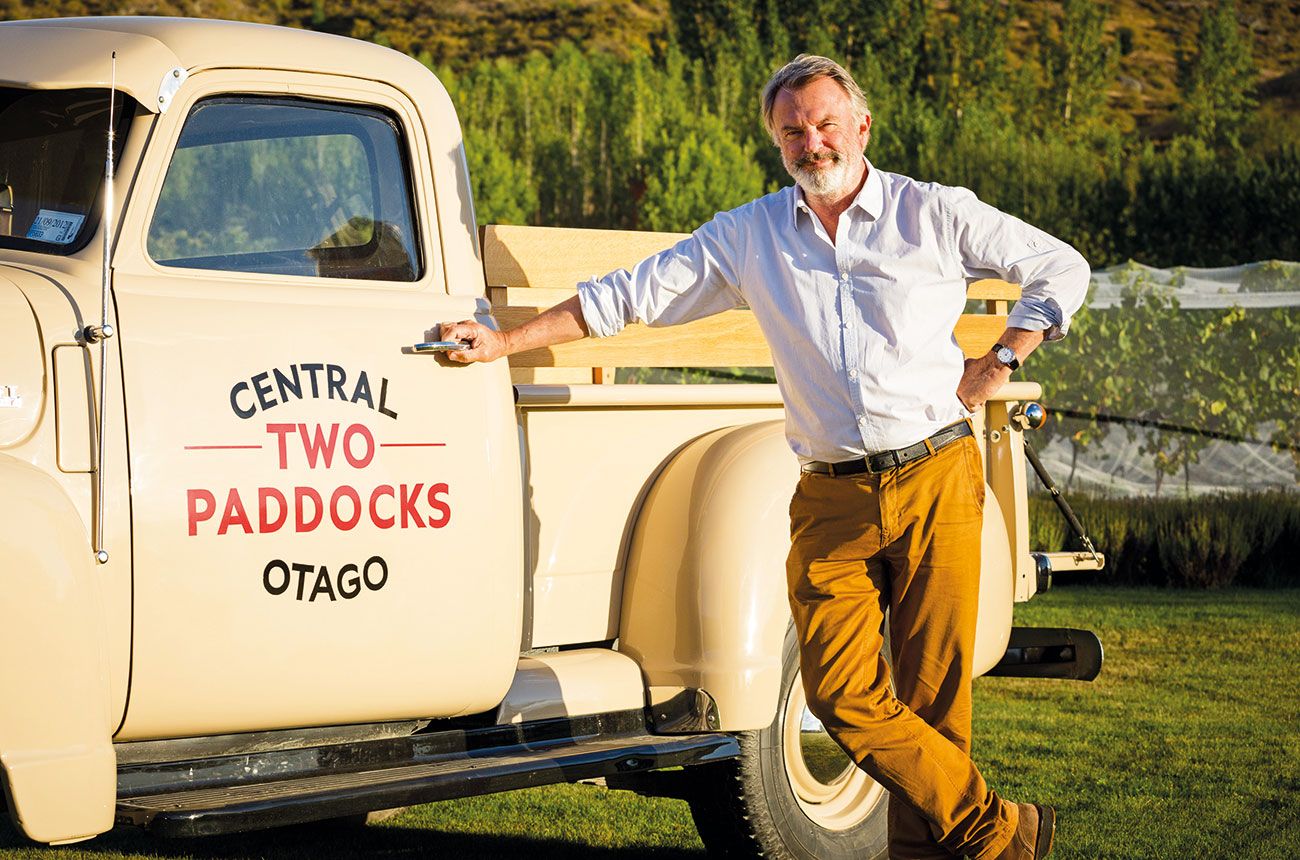
Over the following three decades, Two Paddocks expanded from a single site to four distinct vineyards across the three main valleys of Central Otago: The First Paddock (Gibbston), The Last Chance (Alexandra), The Red Bank (Earnscleugh), and The Fusilier (Bannockburn). Neill was a hands-on proprietor, often seen on his farm tending to his livestock—many of whom were named after his famous co-stars—and advocating for organic farming practices. Under his guidance, Two Paddocks became one of only a handful of wineries in the region to achieve full organic certification for all its estate vineyards, reflecting Neill’s commitment to environmental stewardship.
Industry Recognition and the New Zealand Winegrowers Fellowship
In the weeks preceding his death, Neill was accorded one of the highest honors in the New Zealand agricultural sector. He was named a Fellow of New Zealand Winegrowers, an accolade reserved for individuals who have made an extraordinary contribution to the New Zealand wine industry. The formal induction ceremony was scheduled to take place at a celebration dinner in late August 2026.
In a statement following the news of his passing, New Zealand Winegrowers highlighted Neill’s role as a "tireless advocate" for the industry. The organization noted that Neill used his international profile not merely for celebrity endorsement, but to bring "authenticity, warmth, and global attention to the people, places, and stories behind the industry." His efforts were instrumental in shifting the global perception of New Zealand wine from being solely focused on Marlborough Sauvignon Blanc to recognizing the sophisticated, cool-climate Pinot Noirs produced in the South Island.
Reflections of a Connoisseur: The Final Interview
In his final interview with Decanter magazine, published in the July 2026 edition, Neill reflected on his lifelong relationship with wine. The interview offered a glimpse into the personal tastes of a man who, despite his status, remained grounded and often self-deprecating. He revealed that his everyday drinking wine was kept, unpretentiously, in his laundry room, and that he maintained a deep affection for "big reds" from Spain’s Ribera del Duero and massive Australian blends.
Neill’s expertise was evident in his nuanced preferences. He famously championed Penfolds Bin 389, often referred to as "Baby Grange," arguing that it frequently offered a better drinking experience and value than the more prestigious Penfolds Grange. His stories of the industry were legendary, including a tale of a film producer who once attempted to entice him into a role with two bottles of 1964 Château Latour. While Neill admitted to enjoying the wine, he did not take the part, later remarking with his characteristic wit that it was a "waste" of good Bordeaux.
His philosophy on wine was ultimately one of human connection. "There’s no such thing as the best bottle you’ve ever had," Neill told Decanter. "Wine is conviviality, conversations, good food, and friendship." This sentiment was reflected in his dream dinner party lineup, which included his close friend Stephen Fry, Michael Caine, and the ghost of Oscar Wilde—a gathering centered on storytelling and shared experience.
Chronology of a Dual Career
- 1947: Born in Omagh, Northern Ireland.
- 1954: Emigrates to New Zealand.
- 1977: Stars in Sleeping Dogs, launching his international acting career.
- 1983: Receives a Golden Globe nomination for Reilly, Ace of Spies.
- 1991: Purchases his first vineyard in Central Otago.
- 1993: Stars in Jurassic Park and The Piano; establishes Two Paddocks winery.
- 1997: Appointed an Officer of the Order of the British Empire (OBE) for services to acting.
- 2002: Appointed a Distinguished Companion of the New Zealand Order of Merit (DCNZM).
- 2013-2014: Appears in the critically acclaimed series Peaky Blinders.
- 2022: Returns to the Jurassic franchise in Jurassic World Dominion.
- July 2026: Named a Fellow of New Zealand Winegrowers.
- July 13, 2026: Passes away in Sydney, Australia.
Broader Impact and Implications for the Wine Industry
The passing of Sam Neill leaves a significant void in both the arts and the New Zealand primary sector. In the film industry, he was regarded as a "bridge" actor—one of the few who could move seamlessly between blockbuster franchises, indie dramas, and television procedurals while maintaining a reputation for professionalism and humility.
In the wine world, Neill’s impact was structural. He was a pioneer of the Central Otago region during its infancy in the early 1990s. At that time, the viability of commercial viticulture in such a southerly, frost-prone latitude was questioned by many. Neill’s success with Two Paddocks helped prove that the region’s unique schist soils and continental climate were ideal for producing Pinot Noir with exceptional purity and tension.
Furthermore, Neill’s insistence on organic viticulture at a time when it was not yet a market trend set a benchmark for the region. His advocacy for biodiversity on his farms—incorporating orchards, livestock, and native plantings—influenced a generation of younger winemakers in New Zealand to view the vineyard as a holistic ecosystem.
Tributes and Reactions
Tributes have poured in from around the world. Colleagues from the film industry have remembered him as a "gentleman" and a "master of his craft." On social media, fans have shared clips of his most iconic roles, as well as videos from his farm where he frequently posted humorous updates about his pigs and chickens.
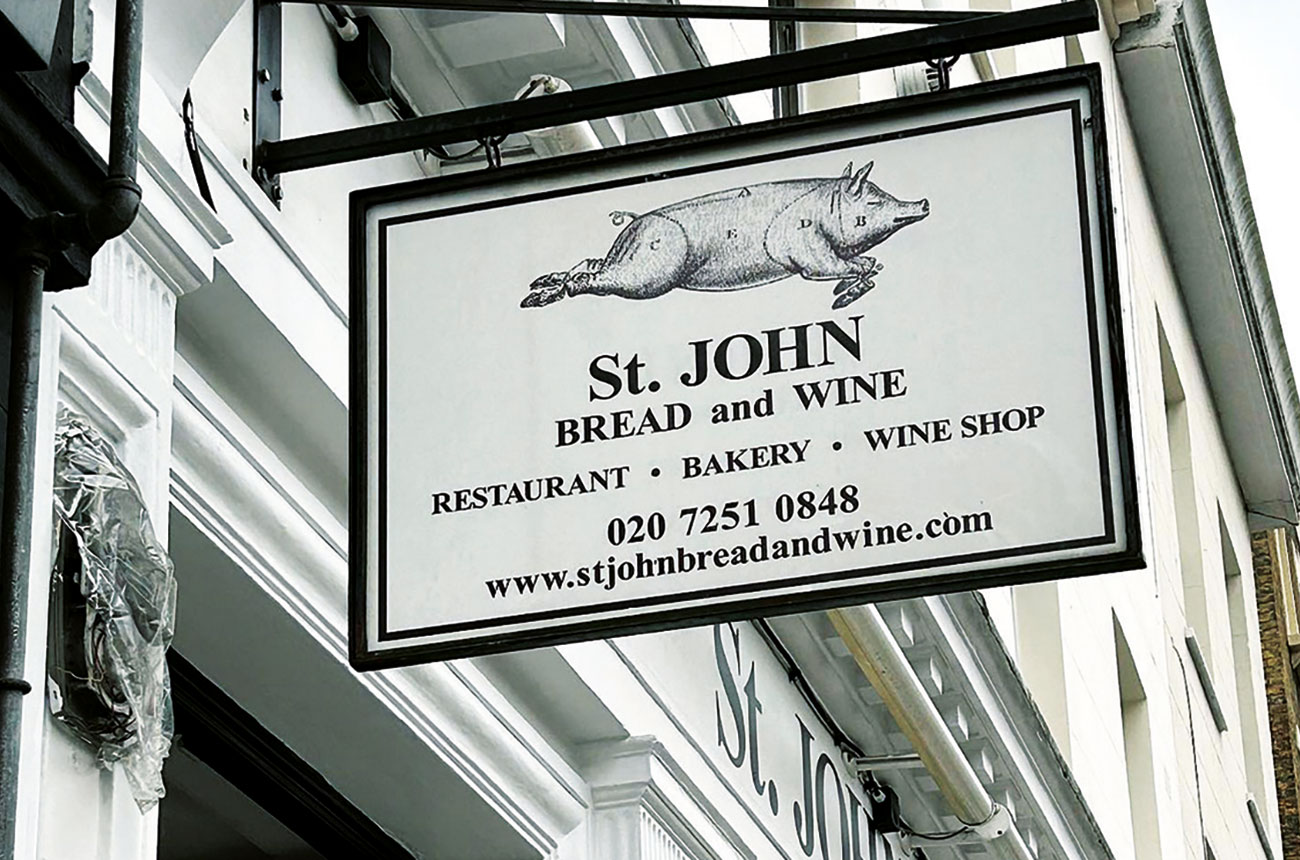
Within the wine trade, distributors and sommeliers have noted that Two Paddocks wines were never treated as "celebrity wines." Instead, they were respected on their own merits, frequently appearing on the lists of Michelin-starred restaurants globally. "Sam didn’t just put his name on a bottle; he put his life into the soil," remarked one prominent Sydney-based sommelier. "He was a vigneron first and a movie star second when he was in the vineyard."
Sam Neill is survived by his children and a legacy that continues to grow in the cellars of wine collectors and the archives of cinematic history. As the sun sets on a remarkable life, the vines he planted in the rocky soils of Central Otago remain a living testament to his vision, his humor, and his enduring love for New Zealand.