Savannahs Historic Green-Meldrim House Hosts Rare Madeira Wine Tasting Event Celebrating Centuries of Viticultural Heritage

The cool breath of February blows gently through the coastal city of Savannah, Georgia, swaying the Spanish moss draped across the ancient arms of live oaks that define the city’s iconic squares. Within the walls of the Green-Meldrim House, a National Historic Landmark and a pinnacle of Gothic Revival architecture, a small group of viticultural experts and enthusiasts recently gathered to participate in a rare retrospective tasting of Madeira wine. This event, set against the backdrop of a home that once served as General William Tecumseh Sherman’s headquarters during the Civil War, served as a profound reminder of the deep-seated historical ties between the Portuguese island of Madeira and the American South.
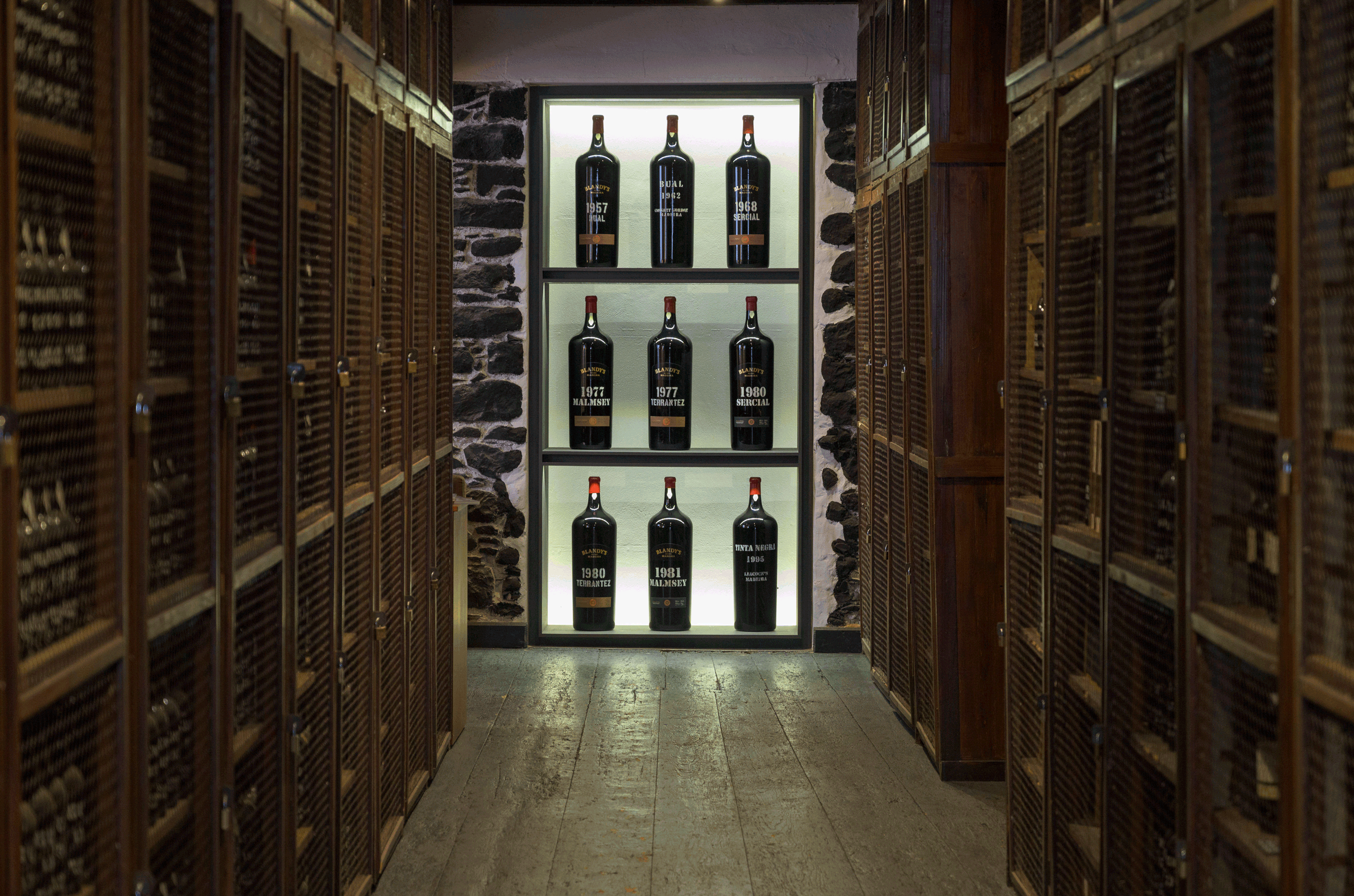
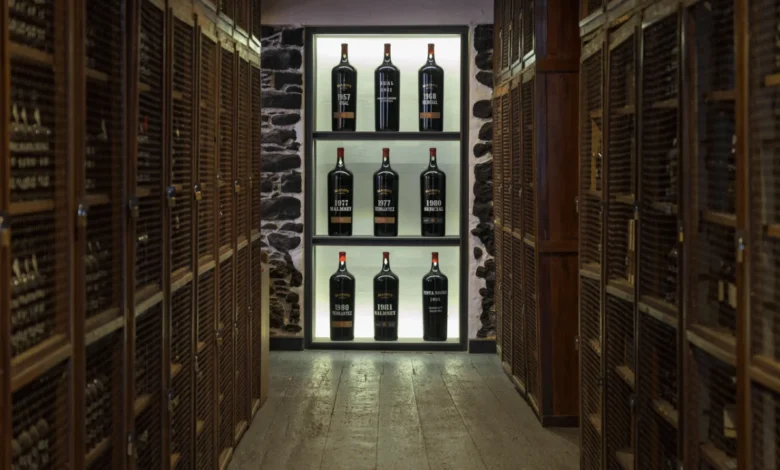
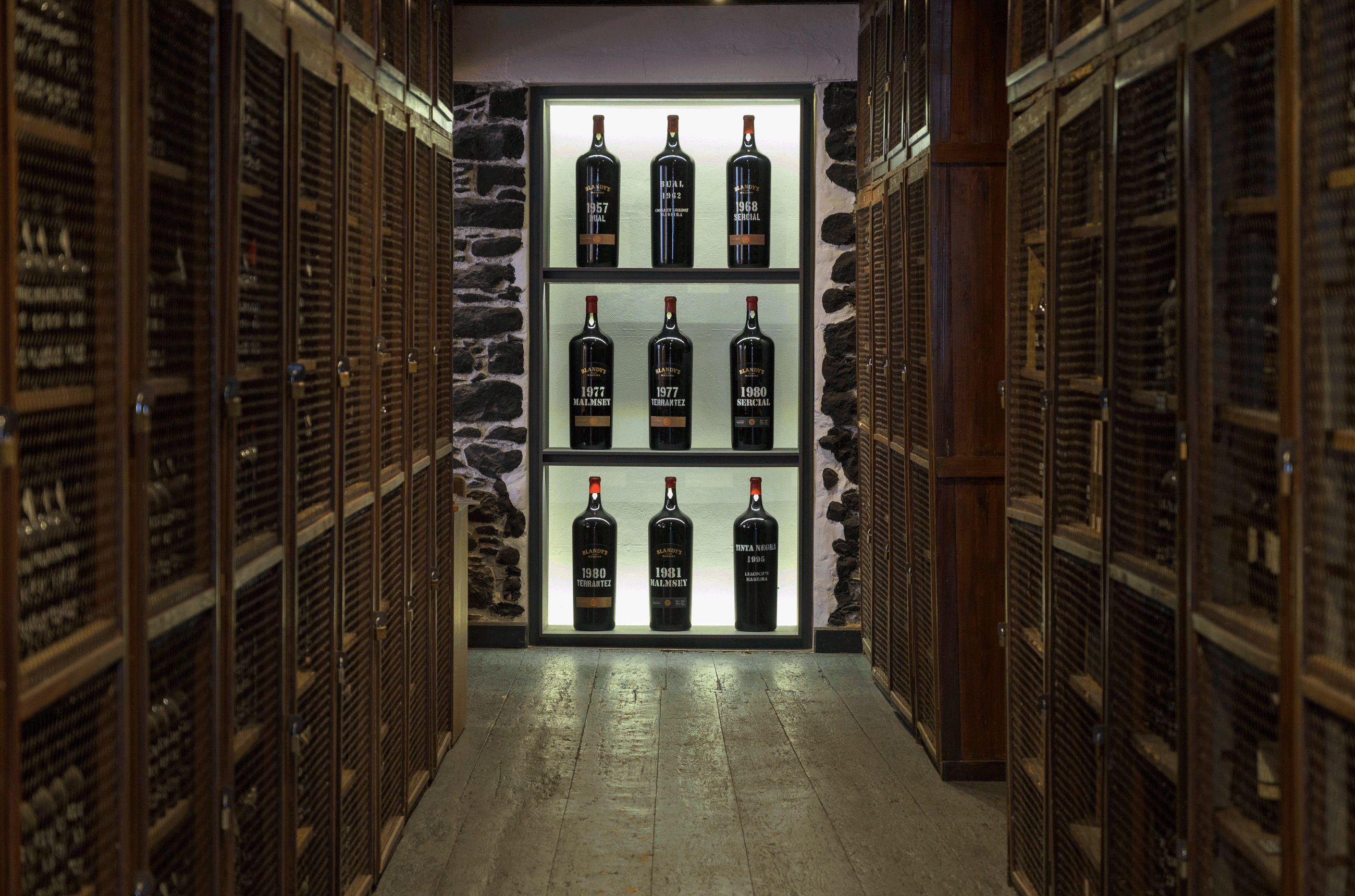
The selection of wines presented during the event offered a liquid timeline of history, featuring bottles that spanned three centuries. The tasting, which included legendary producers such as D’Oliveiras and Blandy’s, highlighted the unique resilience of Madeira—a fortified wine known for its near-immortality. Unlike most fine wines that deteriorate with age and exposure to heat or oxygen, Madeira thrives under these conditions due to its specialized production process, which involves fortification with grape spirits and a deliberate heating process known as "estufagem" or the more natural, slower "canteiro" aging in warm attics.
The Historical Significance of Madeira in the American Colonies
To understand the weight of the tasting held at the Green-Meldrim House, one must look back to the 18th and 19th centuries. Madeira was arguably the most important wine in colonial America. Because the American colonies were not permitted to import many European goods directly due to British mercantile laws, a loophole regarding the Portuguese-owned island of Madeira allowed the wine to flow freely into ports like Savannah, Charleston, New York, and Philadelphia.
Madeira became the drink of the American elite and the Founding Fathers. It was used to toast the signing of the Declaration of Independence and the inauguration of George Washington. Its popularity in the South was particularly pronounced; the warm, humid climate of cities like Savannah would spoil delicate French clarets, but it only served to further "cook" and improve the Madeira stored in local cellars. The event at the Green-Meldrim House was not merely a tasting but a cultural reconnection to a period when "Madeira Clubs" were the center of Savannah’s social and political life.
Detailed Analysis of the Tasting Selection: The 19th-Century Survivors
The highlight of the Savannah tasting was the inclusion of two bottles from 1890, produced by the venerable house of Pere d’Oliveira (Vinhos). At 134 years of age, these wines demonstrated why Madeira is often referred to as the "fountain of youth in a bottle."
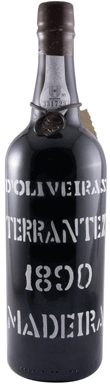
The D’Oliveiras Terrantez 1890 was a focal point of the afternoon. The Terrantez grape is nearly extinct today, making any vintage bottling a rare find. Despite its age, the wine was described by attendees as remarkably lively. In the glass, it offered a complex profile where the primary fruit had long since evolved into secondary and tertiary notes of dried herbs, bitter orange, and a distinct mineral backbone.
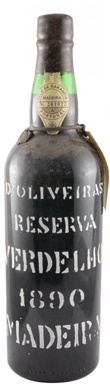
Following the Terrantez was the D’Oliveiras Verdelho 1890. Verdelho is known for being a medium-dry style of Madeira, typically possessing higher acidity than the sweeter Bual or Malmsey. This 1890 expression maintained a "tangy snap" on the attack, according to tasting notes, before unfolding into layers of dark honeyed sweetness and caramelized nuts. The ability of a wine to maintain such structural integrity after more than a century in oak casks is a testament to the canteiro aging system used by the D’Oliveiras family.
Early 20th-Century Masterpieces: 1904 to 1929
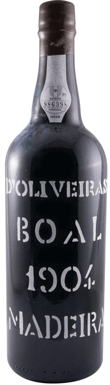
Moving into the 20th century, the tasting explored the richer, more hedonistic side of the island’s output. The D’Oliveiras Bual 1904 showcased the classic characteristics of the Bual (or Boal) grape: a medium-sweet profile with voluminous texture. The wine presented a "bright line of acid" that provided a necessary spine to the rich flavors of dried fig, toffee, and spiced rum cake.
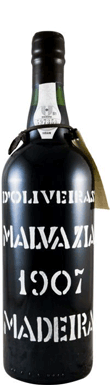
The 1907 D’Oliveiras Malmsey (Malvasia) shifted the palate toward the sweetest end of the spectrum. Malmsey is the richest style of Madeira, and the 1907 vintage delivered an intense nose of molasses and sweetcakes. However, the complexity of aged Malmsey lies in its balance; the sugar content was tempered by a savory depth and a "tingle of balsamic," preventing the wine from feeling cloying.
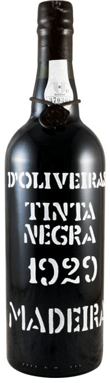
A particularly unusual entry was the D’Oliveiras Tinta Negra 1929. For many years, Tinta Negra was considered a "workhorse" grape, used for bulk production and often excluded from the "noble" category. However, recent decades have seen a re-evaluation of the variety’s potential for high-quality vintage wines. The 1929 expression was noted for its perfumed intensity, featuring rare aromatic notes of incense, myrrh, cacao, and eucalyptus—a departure from the more traditional dried-fruit profiles of the white noble grapes.
Mid-Century and Modern Vintages: The Blandy’s Legacy
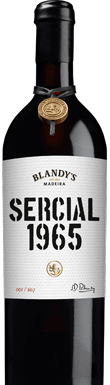
The tasting also featured significant contributions from Blandy’s, a family-owned firm that has been a pillar of the Madeira trade for over 200 years. The Blandy’s Sercial 1965 represented the driest style of the noble varieties. Sercial is often served as an aperitif, and the 1965 vintage, after decades in oak, had become concentrated yet retained a remarkable finesse. Its lively acidity delineated a heart of spiced chutney and caramel.
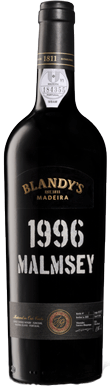
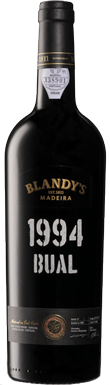
From the more recent era, the Blandy’s Bual 1994 and Malmsey 1996 illustrated the continued excellence of the region. The 1994 Bual displayed an amber-gold hue with a coppery warmth, offering notes of toasted nuts and dried fruit cake. The 1996 Malmsey was described as having the color of "jewels and currency," a bronze liquid flecked with gold that promised and delivered rich, spice-laden delights. These wines, while younger than the 19th-century giants, showed the same evolutionary trajectory that will likely allow them to be enjoyed well into the 22nd century.
Educational Components and the Role of The Rare Wine Co.
The tasting concluded with a selection from The Rare Wine Co. Historic Series, specifically the "Declaration of Independence" Madeira. This non-vintage (NV) blend is part of a series designed to educate modern consumers on the styles of wine popular during the American colonial era.
The "Declaration of Independence" bottling is a Bual-style blend, though it is crafted to be more delicate and pale copper in color, nodding to the lighter styles that filled glasses 250 years ago. With notes of dried chamomile and preserved tangerine, it serves as an accessible entry point for those looking to understand the historical palate of the American founders. The inclusion of this wine underscored the event’s theme: that Madeira is as much a historical document as it is a beverage.
Technical Analysis: Why Madeira Endures
The longevity of the wines tasted at the Green-Meldrim House is the result of a "double-death" process. Most wines are destroyed by heat and oxygen. Madeira, however, is deliberately exposed to both. During the 17th and 18th centuries, it was discovered that casks of wine sent on long sea voyages through the tropics returned to Europe tasting better, not worse. The heat of the ship’s hold and the constant motion "mellowed" the wine.
Today, this is replicated through the canteiro system, where wines are aged in casks in the warm lofts of lodges in Funchal, the capital of Madeira. This process causes the sugars in the wine to caramelize and the liquids to concentrate through evaporation. By the time a Madeira is bottled—especially one like the 1890 D’Oliveiras—it has already been oxidized and heated to such an extent that it is virtually indestructible. Once a bottle is opened, it can stay fresh for months or even years, a feat impossible for any other wine style.
Broader Implications for the Global Wine Market
The Savannah tasting occurs at a time of renewed interest in fortified wines. While the global wine market has seen a trend toward lower-alcohol and "natural" wines, there remains a dedicated and growing niche for rare, aged spirits and fortified wines.
Collectors are increasingly looking toward Madeira as a stable investment. Unlike Bordeaux or Burgundy, which have specific "drinking windows" and can be ruined by poor storage, vintage Madeira is a low-risk asset in terms of preservation. Furthermore, the scarcity of old stocks—particularly of the Terrantez and Verdelho varieties—ensures that prices for 19th-century bottles continue to rise at international auctions.
For the city of Savannah, events like this reinforce its status as a guardian of Southern history. The Green-Meldrim House, with its architectural grandeur and historical weight, provided the perfect sanctuary for wines that have survived world wars, revolutions, and the passage of centuries. As the participants finished the final drops of the 1890 vintages, the consensus was clear: these wines are not just relics of the past, but living connections to a global heritage that continues to evolve.
The tasting served as a reminder that in an increasingly fast-paced world, some things—like the slow maturation of a cask in Funchal or the steady endurance of a live oak in Savannah—cannot be rushed. The legacy of Madeira in America remains as potent as the wine itself, a blend of resilience, history, and unmistakable character.