The Transcendence of Terroir and the Evolution of the Global Fine Wine Market

The concept that the world’s most prestigious wines represent a value far beyond their liquid composition has become a central tenet of the modern luxury market. As noted by industry experts and Masters of Wine, the finest bottles serve as talismanic rites of passage, transporting the collector to a realm that transcends empirical analysis or the simplistic evaluation of what is contained within the glass. This shift from viewing wine as a mere beverage to treating it as a cultural and historical artifact has fundamentally reshaped the economics of the wine industry, particularly within the hallowed vineyards of Burgundy, France.
For centuries, the appreciation of wine was rooted in the sensory experience—the aroma, the palate, and the finish. However, in the 21st century, the "best bottles" have evolved into symbols of heritage, scarcity, and geopolitical prestige. This transformation is most evident in the Côte d’Or, where the limited production of Grand Cru vineyards has met an explosion of global wealth, creating a market where the bottle’s provenance and the story of its terroir are as valuable as the wine itself.
The Philosophical Shift: Beyond Empirical Analysis
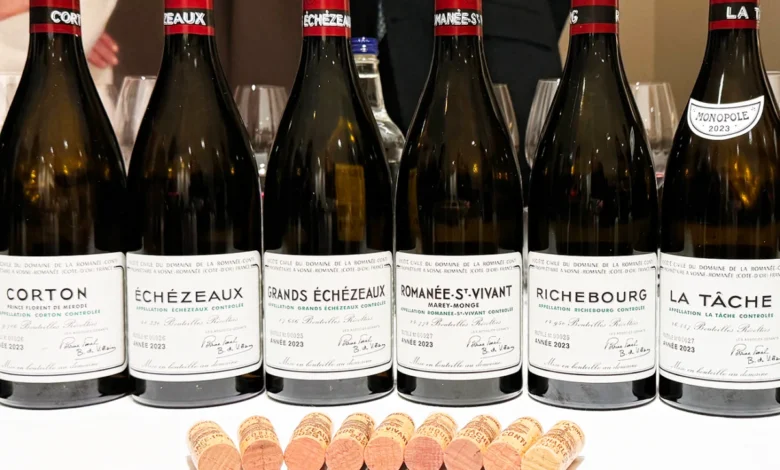
The traditional approach to wine criticism often relies on a technical breakdown: acidity levels, tannin structure, alcohol by volume, and the identification of specific fruit notes. While these metrics remain essential for viticulture and winemaking, they are increasingly viewed as insufficient for explaining the allure of top-tier estates like Domaine de la Romanée-Conti (DRC) or Domaine Leroy.
The "talismanic" quality described by experts refers to the emotional and intellectual connection a collector feels toward a specific plot of land. In Burgundy, this is codified through the concept of climat—precisely delimited vineyard plots that have been recognized for their unique personality for over a thousand years. When a collector opens a bottle of Romanée-Conti, they are not merely consuming fermented grape juice; they are engaging with a lineage of Cistercian monks, Bourbon royalty, and centuries of French agricultural tradition. This historical weight creates a "place distant from putative truths," where the value is dictated by narrative and rarity rather than objective chemical quality.
A Chronology of Prestige: From Monastic Roots to Global Asset
The journey of Burgundy wine from a local monastic product to the world’s most expensive liquid is a timeline marked by political upheaval and meticulous land management.
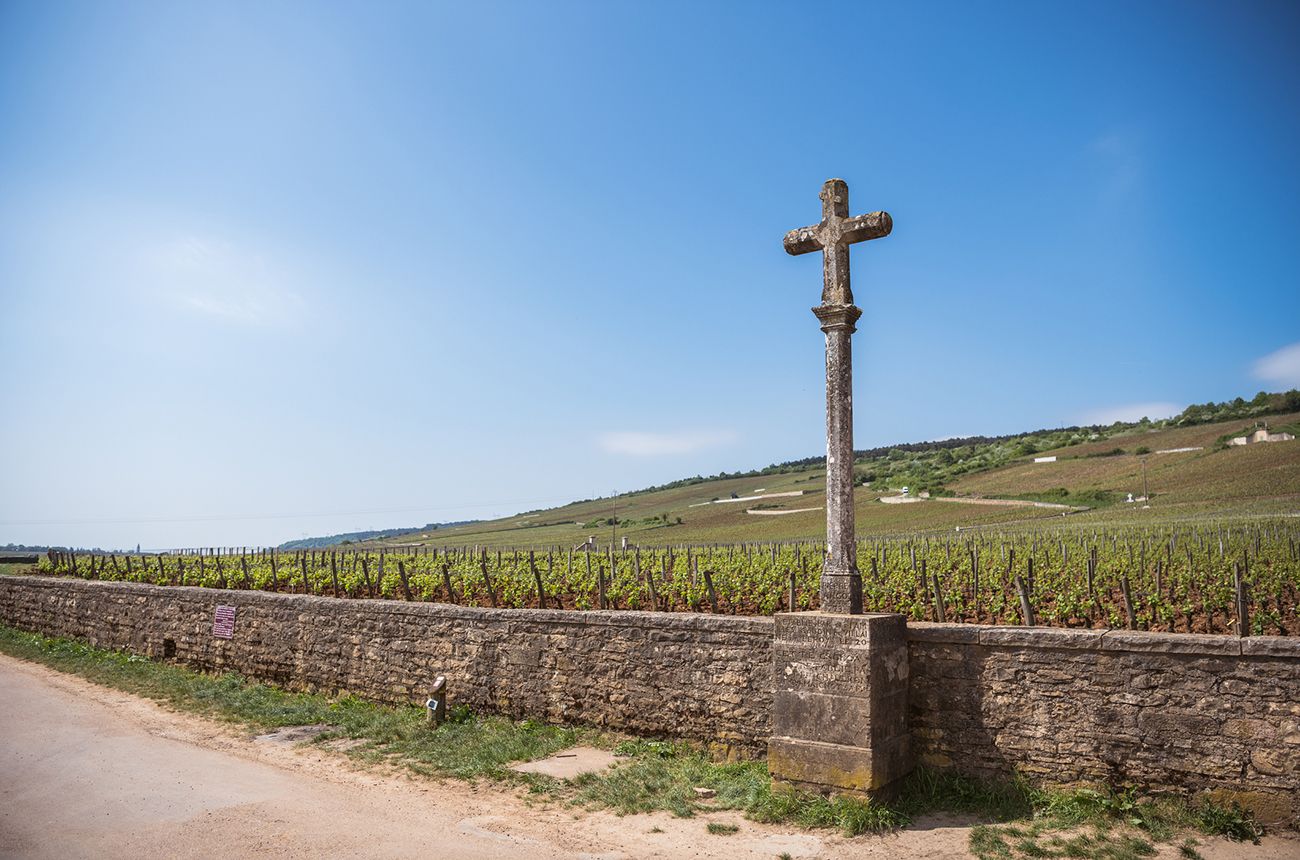
- The Monastic Era (1100–1789): The Benedictine and Cistercian monks were the first to realize that different plots of land produced vastly different wines. They began walling off specific vineyards, such as Clos de Vougeot, laying the groundwork for the modern cru system.
- The French Revolution (1789): The seizure of church lands led to the fragmentation of vineyards. This resulted in the complex mosaic of ownership seen today, where a single vineyard may be shared by dozens of different growers, further increasing the scarcity of specific labels.
- The 1855 Classification and Beyond: While Bordeaux established its famous classification in 1855, Burgundy’s official Appellation d’Origine Contrôlée (AOC) system was codified in the 1930s. This created a legal framework that protected the "talismanic" status of the land.
- The Global Expansion (1990–Present): The rise of the "super-collector" in the United States, and subsequently in Hong Kong and mainland China, turned Burgundy into a global currency. Prices for top-tier bottles began to decouple from the general wine market, rising at rates that outperformed traditional stock indices.
Supporting Data: The Economics of Scarcity
The financial data supporting the rise of fine wine as an asset class is staggering. According to the Liv-ex Power 100, which tracks the most influential brands in the global secondary wine market, Burgundy has consistently dominated the top rankings over the last decade.
In 2018, a single bottle of 1945 Romanée-Conti sold at auction for $558,000, shattered all previous records. This price point is not a reflection of the wine’s flavor profile—which, at over 70 years old, may have been well past its peak—but rather its status as a historical relic. Only 600 bottles were produced in that vintage, the last before the vineyard’s vines were pulled up and replanted.
Production numbers further illustrate the supply-demand imbalance. While a large Bordeaux estate like Château Lafite Rothschild might produce 15,000 to 20,000 cases per year, Domaine de la Romanée-Conti produces roughly 5,000 to 6,000 bottles of its namesake wine annually for the entire world. This extreme scarcity ensures that the wine remains a "rite of passage" accessible only to the ultra-wealthy, reinforcing its status as a talisman of success.
Market Reactions and the "Burgundy Bubble"
The rapid escalation of prices has drawn mixed reactions from the wine community. On one hand, estate owners in Burgundy have seen their land values soar, with some Grand Cru vineyards now valued at over 30 million euros per hectare. This has brought unprecedented investment into modern winemaking technology and sustainable farming practices.
On the other hand, critics and long-time enthusiasts worry about the "de-democratization" of wine. Many fear that the world’s greatest wines are becoming "trophy bottles" that are traded in climate-controlled warehouses but never actually consumed. This phenomenon threatens the very essence of wine as a shared human experience.
Market analysts, however, suggest that the "Burgundy Bubble" is unlikely to burst in the traditional sense. Unlike speculative assets like cryptocurrency, fine wine is a finite resource. As bottles are opened and consumed, the remaining supply of a vintage decreases, providing a natural floor for prices. Furthermore, the diversification of the buyer base—with increasing interest from Singapore, Taiwan, and the Middle East—ensures a steady stream of demand that is not reliant on any single economy.
Environmental Implications and the Future of Terroir
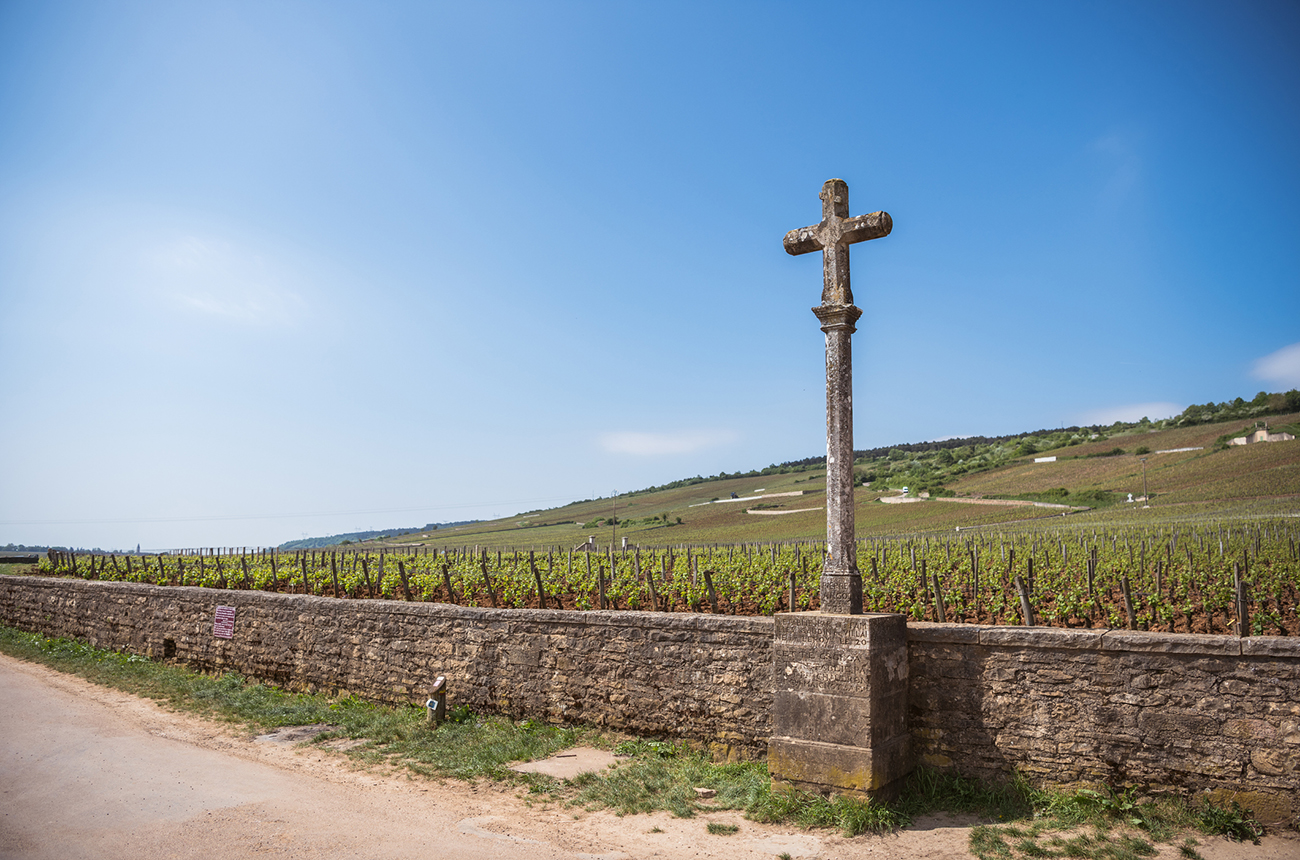
As the value of these "talismanic" bottles continues to rise, the industry faces a significant existential threat: climate change. Burgundy is a cool-climate region where the delicate Pinot Noir grape thrives. However, rising average temperatures and an increase in extreme weather events, such as late-spring frosts and devastating hail, have made viticulture increasingly precarious.
The 2021 vintage, for example, saw yields drop by as much as 50% to 80% in some parts of Burgundy due to frost. Such supply shocks only serve to drive prices higher, further distancing the "best bottles" from the reach of average consumers. Producers are now experimenting with different canopy management techniques and even investigating more heat-resistant clones of Pinot Noir to preserve the specific character of their terroir.
The challenge for the next generation of winemakers will be maintaining the "empirical truth" of their wine—its balance, elegance, and sense of place—while navigating a climate that threatens to alter the very profile that made these vineyards famous.
Conclusion: The Lasting Power of the Talisman
The evolution of fine wine into a talismanic asset is a testament to the human desire for connection to history and the earth. While market data and auction records provide a window into the economic value of these bottles, they cannot fully capture the cultural significance of a Great Wine.
As the global market continues to mature, the divide between "commercial wine" and "fine wine" will likely widen. The former will continue to be judged by its quality-to-price ratio and its consistency on the palate. The latter, however, will remain in the realm of the extraordinary—a place where a bottle is valued not just for what is in the glass, but for the centuries of heritage, the rarity of the soil, and the talismanic power it holds over the collective imagination of the world’s connoisseurs. In this context, the best bottles will always be "something more," serving as a bridge between the physical world of agriculture and the metaphysical world of human aspiration.