Award-Winning Mixologist Katie Renshaw Opens Her First Solo Venture, Bar Bambi, Bringing Years of Acclaim to Chicago’s Hospitality Scene

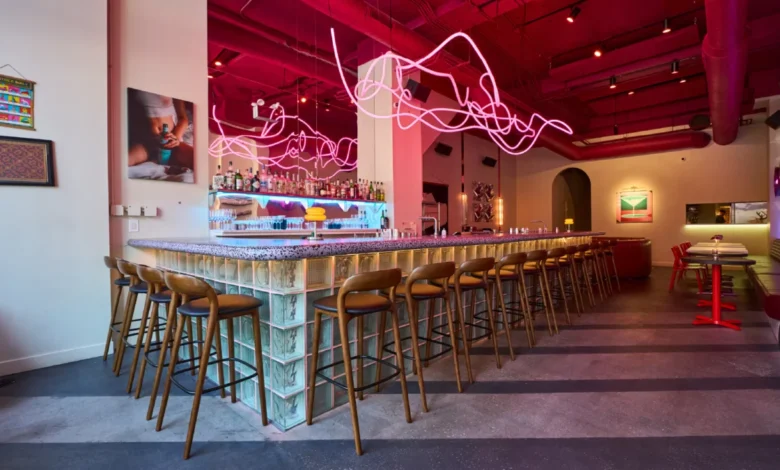
The landscape of Chicago’s vibrant nightlife and cocktail culture has a new cornerstone with the official opening of Bar Bambi, the debut solo venue from nationally celebrated mixologist Katie Renshaw. Long recognized as a defining force behind several of the city’s most prestigious beverage programs and the 2019 U.S. World Class Bartender of the Year, Renshaw has finally transitioned from leading others’ visions to realizing her own. Bar Bambi represents a synthesis of technical precision, hospitality-driven warmth, and an intentional rejection of pretension—a philosophy that has quickly resonated with local patrons and the broader American bar community alike.
The journey to Bar Bambi’s opening and Renshaw’s recent reflections on independent ownership were detailed during her appearance on an episode of the industry-focused podcast The Buildout, hosted by Adam Teeter and produced and edited by Darby Cicci. The conversation illuminated the grueling realities, creative triumphs, and strategic decisions required to build a modern cocktail destination from the ground up without corporate backing or traditional hospitality group infrastructure.
Main Facts and the Vision Behind Bar Bambi
At its core, Bar Bambi is designed to bridge a persistent gap in the contemporary cocktail landscape: the divide between high-craft establishments that demand absolute reverence from their guests and casual neighborhood bars where beverage quality is often an afterthought. Renshaw engineered Bar Bambi to operate in the sweet spot between these two extremes. The establishment takes its drinks program with the utmost seriousness, utilizing meticulous technique, premium spirits, and house-made ingredients, yet it maintains an atmosphere that is inherently welcoming, unpretentious, and fun.
The name itself nods to a playful, disarming energy, signaling to guests that while the ice is clear and the glassware is polished, the mood is meant for enjoyment rather than education. Located in a competitive Chicago market that boasts some of the country’s most decorated bars, Bar Bambi has carved out a distinct identity. It relies heavily on Renshaw’s established reputation for consistency, flavor balance, and intuitive hospitality—traits that earned her national recognition years before she ever secured a lease of her own.
Background Context and the Evolution of a Career
To understand the significance of Bar Bambi, one must examine the trajectory of Katie Renshaw’s career within the American hospitality industry. For years, Renshaw worked her way through the trenches of high-volume and high-concept bars, refining a personal style characterized by approachability and precision. Her talent reached a national crescendo in 2019 when she won the prestigious World Class competition, a grueling multi-stage test of mixology, speed, service, and cocktail theory that pits the nation’s top talent against one another.
Winning World Class propelled Renshaw into the upper echelon of American bartenders, opening doors to consulting gigs, national guest shifts, and leadership roles behind some of Chicago’s most celebrated bars. Yet, despite operating at the peak of the profession, Renshaw—like many career bartenders—faced the ultimate professional crossroads: remain a high-level employee for hire, or assume the immense financial and operational risks of independent business ownership.
For many industry veterans, the jump to ownership is delayed or abandoned entirely due to soaring commercial real estate costs, tight profit margins, rising labor expenses, and the sheer physical and mental toll of running a small business. Renshaw’s decision to finally take the leap with Bar Bambi marks a significant milestone, proving that technical mastery behind the stick can successfully translate into entrepreneurial endurance.
Chronology of the Buildout Process
The path from concept to reality is rarely linear in the hospitality industry, a theme central to the discussions featured on The Buildout. While the public typically experiences a bar only after the neon sign is lit and the first round of drinks is poured, the months preceding opening night represent an intense logistical marathon.
For Renshaw, the process involved navigating commercial real estate acquisition, architectural and interior layout planning, regulatory permitting, equipment procurement, and staffing—all executed independently. Unlike chefs or operators backed by massive private equity groups or established hospitality conglomerates, solo owner-operators often must act as general contractors, accountants, human resources directors, and creative visionaries simultaneously.
While specific operational milestones of the buildout were shaped by supply chain considerations and Chicago’s notoriously rigorous municipal licensing requirements, the overarching timeline culminated in a polished, highly personalized space. Every design choice at Bar Bambi reflects Renshaw’s professional ethos: functional enough to withstand high-volume service, yet intimate enough to foster genuine human connection across the bar top.
Supporting Data and Industry Realities
The launch of independent bars like Bar Bambi occurs against a complex economic backdrop for the American restaurant and hospitality sector. According to data from the National Restaurant Association and hospitality labor studies, independent establishments face notoriously narrow net profit margins, typically hovering between 3 percent and 5 percent. Furthermore, fluctuating costs for imported spirits, domestic produce, commercial rent, and fair-wage labor have placed unprecedented financial pressure on new operators.
Despite these hurdles, consumer demand for experiential, high-craft hospitality remains remarkably resilient. Post-pandemic dining and drinking habits indicate a consumer shift away from generic corporate nightlife toward authentic, founder-driven neighborhood venues. Patrons increasingly seek out establishments where the owner’s personal philosophy and physical presence are palpable. Renshaw’s deep-rooted credibility within the industry serves as an organic marketing engine, reducing the reliance on costly traditional advertising and driving immediate word-of-mouth traction.
Insights and Reflections from the Industry Frontlines
During her conversation on The Buildout, Renshaw candidly addressed the psychological and professional adjustments required to transition from employee to sole proprietor. While managing beverage programs for others allowed her to focus primarily on liquid creation and staff training, ownership demands a macro-level perspective that encompasses cash flow management, legal compliance, and brand stewardship.
Renshaw emphasized that the hardest part of the process was not designing the cocktail menu or managing guest relations—areas where she already possessed decades of elite experience—but rather trusting oneself through the bureaucratic and financial uncertainties of the construction and launch phase. Doing it alone meant absorbing every setback personally, but it also ensured that the final product, Bar Bambi, is an uncompromised reflection of her creative identity.
Broader Impact and Implications for Chicago’s Cocktail Scene
Chicago has long held a reputation as one of the culinary and beverage capitals of the United States, anchored by a community of bartenders who prioritize innovation and camaraderie. However, as rising operating costs threaten to homogenize urban nightlife, the emergence of independent, creator-owned spaces like Bar Bambi is vital for the city’s cultural ecosystem.
Bar Bambi demonstrates that individual talent, backed by grit and community support, can still carve out space in a competitive market dominated by well-funded hospitality groups. For aspiring bartenders and future entrepreneurs, Renshaw’s journey serves as both a masterclass in resilience and a pragmatic roadmap for independent ownership. By proving that a bar can maintain rigorous standards of hospitality without sacrificing warmth or accessibility, Bar Bambi has set a new benchmark for what a modern neighborhood cocktail bar can achieve.