Mediterranean Cottage Cheese Bowl: A Quick, Nutritious, and Flavorful Meal Embracing Ancient Dietary Principles

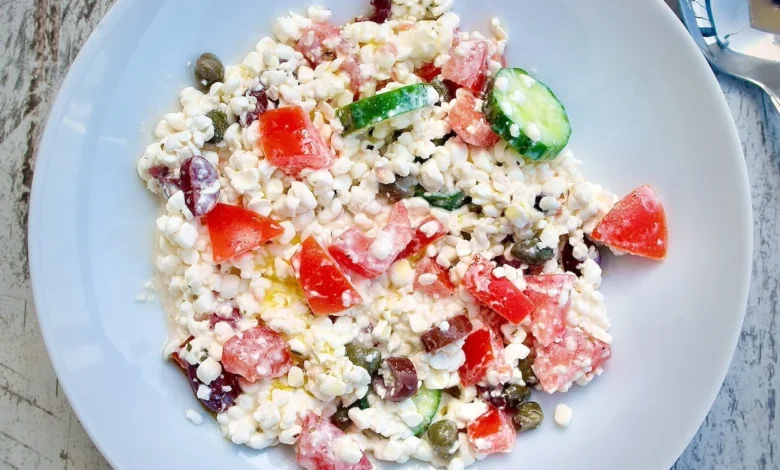
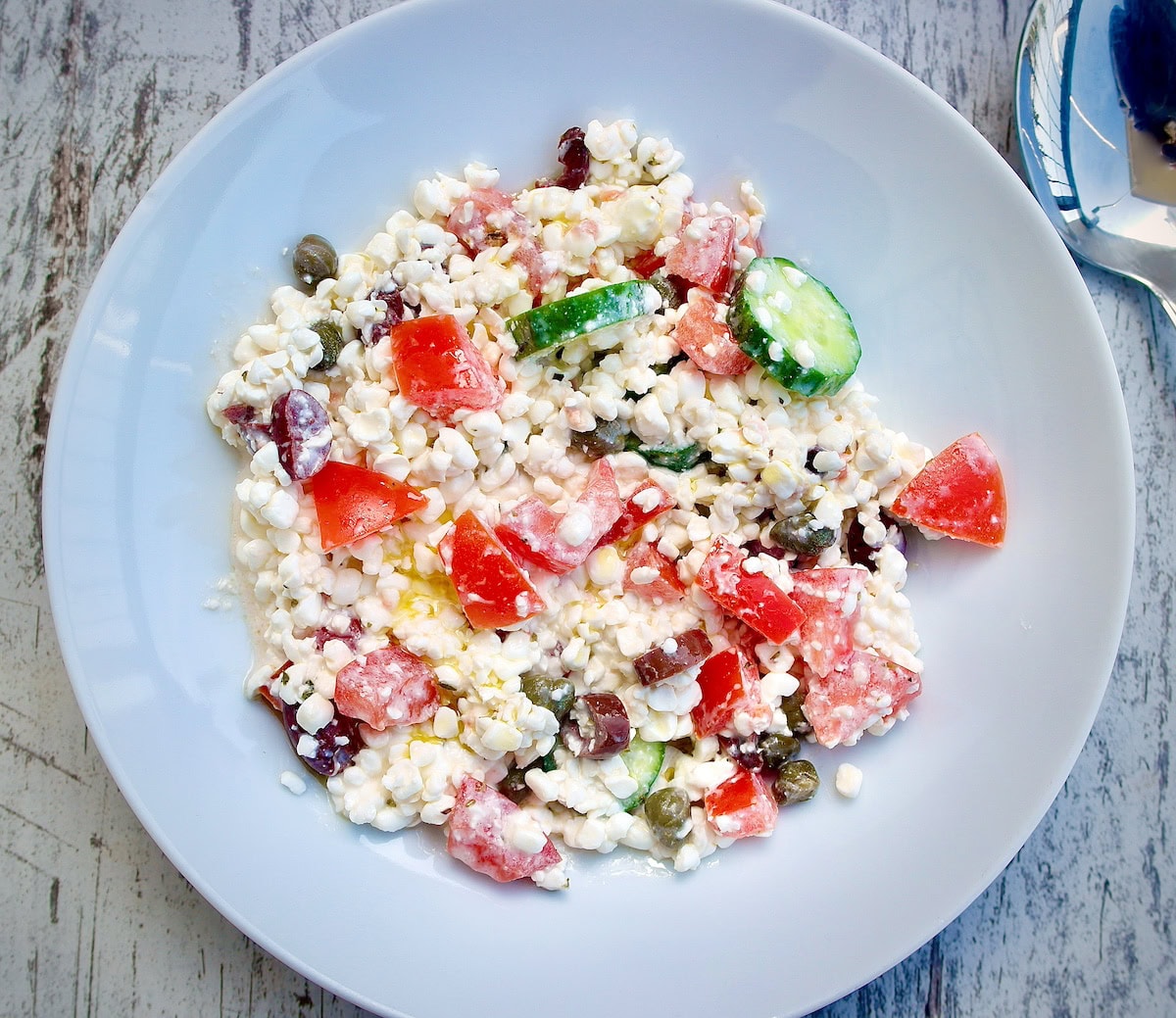
In an era increasingly focused on health-conscious eating and the resurgence of nutrient-dense foods, the Mediterranean Cottage Cheese Bowl emerges as a remarkably simple yet satisfying culinary creation. This no-cook dish, requiring a mere five minutes for preparation, expertly combines the creamy, tangy texture of cottage cheese with the vibrant freshness of Mediterranean staples like crisp cucumber, juicy tomatoes, briny olives, and savory feta. Drizzled with extra-virgin olive oil, it offers a harmonious blend of flavors and textures that are both delicious and highly beneficial for well-being.
The revival of cottage cheese as a dietary cornerstone is a testament to evolving nutritional understanding. Once relegated to the annals of 1970s and 80s diet culture, this versatile dairy product has experienced a significant comeback, particularly within the burgeoning high-protein food trend. Far from being merely a "diet food," cottage cheese is now recognized for its substantial nutritional profile. When thoughtfully paired with complementary ingredients, it transforms into a Mediterranean-approved meal that caters to modern palates and health aspirations.
The Allure of the Mediterranean Cottage Cheese Bowl: Convenience, Flavor, and Nourishment
The appeal of this Mediterranean Cottage Cheese Bowl lies in its multifaceted benefits, which can be summarized as unparalleled convenience, exceptional flavor, sustained satiety, and robust nutritional value. The cottage cheese serves as a creamy and protein-rich foundation, providing a neutral yet satisfying base that perfectly complements the bright, crisp vegetables. The inherent tanginess of the cheese is beautifully balanced by the sweetness of ripe tomatoes and the cool crunch of cucumbers.
Adding depth and complexity to the flavor profile are the briny olives, which contribute a distinct salty zest, and the crumbled feta cheese, offering its characteristic sharp and tangy notes. The final flourish, a drizzle of high-quality extra-virgin olive oil, not only ties all the ingredients together but also introduces heart-healthy monounsaturated fats and a characteristic Mediterranean aroma. The remarkable speed of preparation – a mere five minutes – makes this bowl an ideal option for busy individuals seeking a quick, wholesome meal or snack. Furthermore, the protein content ensures prolonged feelings of fullness, making it an effective tool for appetite management and sustained energy levels throughout the day.
Nutritional Powerhouse: A Dietitian’s Perspective
From a nutritional standpoint, the Mediterranean Cottage Cheese Bowl is a champion of healthy eating. Cottage cheese is inherently rich in protein, a crucial macronutrient essential for muscle repair and growth, and a key player in promoting satiety. A typical serving of cottage cheese, approximately 200 grams, can deliver around 25 grams of protein, positioning this bowl as a substantial meal or snack that effectively satisfies hunger.
Beyond protein, cottage cheese is a valuable source of essential micronutrients, including calcium, vital for bone health and strength, and vitamin B12, which plays a critical role in energy metabolism and the formation of red blood cells. The accompanying vegetables contribute a spectrum of vitamins, minerals, antioxidants, and dietary fiber. Tomatoes, for instance, are packed with lycopene, a potent antioxidant, while cucumbers offer hydration and essential vitamins like K. Kalamata olives, a staple of Mediterranean cuisine, are not only flavorful but also provide beneficial monounsaturated fats, known for their positive impact on cardiovascular health. The inclusion of extra-virgin olive oil further enhances the bowl’s lipid profile, reinforcing its status as a heart-healthy choice. With an estimated calorie count of around 300 per serving, this bowl offers a significant nutritional punch without an excessive caloric load, making it a filling and satisfying option.
Crafting the Mediterranean Masterpiece: Ingredients and Preparation
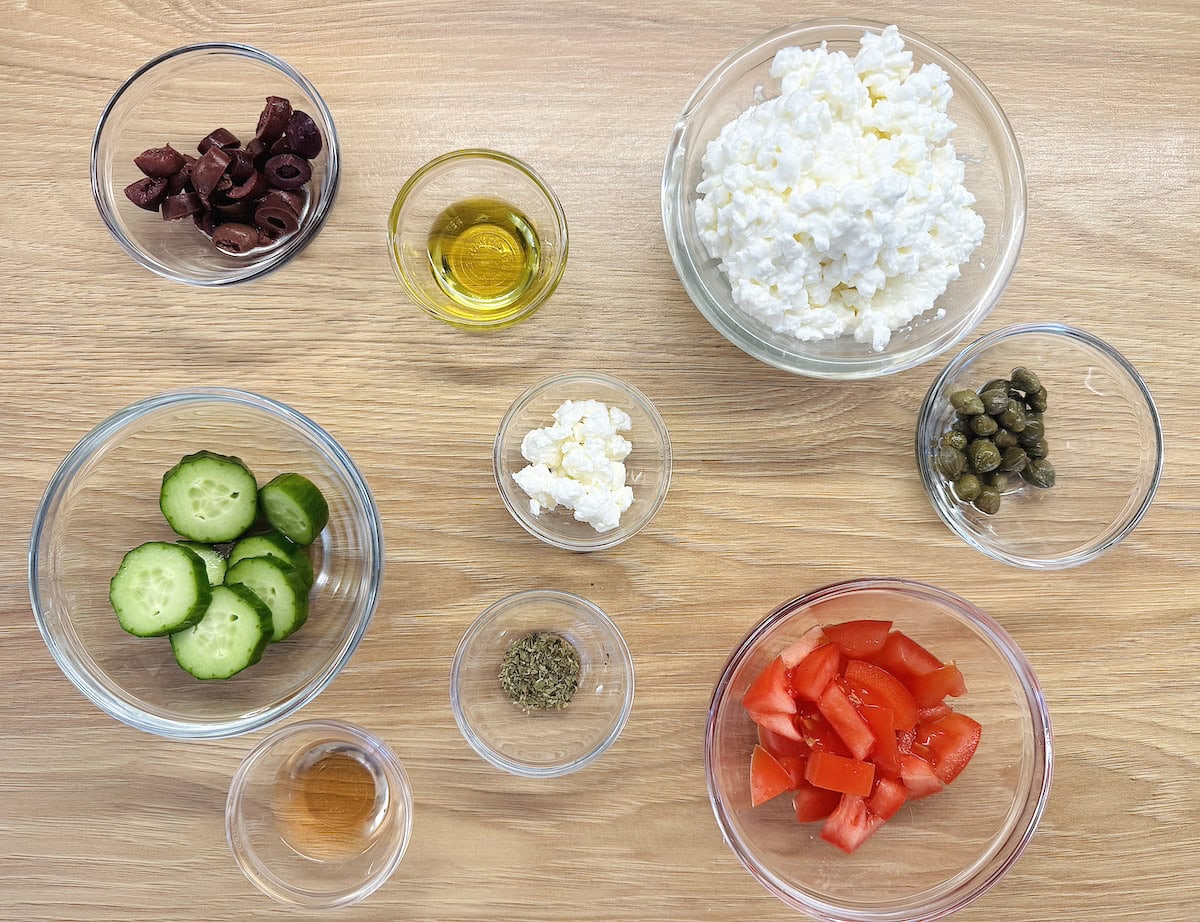
The beauty of the Mediterranean Cottage Cheese Bowl lies in its simplicity, requiring minimal ingredients and no complex cooking techniques. The core components are readily available and form the basis of a wholesome and flavorful meal.
Key Ingredients:
- Cottage Cheese: The creamy, protein-rich base of the bowl. Opt for full-fat or low-fat, depending on dietary preferences.
- Cucumber: Provides a refreshing crunch and hydration. Diced or thinly sliced.
- Tomatoes: Cherry or grape tomatoes, halved, offer a burst of juicy sweetness and antioxidants.
- Kalamata Olives: Their briny, robust flavor is characteristic of Mediterranean cuisine. Pitted and halved.
- Feta Cheese: Crumbled feta adds a salty, tangy counterpoint to the creamy cheese.
- Extra-Virgin Olive Oil: A drizzle of high-quality olive oil enhances flavor and provides healthy fats.
- Fresh Herbs (Optional): Chopped parsley, dill, or mint can add an aromatic dimension.
- Black Pepper: Freshly ground black pepper to taste.
Effortless Assembly:

The preparation is remarkably straightforward:
- Base: Spoon a generous portion of cottage cheese into a bowl.
- Toppings: Artfully arrange the diced cucumber, halved tomatoes, and Kalamata olives over the cottage cheese.
- Finishing Touches: Sprinkle crumbled feta cheese over the toppings.
- Drizzle and Season: Finish with a drizzle of extra-virgin olive oil and a grind of fresh black pepper. For an added layer of freshness, incorporate chopped fresh herbs.
Variations and Enhancements: Customizing Your Bowl
While the classic Mediterranean Cottage Cheese Bowl is a delight in itself, it also offers ample opportunity for personalization and nutritional enhancement. Experimenting with different toppings can introduce new flavors, textures, and beneficial nutrients.
Suggested Alternative Toppings:
- Bell Peppers: Diced red or yellow bell peppers for added sweetness and vitamin C.
- Red Onion: Thinly sliced red onion for a sharp, pungent kick.
- Artichoke Hearts: Marinated artichoke hearts, chopped, for a unique tang and fiber.
- Chickpeas: A small portion of chickpeas for an extra boost of plant-based protein and fiber.
- Lemon Zest: A sprinkle of lemon zest for a bright, citrusy note.
- Za’atar: A traditional Middle Eastern spice blend that adds a complex herby and savory flavor.
- Hard-Boiled Egg: Sliced or chopped for an additional protein source.
Frequently Asked Questions: Clarifying the Mediterranean Connection
The integration of cottage cheese into a Mediterranean-style diet often prompts questions, particularly given its historical association with Western dietary trends.
Is Cottage Cheese a Traditional Mediterranean Food?
While cottage cheese is not a historically indigenous cheese of the Mediterranean region, its inclusion can be compatible with a Mediterranean-style diet. The key lies in its production method and the overall balance of the meal. As cottage cheese is typically made from milk and cultures with minimal processing, it aligns with the principles of consuming natural, minimally processed foods. When paired with the cornerstone ingredients of the Mediterranean diet – such as olive oil, fresh vegetables, herbs, and legumes – cottage cheese can form the basis of a healthy and balanced Mediterranean-inspired meal. The emphasis should always be on the quality of the cottage cheese (minimal ingredients) and the company it keeps on the plate.
What is the Protein Content of a Cottage Cheese Bowl?
A typical Mediterranean Cottage Cheese Bowl, prepared with approximately 200 grams of cottage cheese, generally provides around 25 grams of protein. This substantial protein content makes it an excellent choice for individuals looking to increase their protein intake, whether for muscle building, weight management, or simply to feel more satiated.
How is Cottage Cheese Produced?
Cottage cheese is a simple dairy product created through a process of curdling milk. An acidifying agent, such as rennet or a bacterial culture, is added to milk. This causes the milk proteins (casein) to coagulate and separate from the liquid whey, forming curds. These curds are then gently cut and heated to expel more whey, resulting in the characteristic lumpy texture of cottage cheese. The resulting curds are then typically mixed with a small amount of cream or milk to achieve the desired consistency and richness.

Exploring Further: Additional No-Cook Mediterranean Recipes
For those who appreciate the ease and health benefits of no-cook Mediterranean dishes, a wealth of other options exist that can be prepared quickly and enjoyed without a stove or oven. These recipes often emphasize fresh, seasonal ingredients and vibrant flavors, embodying the spirit of Mediterranean culinary traditions.
Examples of such recipes include:
- Greek Salad: A classic combination of tomatoes, cucumbers, bell peppers, red onion, olives, and feta cheese, often dressed with olive oil and red wine vinegar.
- Caprese Salad: Featuring ripe tomatoes, fresh mozzarella, basil leaves, and a drizzle of balsamic glaze and olive oil.
- Tuna Salad with Mediterranean Flavors: Tuna mixed with chopped celery, red onion, capers, olives, and a lemon-olive oil dressing.
- Hummus and Vegetable Platter: A simple arrangement of hummus served with a variety of fresh vegetables like carrots, bell peppers, cucumbers, and cherry tomatoes.
- Gazpacho: A chilled Spanish soup made from blended raw vegetables, offering a refreshing and nutrient-rich option.
The Mediterranean Cottage Cheese Bowl stands as a prime example of how simple, wholesome ingredients can be combined to create a meal that is both incredibly easy to prepare and profoundly beneficial for health. Its resurgence in popularity underscores a growing appreciation for nutrient-dense foods that deliver on flavor, convenience, and overall well-being, all while drawing inspiration from the time-tested principles of the Mediterranean way of eating.