Light and Airy Chocolate Mousse Made with Greek Yogurt Offers a Healthier Mediterranean Twist on a Classic Dessert

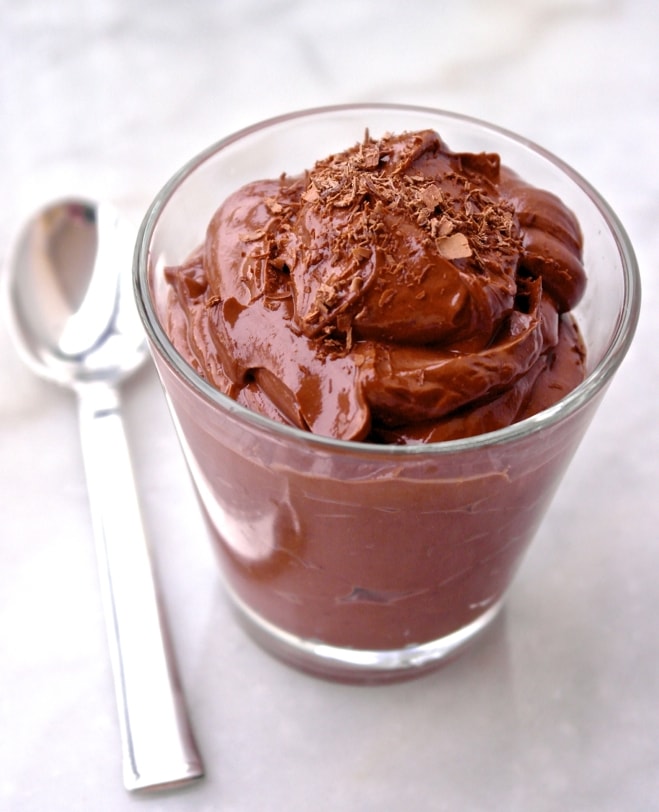
The global culinary landscape is increasingly turning toward dietary traditions that balance indulgence with nutritional integrity, and few paradigms are as universally celebrated as the Mediterranean diet. Rooted in the dietary habits of countries bordering the Mediterranean Sea, this lifestyle emphasizes whole foods, healthy fats, lean proteins, and moderation. Within this context, traditional desserts are re-examined to align with modern health guidelines without sacrificing flavor. A prime example of this culinary evolution is the innovative preparation of a three-ingredient whipped Greek yogurt chocolate mousse, developed by registered dietitian and nutrition expert Elena Paravantes. This modern Mediterranean dessert successfully replaces the heavy fats traditionally found in American-style mousses with nutrient-dense Greek yogurt, offering consumers a protein-rich, calcium-fortified alternative that maintains the rich, velvety texture expected of high-end confectionery.
Dietary Trends and the Evolution of the Mediterranean Sweet Course
For decades, modern nutrition science has studied the Mediterranean diet, consistently linking it to cardiovascular health, longevity, and metabolic balance. Traditionally, sweets in this region were consumed infrequently and relied heavily on seasonal fruits, nuts, and simple honey- or olive oil-based pastries. As global dietary habits shifted toward convenience and processed foods in the latter half of the twentieth century, dessert portions and fat contents expanded dramatically, particularly in Western markets.
In response to rising rates of diet-related chronic conditions, contemporary food science and culinary professionals have focused on functional foods—ingredients that offer health benefits beyond basic nutrition. Greek yogurt has emerged as a cornerstone of this movement. Unlike conventional yogurts, authentic Greek yogurt undergoes a straining process that removes the liquid whey, resulting in a significantly higher protein concentration, a thicker consistency, and a reduced carbohydrate and lactose profile. By integrating this dairy staple into a dessert application, recipe developers like Paravantes are bridging the gap between clinical nutritional recommendations and consumer cravings for comfort foods.
Comparative Nutritional Analysis: Greek Yogurt Versus Traditional Bases
To understand the physiological and culinary impact of this recipe, it is essential to compare it structurally with traditional dessert formats. Classic American-style chocolate mousses rely fundamentally on whipped heavy cream to achieve their structural volume and mouthfeel. While heavy cream delivers the necessary fat globules to trap air and create a fluffy consistency, it also introduces substantial amounts of saturated fats and high caloric density, often exceeding 400 to 500 calories per standard serving while offering negligible protein or calcium.
Conversely, French-style mousses traditionally utilize whipped egg whites folded into melted chocolate, sometimes enriched with butter or raw egg yolks. While this method yields an exceptionally delicate and airy texture, it requires advanced culinary techniques, precise temperature control, and carries potential microbiological risks associated with raw eggs. Furthermore, neither traditional American nor classic French preparations contribute significantly to daily micronutrient requirements such as calcium.
The Greek yogurt chocolate mousse bridges these gaps. By utilizing authentic strained yogurt combined with a minimal quantity of milk and dark chocolate, the preparation achieves a stable, creamy emulsion without the reliance on heavy saturated fats. From a macronutrient perspective, each serving delivers an elevated protein profile, which promotes satiety by stimulating the release of peptide YY and cholecystokinin, hormones that signal fullness to the brain. Additionally, the inclusion of dairy provides bioavailable calcium essential for bone density and neuromuscular function, while dark chocolate contributes flavonoids—potent antioxidants known for their role in reducing oxidative stress and supporting endothelial health.
Culinary Mechanics: How the Three-Ingredient Formulation Works
Achieving a stable mousse structure without gelatin, raw eggs, or heavy cream requires a precise understanding of food chemistry and thermal dynamics. The formulation relies entirely on three foundational components: high-quality dark chocolate, liquid milk, and thick Greek yogurt.
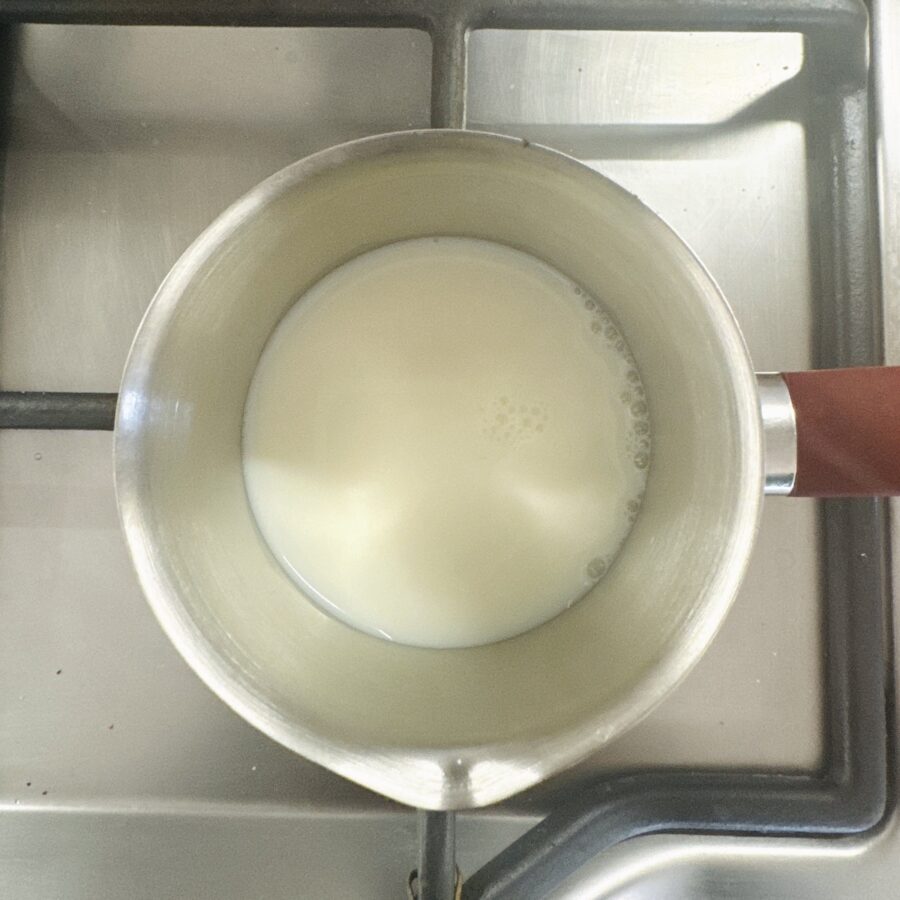
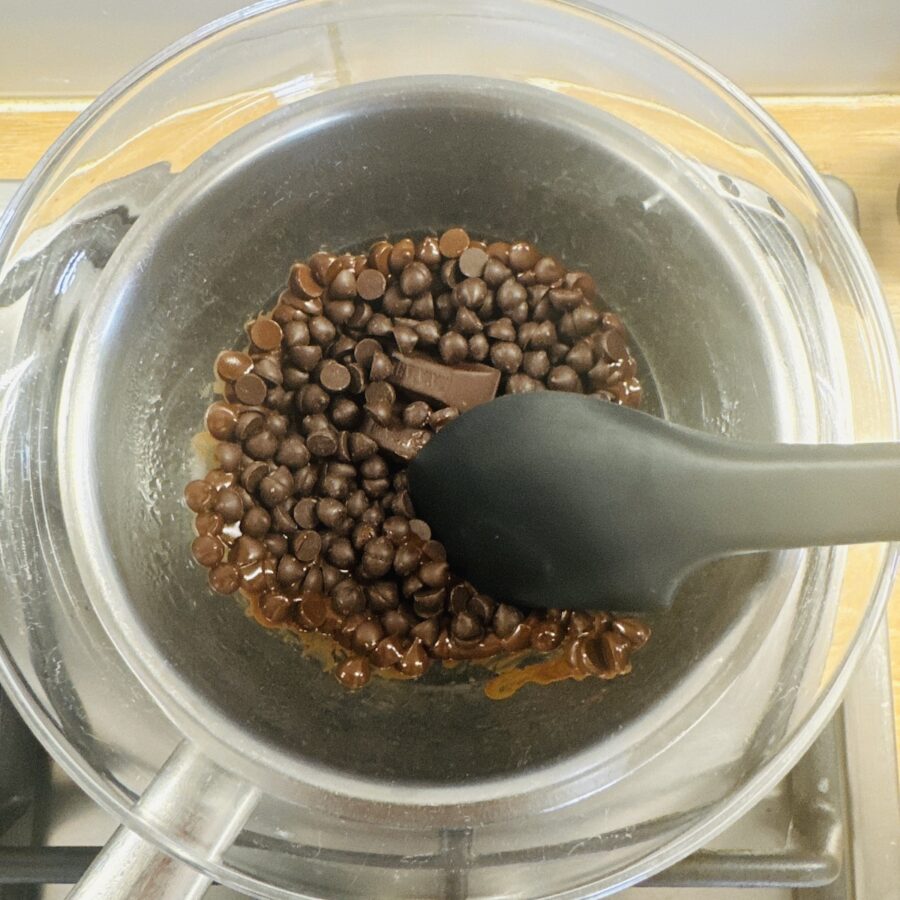
The process begins with the gentle heating of milk, which serves as a thermal intermediary. Chocolate contains cocoa butter, a complex lipid that melts smoothly between 34°C and 38°C (93°F to 100°F). When warm milk is introduced to finely chopped or melted dark chocolate, the fats emulsify smoothly, preventing the seizing that often occurs when moisture is introduced too rapidly to solid chocolate.
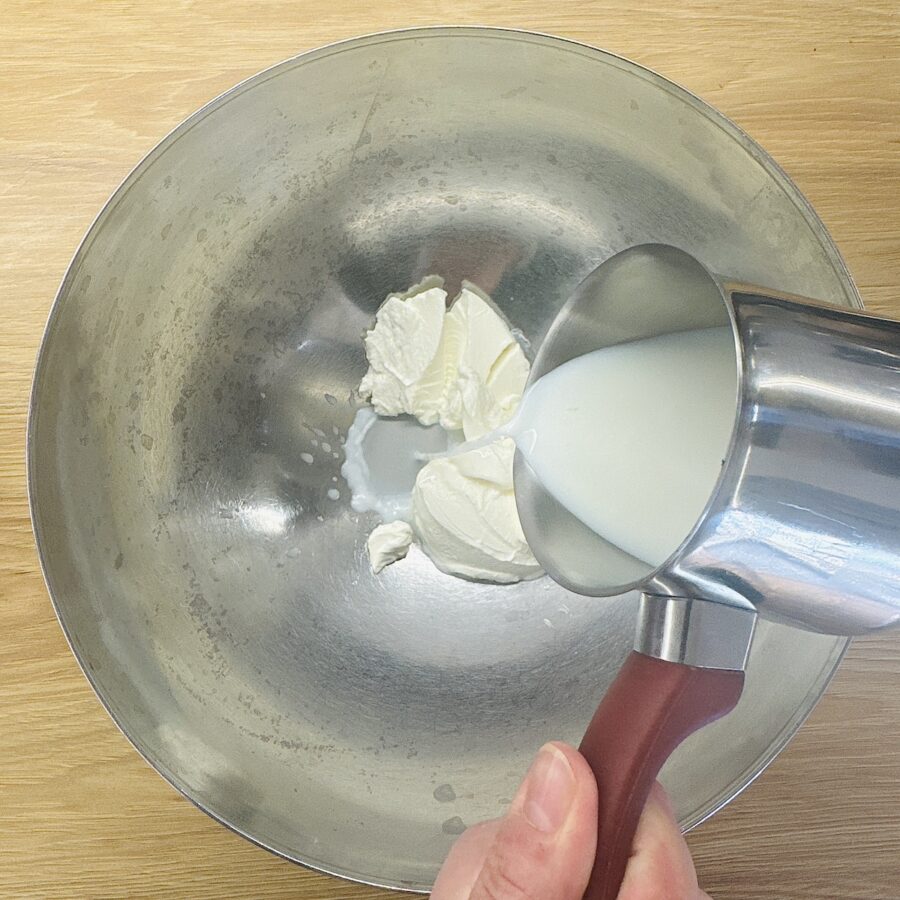
Crucially, the temperature of the milk and chocolate mixture must be carefully managed before it is combined with the Greek yogurt. Introducing hot liquids directly to high-protein dairy can cause the proteins to denature rapidly and curdle, destroying the smooth texture. By warming the milk moderately and blending it first with the yogurt to create a frothy, aerated base, the cook incorporates microscopic air pockets. When the tempered chocolate is subsequently folded into this mixture, the cocoa solids and fats coat the air-suspended dairy proteins, stabilizing the foam. As the dessert undergoes a brief 30-minute chilling period in a refrigerator, the cocoa butter firms up, solidifying the emulsion and resulting in a thick, spoonable, and airy mousse.
Step-by-Step Preparation Protocol
For culinary professionals and home cooks seeking to replicate this dish, adherence to specific procedural steps ensures optimal results:
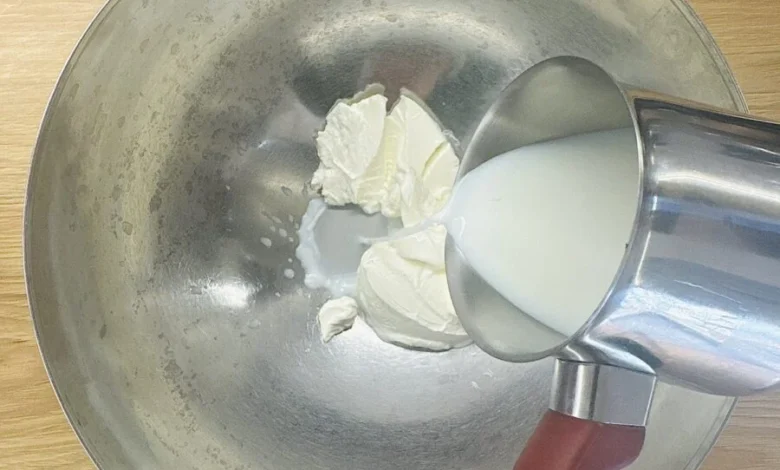
- Preparation of the Dairy Base: Measure standard full-fat or low-fat authentic Greek yogurt into a mixing bowl. Heat a small volume of milk on a stovetop or in a microwave until warm to the touch (approximately 1-2 minutes), ensuring it does not reach a rolling boil.
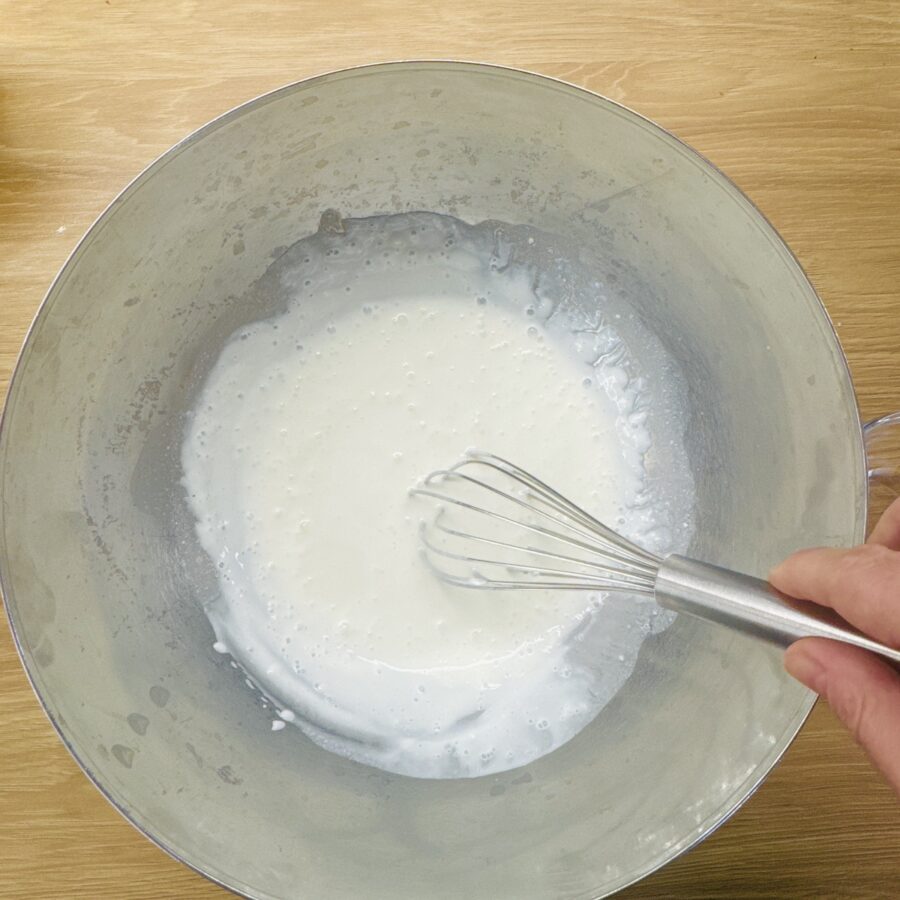
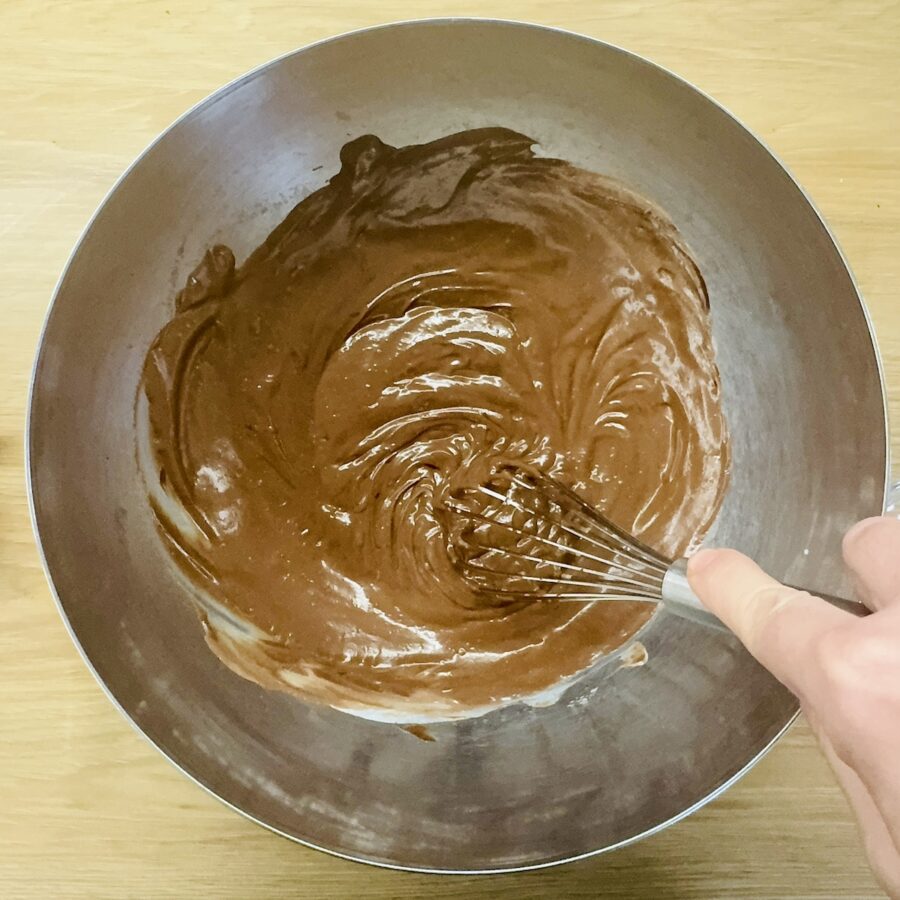
- Aeration: Combine the warm milk with the Greek yogurt, utilizing a whisk or handheld electric mixer to beat the mixture vigorously until a light, frothy consistency is achieved. This step introduces the initial volume necessary for the mousse texture.
- Chocolate Tempering: Melt high-percentage dark chocolate (typically 70% cacao or higher for optimal antioxidant content and reduced sugar) using a double boiler or a controlled microwave method, taking precautions not to overheat or scorch the cocoa solids.
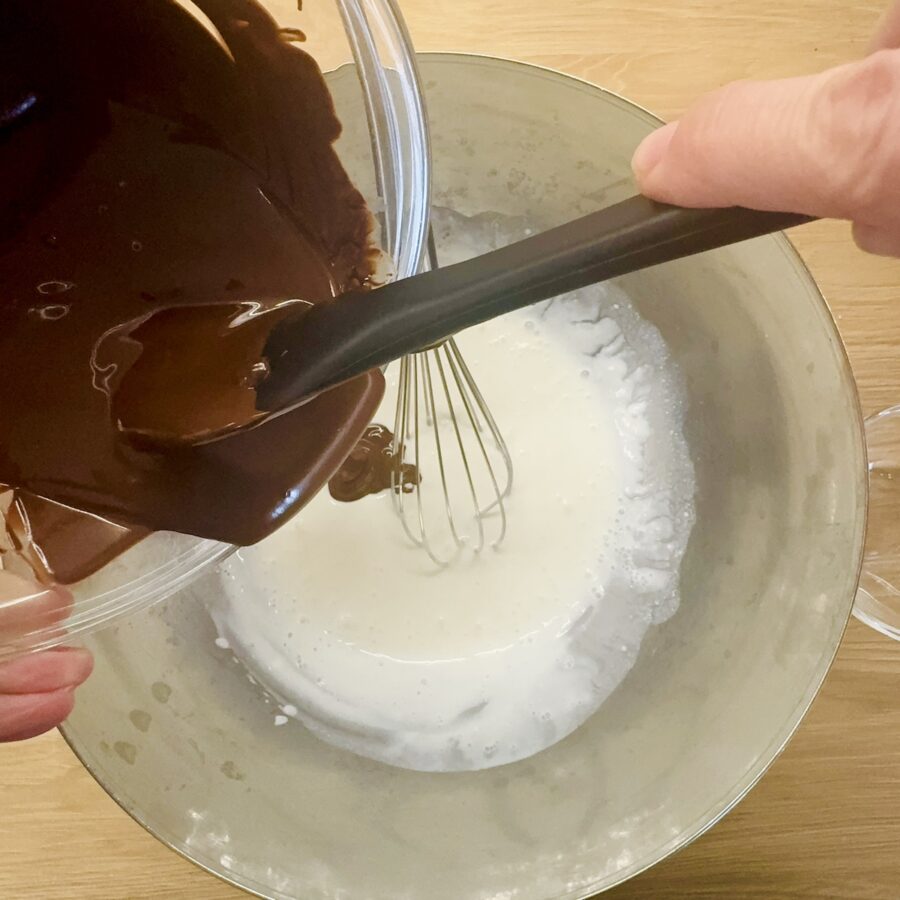
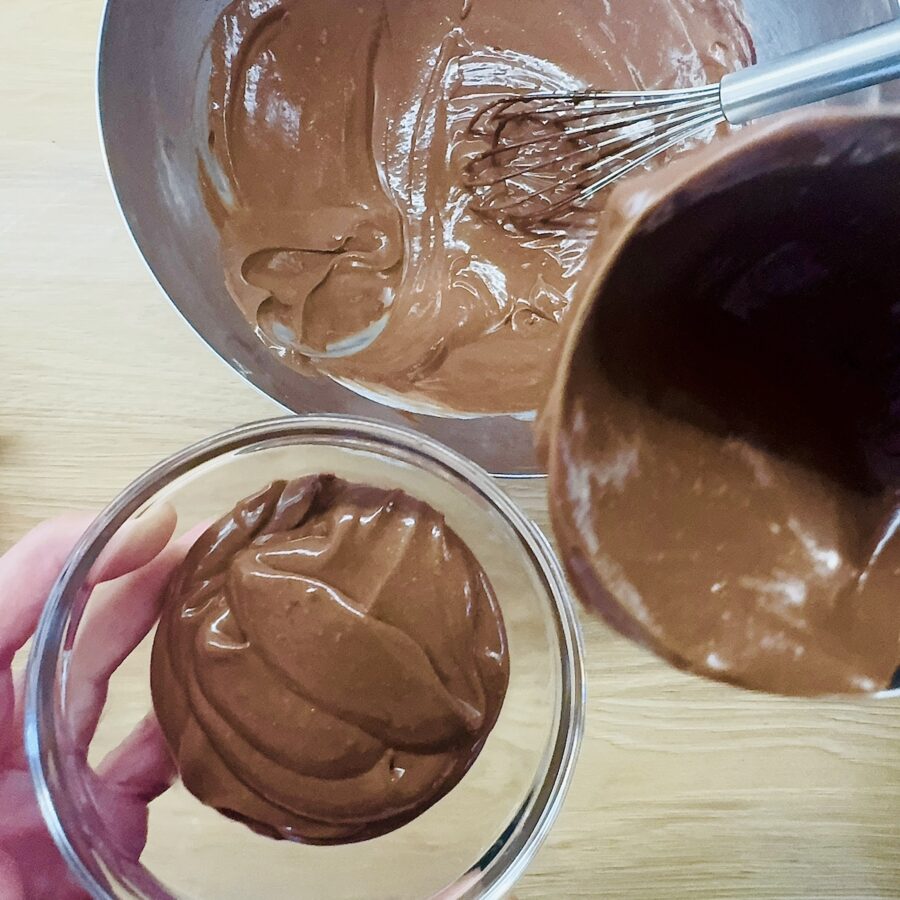
- Emulsification: Gradually drizzle the melted chocolate into the frothy yogurt-milk mixture while continuously blending at a rapid pace. The goal is a uniform, homogeneous color and smooth texture without visible separation.
- Portioning and Setting: Divide the dense, creamy mixture into individual serving glasses or ramekins. Place the vessels into a refrigeration unit for a minimum of 30 minutes to allow the lipids to set and the flavors to meld.
Expert Insights from Registered Dietitians
Nutrition authorities have increasingly endorsed the philosophy of inclusion rather than strict restriction when counseling patients on weight management and metabolic health. Elena Paravantes, drawing upon two decades of clinical and consultative experience across the United States and Greece, emphasizes that sustainable eating patterns must accommodate pleasure and culinary satisfaction.
"In the traditional Mediterranean diet, sweets are not forbidden; rather, they are integrated thoughtfully into daily life, crafted from wholesome, recognizable ingredients," notes Paravantes. "When we redesign a classic favorite like chocolate mousse by swapping heavy cream for protein-dense Greek yogurt, we eliminate the heavy, sluggish aftermath often associated with rich desserts. Consumers can enjoy a deeply satisfying, antioxidant-rich treat that actively contributes to their nutritional goals—providing protein and calcium—without compromising on flavor or texture."
Public Health Implications and the Future of Functional Desserts
The commercial and domestic pivot toward functional, nutrient-dense desserts reflects broader shifts in consumer demand. As global public health organizations continue to campaign against excessive sugar consumption and the health burdens of trans and saturated fats, food manufacturers and culinary creators are challenged to innovate.
The success of recipes utilizing strained yogurt points to a broader trend within the food industry: the hybridization of comfort foods and health foods. By capitalizing on the natural functional properties of Mediterranean staples, culinary developers can produce items that appeal simultaneously to fitness enthusiasts, individuals managing metabolic conditions, and general consumers seeking cleaner ingredient labels.
Furthermore, the simplicity of the formulation—requiring no specialized commercial stabilizers, emulsifiers, or complex chemical additives—underscores a return to artisanal, kitchen-based food preparation. This transparency resonates strongly with modern demographics who prioritize ingredient provenance and nutritional clarity.
Adaptability and Seasonal Variations
Beyond its nutritional profile, the whipped Greek yogurt chocolate mousse offers significant versatility in professional and home kitchens. Because the base profile provides a balanced canvas of tanginess from the yogurt and deep bitterness from the dark chocolate, it easily accommodates seasonal additions.
During warmer months, culinary artists frequently augment the base with fresh summer berries—such as raspberries, strawberries, or blackberries—which introduce complementary acidity and additional dietary fiber. In autumn and winter, spice infusions such as cinnamon, cardamom, or a drop of vanilla extract can deepen the aromatic profile. For textural contrast, toasted chopped walnuts, almonds, or pistachios can be layered into the serving glasses, tying the dessert back to classic Mediterranean agricultural yields.
Conclusion
The whipped Greek yogurt chocolate mousse stands as a testament to the viability of modern nutritional adaptation. By merging the culinary heritage of the Mediterranean with contemporary insights into food chemistry and macronutrient balance, this three-ingredient preparation successfully redefines what a dessert can be. It proves that indulgence and health are not mutually exclusive, offering a scalable, nutrient-dense alternative to traditional fat-laden sweets that satisfies both the palate and the physiological needs of the human body.