The Great Book of Chocolate Revised: A Culinary Collaboration in the Heart of Paris


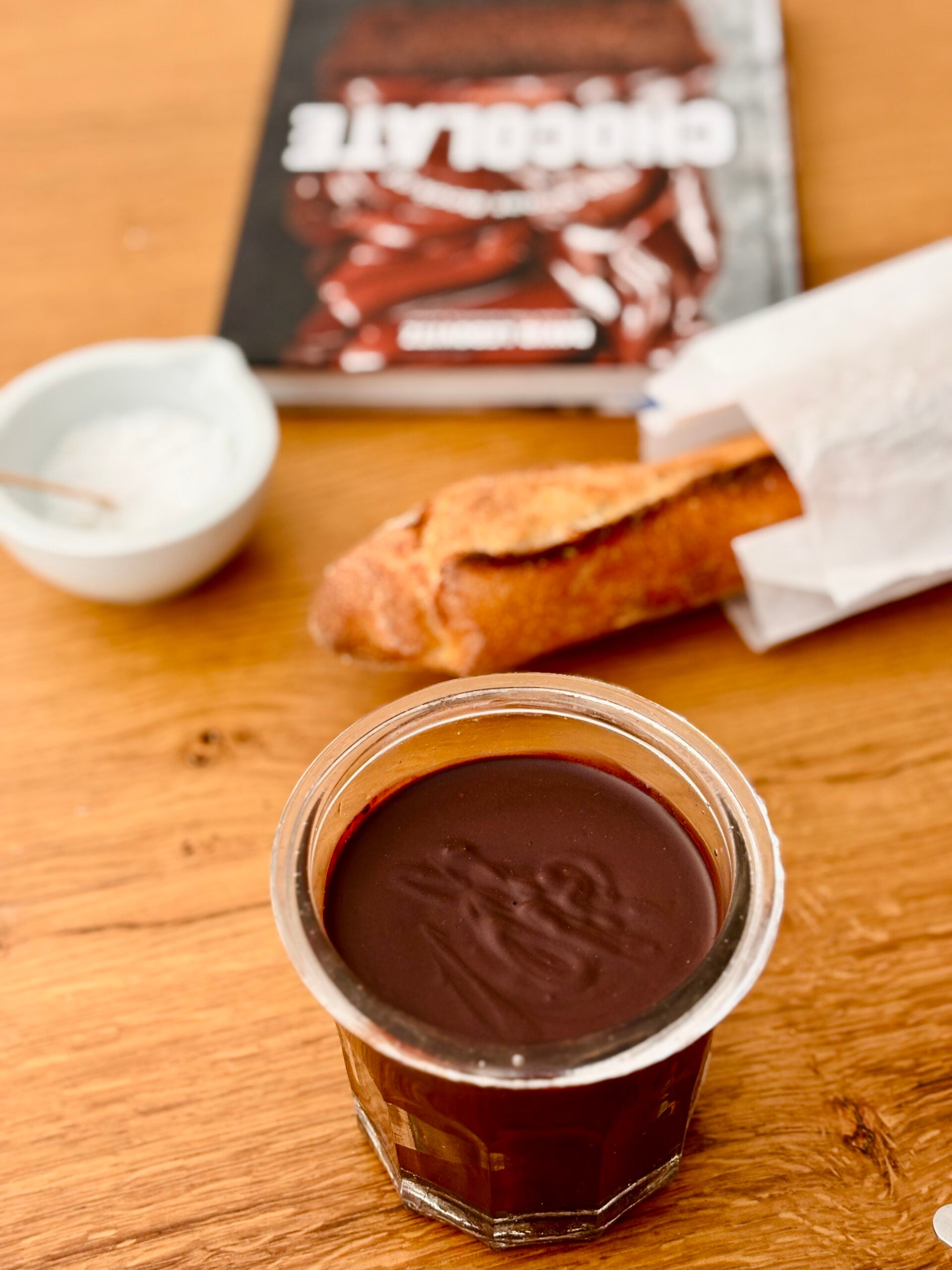
The recent meeting between acclaimed culinary figures David Lebovitz and Deb Perelman of Smitten Kitchen in a Parisian kitchen marks a significant moment for contemporary baking literature. The collaboration centered on the preparation of a signature recipe—the Chocolate-Olive Oil Spread—featured in the newly released revised edition of David Lebovitz’s seminal work, The Great Book of Chocolate. This intersection of professional expertise serves as a practical demonstration of the versatility inherent in the updated collection, which aims to bridge the gap between traditional French patisserie techniques and modern home-cooking accessibility.
Background and Context of the Publication
David Lebovitz, a former pastry chef at Chez Panisse who transitioned into full-time food writing and recipe development in Paris, has maintained a long-standing reputation for demystifying complex dessert techniques. The Great Book of Chocolate was originally conceived as a comprehensive guide for both amateur enthusiasts and professional bakers, focusing on the science, history, and application of chocolate in various culinary forms.
The decision to publish a revised edition comes at a time when the global chocolate market is experiencing significant shifts. According to industry reports from the International Cocoa Organization, the global demand for high-quality, artisanal, and sustainable chocolate has surged by approximately 4% annually over the last decade. As consumers become more educated regarding cacao sourcing and fat content, the demand for cookbooks that treat chocolate as a nuanced ingredient—rather than a mere commodity—has grown. Lebovitz’s revision addresses this by updating techniques and providing more than 50 distinct recipes, ranging from savory applications like chili with chocolate to classic confections like truffles and cakes.
The Parisian Kitchen Collaboration: A Chronology
The event in Paris, while informal in its execution, was the culmination of months of coordination between two of the most influential voices in the digital food space.
- Phase 1: Conceptualization: Lebovitz began the revision process for the manuscript in late 2023, aiming to integrate contemporary ingredients and refined methods that have emerged in the twenty years since the book’s initial debut.
- Phase 2: Strategic Engagement: Recognizing the influence of Smitten Kitchen’s Deb Perelman in the home-baking sector, a collaborative session was scheduled to highlight the accessibility of the text.
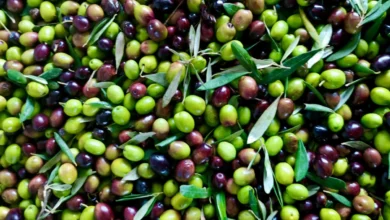
- Phase 3: The Parisian Session: During the recording and preparation session in Paris, the duo focused on the Chocolate-Olive Oil Spread. The recipe was selected for its unique profile, which utilizes the fruity notes of high-quality olive oil to elevate the bitterness of dark chocolate, a hallmark of European flavor profiling.
- Phase 4: Digital Distribution: Following the hands-on session, the recipe was disseminated through Lebovitz’s newsletter, providing a digital companion to the physical book launch.
Technical Analysis of the Recipe
The Chocolate-Olive Oil Spread exemplifies the "minimalist-yet-complex" trend in modern pastry. By substituting traditional dairy fats like heavy cream or butter with olive oil, the recipe achieves a different emulsion structure and a distinct mouthfeel.
From a technical standpoint, the integration of olive oil—a lipid that remains liquid at room temperature—into a chocolate base requires precise emulsification to prevent the fat from separating. The recipe serves as an educational tool for home bakers to learn about the stability of ganache-style spreads. This, among other recipes in the book, reflects a broader shift in the culinary industry toward using plant-based fats to provide depth and complexity to chocolate, rather than relying solely on the high sugar and dairy content found in commercial spreads.
Broader Impact on the Cookbook Market
The release of the revised edition of The Great Book of Chocolate arrives at a critical juncture for the publishing industry. Cookbook sales have seen a resurgence as audiences move away from algorithmic social media content toward curated, tested, and reliable print media.
Industry analysts at the Association of American Publishers have noted that "backlist" titles—books that have been previously published but are updated for modern readers—are currently outperforming many new releases. By revisiting his own foundational work, Lebovitz is capitalizing on brand loyalty while simultaneously catering to a new generation of bakers who prioritize clarity and ingredient sourcing.
Furthermore, the involvement of prominent food bloggers like Perelman signifies a shift in how cookbooks are marketed. Traditional book tours are increasingly being supplemented, or in some cases replaced, by collaborative content creation that takes place in real-time, offering readers a visual and experiential "proof of concept" before they commit to a purchase.

Comprehensive Recipe Scope
The Great Book of Chocolate is structured to guide the reader through various levels of difficulty, starting with foundational knowledge and moving into experimental territory. Key recipes included in the volume are:
- Chocolate Mug Cakes: A nod to the fast-paced, small-batch baking movement that gained traction in the mid-2010s.
- Blue Chip Chocolate Chip Cookies: A recipe that has received critical acclaim for its balance of texture and flavor depth, often cited as a benchmark for home-baked cookies.
- Individual Warm Chocolate Cakes: A classic staple that emphasizes the importance of temperature control in chocolate preparation.
- Homemade Rocky Road: An exploration of texture-based confectionery, highlighting the interplay between marshmallow, nuts, and chocolate.
- Chili with Chocolate: A savory application that explores the historical use of cacao in Mesoamerican cooking, demonstrating that chocolate’s utility extends far beyond dessert.
Distribution and Availability
The revised edition is currently being distributed through a vast network of independent and major retail channels. The strategy behind the distribution is notable for its emphasis on specialized culinary bookstores, such as Kitchen Arts & Letters and Book Larder, which cater to a niche audience of serious home cooks and professionals.
By diversifying the availability—ranging from global platforms like Amazon and Indigo to localized retailers in Paris and the United States—the publisher has ensured that the book remains accessible across various market segments. This multi-channel approach is essential for maintaining the momentum of a print release in an increasingly digitized marketplace.
Conclusion and Future Implications
The collaboration between David Lebovitz and Deb Perelman serves as more than just a promotional tactic; it highlights the enduring relevance of well-documented culinary science. As the market for chocolate products continues to expand and diversify, the value of a text that provides both historical context and actionable, high-quality recipes cannot be overstated.
The Great Book of Chocolate stands as a testament to the fact that while trends in food may fluctuate, the fundamental principles of baking—when paired with high-quality ingredients and sound technique—remain timeless. The success of this revised edition will likely set a precedent for other established food writers to revisit and refine their classic works, ensuring that essential culinary knowledge remains preserved and accessible for future generations of bakers. As the industry moves forward, the integration of digital community-building with traditional publishing formats will likely remain the gold standard for successful cookbook launches.