Beyond Olive Oil: Why Whole Table Olives Deserve a Central Role in Modern Nutrition Science

For generations, the global conversation surrounding the renowned Mediterranean diet has focused heavily on liquid gold: extra virgin olive oil. However, nutrition scientists and clinical dietitians are increasingly turning their attention to the whole fruit itself. Cultivated for more than 6,000 years across the Mediterranean basin, the table olive is rapidly earning recognition not merely as a culinary condiment or a convenient source of dietary fat, but as a dense, complex functional food loaded with disease-fighting phytochemicals, heart-healthy monounsaturated fats, and—when traditionally prepared—valuable probiotics.
Drawing from a blend of traditional agricultural heritage and modern clinical research, nutrition experts emphasize that understanding the biochemical differences between table olive varieties and processing techniques is essential for maximizing their profound health benefits.
Historical Roots and Botanical Classification
The history of the cultivated olive tree (Olea europaea) stretches back at least six millennia, originating in the eastern Mediterranean before spreading across Southern Europe, North Africa, and eventually to the Americas. Throughout history, these resilient evergreen trees served as an economic and nutritional cornerstone for civilizations spanning ancient Greece, Phoenicia, Rome, and beyond.
Botanically speaking, the olive is not a vegetable, a nut, or a simple oil reservoir; it is a drupe, or stone fruit. Because olives belong to the fruit family, they naturally harbor a complex profile of bioactive compounds typically associated with plant-based produce. Modern chromatographic and spectroscopic analyses have identified more than 30 distinct phytochemicals with significant biological activity within the fruit, and researchers continue to isolate new compounds.
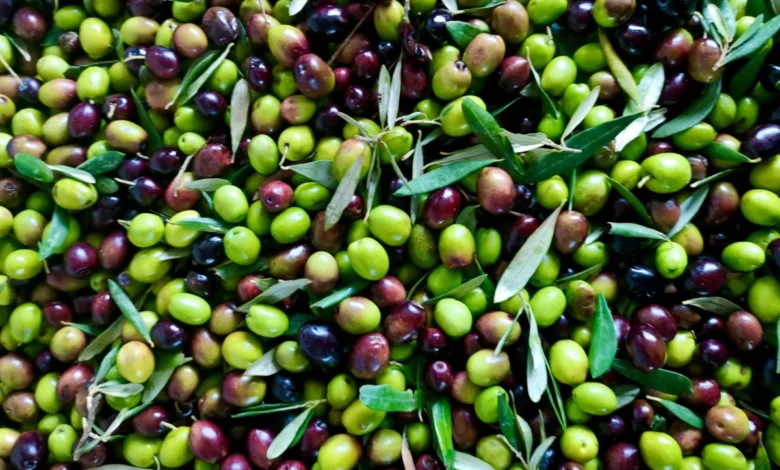
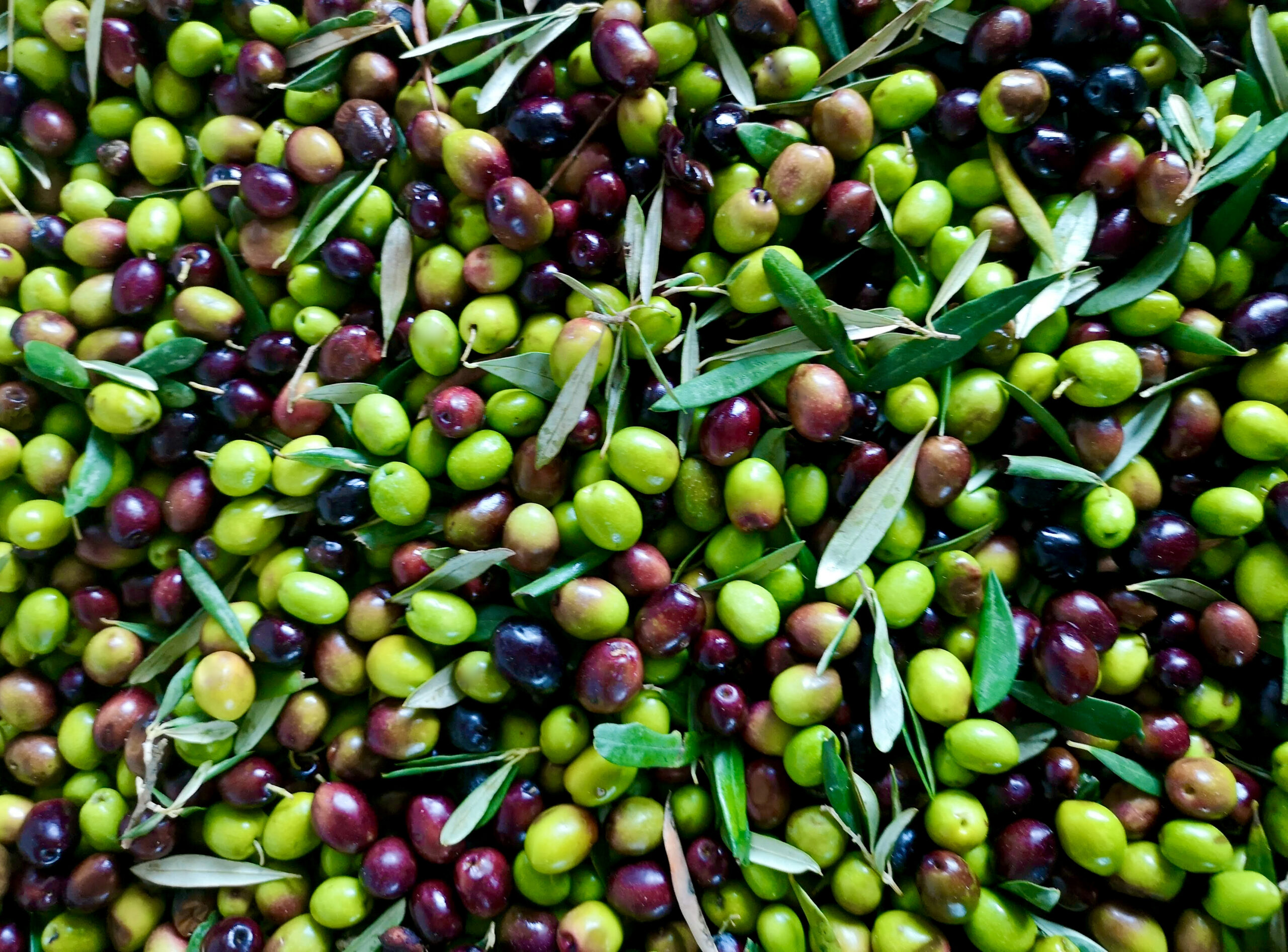
Globally, hundreds of distinct cultivars thrive across diverse microclimates. Among the most commercially and culturally prominent varieties are the deeply savory Kalamata and wrinkled Throuba varieties from Greece, the buttery Castelvetrano from Sicily, the tart Niçoise from France, and the versatile Manzanilla from Spain. Contrary to popular assumptions, olive color is not determined by a separate botanical species, but rather by the stage of ripeness at harvest. All olives begin their life cycle as green fruit, transitioning through shades of yellow, pink, and purple before reaching full maturity as a deep, rich black.
The Critical Role of Processing Methods
A vital educational hurdle for consumers is understanding that raw, freshly harvested olives plucked straight from the branch are entirely unpalatable. They contain exceptionally high concentrations of oleuropein, a bitter secoiridoid glycoside that acts as a natural defense mechanism for the plant, rendering the raw fruit overwhelmingly astringent. Consequently, every table olive consumed globally must undergo a curing process to neutralize this bitterness before it reaches the dinner table.
However, the specific curing methodology employed fundamentally dictates the final nutritional profile of the product. Nutrition science demonstrates a stark contrast between traditional, slow-fermentation techniques and rapid industrial processing.
-
Traditional Brine-Cured, Naturally Fermented Olives:
Practiced for generations in regions like the Peloponnese in Greece, traditional methods involve soaking raw olives in a saltwater brine for weeks or months. This slow process allows indigenous lactic acid bacteria to proliferate naturally. As a result, these olives retain exceptionally high concentrations of key polyphenols—such as oleuropein, oleocanthal, and hydroxytyrosol—while simultaneously developing live probiotic cultures that directly benefit the human gastrointestinal microbiome.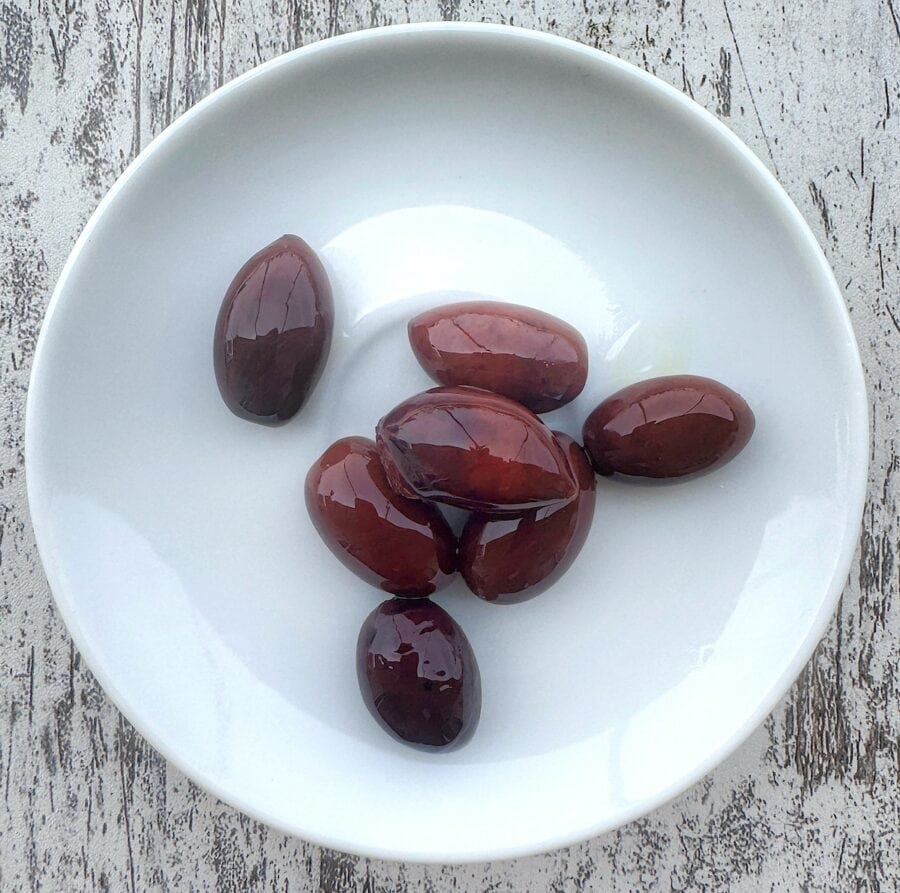
-
Lye-Treated and Industrially Oxidized Olives:
Commercial operations frequently utilize sodium hydroxide (lye) to accelerate the debittering process, reducing production timelines from months to mere days. This chemical shortcut strips away a substantial percentage of the fruit’s heat-sensitive polyphenols. A prominent example of intensive processing is the California-style black olive. These fruits undergo an aggressive lye treatment, followed by forced oxidation through bubbling compressed air to artificially darken the flesh, and subsequent high-temperature thermal sterilization. The resulting product is characterized by a uniform dark pigmentation, a remarkably mild flavor profile, and a soft texture, but it suffers from a drastically diminished polyphenol content and a total absence of viable probiotics.
Public health nutritionists advise consumers to seek out naturally fermented, brine-cured varieties—frequently labeled as Greek, Italian, or French traditional styles—to capture the full spectrum of therapeutic compounds the fruit has to offer.
Comprehensive Nutritional Profile and Biochemical Defense
A standard serving of approximately 10 medium olives (roughly 40 grams) delivers between 50 and 75 calories. The macronutrient breakdown is heavily dominated by monounsaturated fatty acids—predominantly oleic acid—alongside minimal carbohydrate content, trace plant-based proteins, and dietary fiber. Furthermore, the fruit provides valuable micronutrients, including vitamin E and trace amounts of calcium, iron, and magnesium.
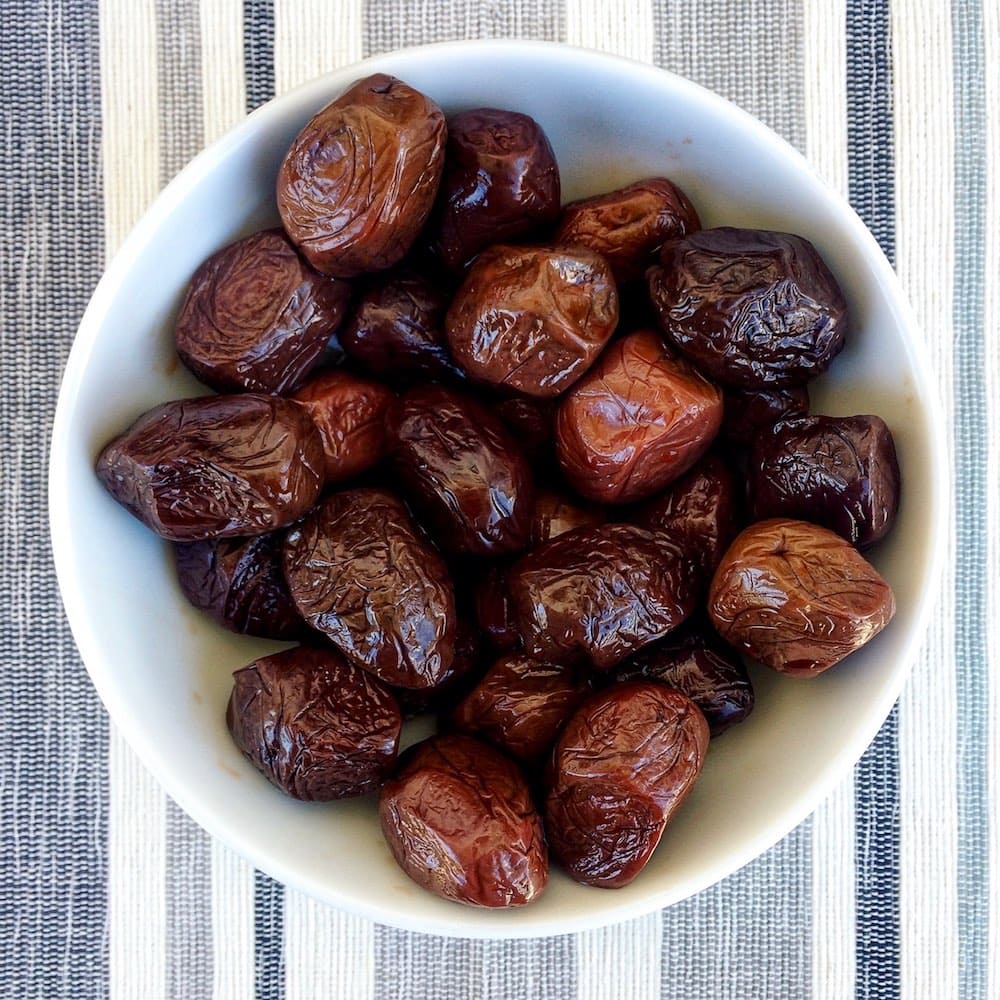
The true clinical value of the table olive, however, lies in its micro-constituents:
- Oleuropein: Responsible for the raw fruit’s initial bitterness, this potent secoiridoid exhibits robust anti-inflammatory and antioxidant activities. Clinical and in vitro studies associate oleuropein with cardiovascular protection and potential cancer-suppressive pathways.
- Oleocanthal: This distinctive phenolic compound exhibits a biological mechanism remarkably similar to non-steroidal anti-inflammatory drugs (NSAIDs) like ibuprofen, actively suppressing inflammatory enzymes and reducing systemic pain pathways.
- Hydroxytyrosol: Widely regarded as one of the most powerful dietary antioxidants discovered in nature, hydroxytyrosol scavenges free radicals aggressively, protecting cellular membranes from oxidative damage linked to accelerated biological aging and chronic pathology.
Clinical Implications and Health Benefits
The accumulation of epidemiological and clinical trial data underscores several profound physiological impacts linked to regular, moderate consumption of whole olives:
- Cardiovascular Support: The high concentration of monounsaturated fats actively assists in lipid regulation by helping to lower low-density lipoprotein (LDL) cholesterol while preserving or increasing high-density lipoprotein (HDL) cholesterol. Concurrently, olive polyphenols protect vascular endothelium, reduce arterial stiffness, and support healthy blood pressure parameters.
- Systemic Anti-Inflammatory Action: Chronic, low-grade systemic inflammation is recognized as a primary driver behind a host of modern pathologies, including type 2 diabetes, metabolic syndrome, autoimmune disorders, and cardiovascular disease. The polyphenolic load in naturally cured olives helps down-regulate pro-inflammatory cytokines and mitigate oxidative stress at the cellular level.
- Neuroprotection and Cognitive Health: Emerging neurological research suggests that the antioxidant defense provided by hydroxytyrosol and oleuropein can cross the blood-brain barrier. This neuroprotective action safeguards neurons from oxidative stress-induced apoptosis, potentially lowering the incidence and progression rates of neurodegenerative conditions such as Alzheimer’s disease and age-related cognitive decline.
- Metabolic and Blood Sugar Regulation: Bioactive components within the olive matrix have demonstrated an ability to enhance peripheral insulin sensitivity. By optimizing glucose uptake and stabilizing postprandial glycemic responses, regular integration of olives supports overall metabolic health and mitigates the risk of developing insulin resistance.
- Gastrointestinal and Microbiome Vitality: Beyond the well-documented benefits of dietary fiber, traditionally fermented table olives serve as an effective vehicle for probiotic bacteria. These live microorganisms reinforce the intestinal epithelial barrier, inhibit pathogenic colonization, and foster a diverse, resilient gut microbiome—a system increasingly recognized as central to overall human immunity and mental well-being.
Dietary Integration and Public Health Outlook
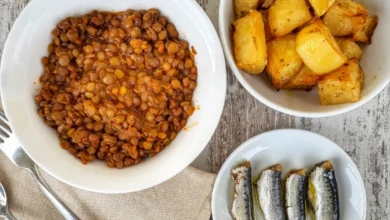
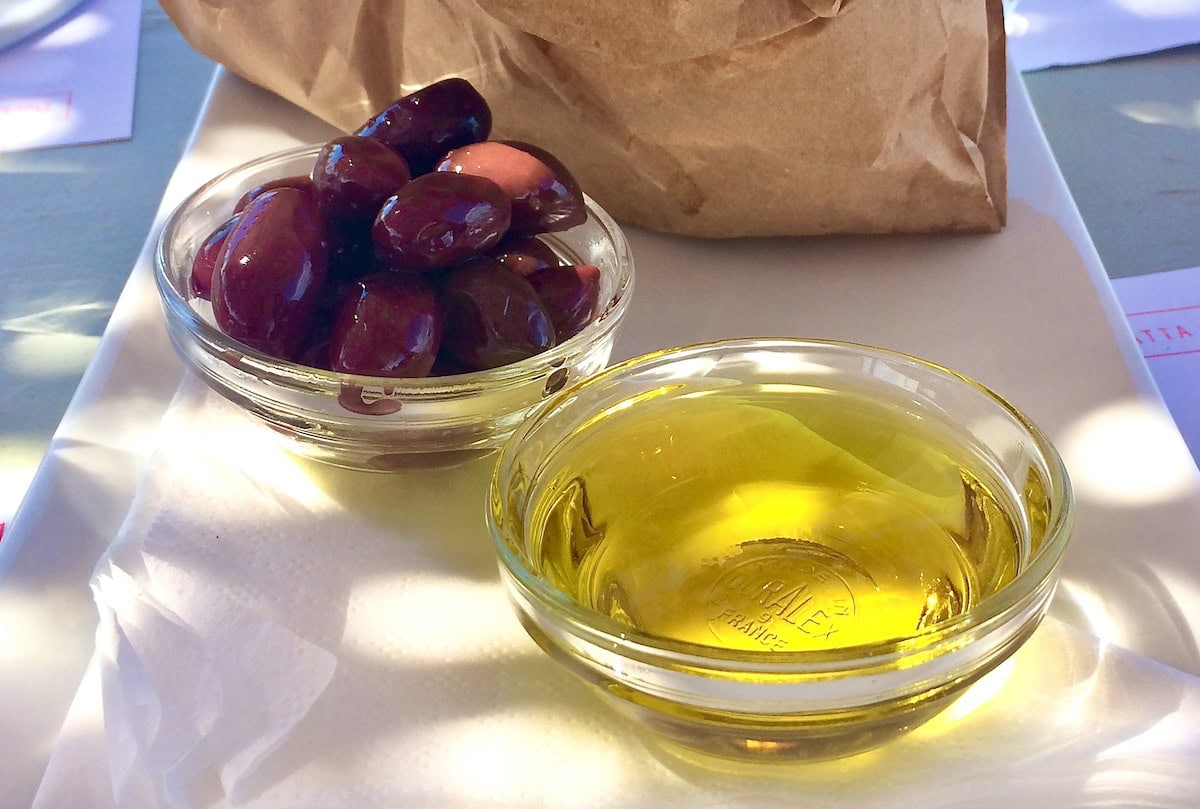
Incorporating table olives into a balanced daily nutrition plan requires minimal culinary effort. Dietitians recommend an average portion size of roughly 10 olives per day to achieve optimal therapeutic intake without excessive sodium consumption, keeping in mind that the curing brine naturally introduces sodium chloride. They can be enjoyed independently as a snack, paired with whole-grain artisan bread, incorporated into salads, folded into grain bowls, or utilized in traditional culinary preparations such as tapenades and herb-roasted Mediterranean dishes.
As nutritional science continues to shift away from isolated nutrient supplementation toward whole-food synergy, the humble table olive stands out as a prime example of ancient agricultural wisdom aligning perfectly with modern clinical findings. By prioritizing traditionally cured, naturally fermented varieties over heavily refined commercial alternatives, consumers can easily harness a powerful, time-tested tool for long-term health and disease prevention.