Baked Falafel: A Nutritional Shift in Mediterranean Culinary Traditions

The evolution of modern Mediterranean cuisine has seen a marked pivot toward healthier, plant-forward preparations of traditional staples, with the baked falafel emerging as a centerpiece of this shift. Historically, falafel—a deep-fried ball or patty made from ground chickpeas or fava beans—has been a ubiquitous street food across the Levant, Egypt, and beyond. While cherished for its distinct crunch and savory profile, the traditional method of deep-frying in industrial vegetable oils has faced increasing scrutiny from nutritionists and health advocates. The current culinary trend favors the oven-baked variant, which retains the structural integrity and flavor of the original while significantly reducing lipid intake and caloric density. This transition reflects a broader global movement toward home-based, minimally processed cooking that prioritizes nutrient-dense ingredients like fiber-rich legumes, fresh aromatics, and heart-healthy monounsaturated fats.
The Nutritional Rationale for Oven-Baked Preparation
The primary distinction between conventional and modern falafel lies in the thermal processing method. Deep-frying, the traditional standard, typically involves submerging the legume mixture in oil heated to temperatures between 350°F and 375°F. This process not only increases the caloric content through oil absorption but can also lead to the formation of acrylamides and the oxidation of fats if the oil is reused repeatedly.
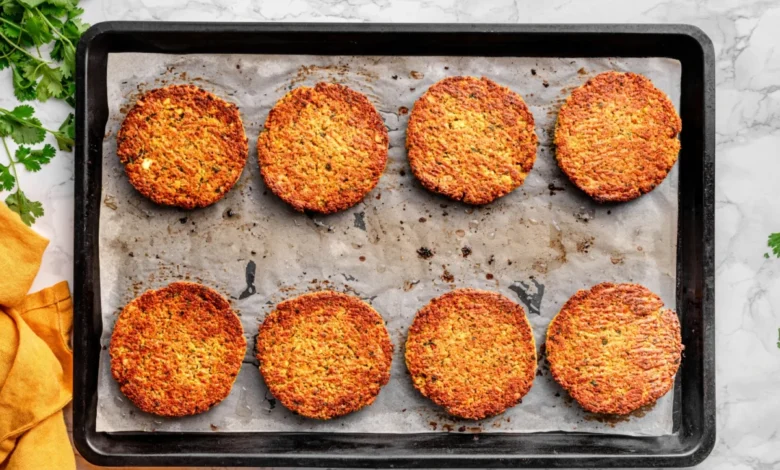
In contrast, the baked approach utilizes convection to achieve a Maillard reaction—the chemical process responsible for the golden-brown crust—without the necessity of total immersion. According to nutritional analysis, a standard serving of deep-fried falafel can contain upwards of 350 to 500 calories, a significant portion of which is derived from refined oils. By utilizing a controlled oven environment at 425°F and replacing the deep-fryer with a light brushing of high-quality extra virgin olive oil, the caloric load can be reduced to approximately 200 calories per serving. This shift aligns with the dietary guidelines set forth by organizations such as the American Heart Association and the Mediterranean Diet Foundation, which advocate for replacing saturated and trans fats with plant-derived unsaturated fats.
The Chronology of Preparation and Culinary Science
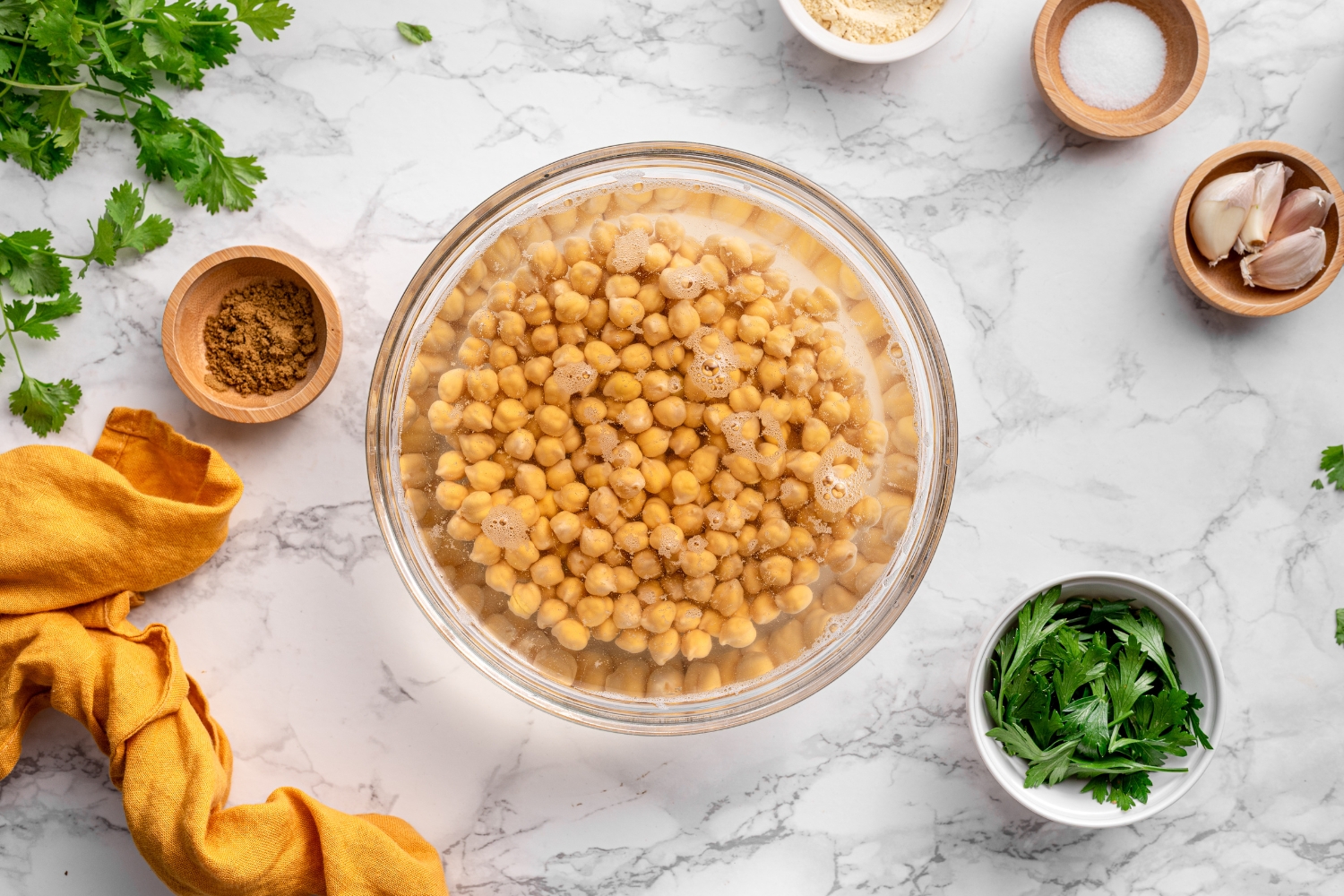
Successful execution of baked falafel requires adherence to specific chemical and physical prerequisites. Unlike many modern "convenience" recipes that utilize canned chickpeas, the professional and traditional standard mandates the use of dried legumes. The process begins with a 12-to-24-hour soaking period. During this time, the dried chickpeas rehydrate, a process that is essential for softening the starches and ensuring the final product possesses a tender, rather than grainy, interior.
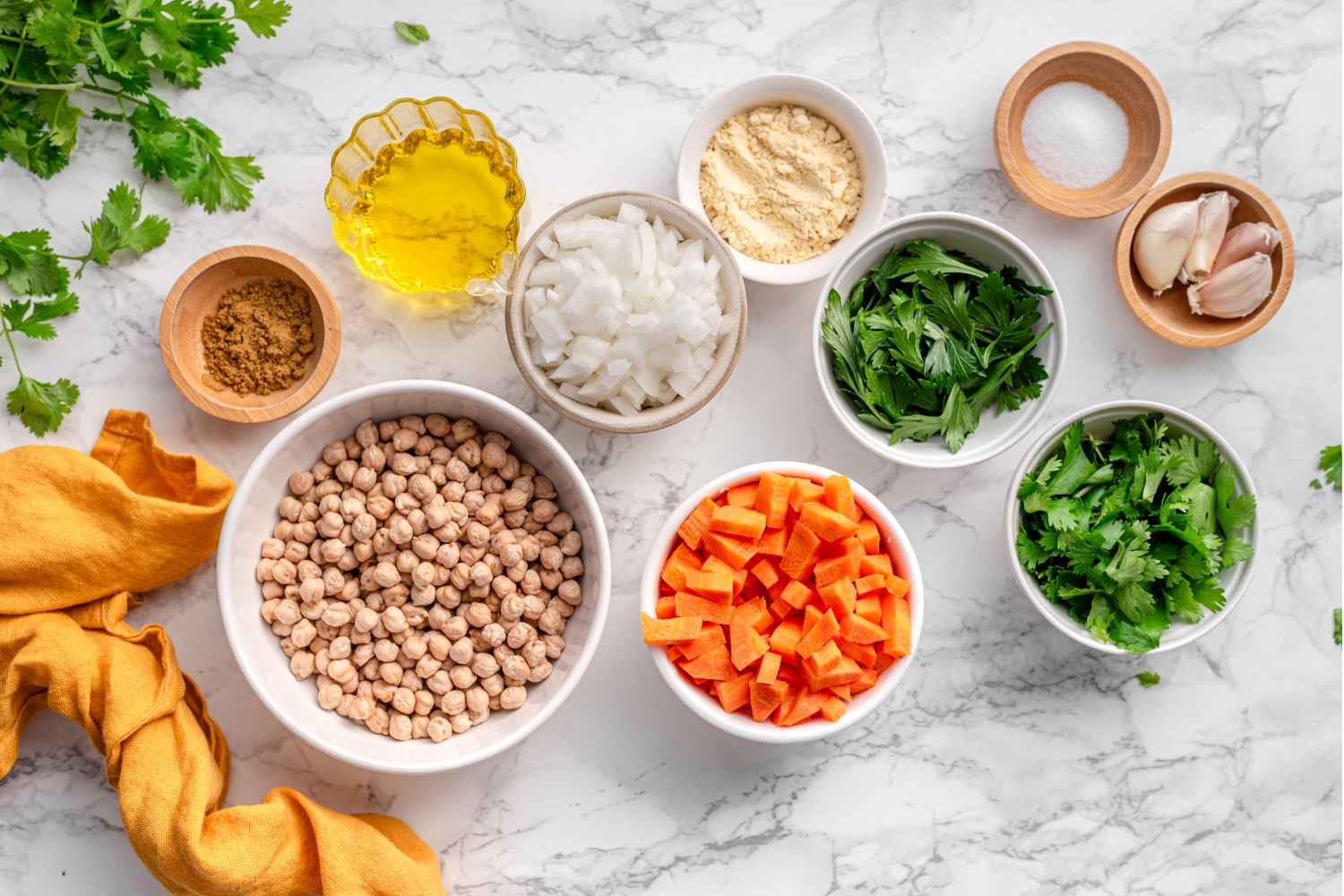
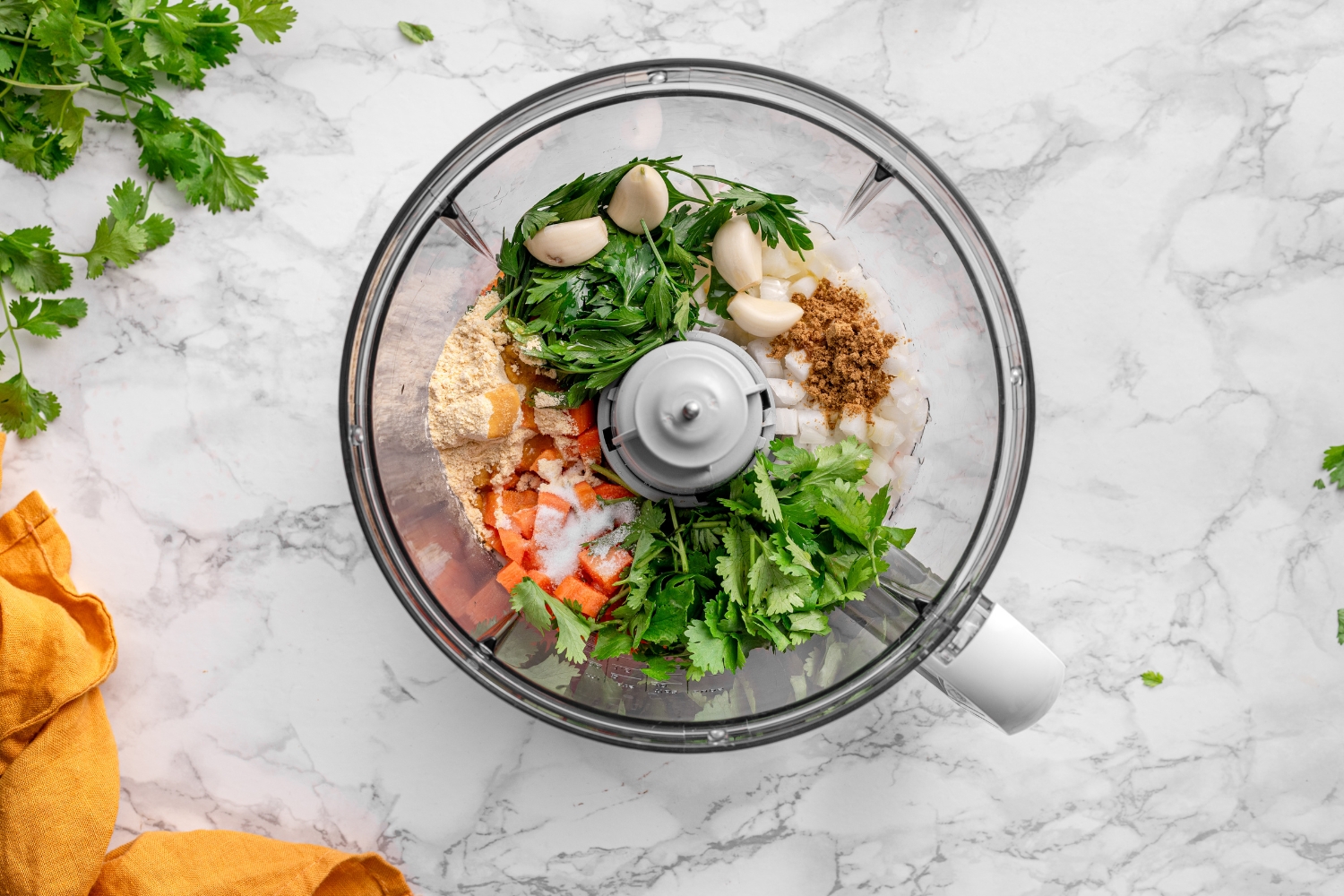
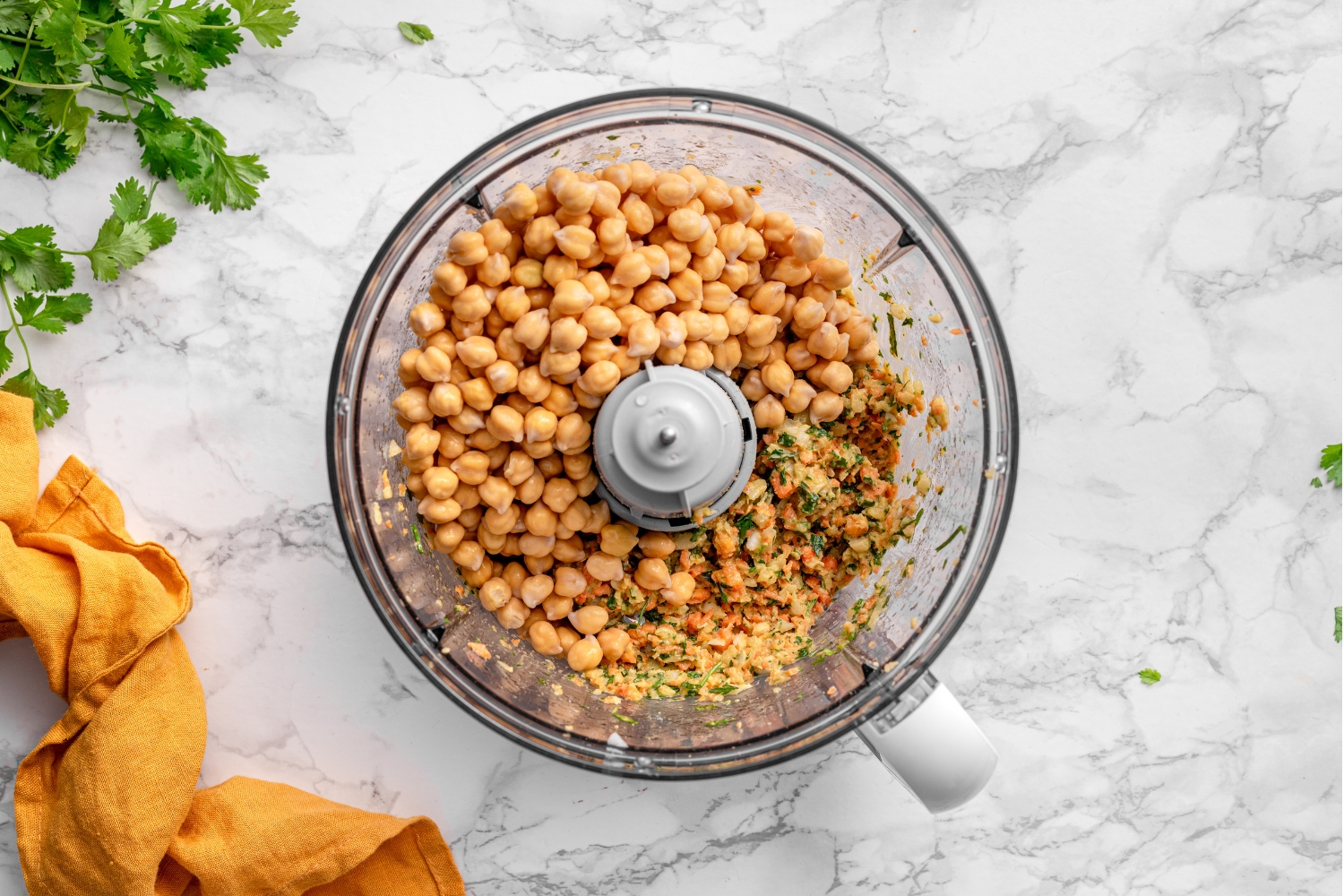
Once soaked and drained, the chickpeas are combined with a specific matrix of ingredients: fresh flat-leaf parsley and cilantro (which provide chlorophyll and volatile aromatic oils), onions and garlic (for sulfur-based depth), and cumin (to provide a warm, earthy baseline). The addition of chickpea flour—or gram flour—acts as a critical binding agent. The physical science here is paramount: if the chickpeas are processed into a uniform puree, the moisture content is released too quickly, leading to a dense, gummy texture. Therefore, the goal is to pulse the mixture in a food processor until it reaches a coarse, crumbly consistency. This ensures that the patties hold their shape when compressed but remain aerated during the baking process.
Historical Context and the Mediterranean Diet
The Mediterranean diet is not a rigid set of rules but rather a historical pattern of eating observed in regions bordering the Mediterranean Sea, most notably Greece, Italy, and the Levant. Legumes, specifically chickpeas, have served as the protein foundation for these populations for millennia, particularly in areas where meat was historically expensive or reserved for special occasions. The integration of these ingredients into daily meals is central to the "blue zone" longevity models, which emphasize whole-food consumption.
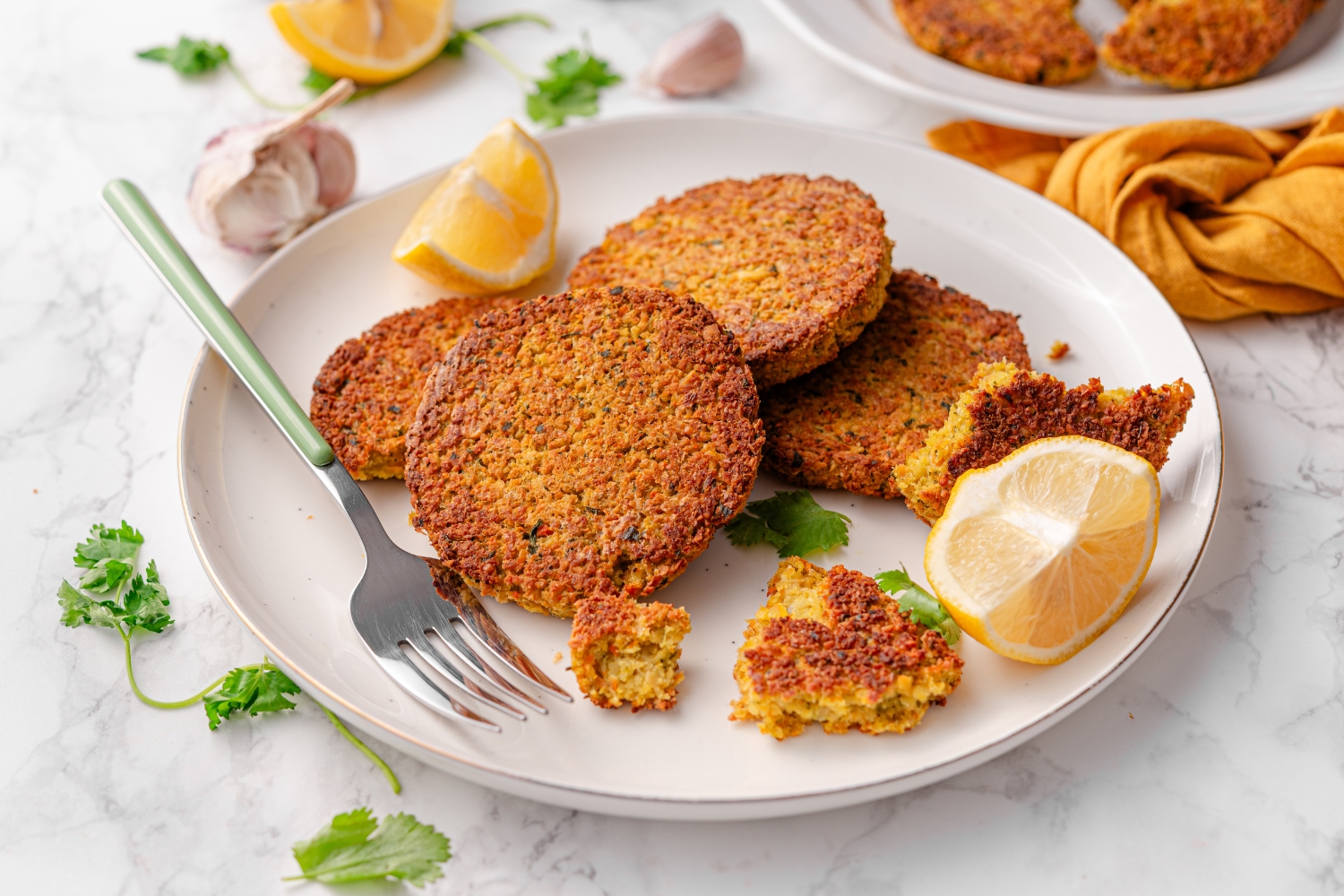
In the contemporary culinary landscape, the falafel patty has transcended its origins as a side dish or street snack to become a functional "burger" alternative. By expanding the size of the patty to four inches, chefs and home cooks have created a versatile platform that can be served on whole-grain breads, atop nutrient-dense salads, or as a standalone protein source. This adaptation is part of a larger trend of "re-imagining" traditional ethnic dishes to meet modern dietary requirements without sacrificing the cultural authenticity of the flavor profile.
Economic and Dietary Implications
The shift toward at-home baked falafel preparation has significant implications for both household economies and public health. With the rising cost of animal proteins, legumes such as chickpeas offer a cost-effective alternative that provides comparable satiety through a combination of complex carbohydrates and plant-based protein. Furthermore, the reliance on fresh produce—onions, carrots, herbs—supports local agriculture and encourages a higher intake of micronutrients, including vitamins A, C, and essential minerals like iron and potassium.
From an industry perspective, the rise of the "health-conscious consumer" has forced both retailers and restaurants to adjust their offerings. Data from the global food services sector indicates a 14% increase in plant-based menu options over the last five years, with falafel appearing in diverse forms, from frozen retail packs to fine-dining entrees. However, the homemade variant remains superior in terms of additive control, as it eliminates the stabilizers and preservatives often found in mass-produced, shelf-stable versions.
Challenges in Scaling and Consistency
Despite its benefits, the transition from frying to baking is not without technical hurdles. Critics of baked falafel often point to a lack of "mouthfeel" or excessive dryness compared to the fried version. The solution lies in the precise application of oil. By ensuring that the underside of the patty is coated before it touches the baking sheet and by drizzling the tops with olive oil, the chef mimics the searing effect of a deep fryer. Additionally, the timing is delicate; flipping the patties at the 15-minute mark is a critical step that ensures even heat distribution and prevents the underside from becoming scorched while the top remains pale.
Future Perspectives on Plant-Forward Dining
The trajectory of the baked falafel serves as a microcosm for the future of nutrition. As the global population continues to grapple with the health consequences of ultra-processed diets, the return to traditional, whole-food techniques—modernized for the home oven—is likely to accelerate. The adoption of these practices is not merely a lifestyle trend but a pragmatic response to the dual demands of ecological sustainability and individual health. By leveraging the nutrient-rich foundation of the chickpea and the culinary wisdom of the Mediterranean, the baked falafel stands as a testament to the fact that nutritional optimization does not require the abandonment of traditional flavor, but rather a more thoughtful application of heat and chemistry.