The Art and Science of Seville Orange Marmalade: A Parisian Culinary Revelation


The crisp Parisian air of mid-winter often carries with it the subtle, yet distinct, aroma of citrus, signaling the arrival of Seville oranges in local markets. For years, this seasonal bounty was a fleeting whisper, a coveted ingredient for those in the know, particularly for enthusiasts of homemade preserves. However, recent years have seen a resurgence in the availability of these intensely flavored fruits, prompting a renewed interest in the craft of marmalade making. This phenomenon has not only graced the kitchens of home cooks but has also inspired culinary innovation, with acclaimed food writer and chef David Lebovitz at the forefront, revealing a refined technique that simplifies the often-laborious process of creating this beloved preserve.
The Enduring Appeal of Seville Oranges
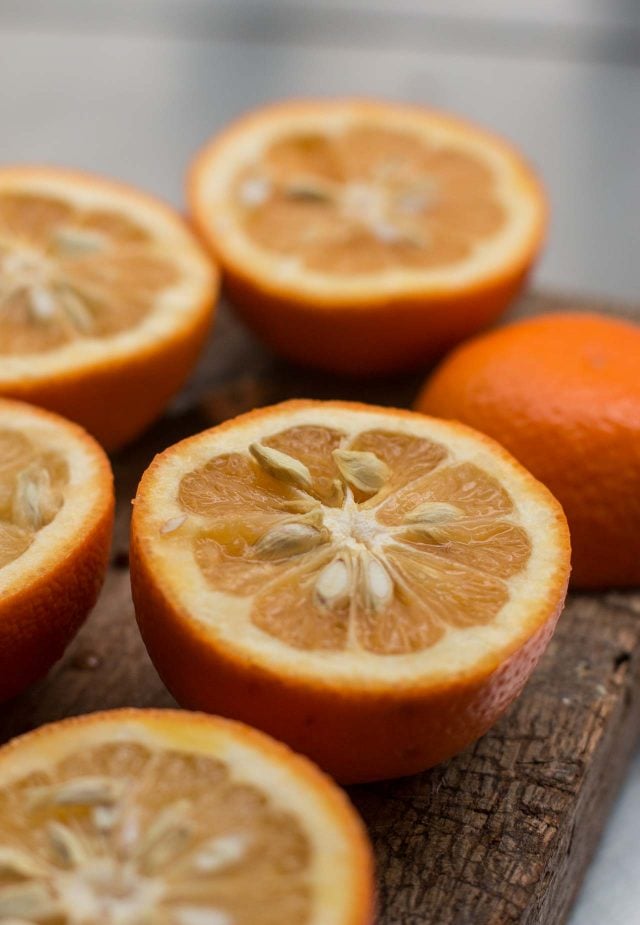
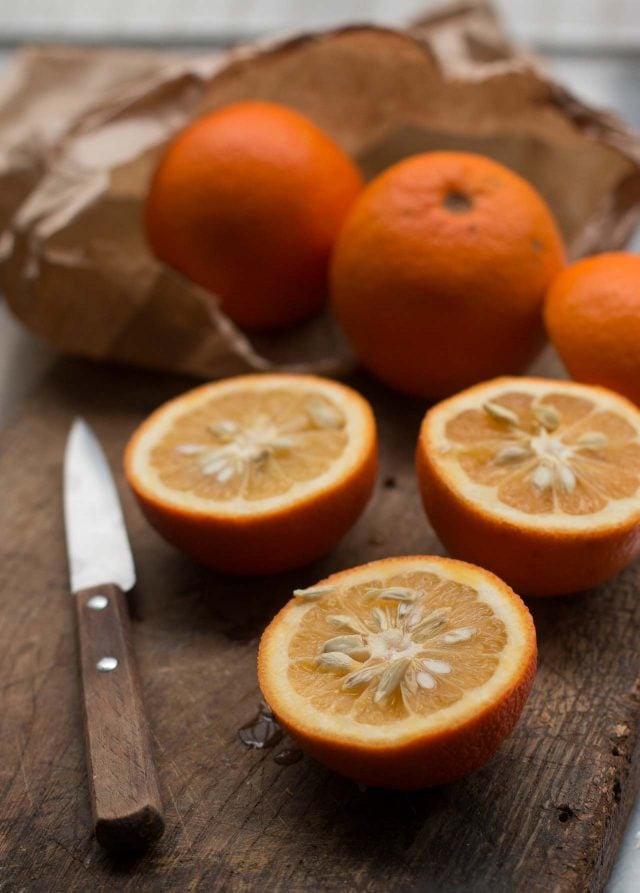
Seville oranges, scientifically known as Citrus × aurantium, are a unique varietal distinguished by their pronounced bitterness, high pectin content, and abundance of seeds. Unlike their sweeter Valencia counterparts, Seville oranges are primarily cultivated for their culinary applications rather than for direct consumption. Their intense flavor profile and inherent gelling properties make them the quintessential choice for authentic marmalade, a preserve that balances the zesty brightness of citrus with a satisfyingly complex, slightly bitter undertone.
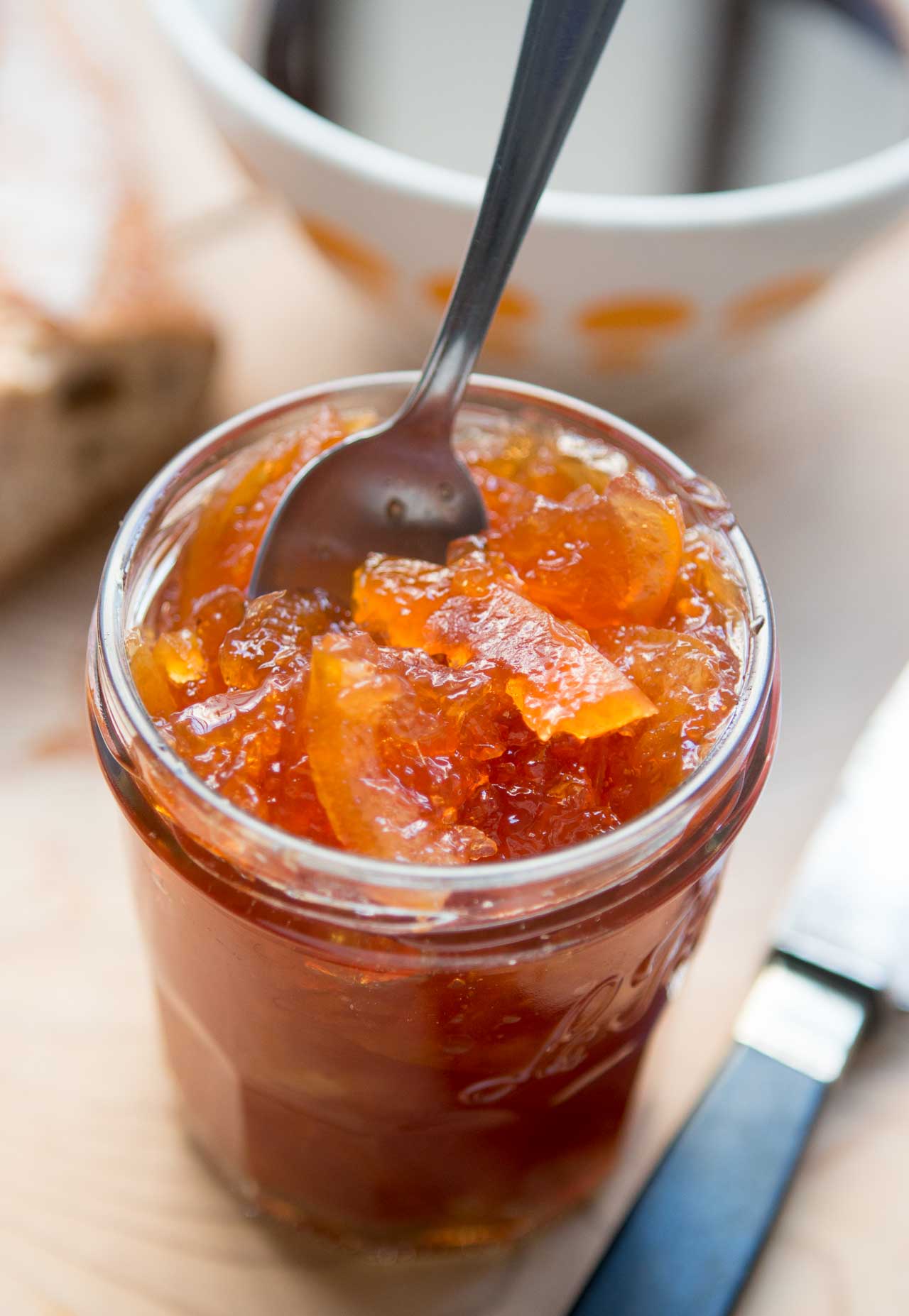
Historically, the journey of Seville oranges to the culinary world is steeped in serendipity. Legend has it that Seville Orange Marmalade owes its very existence to a fortunate accident in 18th-century England. Around 1700, the wife of a London grocer, faced with a shipment of sour oranges acquired cheaply due to a storm, ingeniously transformed them into a preserve. The initial inedible sourness of the oranges was remarkably tamed by the cooking process, yielding a product that would go on to become a staple of breakfast tables and a celebrated British delicacy. This narrative underscores the transformative power of culinary experimentation and the unexpected origins of many beloved food traditions.
A Culinary Challenge and a Revolutionary Solution
The primary hurdle in crafting traditional Seville orange marmalade lies in the fruit’s inherent structure. Each Seville orange is typically laden with twenty to thirty small, slippery seeds. The process of preparing the fruit for marmalade involves meticulously removing these seeds, a task that is often frustrating and time-consuming. The seeds, while a nuisance to extract, are a vital source of pectin, the natural gelling agent that gives marmalade its characteristic texture. Traditional methods often require careful manipulation of the fruit to dislodge and collect these pectin-rich seeds, a step that can be messy and interrupt the rhythm of preparation.
David Lebovitz, a respected figure in the culinary world known for his accessible yet sophisticated approach to food, has long championed the art of marmalade making. His personal experience with the challenges posed by Seville oranges led him to develop a more streamlined and efficient technique. "For the past few years, I kept wondering why they were so hard to find since it’s perhaps my favorite of all jams and jellies to make, and eat," Lebovitz notes. "But lately, they’ve been everywhere. And I found myself busy making a lot of marmalade, which was easier since I came up with a brand-new, revolutionary technique which I couldn’t wait to share."

Lebovitz’s innovative approach addresses the seed conundrum directly. Instead of painstakingly picking seeds out from whole or halved oranges, his method involves first extracting the juice and seeds together. This collected liquid is then strained, separating the seeds from the juice. The precious seeds, rich in pectin, are then preserved, often wrapped in a cheesecloth or muslin bag. This bag of seeds is subsequently cooked alongside the orange peel and juice. This ingenious step ensures that the pectin from the seeds is effectively released into the mixture, contributing to a smooth, jellied texture without the arduous task of individual seed removal.
The Science Behind the Sweetness: Pectin and Gelation
The success of any marmalade, and indeed many preserves, hinges on the principle of gelation, driven by the presence of pectin, acid, and sugar. Pectin, a polysaccharide found in the cell walls of fruits, forms a three-dimensional network that traps liquid, resulting in a gel. Seville oranges are naturally high in pectin, particularly in their pith and seeds, which is why they are ideal for marmalade. The acidity of the oranges also plays a crucial role, helping to break down the pectin molecules and facilitating the formation of the gel structure. Sugar, beyond providing sweetness, is essential for preservation and also contributes to the gel’s firmness by drawing water out of the pectin molecules.
Lebovitz’s technique cleverly harnesses the pectin contained within the seeds. By extracting and then reintroducing them in a controlled manner, he ensures an optimal pectin concentration for a superior set. This method not only simplifies the preparation but also guarantees a consistent and desirable texture, often described as "suave and jellied," as mentioned in his description. This scientific understanding of gelation is fundamental to achieving perfectly set marmalade, and Lebovitz’s technique offers a practical application of these principles.
A Recipe for Success: Simplicity and Elegance
The revised method, detailed in Lebovitz’s acclaimed cookbook "Ready for Dessert," transforms the perception of marmalade making from a daunting chore into an approachable culinary endeavor. The book, first published and later revised, serves as a testament to his dedication to sharing practical and delicious recipes with home cooks. The "revolutionary technique" he refers to is not a complex scientific formula, but rather a logical and elegant adaptation of traditional practices.
The core of his approach involves:
- Initial Juicing and Seed Separation: Squeezing the oranges to release their juice and seeds.
- Pectin Extraction: Straining the juice and collecting the seeds. These seeds are then typically placed in a cheesecloth bag.
- Simmering and Infusion: Cooking the orange peel with the strained juice and the bag of seeds. The seeds infuse the mixture with pectin as it cooks.
- Achieving the Set: Once the desired consistency is reached, the bag of seeds is removed.
This method, while seemingly simple, represents a significant advancement in making Seville orange marmalade accessible to a wider audience. It streamlines the process, reduces the potential for frustration, and ensures a high-quality result. The recipe, adapted from "Ready for Dessert," often advises allowing the cooked oranges and seeds to rest overnight, a step that can enhance the flavor and texture, though it can be omitted for those seeking a same-day preparation.
Market Trends and Culinary Traditions
The increased visibility of Seville oranges in markets reflects a broader trend in consumer interest towards artisanal and homemade food products. In an era where convenience often dictates culinary choices, there is a growing appreciation for traditional methods and the satisfaction derived from creating food from scratch. The resurgence of interest in marmalade making can be seen as a part of this larger movement, a connection to culinary heritage and a desire for authentic flavors.
Paris, a city synonymous with gastronomic excellence, provides a fitting backdrop for this culinary narrative. The availability of Seville oranges and the sharing of innovative techniques like Lebovitz’s contribute to the vibrant food culture of the French capital. The fact that these oranges are also known as oranges amères in French further highlights their specific character and culinary purpose. Their presence in markets worldwide during the mid-winter season ensures that this tradition can be embraced globally.
Broader Implications for Food Preservation
Lebovitz’s refined technique for Seville orange marmalade has implications that extend beyond just this specific preserve. It highlights the potential for innovation within established culinary traditions. By understanding the scientific principles at play – in this case, the role of pectin in gelation – and applying them with practical ingenuity, chefs and home cooks can develop methods that are both more efficient and yield superior results.
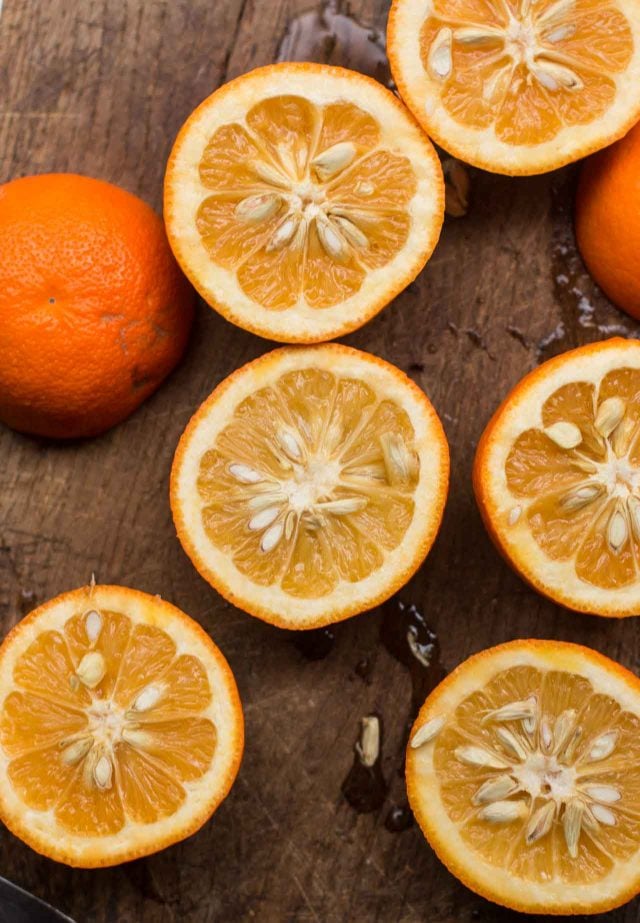
The emphasis on using all parts of the fruit, including the seeds for their pectin content, aligns with contemporary movements towards reducing food waste and embracing sustainable culinary practices. This approach not only maximizes the potential of the ingredients but also enriches the final product with a more complex flavor and texture profile.
Furthermore, the success of this technique underscores the importance of knowledge sharing within the culinary community. Lebovitz’s willingness to share his discoveries, particularly through his widely read blog and influential cookbooks, empowers others to engage in and master challenging culinary techniques. This democratization of culinary expertise is vital for the preservation and evolution of food traditions.
Conclusion: A Zest for Tradition and Innovation
The story of Seville orange marmalade is a testament to both culinary history and contemporary innovation. From its serendipitous origins to the refined techniques that make it more accessible today, this preserve continues to captivate palates. David Lebovitz’s contribution to simplifying the process of making Seville orange marmalade is a significant one, enabling more people to experience the unique pleasure of this tart and flavorful delight. As Seville oranges once again grace the markets, the art and science of marmalade making, infused with a touch of Parisian flair and a dash of revolutionary technique, promises to bring a bright and delicious zest to kitchens around the world. The enduring appeal of this preserve lies not only in its taste but in the rich tapestry of history, science, and human ingenuity that it represents.