Why the Authentic Mediterranean Diet Remains the Gold Standard for Global Health and Longevity

The pursuit of sustainable, long-term health has continually brought researchers, clinicians, and nutrition experts back to a single, enduring culinary tradition: the Mediterranean diet. Far from being a transient wellness fad characterized by caloric restriction or the elimination of entire food groups, this traditional lifestyle pattern has sustained generations across Southern Europe. Grounded in a rich history of agricultural abundance, regional culinary customs, and communal dining habits, the authentic Mediterranean approach to food continues to serve as a benchmark for chronic disease prevention and overall well-being.
Recent insights from public health specialists and registered dietitians underscore that the core philosophy of this dietary pattern rests on inclusion rather than deprivation. Rather than chasing modern nutritional trends that demonize macronutrients, the traditional Mediterranean table celebrates simple, whole ingredients that elevate everyday eating into a pleasurable and healthful experience.
Historical Context and Evolution of the Mediterranean Diet
The recognition of the Mediterranean diet as a model of cardiovascular health is not a recent phenomenon. The dietary habits of populations inhabiting the Mediterranean basin—specifically Greece, Southern Italy, and Spain—first captured widespread scientific attention in the mid-20th century. During the landmark Seven Countries Study, initiated by physiologist Ancel Keys in the late 1950s, researchers observed that despite high total fat consumption, populations in regions like Crete exhibited remarkably low rates of coronary heart disease and prolonged life expectancy.
This paradox challenged prevailing nutritional assumptions of the era and launched decades of epidemiological and clinical research. Over the subsequent half-century, researchers mapped out the synergistic components of the diet. The pattern was formally recognized by UNESCO in 2010 as an Intangible Cultural Heritage of Humanity, acknowledging that the diet encompasses not just food, but a comprehensive set of skills, knowledge, rituals, and traditions concerning crops, harvesting, conservation, processing, preparation, and, particularly, consumption.
The Five Indispensable Pillars of the Mediterranean Kitchen
An authentic approach to Mediterranean eating relies on a core selection of staple foods that deliver dense nutritional profiles without sacrificing flavor or culinary satisfaction. Nutritional science increasingly validates the physiological mechanisms behind these traditional ingredients.
1. Whole Grains as a Satiating Foundation
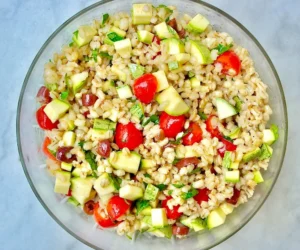
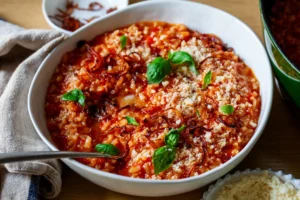
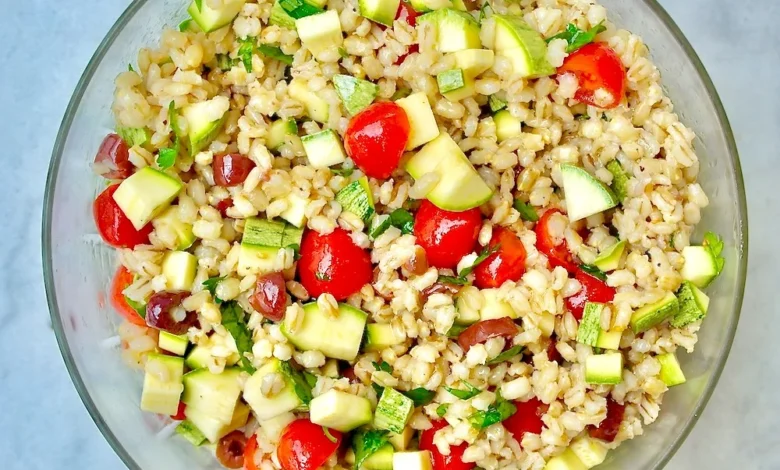
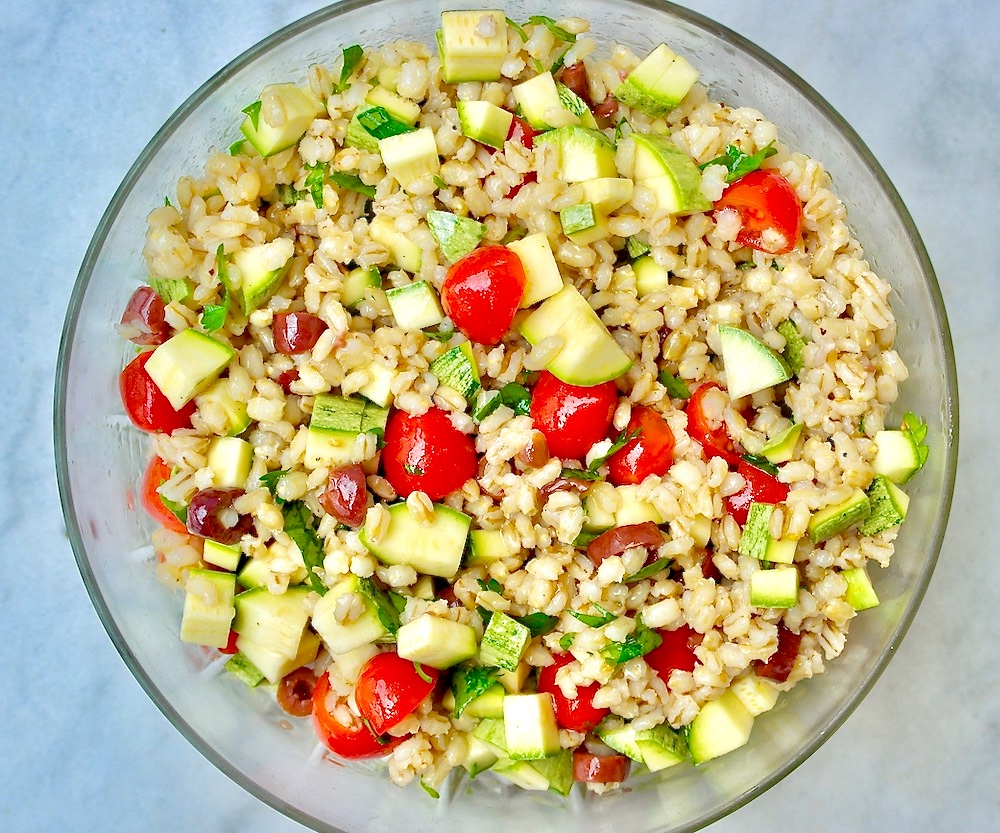
Unlike the refined carbohydrate sources prevalent in Western diets, traditional Mediterranean kitchens have long utilized unrefined, whole grains such as barley, bulgur, farro, and whole-grain wheat products. These grains retain their nutrient-rich outer layers—the bran, germ, and endosperm—which supply essential dietary fiber, B-complex vitamins, and crucial minerals including magnesium and iron.
From a physiological perspective, the high fiber content of whole grains slows glucose absorption, preventing rapid insulin spikes and promoting sustained satiety. When combined with seasonal vegetables, legumes, and extra virgin olive oil, these complex carbohydrates form the backbone of meals that stabilize energy levels and support metabolic health.
2. Oregano: More Than a Culinary Garnish
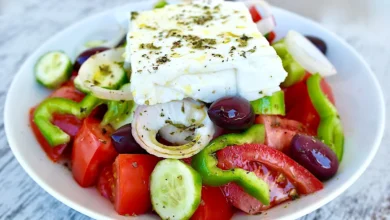
Herbs and spices are frequently underestimated components of nutritional planning, yet in the Mediterranean, they play a vital role both in flavor enhancement and biochemical health. Dried Greek oregano, in particular, is utilized generously across the region. Beyond imparting a robust, aromatic profile to simple dishes involving tomatoes, legumes, fish, and roasted vegetables, oregano is exceptionally rich in phenolic antioxidant compounds, notably carvacrol and thymol.
Public health nutritionists frequently emphasize that herbs make nutrient-dense foods, such as vegetables and beans, highly palatable without requiring heavy, sodium-laden sauces or excessive saturated fats. This culinary technique encourages higher consumption of wholesome foods through sensory satisfaction.
3. Greek Yogurt and Fermented Dairy
Dairy consumption within the Mediterranean basin differs significantly from industrial dairy paradigms. In Greece and neighboring regions, thick, strained Greek yogurt has historically functioned as an everyday food staple rather than a specialized, high-protein supplement. Produced by removing the liquid whey, traditional straining yields a concentrated source of high-quality protein, calcium, and phosphorus.
Furthermore, authentic varieties containing live and active bacterial cultures introduce beneficial probiotics into the gastrointestinal tract. Clinical research consistently links the regular consumption of fermented dairy products to improved gut microbiome diversity, enhanced immune function, and better gastrointestinal health.
4. Extra Virgin Olive Oil: The Non-Negotiable Core
No discussion of Mediterranean nutrition is complete without addressing extra virgin olive oil (EVOO). Epidemiological data consistently demonstrates that Greece maintains the highest per capita consumption of olive oil globally. In traditional culinary applications, EVOO is utilized across all cooking methods, dressings, and even baking.
From a biochemical standpoint, extra virgin olive oil is uniquely distinguished by its high concentration of monounsaturated fatty acids—primarily oleic acid—and a complex array of minor components, including polyphenols such as oleocanthal and oleuropein. These compounds exhibit potent anti-inflammatory and antioxidant properties. Nutritional experts emphasize that the Mediterranean diet is inherently a higher-fat dietary pattern defined by quality rather than restriction; attempts to adapt the diet into a low-fat regimen strip away its defining characteristics and compromise its health benefits.
5. Abundant Seasonal Vegetables
Vegetables form the visual and structural centerpiece of the Mediterranean plate. Ranging from nightshades like tomatoes, eggplants, and bell peppers to leafy greens, cruciferous vegetables, and alliums, produce is consumed in quantities that frequently exceed standard dietary guidelines. Rather than being served as raw, uninspired sides, vegetables are typically treated as the main event—slow-cooked in olive oil, baked with herbs, or stuffed with rice and legumes.
This preparation method maximizes the bioavailability of fat-soluble vitamins and antioxidants while ensuring that vegetable consumption remains a pleasurable culinary experience. The resulting intake delivers a continuous supply of dietary fiber, potassium, folate, and phytochemicals associated with reduced systemic inflammation and lower risks of chronic malignancies.
Broader Implications and Public Health Impact
The enduring relevance of the Mediterranean diet lies in its alignment with human physiological needs and its adaptability across different cultural landscapes. As global healthcare systems grapple with rising rates of type 2 diabetes, obesity, and cardiovascular disease, health authorities increasingly advocate for dietary patterns that prioritize whole, minimally processed foods over isolated nutrient supplementation.
Clinical trials, most notably the PREDIMED (PREvención con DIeta MEDiterránea) study, have provided rigorous randomized controlled trial data confirming that a Mediterranean diet supplemented with extra virgin olive oil or nuts significantly reduces the incidence of major cardiovascular events. These findings have shifted clinical guidelines internationally, encouraging physicians and dietitians to prescribe lifestyle modifications rooted in traditional dietary patterns rather than temporary restrictive regimens.
Ultimately, experts maintain that the true efficacy of the Mediterranean approach extends beyond the biological properties of individual ingredients. It is deeply intertwined with a broader cultural framework—one that values seasonality, communal meal-sharing, mindful eating, and culinary pleasure. By integrating these foundational principles into contemporary routines, individuals can achieve sustainable, long-term wellness without sacrificing the fundamental enjoyment of food.