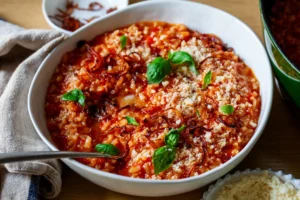
Tomato Risotto with Frizzled Red Onions Brings the Peak of Late-Summer Produce to the Table

The transition between meteorological seasons often ignites a cultural debate regarding consumer readiness for autumnal merchandising, contrasting commercial pressure for seasonal shifts against consumer preference for prolonged warm-weather produce. Amidst early retail displays featuring synthetic autumn foliage and spiced beverage marketing during unseasonably high temperatures, culinary traditionalists continue to advocate for the utilization of peak-harvest summer ingredients. The culinary world frequently sees an artificial compression of seasonal produce windows, prompting home cooks and culinary professionals to challenge premature transitions toward heavier, cold-weather comfort foods.

The Economics and Longevity of Late-Summer Produce
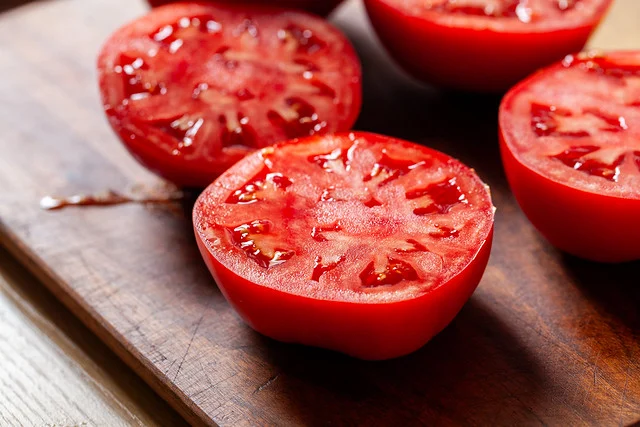
Agricultural data consistently indicates that peak tomato harvesting extends well into September across many temperate growing regions in the Northern Hemisphere. Despite this botanical reality, commercial food media and retail channels pivot toward winter squashes, root vegetables, and heavy stews as early as late August. This phenomenon creates a divergence between commercial marketing timelines and actual agricultural availability.
Market analysts observe that consumer demand for fresh vine-ripened tomatoes remains robust through the early weeks of autumn. Culinary historians note that traditional Mediterranean cuisines historically maximize tomato utility precisely as the vines complete their production cycles, concentrating flavors through various preservation and reduction techniques. The resistance against early autumnal shifts is not merely sentimental; it reflects a practical desire to extract maximum value and culinary potential from perishable seasonal crops before they disappear from local markets for the winter months.

Culinary Methodology: Deconstructing Traditional Risotto
The culinary approach to the newly introduced tomato risotto departs significantly from classical Italian techniques. Traditional risotto preparation demands rigorous adherence to specific protocols, including the continuous heating of vegetable or meat stock, incremental liquid addition, and sustained manual stirring to encourage starch release from short-grain rice varieties such as Arborio or Carnaroli.
The revised methodology challenges several long-held tenets of risotto preparation:

- Elimination of Pre-Warmed Broth: By utilizing grated fresh tomato pulp supplemented only with water and a measured quantity of white wine, the recipe bypasses the traditional requirement for complex, pre-simmered broths. This allows the unadulterated flavor of the fresh tomato to dominate the flavor profile.
- Oven-Baking Technique: Rather than requiring 20 to 30 minutes of continuous stovetop agitation, the dish utilizes an oven-baking method inside a heavy-bottomed Dutch oven or braiser preheated to 350 degrees Fahrenheit. This technique achieves uniform starch gelatinization with minimal intervention.
- Starch Management: Controlled incorporation of liquids and a brief post-bake agitation period replicate the creamy mouthfeel characteristic of traditionally stirred risottos without the associated labor intensity.
Food science writers have increasingly validated modified preparation methods for rice-based dishes, noting that thermal consistency inside covered, heavy-cast-iron vessels often yields more predictable moisture absorption than open-pot stovetop methods.
Innovative Textural Integration: Frizzled Red Onions
A critical component of the dish’s flavor profile relies on the preparation of thinly sliced red onions cooked in olive oil until deeply golden and crisp. This technique, commonly referred to as "frizzling," serves a dual purpose within the recipe. Half of the caramelized alliums are integrated into the rice mixture during the baking phase, imparting depth and savory complexity, while the remainder is reserved as a textural garnish upon service.

Nutritional and sensory analyses of alliums indicate that prolonged, gentle frying alters sulfur compounds, reducing harsh pungency while concentrating natural sugars. This process yields a flavor profile that bridges the gap between the acidity of fresh tomatoes and the richness of finishing fats such as butter, olive oil, and Parmesan cheese. Furthermore, the inclusion of red onions offers a versatile dietary framework, allowing the dish to transition seamlessly between vegetarian preparations—utilizing butter and cheese—and strictly vegan adaptations relying exclusively on olive oil and fresh basil.
Broader Implications for Seasonal Cooking Habits
The discourse surrounding seasonal recipe timing highlights a broader shift in contemporary home economics. As supply chains become increasingly globalized, consumers frequently lose touch with regional agricultural calendars. Culinary experts argue that consciously choosing to cook with declining-season ingredients acts as a counterweight to industrialized food systems that homogenize year-round availability.

By emphasizing techniques that celebrate the final yield of summer crops—such as utilizing raw tomato pulp integrated directly with short-grain rice—home cooks can extend the culinary window of perishable produce. The integration of simplified cooking methods, such as oven-baked risotto, further lowers the barrier to entry for complex culinary dishes, encouraging scratch cooking during busy transitional periods such as the back-to-school season.
Ultimately, the persistent demand for late-summer recipes underscores a cultural resistance to manufactured urgency in food media. By anchoring culinary practices in agricultural realities rather than retail calendars, home kitchens maintain a connection to regional growing cycles, ensuring that seasonal produce receives its full expression before winter’s arrival.