Elevating the Weeknight Menu: The Mediterranean Approach to Pan-Seared Shrimp Tacos

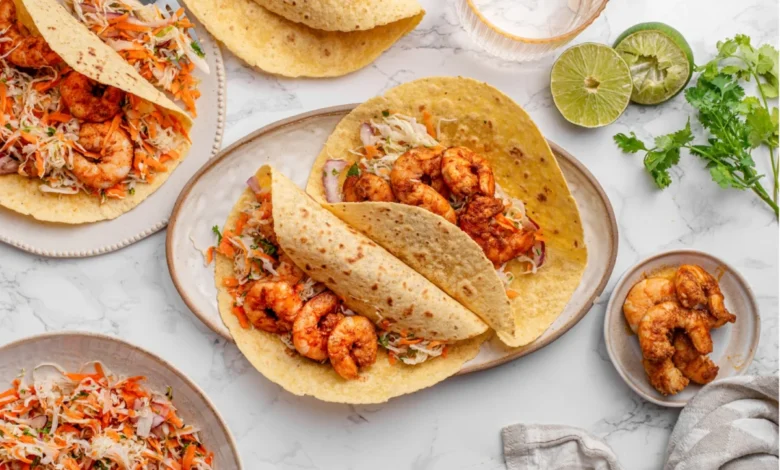
The modern culinary landscape is witnessing a significant shift toward preparations that balance convenience with nutritional integrity, and the emergence of pan-seared shrimp tacos as a staple weeknight meal exemplifies this transition. By moving away from traditional, high-fat deep-frying techniques in favor of Mediterranean-inspired, high-heat pan-searing with extra virgin olive oil, home cooks are adopting methods that prioritize both flavor profile and cardiovascular health. This preparation method, which relies on rapid thermal processing to achieve Maillard reaction browning without the caloric density of submerged frying, has gained traction in both health-conscious households and professional kitchens alike.
Nutritional Foundations and Dietary Implications
At the core of this dish is a commitment to the foundational principles of the Mediterranean diet, which emphasizes nutrient-dense, whole foods. Shrimp, the primary protein in this recipe, serves as an efficient source of high-quality, lean protein. According to the U.S. Department of Agriculture (USDA) dietary guidelines, a three-ounce serving of cooked shrimp contains approximately 20 grams of protein and fewer than 100 calories. Furthermore, shrimp are a significant source of selenium and astaxanthin, a powerful antioxidant that contributes to the characteristic pink hue of the crustacean and supports cellular health.
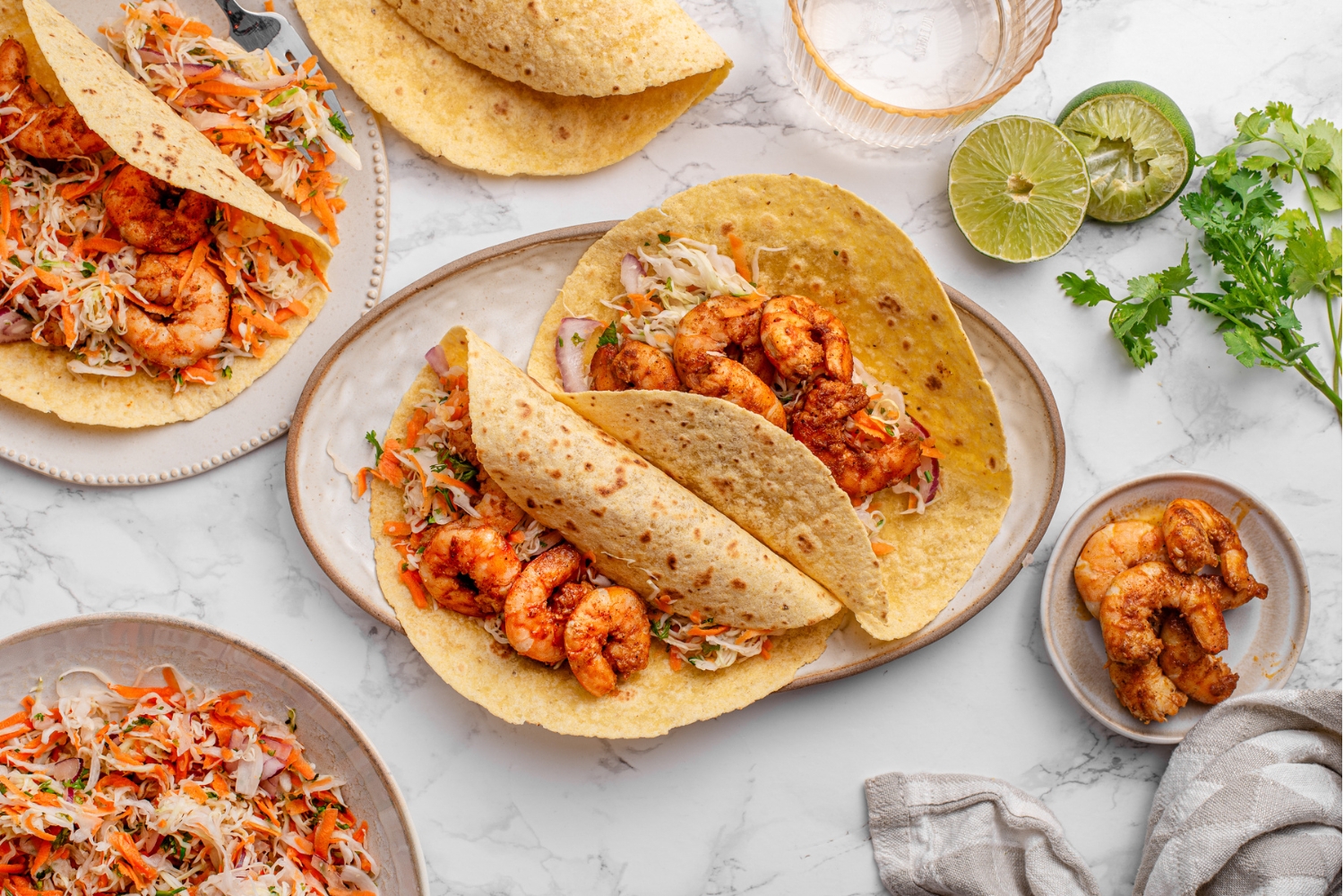
The inclusion of a cabbage-based slaw introduces a critical element of fiber and micronutrients. Cruciferous vegetables like cabbage are rich in glucosinolates, compounds that have been studied for their potential anti-inflammatory properties. When paired with lime juice and fresh cilantro, the slaw provides a necessary acidic balance to the savory, spiced shrimp, effectively replacing the need for calorie-heavy, fat-based condiments like sour cream or mayonnaise-based aiolis. The use of extra virgin olive oil as the primary cooking fat provides monounsaturated fatty acids, which have been consistently linked in clinical studies to improved cholesterol profiles and reduced risks of coronary heart disease.
The Technical Execution: A Chronology of Preparation
The efficiency of this dish is rooted in a structured preparation sequence designed to maximize flavor development while minimizing active time. Culinary professionals recommend a "mise en place" approach to ensure the 30-minute target is met.
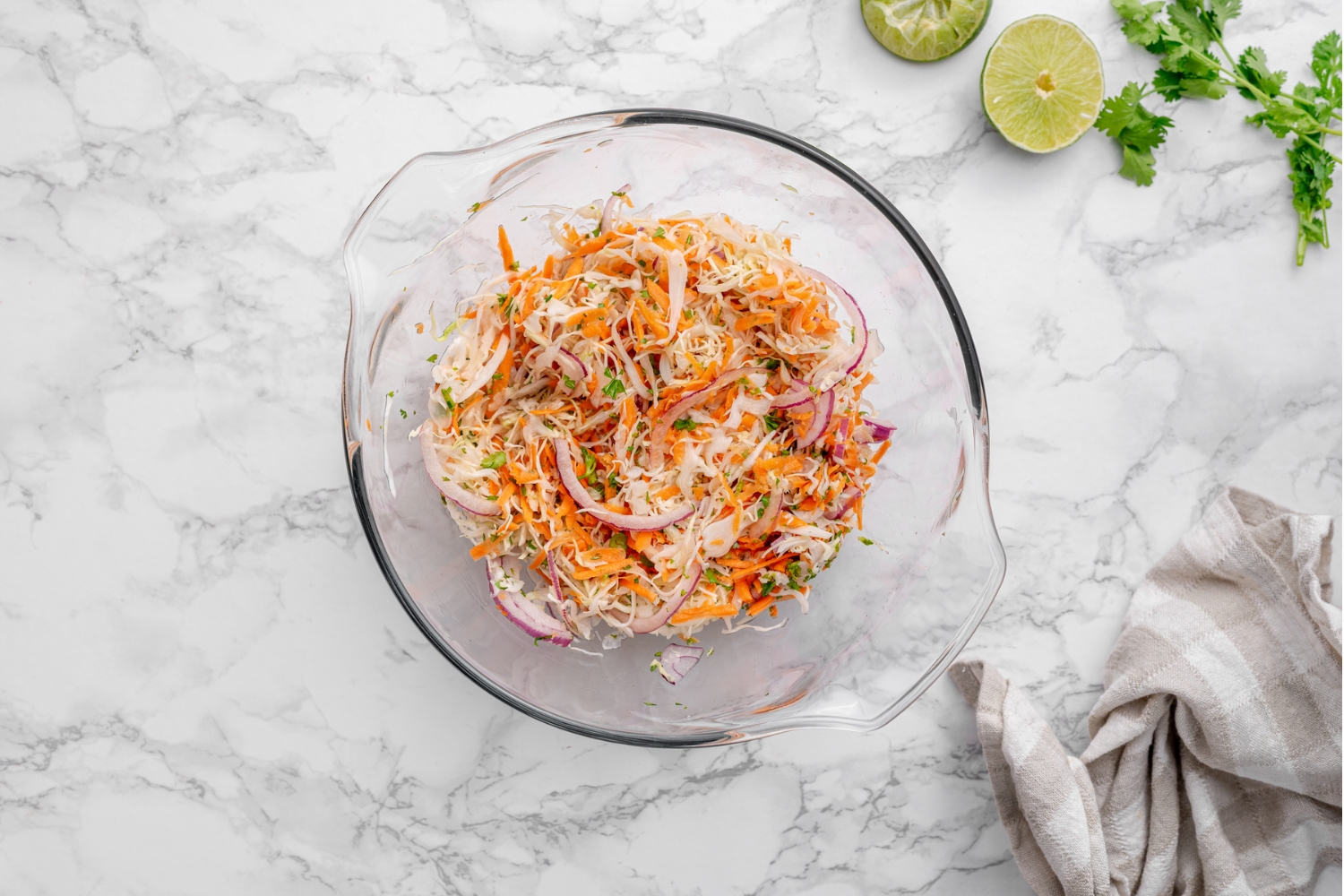
The chronology of preparation begins with the construction of the cilantro lime slaw. By combining shredded cabbage, carrots, and red onions with fresh lime juice, white wine vinegar, and a pinch of salt, the chef initiates a mild maceration process. This 10-minute rest period is not merely a convenience but a technical requirement; the osmotic pressure created by the salt and acid draws moisture from the vegetables, softening their cell walls just enough to improve texture while maintaining the crispness essential for a balanced taco.
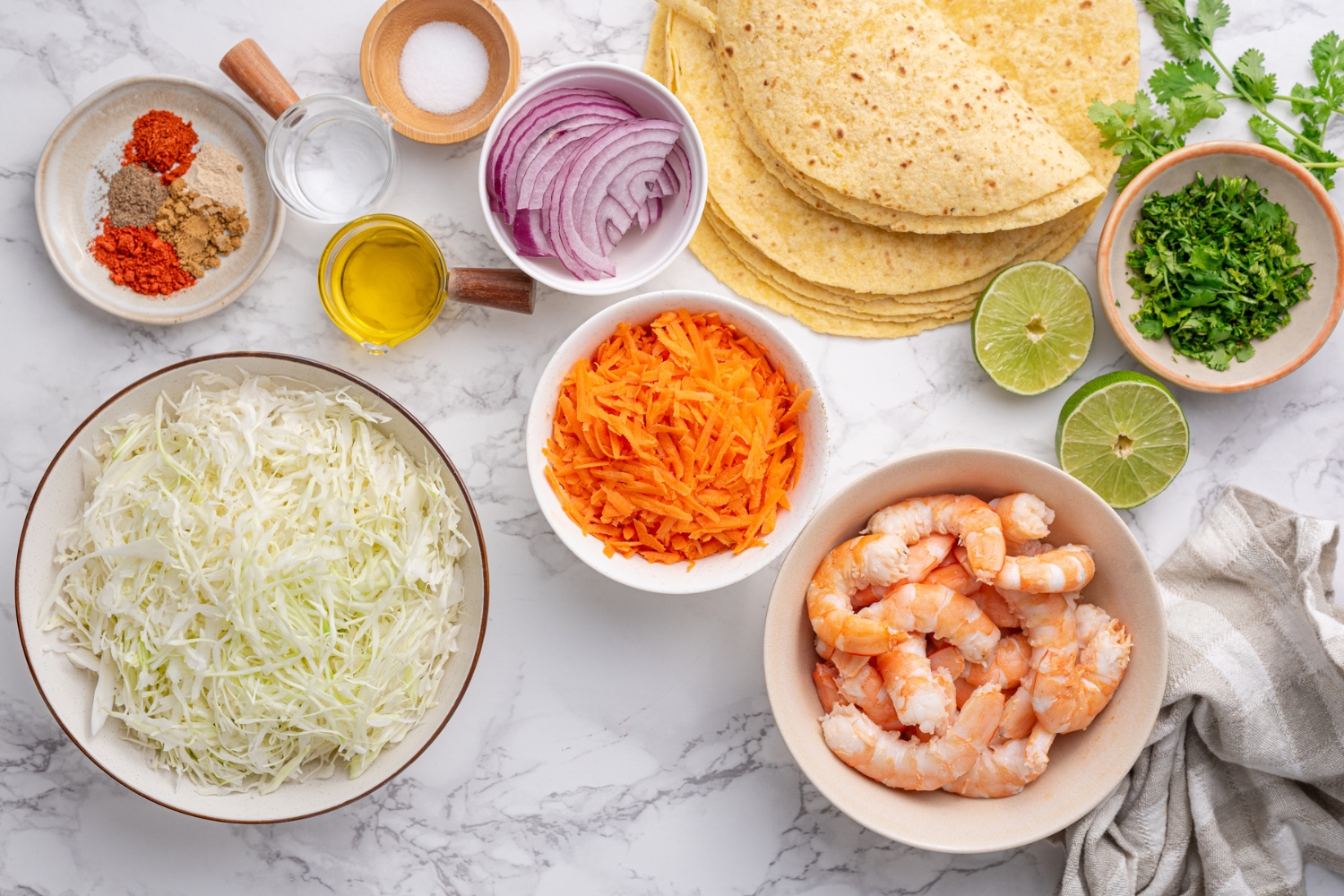
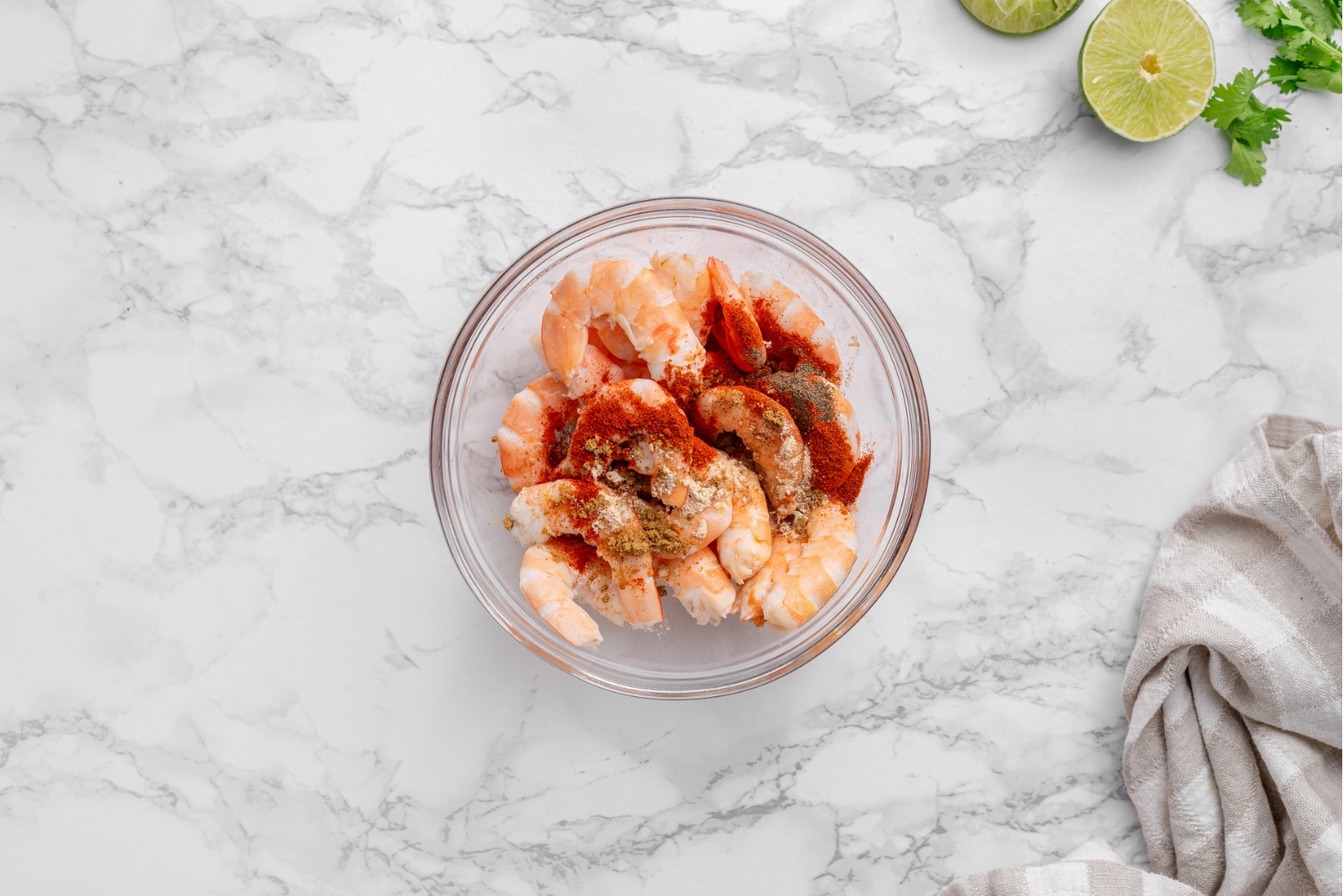
Following the slaw preparation, the focus shifts to the shrimp. The seasoning blend—consisting of garlic powder, cumin, cayenne, paprika, black pepper, and salt—serves to create a dry rub that enhances the natural sweetness of the shrimp. Crucially, the removal of surface moisture with paper towels is the most vital step in the process. Scientific analysis of searing indicates that excess surface moisture acts as a thermal buffer; it must be evaporated before the surface of the protein can reach the temperatures required for browning. By patting the shrimp dry, the chef ensures that the pan temperature remains high, resulting in a superior crust and a more complex flavor profile.
The Shift from Deep Frying to High-Heat Searing
The culinary shift away from deep frying in favor of pan-searing represents a broader trend in domestic food preparation. Deep frying, which involves complete immersion in hot oil, can reach temperatures of 350°F to 375°F. While effective for texture, it often introduces significant amounts of trans fats or excessive calories.
In contrast, the Mediterranean method of pan-searing in a hot skillet with a controlled amount of extra virgin olive oil allows for precise heat management. When a skillet is preheated to medium-high, the olive oil facilitates the rapid conduction of heat into the shrimp. Because shrimp have a high surface-area-to-volume ratio, they transition from raw to fully cooked in under four minutes. This rapid cooking time ensures that the shrimp remain tender rather than becoming rubbery—a common consequence of over-exposure to heat. By cooking in batches, the home cook prevents the temperature of the skillet from dropping, which would otherwise lead to the shrimp "steaming" in their own juices rather than achieving the desired golden-brown finish.
Broader Impact on Home Cooking Trends
Market analysis of home cooking habits suggests that consumers are increasingly seeking recipes that are "fast-casual" in style—meaning restaurant-quality results achieved in less time than it takes to order and receive delivery. The rise of the shrimp taco as a staple reflects this demand for versatility.
Experts in nutrition and culinary arts suggest that the "taco format" is an ideal vehicle for increasing vegetable consumption. By providing a customizable platform—where family members can adjust the ratio of slaw to protein—the meal reduces the "friction" often associated with serving healthy dinners to diverse palates. Furthermore, the use of corn tortillas, which are naturally gluten-free and historically significant in Mesoamerican diets, offers a lower-glycemic alternative to flour-based wraps, further aligning the dish with modern wellness trends.
Addressing Common Culinary Challenges
For the novice cook, the transition to high-heat searing can be intimidating. However, technical failures in this recipe are almost exclusively linked to two variables: moisture control and heat management.
- Overcrowding: When too many shrimp are introduced to the skillet at once, the cumulative moisture release lowers the pan temperature. The result is a grey, rubbery shrimp. The solution—cooking in two smaller batches—is a standard practice in professional kitchens to maintain consistent surface contact.
- Temperature Control: The "hot skillet" requirement is not a suggestion but a necessity. Allowing the olive oil to shimmer or slightly smoke ensures the protein seals immediately upon contact, locking in juices.
- Resting Components: The 10-minute resting period for the slaw is frequently overlooked, yet it is the primary factor in flavor integration. Without this time, the raw bite of the red onion and the sharpness of the vinegar can dominate the dish, overshadowing the subtle spices on the shrimp.
Implications for Future Culinary Development
As public interest in the Mediterranean diet continues to grow, the integration of global flavors into traditional, healthy frameworks will likely continue. The shrimp taco, as presented here, is a template for a larger movement toward "fusion-health" dining. By swapping heavy fats for acidic brightness and utilizing high-heat techniques to preserve nutrient density, home cooks are demonstrating that the dichotomy between "delicious" and "healthy" is a false one.
Future iterations of this meal might include the incorporation of seasonal vegetables such as radishes for added bite, or the use of diverse chili powders to experiment with heat levels. The fundamental technique remains unchanged: respect the ingredient, manage the heat, and prioritize the balance of texture and acidity.
In conclusion, these pan-seared shrimp tacos offer more than just a quick dinner solution. They represent a deliberate choice to prioritize fresh, high-quality ingredients and sound culinary techniques. Whether served as a weeknight main or as an interactive meal for guests, the dish stands as a testament to the fact that simple, well-executed preparation is the hallmark of sophisticated home cooking. By adopting these methods, the modern cook can enjoy a meal that is culturally vibrant, nutritionally sound, and remarkably efficient.