The Art and Science of Preserving Seasonal Cherries: A Culinary Guide to Traditional Jam Making

The practice of preserving seasonal fruit has transitioned from a necessity of survival to a celebrated culinary craft, with cherry jam standing as a quintessential example of this evolution. For nearly two decades, home cooks and professional chefs have refined the process of transforming fresh, fleeting summer harvests into stable, flavorful preserves. At the heart of this process lies a delicate balance of sugar ratios, pectin chemistry, and the mastery of sensory evaluation. While modern canning technology offers precise measurements, the traditional method—often relying on visual cues and physical texture—remains a respected standard among culinary practitioners.
Historical Context and the Evolution of Preservation
The tradition of jam making dates back to ancient civilizations, where the need to store excess fruit through the winter months was a logistical imperative. Historically, honey served as the primary preservative, later replaced by cane sugar as trade routes expanded. In the digital era, the sharing of "non-recipes"—or intuitive cooking guidelines—has revitalized interest in home preservation. In 2005, foundational guidelines for cherry jam were introduced to the culinary blogosphere, emphasizing a ratio of three parts sugar to four parts fruit puree. This departure from the more common 1:1 "equal parts" ratio reflects a growing preference for fruit-forward profiles that emphasize natural acidity over aggressive sweetness.
The Chemistry of the Set: Sugar and Pectin
Understanding the science behind the "set" is critical for any serious preserve maker. Cherries are classified as low-pectin fruits, meaning they require more careful handling compared to high-pectin fruits like apples or citrus. Pectin is a structural heteropolysaccharide contained in the cell walls of plants; when heated in the presence of sugar and acid, it forms a gel.
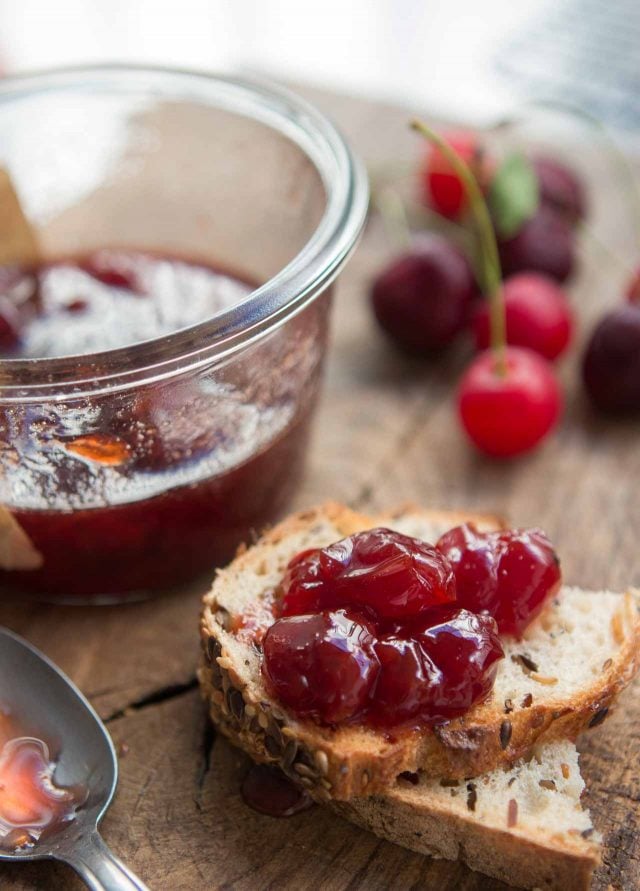
Because cherries lack sufficient natural pectin, the jam-making process often results in a looser, more viscous consistency rather than a rigid, sliceable gel. From a technical standpoint, this is not a failure of the recipe, but a characteristic of the fruit. Many home cooks struggle with the expectation that all jams should possess the same structural integrity. However, in European culinary traditions, a looser, "runnier" jam is frequently preferred for its spreadability and fresh fruit flavor. Achieving the desired result requires monitoring temperatures—typically between 218°F and 220°F (103°C to 104°C)—though the final determination is often made through the "cold plate test," a sensory method involving placing a small amount of the hot mixture on a frozen surface to observe its viscosity upon cooling.
Sourcing and Seasonal Limitations
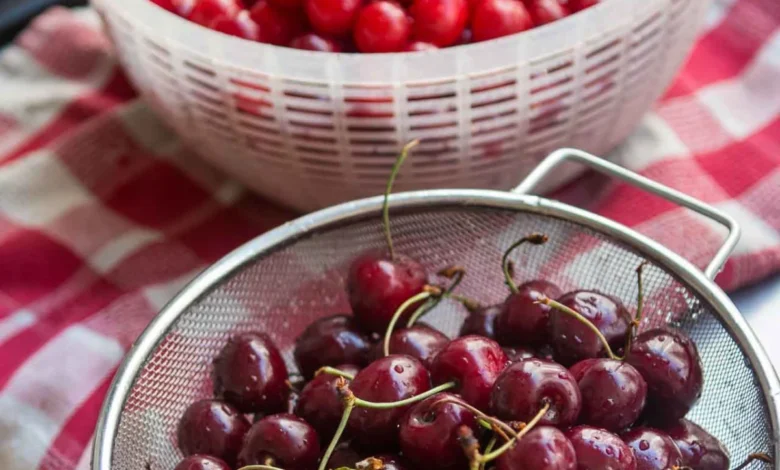
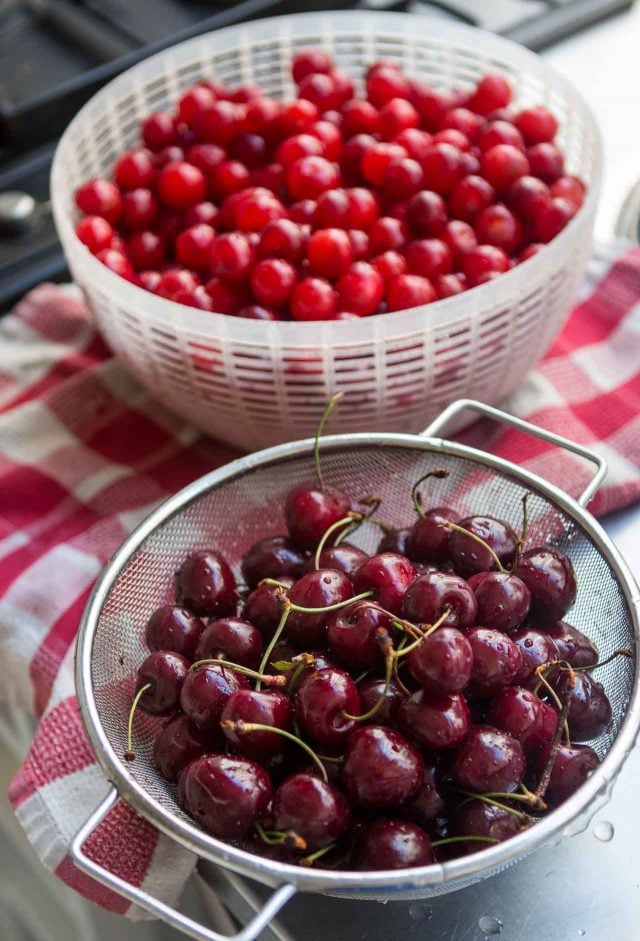
The quality of the final product is inextricably linked to the selection of raw materials. While sweet cherries are the most accessible variety in the retail market, they are often low in acid, which can complicate the preservation process. Sour cherries, also known as tart or pie cherries, offer a superior balance of acid and flavor, making them the preferred choice for professional pastry chefs.
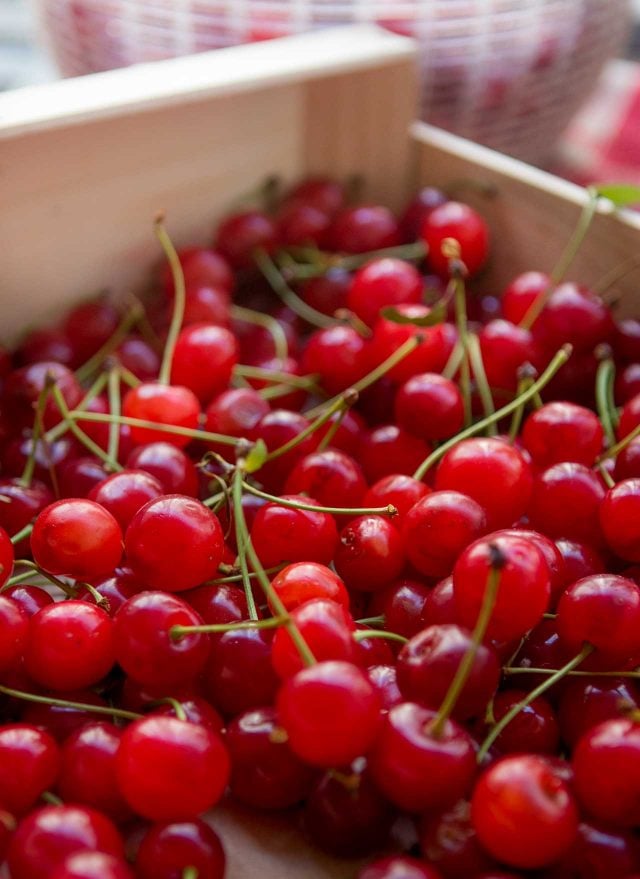
However, the supply chain for sour cherries is notoriously volatile. They possess a significantly shorter shelf life than sweet varieties, often requiring processing within 24 to 48 hours of harvest. This temporal constraint contributes to the "specialty" status of high-quality cherry preserves. Market analysts suggest that the demand for locally sourced, seasonal stone fruits has surged by approximately 15% over the last five years, driven by a consumer shift toward artisanal, low-additive food products.
The Role of Essential Kitchen Technology
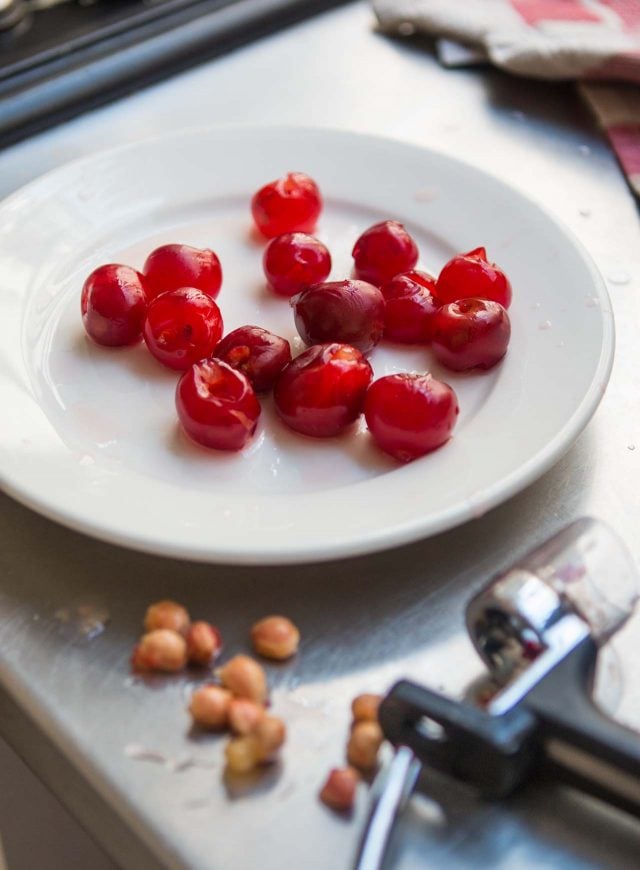
Despite the emphasis on intuition and tradition, the mechanical process of preparing fruit has been greatly enhanced by specialized tools. The cherry pitter, once considered a niche gadget, has gained widespread acceptance as an essential tool for high-volume preparation. Removing pits manually is labor-intensive and results in significant fruit loss; mechanical pitters allow for the preservation of the fruit’s integrity, which is vital for the visual appeal of the finished jam. By maintaining the shape of the fruit, the final product retains a "jewel-like" quality that is highly prized in both home and commercial settings.
Sugar Reduction and Food Safety Implications
A recurring debate in the culinary community involves the reduction of sugar in jam recipes. It is essential to understand that sugar serves a dual purpose: it acts as a sweetening agent and as a crucial preservative. Sugar lowers the water activity (aw) of the product, which inhibits the growth of bacteria, molds, and yeasts.
When home cooks reduce sugar levels, they inadvertently decrease the shelf life of the product and alter its osmotic pressure, which may prevent the pectin from activating correctly. For individuals seeking to reduce sugar intake, there are alternative preservation methods, such as small-batch production intended for immediate refrigeration rather than long-term shelf storage. It is strongly advised that those attempting to can or water-bath process their jams follow established safety protocols, such as those provided by the National Center for Home Food Preservation, to mitigate the risks associated with foodborne pathogens like Clostridium botulinum.
Broader Economic and Cultural Impact
The resurgence of home jam making is a component of a broader "slow food" movement, which emphasizes sustainability, the reduction of food waste, and a deeper connection to seasonal cycles. By utilizing excess fruit that might otherwise be discarded due to aesthetic imperfections or over-ripeness, home preservers contribute to a circular food economy.
Furthermore, the integration of optional ingredients—such as liqueurs, herbs, or spices—allows for a level of customization that mass-produced commercial products cannot replicate. This creative autonomy is a driving factor in the sustained popularity of home-made preserves. As consumers become more conscious of the ingredient labels on store-bought goods, the transparency afforded by cooking at home provides a significant incentive to master the process.
Analytical Outlook
The future of fruit preservation appears to be moving toward a synthesis of historical technique and modern precision. While the "no-recipe" approach encourages culinary confidence and experimentation, there is a clear trend toward the adoption of standardized safety guidelines. The implications of this are twofold: first, a safer domestic food supply, and second, the preservation of cultural techniques that might otherwise be lost to time.
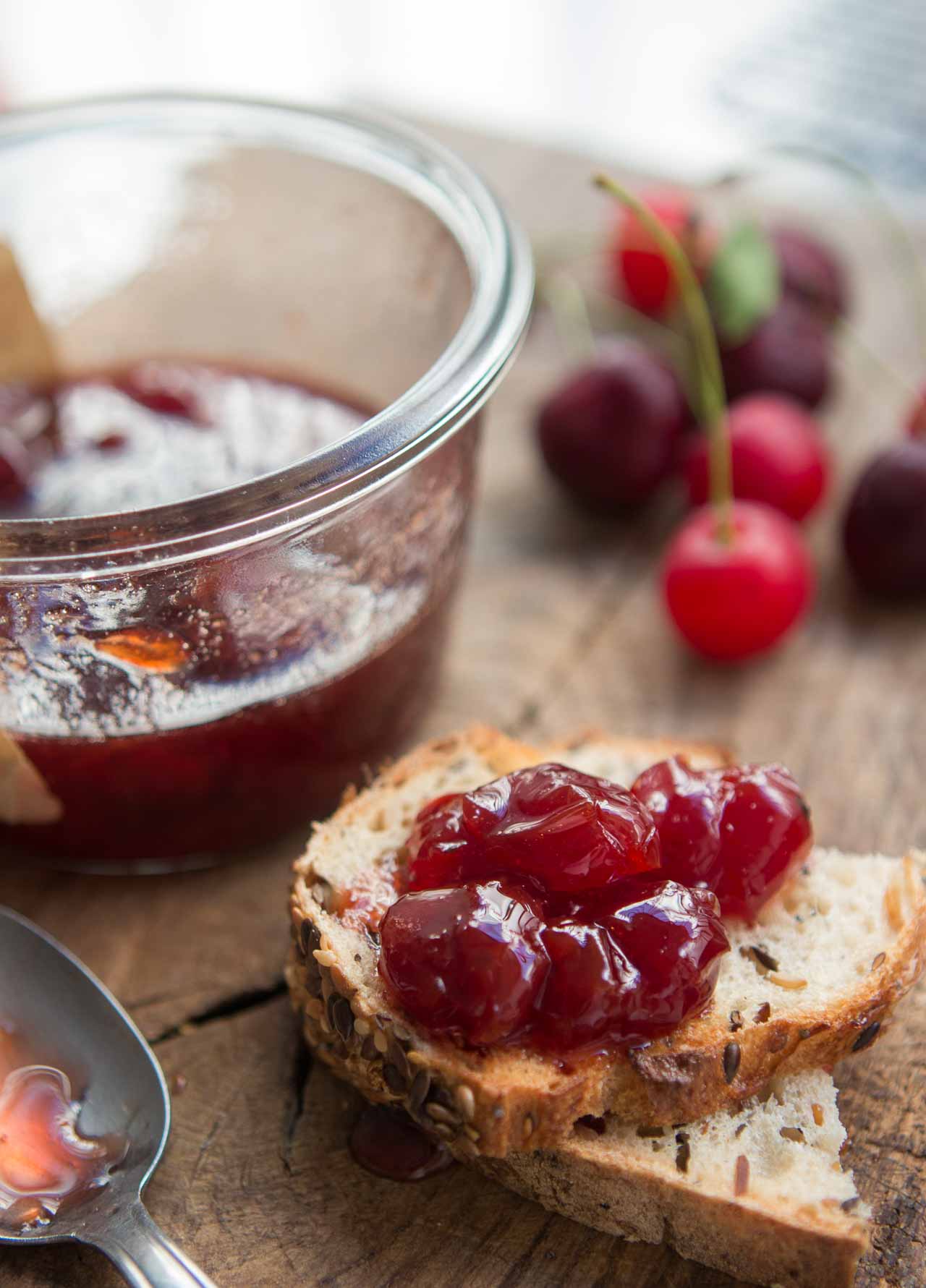
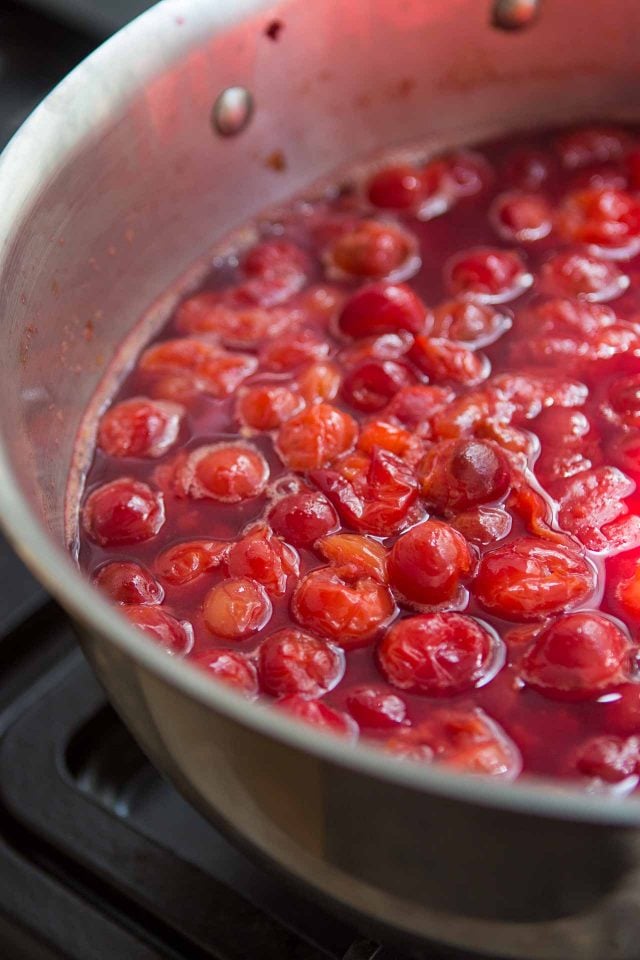
For the home cook, the process of creating cherry jam remains a rewarding intersection of biology, physics, and art. Whether one follows a rigid, temperature-controlled protocol or leans into the intuitive, sensory-based methods of the past, the end result—a jar of glossy, ruby-red preserve—stands as a testament to the enduring value of seasonal preservation. As long as cherries continue to define the early summer months, the ritual of the jam pot will remain a cornerstone of the domestic kitchen, bridging the gap between the abundance of the harvest and the austerity of the winter season.