A Guide to Authentic Greek Cooking: 9 Traditional Mediterranean Recipes Straight from the Family Kitchen

The global culinary landscape has long celebrated the Mediterranean diet as a gold standard for longevity, cardiovascular health, and culinary simplicity. At the heart of this dietary tradition lies authentic Greek home cooking, a culinary heritage rooted in seasonal vegetables, extra virgin olive oil, aromatic herbs, and minimal processing. Recently, culinary experts and nutritionists have sought to strip away the heavily commercialized and Westernized adaptations of Greek dishes often found in mainstream restaurants, returning instead to the foundational, generational recipes that define the true Greek table.
Drawing from decades of culinary tradition and professional nutritional expertise, registered dietitian Elena Paravantes has highlighted nine quintessential Greek recipes that represent the authentic prototype of the Mediterranean diet. These dishes—ranging from velvety stewed green beans to classic spanakopita—offer a window into everyday Greek household cooking, emphasizing both rich cultural heritage and scientifically backed nutritional benefits.
The Historical and Cultural Roots of the Mediterranean Diet
The Mediterranean diet gained widespread international recognition in the mid-20th century, largely due to the Seven Countries Study led by American physiologist Ancel Keys. The study observed that populations inhabiting the Mediterranean basin, particularly the island of Crete and rural Greece, experienced remarkably low rates of chronic illnesses, such as coronary heart disease, despite having diets rich in total fats. The secret lay in the quality of those fats—predominantly monounsaturated fats found in extra virgin olive oil—alongside an abundance of plant-based foods, legumes, whole grains, and moderate consumption of dairy and wine.
Historically, Greek cuisine evolved out of necessity, geography, and resourcefulness. The rugged terrain and Mediterranean climate fostered the cultivation of olives, grapes, wheat, and hardy vegetables like tomatoes, eggplants, and leafy greens. Cooking techniques in traditional Greek households traditionally relied on lathera—a category of dishes where vegetables are slowly stewed in a generous amount of olive oil and tomato sauce, creating a rich, deeply comforting flavor profile without the need for complex ingredients or heavy sauces.
Unlike contemporary commercialized recipes that frequently incorporate heavy creams, excessive cheeses, or non-traditional spices, authentic Greek home cooking relies on the synergy of just a few fresh, high-quality components. This straightforward approach not only preserves the natural flavors of the ingredients but also maximizes their nutritional density.
Nutritional Implications and Health Benefits
From a clinical nutrition standpoint, the integration of these traditional recipes into everyday modern diets offers profound health advantages. As a recognized prototype of the Mediterranean dietary pattern, traditional Greek food is rich in antioxidants, dietary fiber, vitamins, and healthy fatty acids.

Extra virgin olive oil, the cornerstone of Greek gastronomy, contains potent polyphenols that exhibit anti-inflammatory and antioxidant properties. Regular consumption has been consistently linked in clinical literature to improved lipid profiles, reduced blood pressure, and enhanced endothelial function. Furthermore, the emphasis on plant proteins—such as lentils (fakes), chickpeas, and beans—supports metabolic health and provides a sustainable, nutrient-dense alternative to animal-heavy diets.
Dietitians and public health researchers frequently advocate for a return to these unprocessed cooking methods to combat the rising global prevalence of metabolic syndrome, obesity, and type 2 diabetes. By utilizing whole foods and natural seasonings like garlic, onions, oregano, and lemon juice rather than processed sodium enhancers, home cooks can achieve optimal nutritional outcomes without sacrificing taste.
The Nine Essential Authentic Greek Recipes
To bridge the gap between commercialized imitations and true Mediterranean cuisine, nutrition and culinary frameworks point to nine fundamental dishes that form the backbone of the traditional Greek household.
-
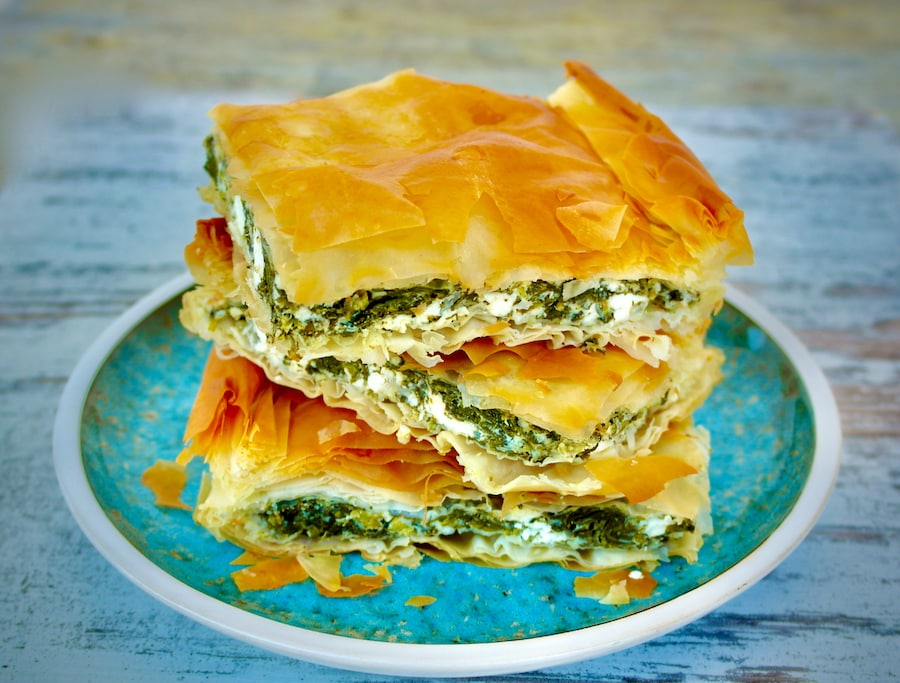
Authentic Greek Spanakopita (Spinach and Feta Pie)
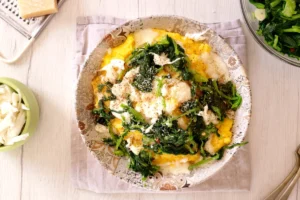
A masterclass in textural contrast, traditional spanakopita features delicate, paper-thin layers of phyllo dough brushed with extra virgin olive oil, encasing a savory filling of fresh spinach, sharp feta cheese, scallions, and herbs. Unlike frozen or heavily modified commercial versions, authentic spanakopita relies on the natural moisture of the greens and the quality of the olive oil to achieve a crisp, golden crust. -
Authentic Greek Lemon Roasted Chicken and Potatoes (Kotopoulo me Patates)
A staple of Sunday family dinners across Greece, this dish combines bone-in chicken with thick-cut potatoes roasted simultaneously in a pan with extra virgin olive oil, fresh lemon juice, garlic, and dried oregano. The potatoes absorb the rendered chicken juices and citrus broth, creating a tender, melt-in-your-mouth texture complemented by the crisp exterior of the poultry.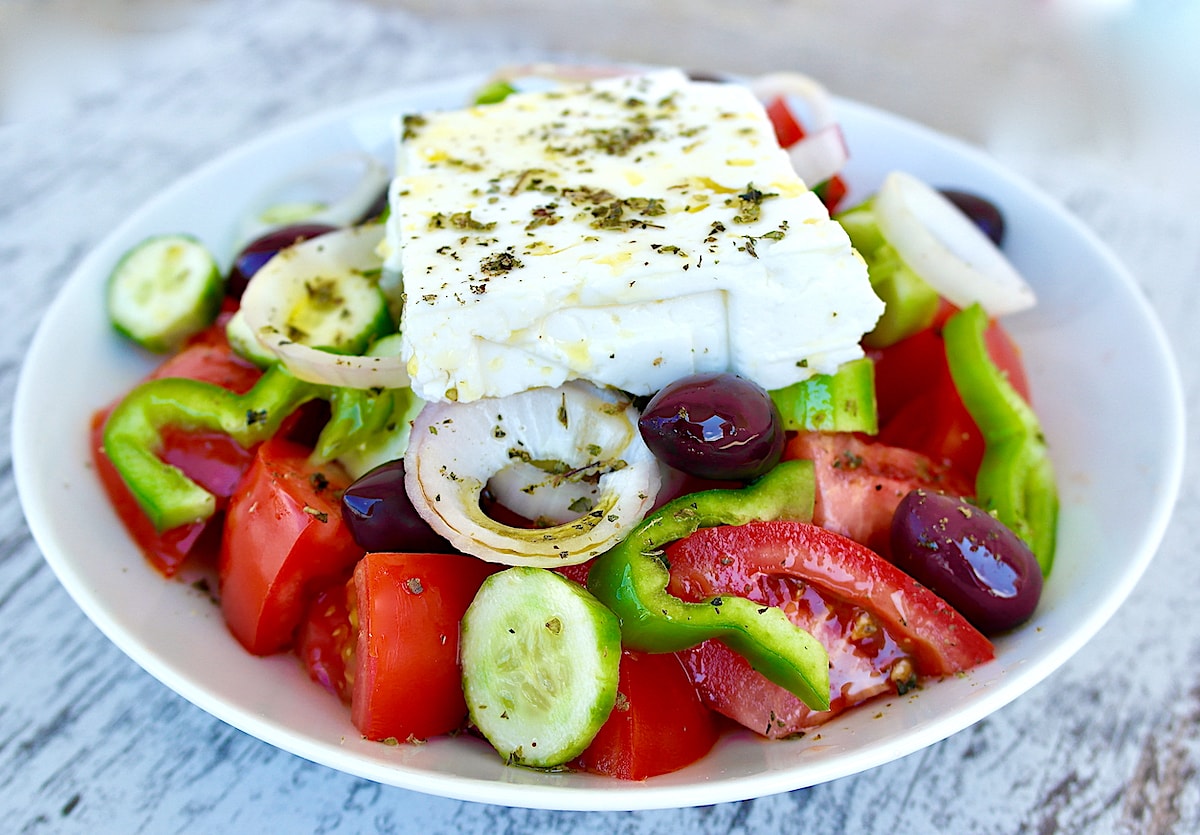
-
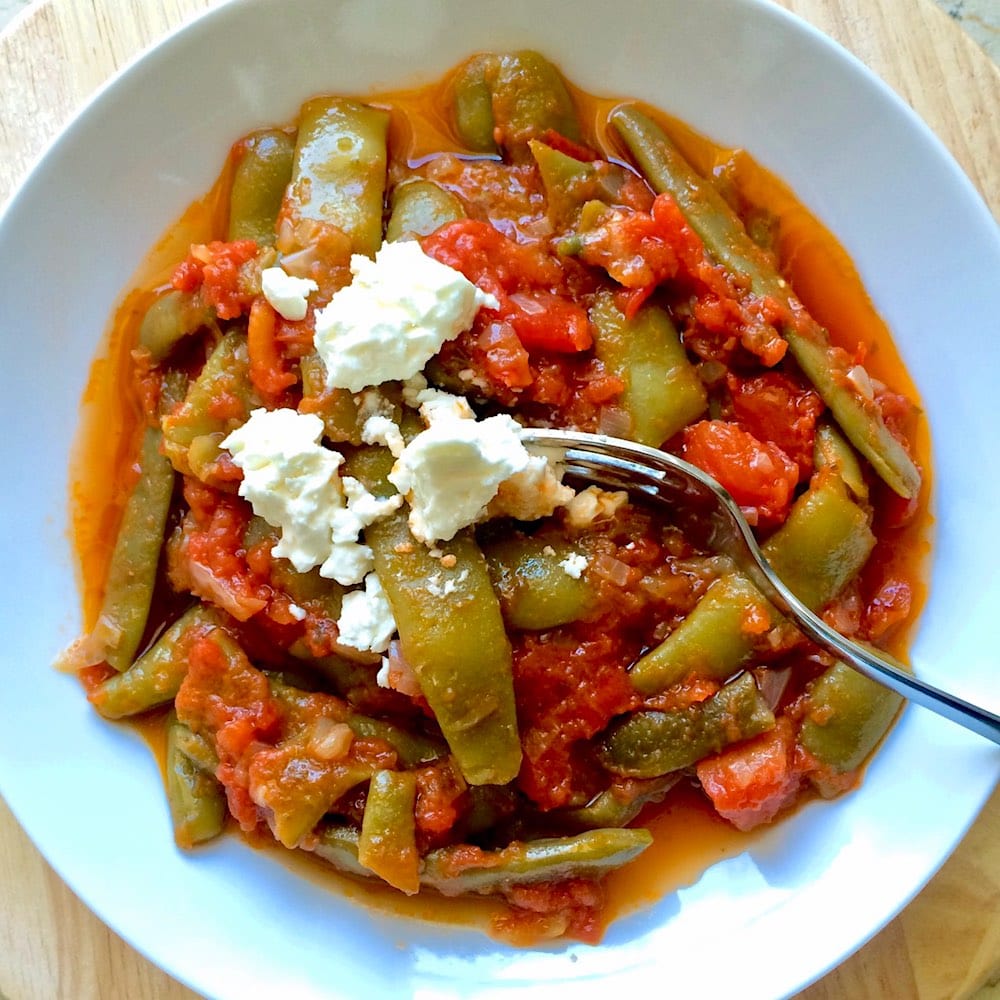
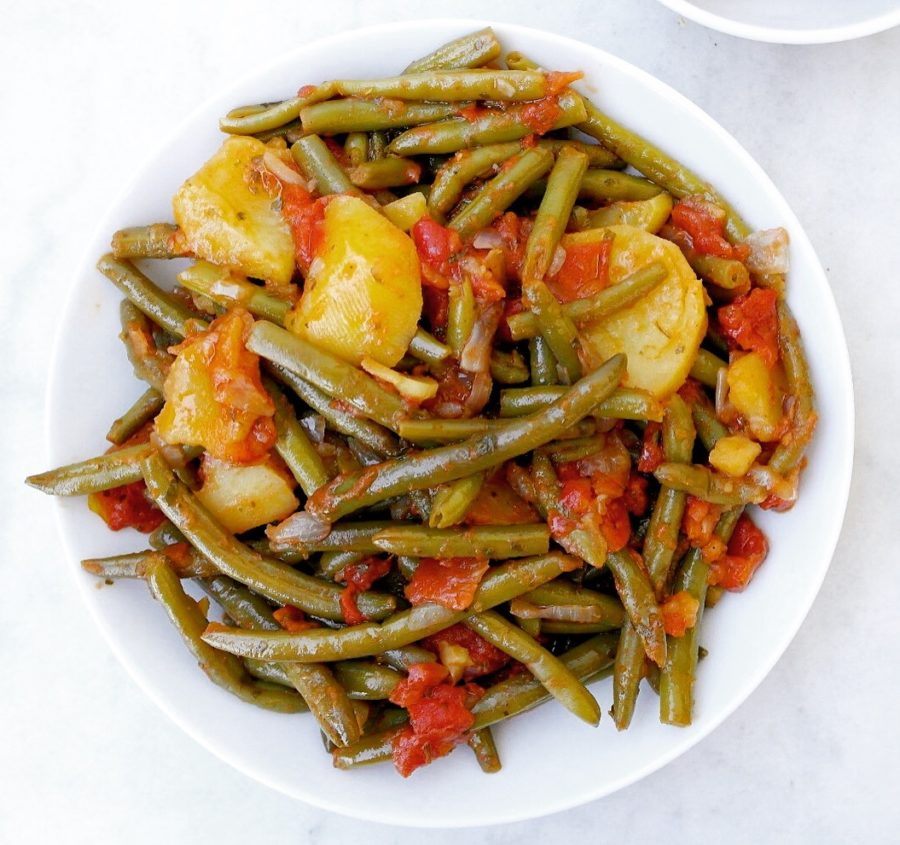
Authentic Greek Green Beans (Fasolakia Lathera)
Demonstrating the traditional lathera method, fresh green beans and potatoes are simmered slowly in a rich, velvety tomato and olive oil emulsion. Naturally vegan and gluten-free, this dish serves equally well as a hearty main course or a nutrient-dense side dish, showcasing how humble vegetables can be transformed through patient, low-heat cooking. -
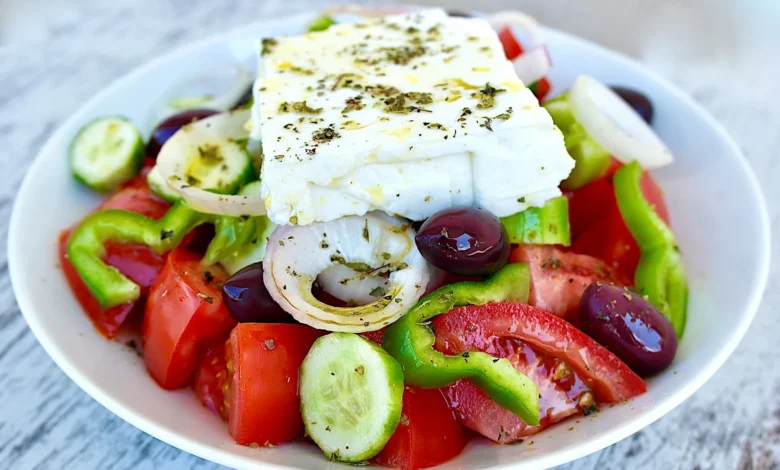
The Best Authentic Greek Salad (Horiatiki)
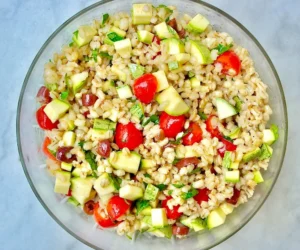
Universally known outside Greece as the "Greek salad," the authentic horiatiki (village salad) strictly omits lettuce, cabbage, and mayonnaise-based dressings. Instead, it consists of sun-ripened red tomatoes, crisp cucumbers, sliced red onions, Kalamata olives, and a generous block of authentic sheep’s-milk feta cheese, dressed simply with extra virgin olive oil and red wine vinegar. -
Greek-Style Peas (Arakas Latheros)
Another weekly staple in Greek home kitchens, this dish features sweet green peas cooked alongside carrots and potatoes in a concentrated olive oil and tomato sauce. Traditionally served alongside a wedge of sharp feta cheese and rustic crusty bread designed to absorb the flavorful pan juices, it provides a balanced, comforting meal.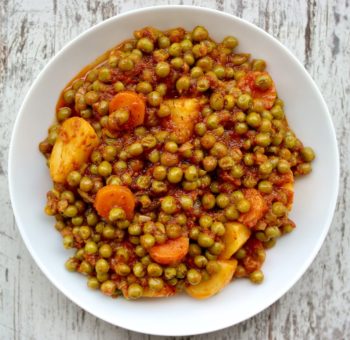
-
Greek Spinach and Rice (Spanakorizo)
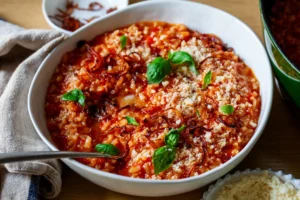
Particularly popular during the cooler autumn and winter months, spanakorizo combines tender spinach and aromatic herbs with rice, simmered together until creamy. This one-pot comfort food highlights the Mediterranean capability to turn simple pantry staples into satisfying, nutrient-rich dishes. -
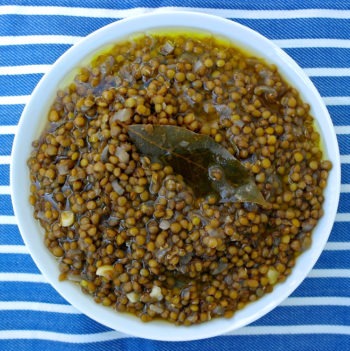
Greek Lentil Soup (Fakes)
A foundational element of Greek cuisine year-round, fakes consists of earthy brown lentils cooked with onions, garlic, and tomato, finished with a dash of red wine vinegar and a heavy drizzle of raw extra virgin olive oil just before serving. It stands as an accessible, high-fiber, and high-protein cornerstone of Mediterranean plant-based eating. -
Chicken Cooked in Tomato Sauce (Kotopoulo Kokkinisto)
In this classic stew, chicken pieces are gently simmered in a fragrant tomato-based sauce spiced with cinnamon and bay leaves. Traditionally served over a bed of Greek rice (kritharaki or orzo) or pasta, it offers a warming, aromatic alternative to standard roasted poultry dishes.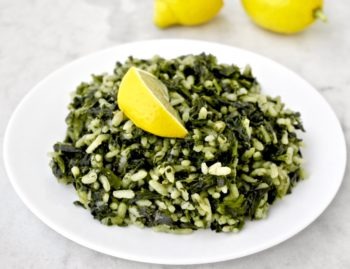
-
Authentic Greek Scrambled Eggs with Feta and Tomato (Strapatsada)
Also known as kayana in certain regions, strapatsada is a quick, nutrient-dense breakfast or light supper. Fresh, juicy tomatoes are grated and simmered in olive oil until reduced, after which beaten eggs and crumbled feta are stirred in until just set, creating a creamy, tangy scramble best enjoyed with fresh bread.
Broader Impact and Future Outlook
As consumer interest in health-conscious, transparent, and sustainable eating continues to expand globally, the rediscovery of authentic Mediterranean cooking offers practical solutions for everyday meal preparation. Culinary experts emphasize that mastering these nine foundational recipes requires no advanced culinary training or specialized commercial equipment—only a commitment to sourcing fresh produce, high-grade olive oil, and authentic dairy products.
By rejecting heavily processed convenience foods in favor of these time-tested, generationally refined techniques, modern households can successfully replicate the health benefits and culinary richness that have sustained Mediterranean populations for centuries.