Beyond the Oil Press: Why Whole Table Olives Are the Unsung Hero of the Mediterranean Diet

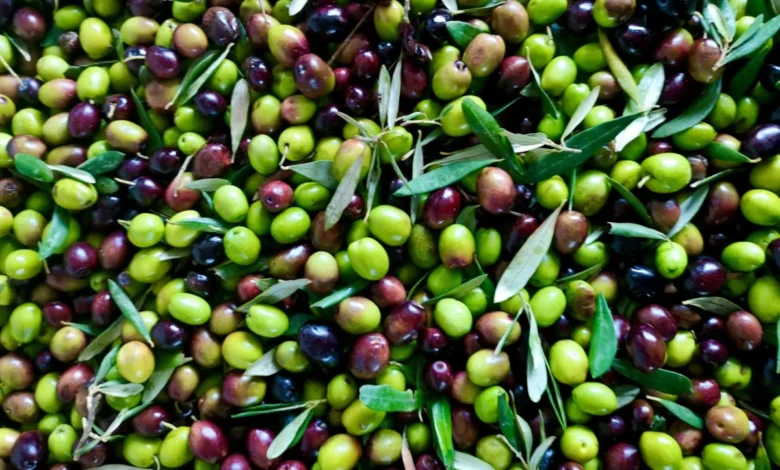
The Mediterranean diet has long been celebrated as a gold standard for longevity, cardiovascular health, and disease prevention, with extra virgin olive oil frequently taking center stage in nutritional guidelines worldwide. However, nutritional scientists and public health advocates are increasingly turning their attention to the whole fruit itself—the table olive. Grown, harvested, and cured across the Mediterranean basin for millennia, olives offer a dense profile of monounsaturated fats, bioactive phytochemicals, and gut-supporting probiotics that rival, and in some cases complement, liquid olive oil. As modern clinical research begins to validate generational dietary practices, experts are urging consumers to look closer at how processing methods drastically alter the nutritional value of this ancient staple.
Historical Origins and Agrarian Evolution
The domestication of the olive tree (Olea europaea) dates back more than 6,000 years, anchoring civilizations across the Mediterranean, Middle East, and North Africa. Archaeological records indicate that olive cultivation began around the Levant before spreading rapidly throughout Greece, Italy, Spain, and France. Historically, olive trees served as a cornerstone of ancient economies, providing fuel, illumination, medicine, and sustenance.
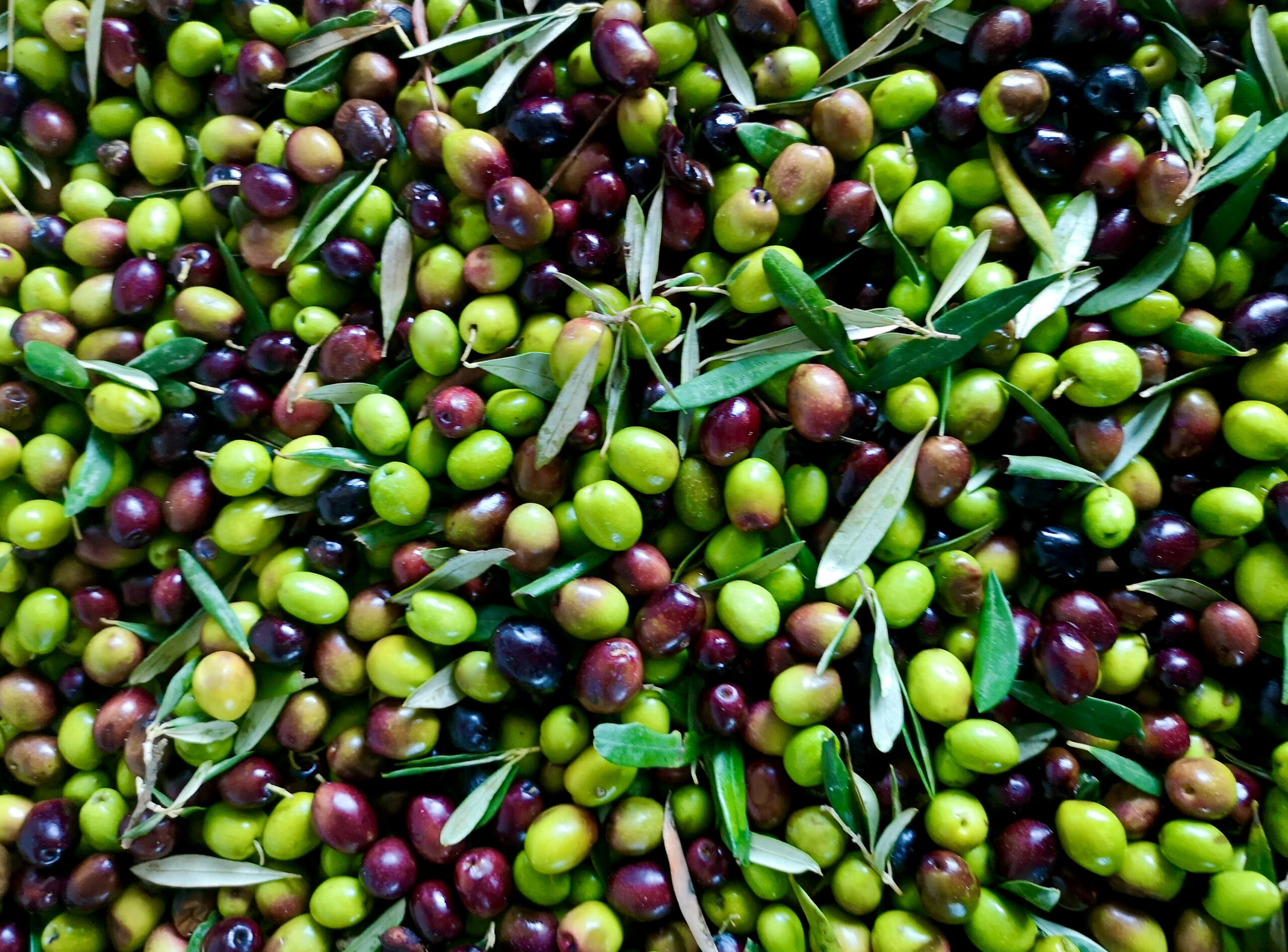
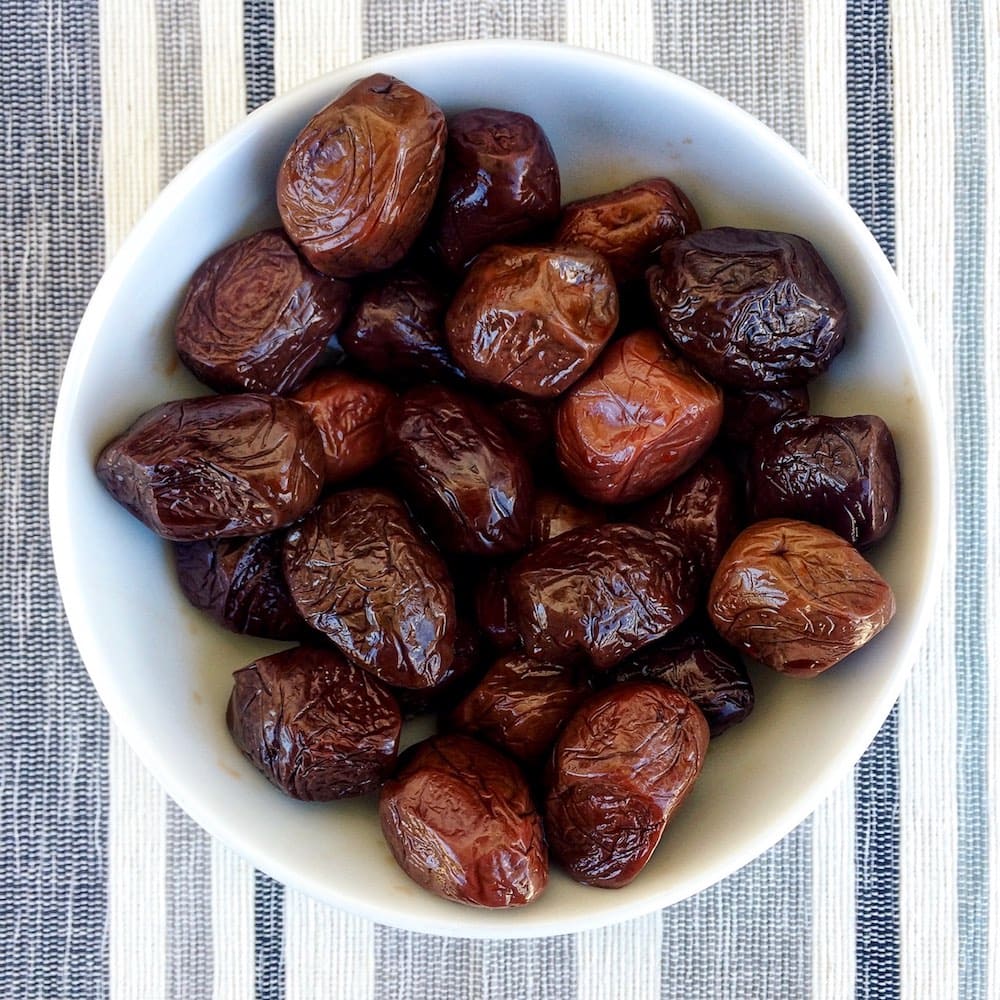
Unlike many cultivated crops, the olive fruit cannot be consumed directly from the branch. Raw olives contain high concentrations of oleuropein, a bitter glycoside that renders freshly picked fruit intensely unpalatable. Consequently, ancient populations developed diverse curing methods—utilizing sea salt, brine, vinegar, and natural air-drying—to neutralize the bitterness while preserving the fruit. Over centuries, hundreds of distinct varieties emerged, adapted to specific microclimates and regional tastes. Prominent cultivars include the fleshy Kalamata and sun-ripened Throuba from Greece, the buttery Castelvetrano from Sicily, the intensely savory Niçoise from France, and the versatile Manzanilla from Spain.
The Chronology of Olive Processing: Traditional Curing vs. Industrial Methods
The transformation of an olive from a bitter harvest to a pantry staple involves distinct processing techniques that profoundly influence its final chemical composition. Understanding this chronology is critical for evaluating the nutritional integrity of commercial table olives.
-
Traditional Brine Fermentation (Natural Curing):
Practiced for millennia, this labor-intensive method involves submerging harvested olives in a saltwater brine for weeks or months. Naturally occurring lactic acid bacteria and yeasts on the skin of the fruit initiate a slow fermentation process. This biological activity breaks down bitterness compounds while actively generating probiotics and preserving high levels of thermolabile polyphenols.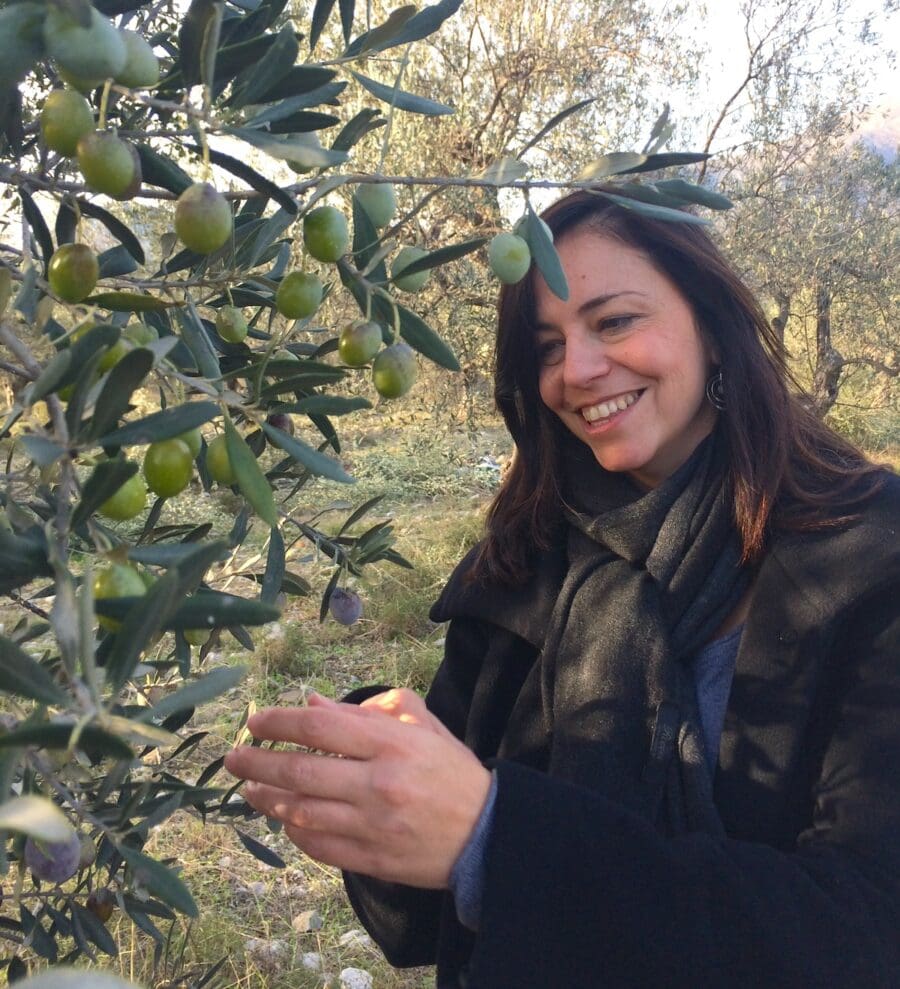
-
Chemical Lye Treatment (Spanish-Style):
Developed to accelerate production and meet mass-market demands, this method introduces a dilute solution of sodium hydroxide (lye) to rapidly penetrate the fruit flesh and neutralize oleuropein within hours or days. While efficient, repeated washing cycles required to remove the lye strip away a substantial portion of the fruit’s water-soluble antioxidants and delicate flavor compounds. -
Oxidation and Artificial Darkening (California-Style):
Introduced extensively in the 20th century, this industrial process utilizes green olives treated with lye solutions, followed by exposure to bubbling oxygen (oxidation) to artificially darken the fruit to a uniform black color. Subsequent high-heat thermal sterilization ensures shelf stability in cans. However, this aggressive sequence severely diminishes polyphenol concentrations, destroys potential probiotic cultures, and yields a uniform, mild-flavored product with minimal nutritional complexity.
Biochemical Composition and Nutritional Data
From a nutritional standpoint, a standard serving of ten table olives (approximately 40 grams) typically yields between 50 and 75 calories. The macronutrient breakdown is predominantly composed of healthy monounsaturated fatty acids—primarily oleic acid—alongside negligible carbohydrate content and minor quantities of plant-based protein.
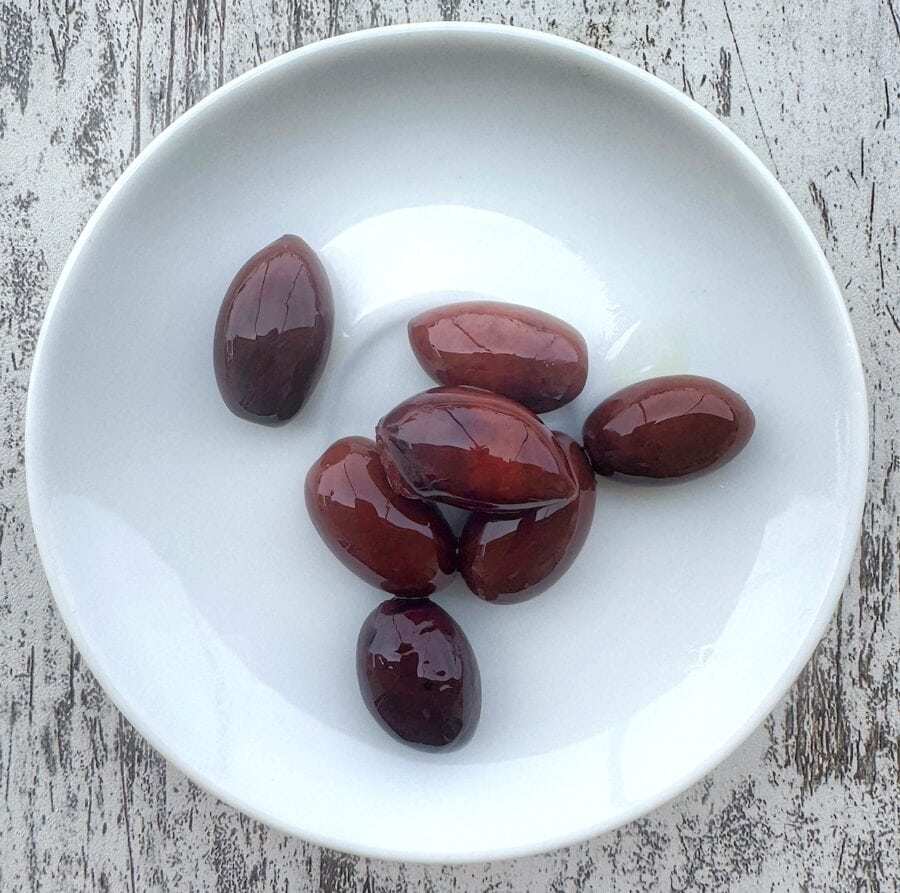
Beyond basic macronutrients, olives function as a dense botanical matrix containing dietary fiber, vitamin E, trace minerals including calcium, iron, and magnesium, and over thirty distinct phytochemicals. The therapeutic properties of the fruit are largely attributed to three primary polyphenol subclasses:
- Oleuropein: Predominant in raw and naturally cured olives, oleuropein exhibits potent antimicrobial, antioxidant, and anti-inflammatory mechanisms. Clinical literature links it to improved endothelial function and arterial health.
- Oleocanthal: Known for imparting a characteristic throat-tasting pungency, oleocanthal shares structural and functional similarities with non-steroidal anti-inflammatory drugs (NSAIDs) like ibuprofen, inhibiting inflammatory enzymes cyclooxygenase-1 and -2 (COX-1 and COX-2).
- Hydroxytyrosol: Recognized as one of the most powerful dietary antioxidants discovered to date, hydroxytyrosol scavenges free radicals, protecting cellular structures and DNA from oxidative damage associated with chronological aging and chronic pathology.
Cardiovascular and Metabolic Implications
Epidemiological and clinical investigations continue to illuminate the systemic physiological benefits of regular olive consumption. Cardiovascular researchers note that the monounsaturated fats present in olives help optimize lipid profiles by lowering low-density lipoprotein (LDL) cholesterol while preserving or elevating high-density lipoprotein (HDL) cholesterol. Concurrently, olive polyphenols mitigate vascular inflammation, decrease blood pressure, and improve arterial elasticity, collectively reducing the long-term incidence of atherosclerosis and myocardial infarction.
In the realm of metabolic health, emerging data suggest that olive biophenols enhance insulin sensitivity and assist in postprandial glucose regulation. By dampening chronic low-grade inflammation—a foundational driver of metabolic syndrome, type 2 diabetes, and neurodegenerative disorders such as Alzheimer’s disease—moderate daily consumption supports systemic homeostasis. Furthermore, naturally fermented olives introduce viable lactic acid bacteria to the gastrointestinal tract, supporting the human microbiome and bolstering gut-barrier integrity.
Global Market Trends and Consumer Guidance
As consumer awareness shifts toward preventive healthcare and functional foods, market demand for authentic, minimally processed Mediterranean products has accelerated. Public health authorities and dietitians increasingly advocate for label transparency, advising consumers to prioritize naturally fermented, brine-cured varieties over heavily processed, lye-treated alternatives.
Navigating supermarket aisles can present challenges, as commercial labeling laws rarely mandate the disclosure of curing methodologies. Nutrition experts recommend selecting traditional Mediterranean imports—such as Greek, Italian, or French regional varieties—and examining ingredient lists for simplicity, typically featuring olives, water, salt, and vinegar or olive oil without chemical additives.
Broader Socioeconomic and Agricultural Impact
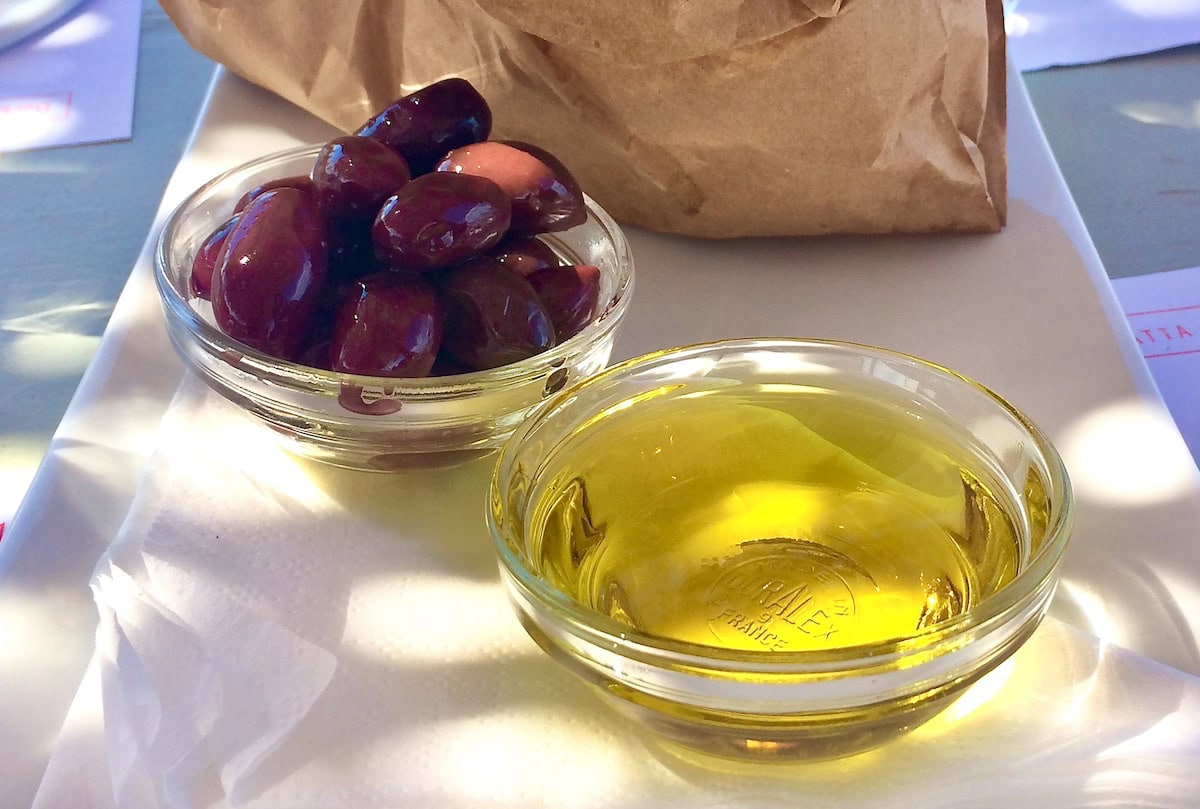
The resurgence of interest in whole table olives carries profound implications for Mediterranean agrarian economies. Multi-generational farming families, particularly in mountainous and arid regions unsuited for intensive industrial agriculture, rely heavily on traditional olive cultivation to sustain local employment and preserve rural biodiversity. The preservation of heritage olive groves safeguards ancient agricultural landscapes, prevents soil erosion, and maintains genetic diversity within the Olea europaea species.
As scientific validation catches up with ancestral wisdom, the table olive is shedding its historical status as a mere cocktail garnish or culinary afterthought. Recognized today as a functional superfood rich in antioxidants, healthy fats, and probiotics, the humble olive stands as a testament to the enduring nutritional validity of the Mediterranean diet.