The Art and Science of Preserving Summer: A Comprehensive Guide to Traditional Cherry Jam Making

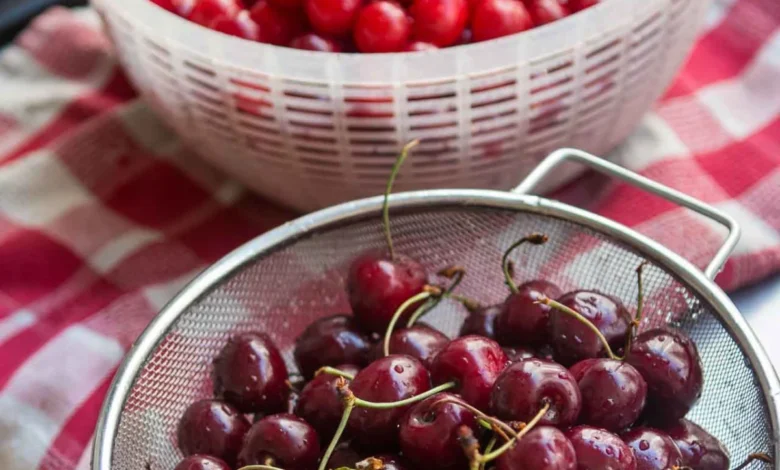
The culinary tradition of fruit preservation has evolved significantly over the past two decades, shifting from rigid, formulaic industrial canning toward a more intuitive, artisanal approach that prioritizes fruit integrity and reduced sugar content. Since the publication of early digital guides on the subject in 2005, home cooks have moved away from the standard 1:1 fruit-to-sugar ratio—a method long favored for its ease and safety—in favor of more nuanced profiles that highlight the natural acidity and sweetness of seasonal produce. This transition is perhaps best exemplified by the persistent popularity of the “no-recipe” cherry jam philosophy, which relies on a precise 3:4 sugar-to-fruit-puree ratio to achieve a more sophisticated, slightly softer set.
A Chronology of Preserving Evolution
For generations, the standard for jam making was dictated by commercial pectin manufacturers, who advocated for equal parts sugar and fruit to ensure a firm, shelf-stable product. However, as the farm-to-table movement gained momentum in the early 2000s, professional chefs and home enthusiasts alike began to question the necessity of such high sugar concentrations.
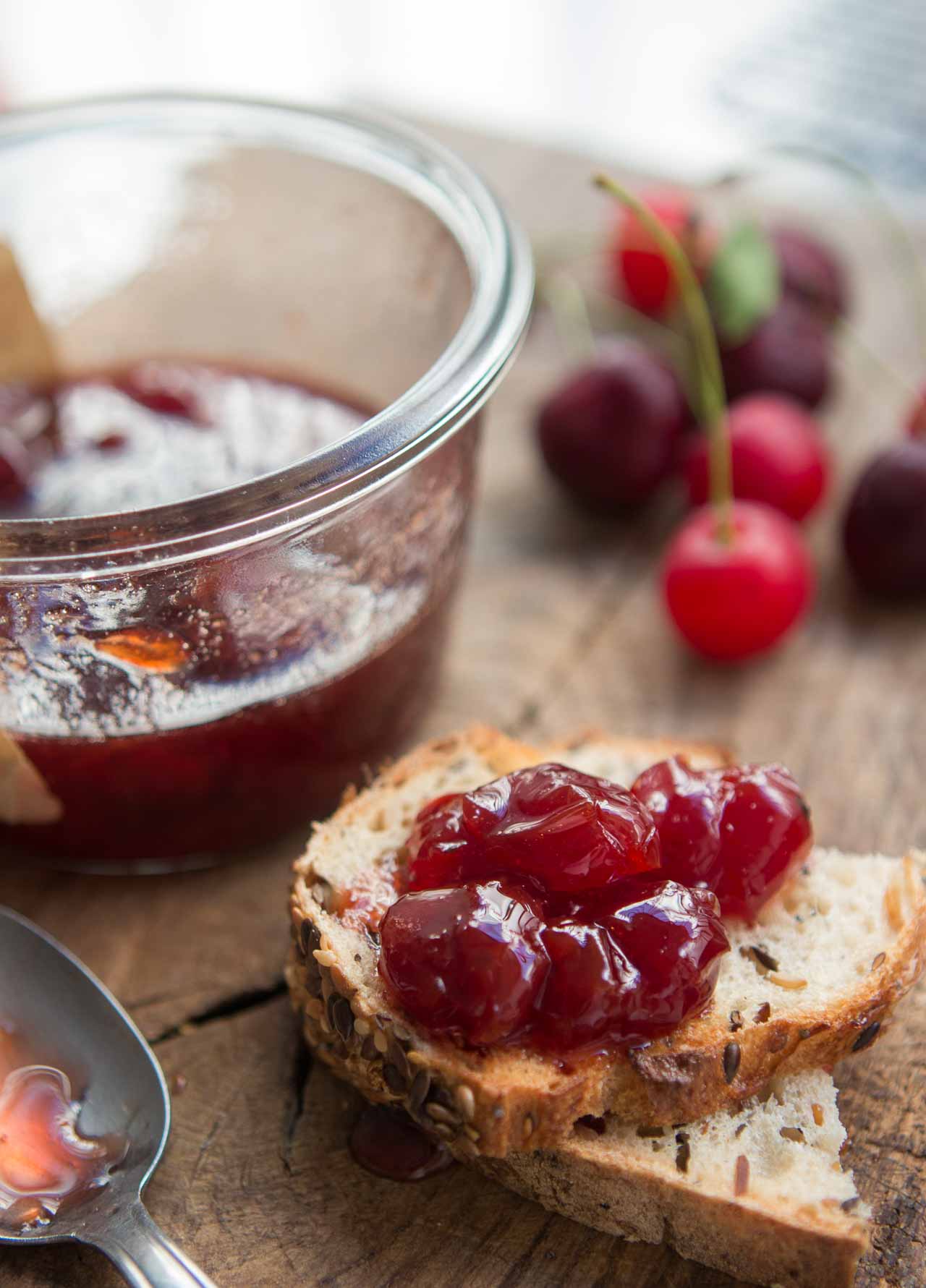
In 2005, the emergence of the “No-Recipe Cherry Jam” concept signaled a departure from these constraints. By lowering the sugar content to roughly 75% of the fruit weight, practitioners found that they could retain the vibrant color and nuanced flavor of the fruit, which often becomes masked in high-sugar preparations. Over the last fifteen years, this method has transitioned from a niche “chef’s secret” to a standard practice among home preservers who prefer a more fluid, European-style jam that pairs better with crusty breads and fresh dairy than the overly stiff varieties found in supermarkets.
The Science of the Set: Understanding Pectin and Sugar
The technical challenge in producing a low-sugar jam lies in the biochemistry of the fruit itself. Cherries are famously low in natural pectin—the structural heteropolysaccharide that causes fruit mixtures to gel. In high-sugar recipes, the sugar acts as a dehydrating agent, drawing water away from the pectin molecules and forcing them to form a cohesive network. When the sugar content is reduced, this natural jelling process is significantly weakened.
Consequently, home preservers must rely on a more attentive, sensory-based approach to the “setting point.” While traditional recipes rely on a set temperature of approximately 218°F to 220°F (103°C to 104°C), the lower-sugar method often requires the mixture to reach a slightly higher temperature to compensate for the lack of sugar-based structure.
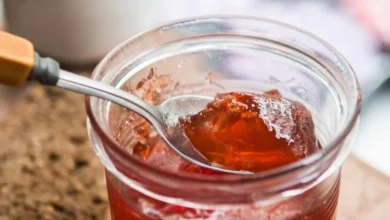
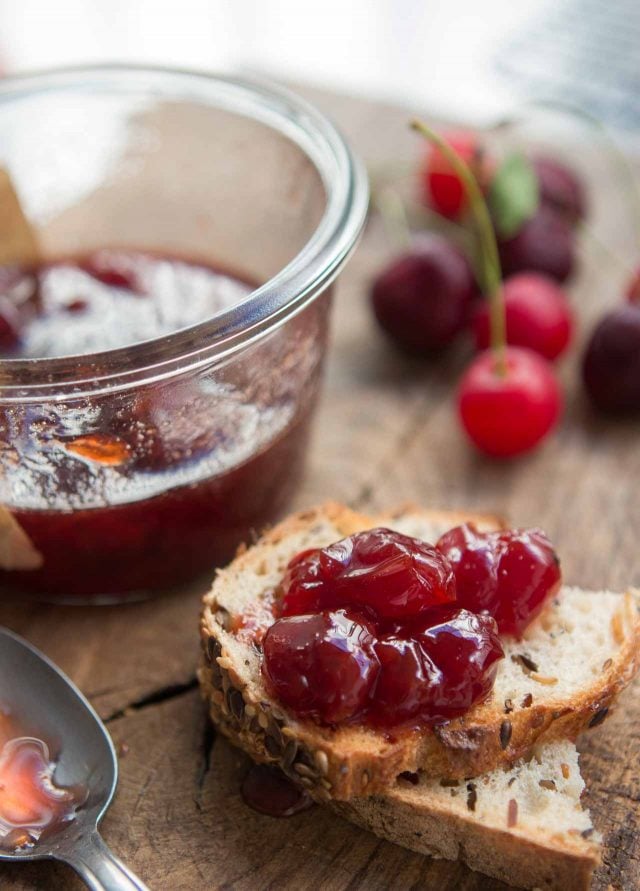
The most reliable indicator for this stage remains the “chilled plate test.” By placing a small sample of the boiling mixture onto a plate that has been stored in a freezer, the cook can observe how the jam behaves as it cools rapidly. A successful batch will not necessarily wrinkle like a high-pectin marmalade; rather, it should thicken into a glossy, syrup-like consistency that clings to the spoon and maintains its form when dragged through. This requires a shift in expectation: the resulting product is not intended to be a solid block, but a luscious, spreadable fruit preserve that showcases the raw quality of the harvest.
Seasonal Logistics and Equipment
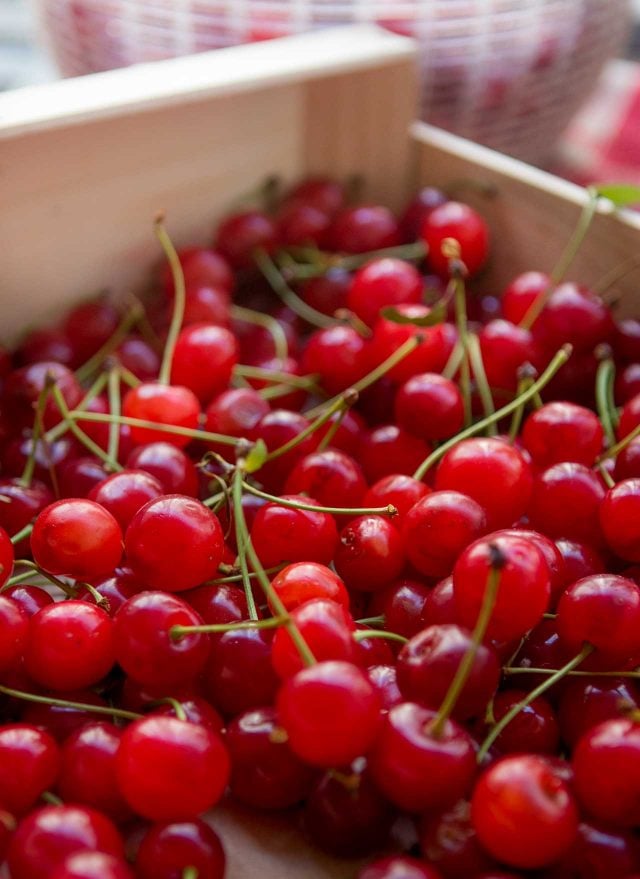
The logistics of processing cherries present a unique set of challenges compared to other stone fruits. Cherries have an exceptionally short window of peak ripeness, particularly the highly prized sour varieties, which are often sought after for their superior flavor profile in jams. Once harvested, sour cherries have a very limited shelf life, necessitating immediate processing.
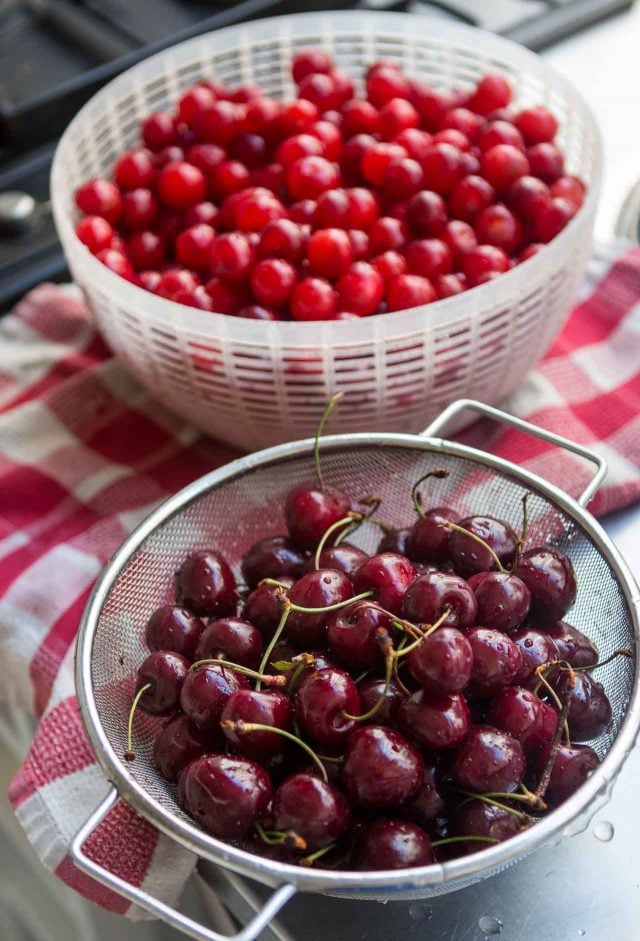
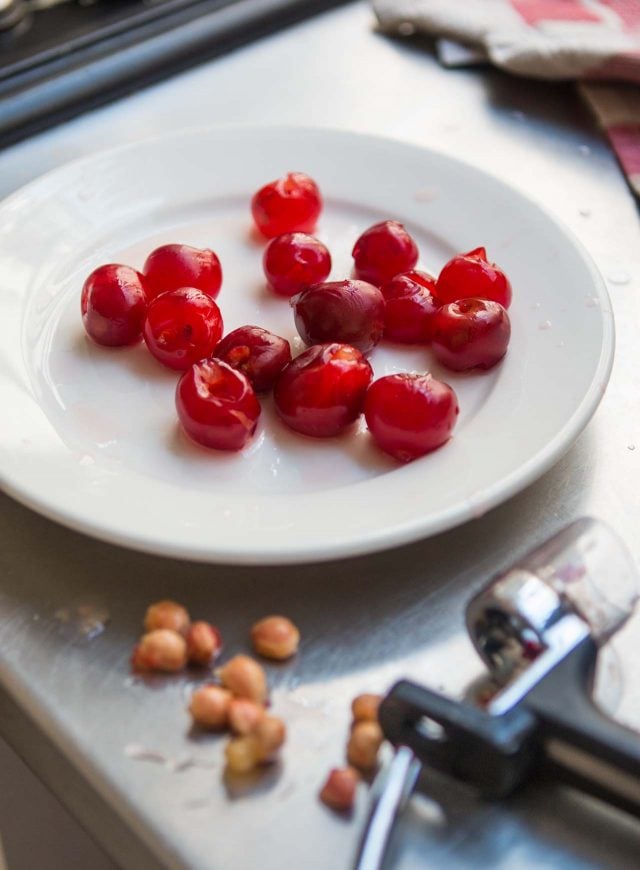
The mechanical aspect of this labor—specifically the removal of pits—has led to a resurgence in the use of specialized kitchen tools. While some critics argue that a cherry pitter is a “single-use” gadget, historical data on kitchen efficiency suggests that the tool is essential for maintaining the structural integrity of the fruit during the cooking process. By using a pitter, the fruit remains largely intact, which contributes to the final aesthetic of the jam—shiny, ruby-colored jewels suspended in a thickened, fruit-forward syrup.
Nutritional and Economic Implications
The move toward lower-sugar jams also aligns with broader consumer health trends. By reducing the reliance on sugar as a preservative, consumers are reducing their overall intake of refined sweeteners. However, this has notable implications for storage and food safety. Sugar functions not only as a flavoring agent but as an antimicrobial barrier; by reducing its concentration, the osmotic pressure required to inhibit bacterial growth is lowered.
For those adhering to the 3:4 ratio, it is widely recommended that the finished product be treated as a “refrigerator jam” with a shelf life of several weeks, rather than a shelf-stable product intended for long-term pantry storage. For individuals who wish to preserve the harvest for the entire year, standard canning protocols, as established by the National Center for Home Food Preservation, remain the mandatory gold standard. These protocols ensure that the pH levels and heat treatment are sufficient to prevent the growth of Clostridium botulinum, a critical consideration when straying from established recipes.
Broader Culinary Impact
The endurance of this “no-recipe” method highlights a broader cultural shift in how society views processed foods. Consumers are increasingly valuing the ability to customize their pantry staples. By choosing to add optional elements like liqueurs, spices, or adjusting the sugar levels based on the specific sweetness of the current season’s crop, the act of making jam becomes an exercise in culinary agency rather than a mechanical adherence to a label.
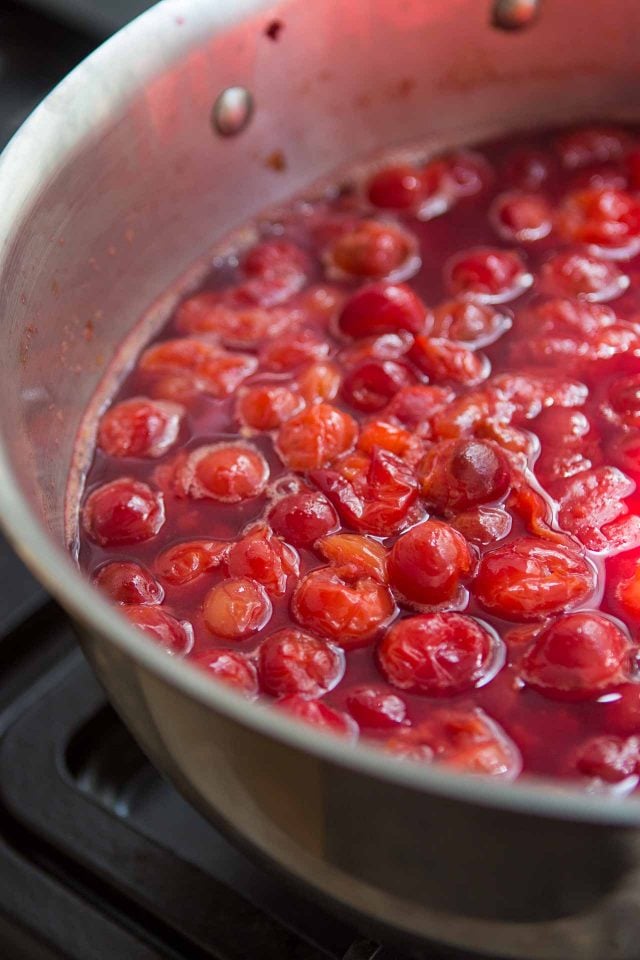
The aesthetic quality of the final product—often described as “glossy” and “jewel-toned”—serves as a marketing point for the artisanal movement. In an era of mass-produced, standardized food products, the visual and flavor profile of a low-sugar, small-batch cherry jam provides a tactile connection to the seasons.
Professional Recommendations for Success
- Source Selection: Utilize sweet cherries for a standard, approachable profile, but prioritize sour cherries when in season to achieve a more complex, tart flavor profile.
- Precision in Observation: Abandon the reliance on a timer. The boiling time of jam is highly variable depending on the surface area of the cooking vessel and the water content of the fruit. Use a thermometer as a guide, but trust the sensory feedback of the chilled plate test.
- Storage Discipline: Be aware of the limitations of the low-sugar method. If the intention is long-term storage at room temperature, one must follow verified, tested canning procedures to ensure safety. Otherwise, keep the product refrigerated and monitor it for quality over the subsequent weeks.
- Flavor Enhancement: While the fruit is the star, minimal additions such as high-quality liqueurs can heighten the aromatic profile of the cherries without overwhelming the palate.
Ultimately, the shift toward a more intuitive, less formulaic style of jam making reflects a growing sophistication among home cooks. By understanding the underlying chemistry of sugar and pectin, and by respecting the seasonal constraints of the fruit, one can produce a preserve that is not only a delicious breakfast accompaniment but also a testament to the enduring value of traditional culinary skills in a modern context. Whether for the morning toast or as a gift, the labor-intensive process of pitting, cooking, and monitoring the jam remains a rewarding pursuit that bridges the gap between agricultural harvest and the dining table.