Culinary Evolution and the Shift Toward Plant-Based Condiments
The traditional Italian dressing has historically relied on dairy-based emulsifiers or flavor enhancers to achieve its characteristic texture and depth. However, the contemporary culinary landscape has undergone a transformation. The integration of nutritional yeast, a deactivated yeast product known for its savory, nutty, and "cheesy" flavor profile, has allowed chefs to replicate the umami qualities previously sourced from Parmesan or other hard cheeses.

This evolution is not merely a trend but a response to health-conscious consumer demand. Data from the Good Food Institute indicates that more than 60% of consumers now report an interest in incorporating more plant-based foods into their diets, citing health benefits, sustainability, and animal welfare as primary drivers. By utilizing ingredients such as maple syrup for a subtle sweetness that offsets the high acidity of vinegar, this specific formulation of Italian dressing exemplifies how simple, whole-food ingredients can achieve the same complexity as traditional recipes without the use of additives, stabilizers, or artificial preservatives.
The Science of Emulsification and Flavor Balancing
The efficacy of a salad dressing lies in the chemistry of its emulsion. In a standard vinaigrette, the hydrophobic nature of oil and the hydrophilic nature of vinegar create a separation that requires constant agitation. In this plant-based formulation, ingredients like Dijon mustard act as a natural emulsifying agent. The mucilage found in mustard seeds helps to stabilize the oil-in-water suspension, creating a consistent texture that adheres to leafy greens effectively.

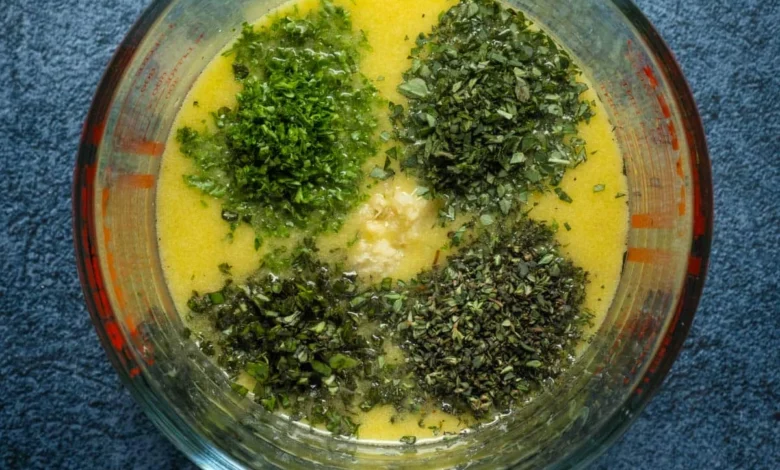
From a flavor standpoint, the "Italian" profile is defined by a specific hierarchy of taste: the brightness of lemon juice (acid), the body of olive oil (fat), the bite of garlic (pungency), and the herbaceous notes of fresh aromatics. Culinary experts emphasize that the use of fresh herbs—such as basil, oregano, and parsley—significantly elevates the profile of the dressing compared to dried counterparts. While dried herbs can be used in a 1:3 ratio, the volatile oils present in fresh herbs provide a superior aromatic experience that characterizes high-end culinary preparations.
Chronology of Adoption in the Plant-Based Market
The rise of the vegan dressing market can be traced through three distinct phases:

- Early Adoption (2010–2015): During this period, plant-based dressings were primarily confined to health food stores, often criticized for a lack of texture or an over-reliance on artificial thickeners.
- Mainstream Integration (2016–2020): As major retail chains began stocking plant-based alternatives, the industry saw an improvement in ingredient quality. The "clean label" movement took hold, pushing brands to remove gums and high-fructose corn syrup from their formulations.
- Culinary Refinement (2021–Present): The current phase focuses on home-kitchen adaptability. Recipes that prioritize fresh, raw ingredients have gained traction as home cooks seek to replicate restaurant-quality experiences at home. The emergence of the vegan Italian dressing as a staple reflects this transition toward accessible, gourmet-level plant-based cooking.
Nutritional Profile and Dietary Implications
For health-conscious individuals, the nutritional profile of this dressing is noteworthy. A standard serving (typically one tablespoon) contains approximately 145 kilocalories, derived primarily from heart-healthy monounsaturated fats found in olive oil. With only 1 gram of protein and 5 grams of carbohydrates per serving, the dressing fits comfortably into low-glycemic, low-sodium, and ketogenic-adjacent dietary patterns.
The inclusion of nutritional yeast also provides a modest source of B-vitamins, particularly if the yeast is fortified. Unlike many commercial dressings that are laden with high amounts of sodium and added refined sugars, this recipe utilizes maple syrup in moderation to balance acidity, resulting in a product that is significantly lower in the glycemic index compared to store-bought varieties that utilize high-fructose corn syrup as a primary sweetener.

Broader Impact on Home Cooking Trends
The proliferation of "from-scratch" recipes for staples like Italian dressing highlights a shift in consumer behavior. With the rise of digital recipe platforms, home cooks have greater access to the techniques and ingredients that were once the sole domain of professional kitchens. This democratization of culinary knowledge has led to a reduction in household reliance on pre-packaged goods, which are often sources of hidden additives and preservatives.
Moreover, the emphasis on local sourcing—using fresh garden herbs rather than shelf-stable, dehydrated seasoning blends—promotes a more sustainable supply chain. By preparing dressings in batches and storing them in airtight vessels like mason jars for up to five days, consumers are not only reducing their carbon footprint by minimizing packaging waste but are also ensuring that they consume products at the peak of their nutritional potency.

Industry and Expert Perspectives
Nutritionists and culinary researchers alike have lauded the return to simple, oil-and-vinegar-based emulsions. Dr. Elena Rossi, a food scientist specializing in plant-based nutrition, notes: "The key to a successful plant-based dressing is the balance of acid to fat. By using high-quality cold-pressed olive oil and fresh lemon juice, you are not just creating a condiment; you are creating a vehicle for nutrient absorption. Vitamins A, D, E, and K are fat-soluble, meaning they require the fat in this dressing to be effectively absorbed by the body. This is a perfect example of functional food."
Furthermore, environmental impact reports suggest that shifting toward homemade dressings can significantly reduce the plastic waste generated by the average household. The average shelf-stable salad dressing bottle is made of non-recyclable or difficult-to-process plastics, whereas a reusable glass container used for homemade dressing provides a circular solution that aligns with modern environmental sustainability goals.

Conclusion: The Future of Plant-Based Condiments
The adoption of this vegan Italian dressing represents a microcosm of a larger culinary movement toward transparency and health. As consumers continue to demand more from their food, the industry is responding with recipes that are as simple as they are effective. Whether utilized as an appetizer garnish or a side dish accompaniment, the focus on fresh, plant-based ingredients ensures that this recipe will remain a cornerstone of the modern, health-conscious pantry. By prioritizing the quality of ingredients and the simplicity of preparation, home cooks can achieve a standard of flavor that serves as a testament to the versatility of plant-based cuisine. As we look toward the future, the integration of these practices into everyday life will likely continue to reshape our relationship with food, moving us toward a more sustainable and nutritionally robust dietary future.